
Amsterdam fines owners up to 72,000 for leaving homes vacant six months
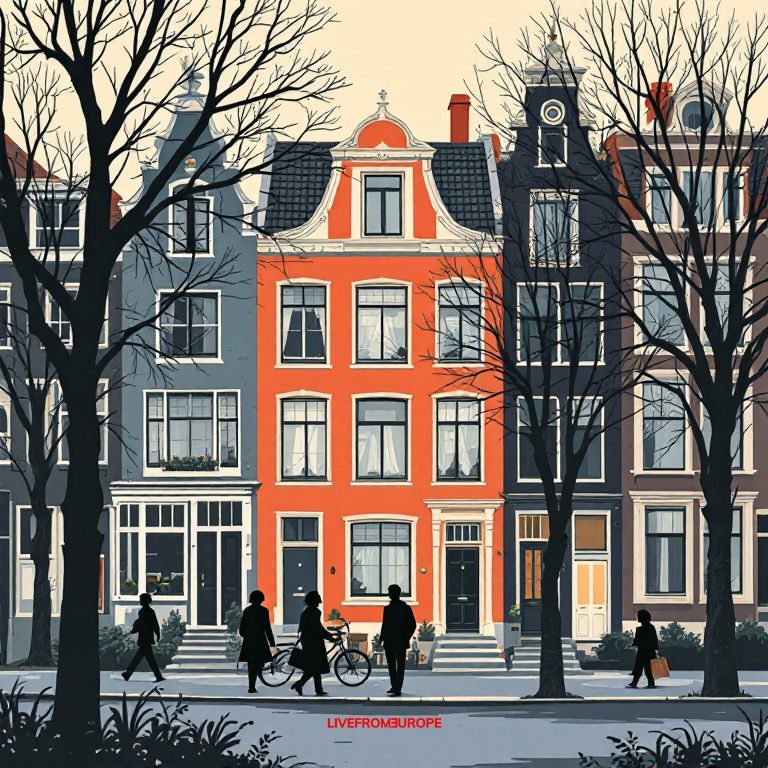
Amsterdam cracks down on vacant homes with fines up to €72,000 as housing crisis deepens
The Amsterdam city council has escalated its fight against empty homes by imposing fines of up to €72,000 on owners who leave properties vacant for more than six months, a move that underscores the Dutch capital’s worsening housing shortage. Under the new policy, which took effect this month, municipal authorities are systematically identifying and penalising owners of the estimated 19,000 empty dwellings across the city, according to figures released by the municipality on Sunday .
City officials confirmed that the first wave of penalties, issued last week, targeted 47 property owners whose homes had been unoccupied for between six and twelve months. The fines, which escalate with each additional month of vacancy, are designed to force landlords to either rent out their properties or sell them to the municipality for social housing. “We are not targeting owners who are temporarily unable to rent out their homes,” said a spokesperson for the city’s housing department. “But when a property has been empty for six months or more, we consider it a deliberate choice to withhold supply from the market.”
The crackdown comes as Amsterdam grapples with a housing deficit of at least 30,000 units, a figure that has ballooned by 5,000 since January 2025. The crisis has been exacerbated by a surge in short-term rentals, with Airbnb-style platforms listing more than 11,000 properties in the city, many of which remain vacant for large parts of the year. Earlier this year, the municipality began requiring hosts to register their properties and provide proof of occupancy, a measure that has already led to the removal of 1,500 illegal listings .
Critics, however, argue that the fines are a blunt instrument that fails to address the root causes of the housing crisis. “Fines alone won’t solve the problem,” said Marjolein Moorman, a housing policy researcher at the University of Amsterdam. “The city needs to invest in new construction, streamline permitting processes, and incentivise owners to convert vacant commercial spaces into residential units.” The municipality has pledged to allocate €250 million over the next three years to accelerate the construction of 10,000 new social housing units, but progress has been slow due to bureaucratic hurdles and rising construction costs.
The policy shift reflects a broader trend across Europe, where cities from Brussels to Bucharest are adopting increasingly aggressive measures to combat housing shortages. In Wallonia, Belgium, for example, officials recently revealed that 4,268 public housing units—nearly 4% of the regional stock—are currently uninhabitable due to neglect or disrepair . Meanwhile, in Romania, the real estate developer One United Properties has expanded its largest residential project, One Lake District, by acquiring an additional 10 hectares of lakeside land near Bucharest, further tightening the supply of affordable housing in the capital .
For Amsterdam’s 870,000 residents, the new fines offer little immediate relief. The average rent for a one-bedroom apartment in the city centre now exceeds €1,800 per month, while waiting lists for social housing stretch beyond five years. “This is a step in the right direction, but it’s not enough,” said a spokesperson for the Amsterdam Tenants’ Union. “We need a comprehensive strategy that includes rent control, stricter enforcement against short-term rentals, and a massive increase in public housing investment.” With no signs of the crisis abating, the city’s battle against vacant homes is likely to intensify in the coming months.
Follow us for live European news
- 4
- 3
- 2
- 2
- 1
- 1
- 1
- 1
- 1
- 1
- 1
- 1
- 1
1 further source not geolocated
Articles

Immobilien: Luxushäuser-Markt in Griechenland bietet noch Einstiegschancen Aus dem einstigen Schnäppchenmarkt ist eine der gefragtesten Destinationen für Premium-Immobilien im Mittelmeerraum geworden. Trotzdem gibt es noch günstige Gegenden für Käufer.
handelsblatt · about 4 hours ago
Iluzia ieftinirii apartamentelor i-a costat pe cumpărători până la 27.000 de euro într-un singur an Cei care au amânat cumpărarea unei locuințe în speranța că prețurile vor scădea au avut, în cele mai multe cazuri, de pierdut. În ultimul an, apartamentele s-au scumpit în toate marile orașe din România, însă ritmul creșterilor diferă considerabil de la o piață la alta.
adevarul · about 4 hours ago
Karlovarský Jelení skok čeká na rekonstrukci, na sezonu ale otevře. Dovnitř se však lidé nepodívají Historická lesní kavárna Jelení skok v Karlových Varech zahájila sezonní provoz. Turistům a návštěvníkům ale zatím nabízí pouze improvizované zázemí. Lázeňské město, které areál vlastní, totiž celkovou rekonstrukci objektu teprve připravuje.
irozhlas.cz · about 4 hours ago
PFAS-Altlasten in Österreich: „Nur Spitze des Eisbergs bekannt „Wir reden von vielen hunderten von Standorten - warnt Experte Hofmann. Er empfiehlt bei Trinkwasserquellen und Hausbrunnen einen PFAS-Test und fordert mehr Transparenz.
die presse · about 4 hours ago

Was Nassau in der Karibik und Nassau an der Lahn verbindet – und sie unterscheidet Einmal in Rheinland-Pfalz gelegen, einmal im türkisblauen Meer – die beiden Orte liegen Tausende Kilometer voneinander entfernt und sind jüngst eine Städtepartnerschaft eingegangen. Denn sie haben eine gemeinsame Geschichte.
welt.de · about 4 hours ago
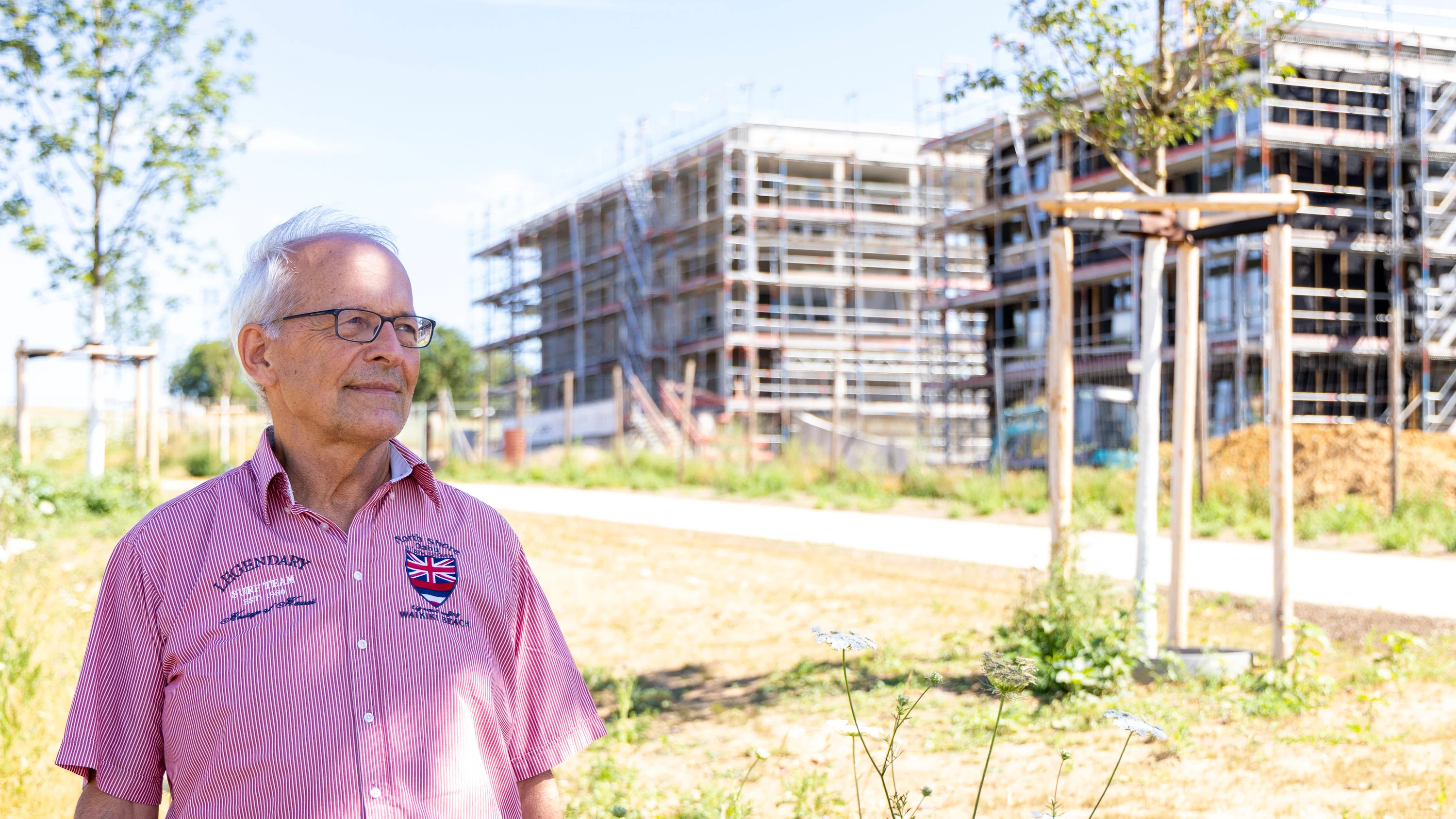
Gemeinschaftliches Wohnen: Gegen die Einsamkeit Das Projekt „Gemeinschaftliches Wohnen im Wiesbadener Stadtteil Bierstadt steht kurz vor der Vollendung. Die Warteliste für die Wohnungen ist lang.
faz · about 4 hours ago

Sărmanul demnitar „ de dreapta , milionar întreținut de soție , care și - a cumpărat casă în „ Pipera Bruxelles - ului
gdelt bot · about 4 hours ago
Wohnen und Mieten als Wahlkampfthema: Wohnungsbau auf dem Tempelhofer Feld Wohnungsnot trifft auf grüne Oase: Das Tempelhofer Feld wird im Wahlkampf zum Zankapfel. Architekten, Naturschützer und Politiker haben verschiedene Ideen.
tagesspiegel · about 4 hours ago
Soukromého majitele nakonec Jindřišská věž v Praze nedostane. Arcibiskupství znovu oslovilo hlavní město Arcibiskupství pražské zrušilo prodej Jindřišské věže v Praze, jejího kupce hledalo několik let. Nově chce jednat jen s hlavním městem. Jestli o prodeji, pronájmu nebo jiné spolupráci, ale neuvedlo. Prahu oslovilo arcibiskupství již v minulosti, tehdy si za prodej památky řeklo o 100 milionů korun. Věž je zatím obsazena nájemníkem.
irozhlas.cz · about 4 hours ago
Levné bydlení politikům, ne lidem. Jak vypadá bytová politika v rukou hnutí ANO? Jako vrcholné papalášství Začalo to zprávou o tom, že současná ministryně pro místní rozvoj Zuzana Mrázová užívá obecní byt v Bílině a platí za něj zcela směšné částky. Ve městě, kde lidi trápí exekuce, si politička ANO držela byt, který měl sloužit lidem v úplně jiné sociální situaci.
irozhlas.cz · about 5 hours ago

Des détectives privés payés par les CPAS pour repérer les fraudeurs qui cohabitent sans le dire ou qui ont une maison à létranger ? Si lobjectif est légitime, les fédérations bruxelloise et wallonne contestent les moyens que la ministre Van Bossuyt veut mettre en œuvre pour y parvenir. ...
la libre · about 5 hours ago

Dusits new lakeside retreat in Hokkaido has villas, open-air bathing and stunning wooden décor
news.yahoo.com · about 5 hours ago
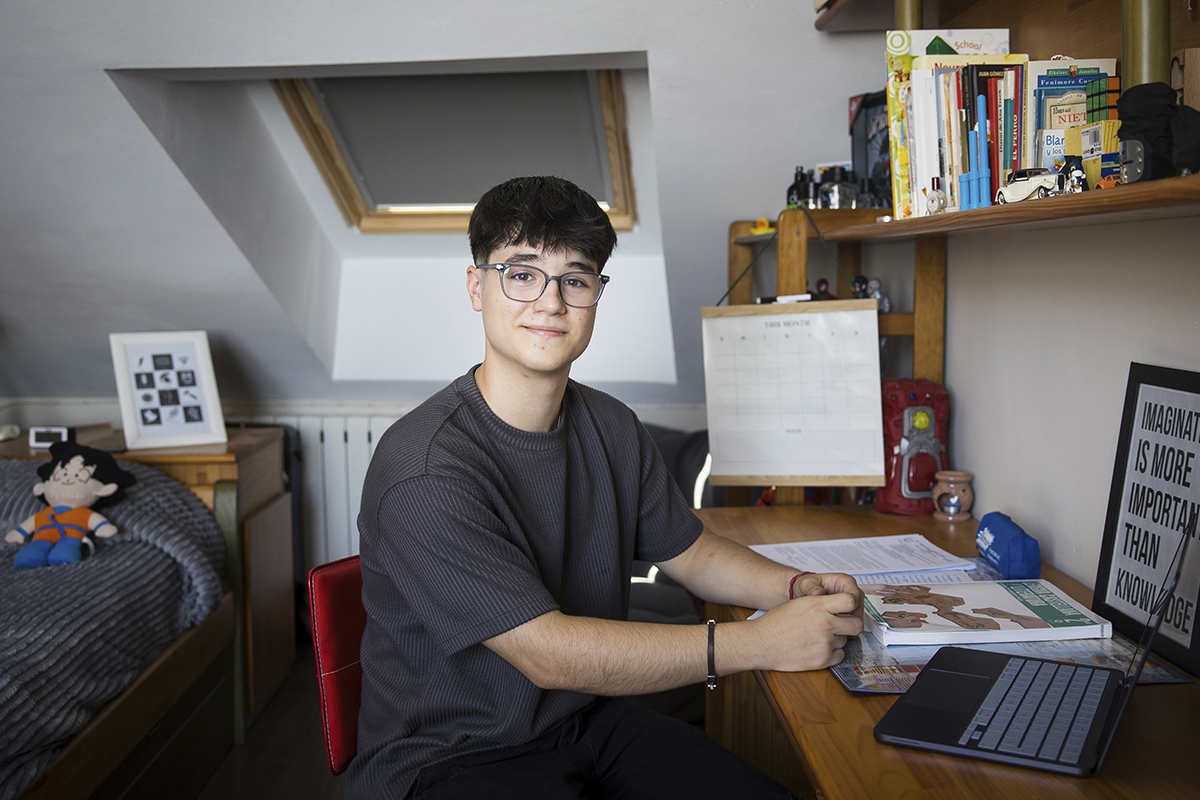
El precio del alquiler trastorna el futuro de los universitarios: "Tuve que renunciar al doble grado porque los alquileres en Sevilla eran desorbitados" La crisis de la vivienda impacta de forma crucial en miles de estudiantes españoles, que se ven obligados a renunciar a carreras y facultades por no poder asumir el coste. "Descarté primero Tenerife y luego Barcelona", lamenta Álvaro Leer
elmundo · about 5 hours ago

No fim, ninguém pede mais dinheiro Um dia, também o nosso lugar ficará vazio. A cadeira onde costumávamos sentar-nos à mesa da família será ocupada por outra pessoa. Os nossos livros passarão para outras mãos.
observador · about 5 hours ago
One United Properties a cumpărat noi terenuri pentru a extinde cel mai mare proiect rezidențial pe care îl are în construcție Dezvoltatorul imobiliar One United Properties, fondat de bancherii Victor Căpitanu și Andrei Diaconescu, a ajuns la peste 10 hectare de teren pe malul lacului Plumbuita, după 4 noi achiziții care extind semnificativ One Lake District, cel mai mare ansamblu rezidențial pe care investitorul îl are în construcție, astfel încât valoare proiectului depășește acum jumătate de …
hotnews.ro · about 5 hours ago
Airbnb: Ξεκινούν οι πρώτοι έλεγχοι σε 1.500 ακίνητα, η επιστολή που φέρνει πρόστιμα έως 20.000 ευρώ Τα e-mail έχουν ήδη σταλεί στους ιδιοκτήτες - Τι θα ζητήσουν οι ελεγκτές, ποια δικαιολογητικά πρέπει να υπάρχουν και πότε γίνεται αυτοψία
protothema · about 5 hours ago
Sucho zasáhlo Olomouc. Magistrát zakázal kvůli ochraně živočichů odebírat vodu z řeky Bystřice Olomoucký magistrát kvůli velkému suchu zakázal odebírat vodu z řeky Bystřice, Trusovického a Dolanského potoka i jejich přítoků například k zalévání zahrad a sportovišť, napouštění bazénů či umývání automobilů.
irozhlas.cz · about 5 hours ago
Potřebujeme víc moderní architektury, z měst bez inovací se stávají skanzeny, míní architekt Libeskind Daniel Libeskind je považován za jednu z nejvlivnějších osobností současné architektury a urbanismu. Mezi jeho díla patří Ground Zero na Manhattanu a Židovské muzeum v Berlíně. Nyní pomáhá proměnit pražskou čtvrť Karlín. „Architektura je pro města a jejich budoucnost velmi důležitá. I města tak bohatá na kulturní dědictví, jako je Praha, potřebují něco nového. Musíme do nich vnášet vazby na současný svět, vypráví.
irozhlas.cz · about 5 hours ago
REPORTAJ din Helsinki, orașul care poate adăposti 1.000.000 de oameni, adică toți locuitorii și încă alte sute de mii. Cum arată Merihaka, buncărul miraculos construit de finlandezi Sute de delegații străine din Europa, cu premieri și președinți, printre care și Volodimir Zelenski, au vizitat Finlanda. Toți au avut același scop: să afle de aici ce pot îmbunătăți la sistemul lor de protecție a populației, înțelegând ce au reușit finlandezii. Am vizitat buncărul-simbol din Helsinki. „Este un loc foarte plăcut, copiii adoră să fie …
hotnews.ro · about 6 hours ago
Colonia „secretă a Suediei: Cum a apărut singura așezare europeană din America de Nord care nu a purtat războaie cu băștinașii Noua Suedie a fost cea mai mică și cea mai puțin populată colonie din America de Nord. Cu toate că nu a rezistat decât 17 ani și, astăzi, aproape nimeni nu știe că a existat vreodată, colonia „secretă a Suediei a avut o contribuție importantă la nașterea Statelor Unite acum 250 de ani.
digi24 · about 6 hours ago
Gardening for birds — how to plant an avian oasis The secrets to creating the most attractive corner of ecological real estate
financial times · about 6 hours ago
Bubbel bland blommor – men ingen barexplosion En blomsterbutik, en klädaffär och ett galleri är bland de som vill servera öl och vin efter att matkravet slopats.Fast ansökningarna är på flera håll hittills färre än väntat.
svenska dagbladet · about 6 hours ago

Solos portugueses, regras canadianas Proteger o ambiente e construir mais habitação não são objetivos incompatíveis. A atual ausência de uma norma adequada não protege sequer o ambiente. Pelo contrário, e ainda encarece a construção.
observador · about 6 hours ago

Betrug auf Kleinanzeigen: 14.000 Euro für einen falschen Klick Auf Kleinanzeigen sind Betrüger unterwegs. Die Plattform tut dagegen nicht genug. Den Schaden haben die Nutzer.
faz · about 6 hours ago
Wenn Klimaschutz zur Nebensache wird [premium] Umweltminister Norbert Totschnig setzt angesichts der Hitzewelle auf thermische Sanierung. Das ist angesichts der dramatischen Situation zu wenig.
die presse · about 6 hours ago
Asuinalueet | Kivistön piti olla uuden ajan asuinalue, mutta nyt siitä ollaankin superhuolissaan Nollakorkojen aikana rakennettu Vantaan Kivistö on kärkeä toimeentulotuen saajien määrässä. Tutkija on hyvin huolissaan alueen kehityksestä. Työttömäksi jäänyt Sibghatullah Sharif taas rakastaa kotikulmiaan.
helsingin sanomat · about 6 hours ago
Vuokra-asuminen | Kuvat vuokranäytöistä kertovat asuntomarkkinan totaalisen muutoksen Tällä hetkellä on vuokralaisen markkinat, kertovat välittäjät. Aiemmin oli jopa 30 ihmisen jonot. Yksiön näyttöihin oli rappuun asti ihmisiä, mutta ei enää, sanoo kiinteistönvälittäjä Arif Hamidulla.
helsingin sanomat · about 6 hours ago
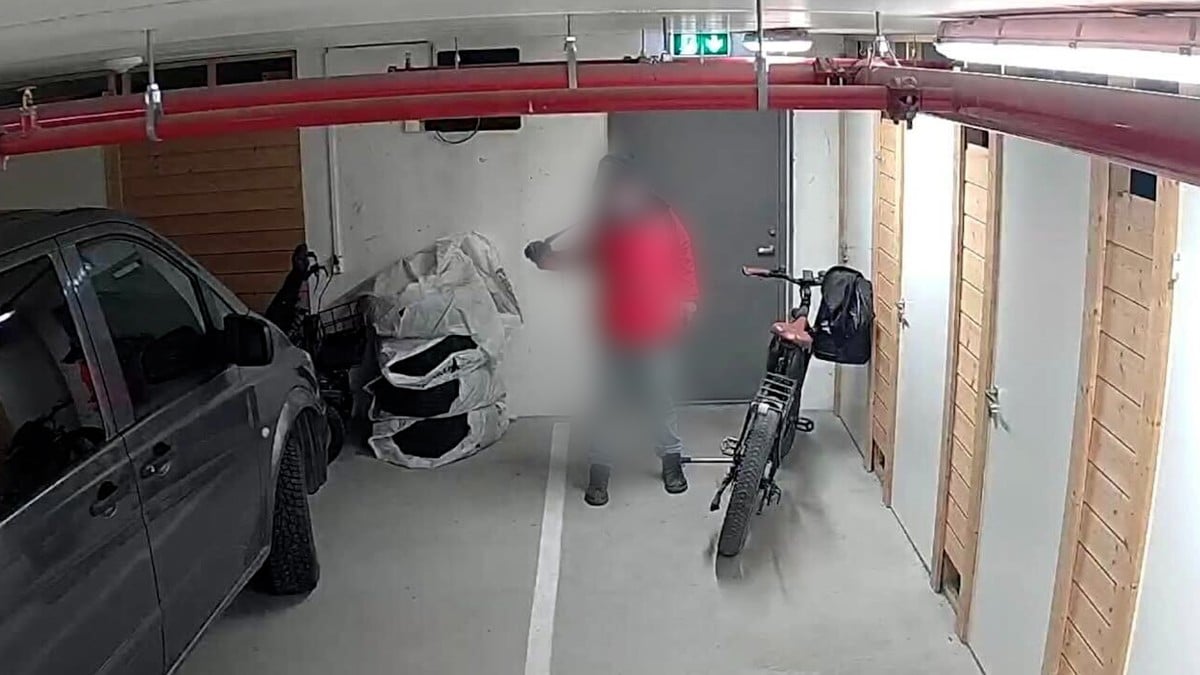
Henlegger flere saker med kjente mistenkte – politiet erkjenner kapasitetsmangel Politiets kapasitetskabal for vinningskriminalitet går ikke opp. I Skien har en innbruddsbølge skapt frykt i flere borettslag.
nrk · about 6 hours ago
Bannlysta männen driver gängen på gatorna Torg, lekparker och skolgårdar är deras jaktmarker – där göms knark och rekryteras barn.Här finns enligt polisen allt från fotsoldater till ledargestalter i de svenska gatugängen – som tar kontroll över områden och skrämmer dem som bor där.Expressen har kartlagt de 129 män som portas från såväl rika Lidingö som de mest utsatta stadsdelarna i Södertälje.✓ Utpressar och hotar barn✓ Låtsas vara civilpoliser✓ Hänger med 12-åringar✓ Portas från skolgårdar
expressen · about 7 hours ago

Saniertes Haus im Weinviertel: "Wenn ich hier bin, sehe ich leider nur die Arbeit" Rosa Holcik bewohnt gemeinsam mit ihrem Mann ein 350 Jahre altes Haus im Bezirk Korneuburg
der standard · about 7 hours ago