 Sunday, June 7Sunday, June 7
NASA orders astronauts aboard the International Space Station (ISS) to shelter in docked spacecraft and prepare for a possible emergency evacuation after a worsening air leak was detected in the Russian segment of the orbital laboratory on Friday, 5 June 2026.
The four-member Crew-12 team—American astronauts Jessica Meir and Jack Hathaway, French astronaut Sophie Adenot of the European Space Agency, and Russian cosmonaut Andrey Fedyaev—were directed by NASA to don spacesuits and move into their SpaceX Crew Dragon spacecraft as a precaution while Russian crew members attempt to locate and repair the leak in the Zvezda service module’s transfer tunnel, known as PrK . The leak, which has grown in severity, prompted NASA to elevate the station’s safety posture to a “safe haven” status, a protocol last activated during a 2021 ammonia coolant leak scare.
Roscosmos cosmonauts are working under tight time constraints to isolate the source of the air loss, which has been traced to newly developed cracks in the PrK tunnel’s structure. NASA confirmed in a statement that previous mitigation efforts by Roscosmos had temporarily contained the issue, but the leak has now escalated beyond manageable levels . “We are coordinating closely with our Russian partners and international allies to resolve this situation permanently,” a NASA spokesperson said. The agency added that the Crew-12 astronauts remain in a heightened readiness state, with escape vehicles prepped for immediate undocking if conditions deteriorate.
The incident underscores the growing fragility of the ISS, now in its 26th year of continuous operation, where aging infrastructure increasingly demands urgent attention. While the station has weathered minor leaks before, this is the first time since the 2018 Soyuz pressure hole incident that a full evacuation protocol has been activated. Mission controllers in Houston and Moscow are monitoring pressure readings in real time, with no signs yet of a life-threatening situation.
If evacuation becomes necessary, the Crew Dragon would separate from the ISS and return to Earth within hours, carrying the four astronauts to a splashdown off the Florida coast. Backup plans include the use of a Russian Soyuz spacecraft, though its availability depends on the status of the leak and docking port accessibility. NASA has not yet set a deadline for a resolution but stressed that the crew’s safety remains the “absolute priority.”
The episode arrives amid heightened geopolitical tensions that have complicated ISS operations, with NASA and Roscosmos maintaining a fragile collaboration despite broader conflicts on Earth. The space station, a symbol of post-Cold War cooperation, now faces its most serious technical challenge in years—one that tests not only engineering resilience but also the endurance of international partnerships in orbit.

LIVE: ISS astronauts shelter in spacecraft for possible evacuation following leak reports www.youtube.com/live/ImnPJlc...
bluesky bot · 1 day ago

Posádka mezinárodní vesmírné stanice dostala pokyn k možné evakuaci kvůli úniku vzduchu Posádka ISS dostala podle NASA pokyn ukrýt se v lodích a připravit se na možnou evakuaci, ruští kosmonauti se mezitím snaží opravit únik vzduchu.
irozhlas.cz · 1 day ago
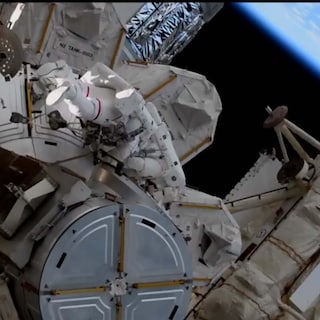
Astronauten internationaal ruimtestation ISS bereiden zich voor op spoedevacuatie vanwege lek
de morgen · 1 day ago
Nasa ber astronauter være forberedt på evakuering Astronauter om bord på Den internasjonale romstasjonen ble fredag beordret av Nasa til å søke tilflukt i romfartøyene sine og forberede seg på en mulig evakuering. Dette skjer samtidig som et russisk mannskap forsøker å tette en stadig større luftlekkasje i sin del av romstasjonen, opplyser Nasa.
nrk · 1 day ago
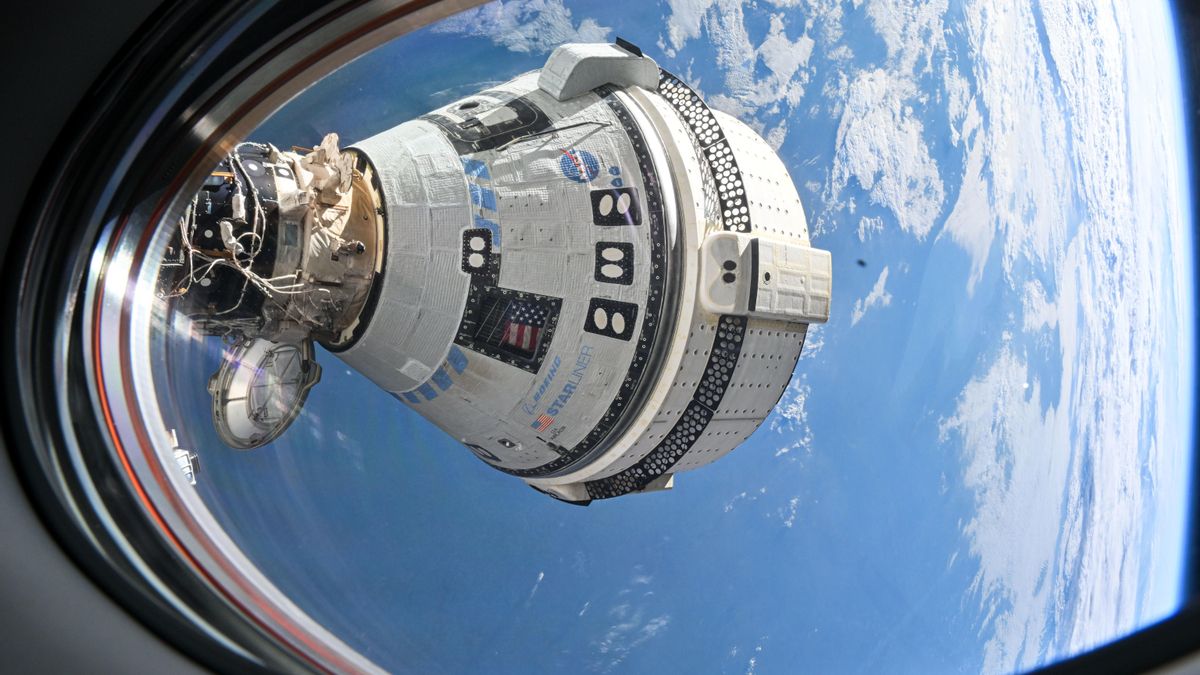
Una fuga de aire en la estación espacial obliga a los astronautas a refugiarse en una nave La tripulación rusa rusa intenta reparar esa fuga de aire que se agrava en su sección del laboratorio orbitalLa NASA encarga a Jeff Bezos empezar la construcción de una base en La Luna La NASA ha ordenado a los astronautas a bordo de la Estación Espacial Internacional que se refugien en su nave y se preparen para una posible evacuación, debido una fuga de aire. La tripulación rusa rusa intenta reparar esa fuga de aire que se agrava en su sección del laboratorio orbital. En un comunicado, la Nasa ha informado de que el túnel de transferencia del módulo de servicio Zvezda, conocido como PrK, ha sufrido grietas y fugas durante algún tiempo, y ha sido mitigado por Roscosmos en la medida de lo posible hasta la fecha. Pero ahora se han producido nuevas fugas. Por abundancia de precaución, la Nasa ha dirigido a los cuatro miembros de la tripulación SpaceX Crew-12 de la agencia y al astronauta de la Nasa Chris Williams a asumir una postura de seguridad elevada en la nave espacial Dragon mientras se realiza la reparación. Seguimos trabajando con nuestros contrapartes rusos, junto con el resto de la comunidad internacional que apoya la estación espacial, para llegar a una resolución más permanente, añaden.
eldiario.es · 1 day ago
Astronauten ISS bereiden zich voor op spoedevacuatie vanwege lek Astronauten aan boord van internationaal ruimtestation ISS moeten zich gaan voorbereiden op een mogelijke evacuatie, zo meldt NASA. Op het ruimtestation is er sprake van een luchtlek, dat steeds groter wordt.
rtl nieuws · 1 day ago
Evacuatie dreigt voor bemanning ISS, Russen proberen lek te dichten Ruimtevaartorganisatie NASA heeft de astronauten op ruimtestation ISS opgedragen naar hun ruimtevaartuig te gaan. Ze moeten mogelijk evacueren vanwege een lek. Russische reparatiepogingen hebben nog geen resultaat gehad.
nu.nl · 1 day ago

Leck in der ISS – Astronauten müssen sich in Raumkapsel zurückziehen
welt.de · 1 day ago
Leck in der ISS: Astronauten flüchten in Raumkapsel Zwischenfall auf der Internationalen Raumstation (ISS): Wegen eines Lecks musste die Besatzung in ihren Raumfahrzeugen Schutz suchen. Eine mögliche Evakuierung wird vorbereitet.
tagesspiegel · 1 day ago
Puolustus | Suomen Nato-joukot aloittavat toimintansa Ruotsi tarjoaa lauantaina aloittaviin joukkoihin noin 600 sotilaan taisteluosaston, jonka tukikohta on Ruotsin Bodenissa.
helsingin sanomat · 1 day ago
Rymdstation läcker – astronauter redo för evakuering
svenska dagbladet · 1 day ago
Filtrage des malades via le 15 : la ministre de la Santé, Stéphanie Rist, présente un plan pour limiter la casse aux urgences cet été Tri des patients, réorientation des «passages évitables» vers la médecine de ville, recours accru au 15, fermeture de services : la ministre a annoncé ce vendredi 5 juin une série de mesures, dont certaines recyclées ou non financées, pour espérer limiter la surchauffe.
liberation · 1 day ago
Nasa: Astronauti della Stazione spaziale internazionale in modalità evacuazione per perdita daria Lincidente è avvenuto nel segmento russo
corriere · 1 day ago

Die Karrierefrage: Wann darf ich sesshaft sein? Viele Unternehmen erwarten, dass Mitarbeiter für sie den Wohnort wechseln. Was aber, wenn Arbeitnehmer das nicht wollen? Eine Psychologin gibt Tipps, Personalverantwortliche von SAP und BCG verraten, was für sie zählt.
faz · 1 day ago
Doubts grow over future of 60 Minutes after firing of Scott Pelley Turmoil continues at CBS News. As bosses defend the firing of longtime "60 Minutes" correspondent Scott Pelley, many journalists are questioning the networks strategy. Newsroom shake-ups usually occur at failing programmes, but "60 Minutes" has led ratings for years, if not decades. This weeks guest on FRANCE 24s media show "Scoop" is Susie Banikarim, a columnist for the Columbia Journalism Review.
france24 · 1 day ago

Ryan Tubridy warns terrestrial television is in trouble due to the clip economy The former Late Late Show host said it would be a great shout for Patrick Kielty to make it more serious again.
thejournal · 1 day ago

When the lights go out, Wi-Fi is only the first problem A major blackout would test Slovakias grid, companies contracts, and leaders ability to communicate. Experts say firms must prepare for a crisis in which digital channels may disappear.
spectator.sme.sk · 1 day ago
Amsterdam streets close as emergency vehicles bring sick kids on joy ride to Artis Multiple streets will be closed in Amsterdam this afternoon as a parade of emergency vehicles bring kids to Artis Zoo for the KinderBeestFeest -
nltimes.nl · 1 day ago
US Marines training with Estonias navy during BALTOPS exercise The U.S. Marine Corps is training with the Estonian Navy as part of BALTOPS, the largest naval exercise in the Baltic Sea, where personnel will cooperate in surveillance and maritime situational awareness.
news.err · 1 day ago
International Space Station astronauts told to prepare for possible evacuation over air leak – live Russian crew member attempting to fix a worsening leak of air on its portion of the orbital laboratory, NASA saidThe astronauts ordered by NASA to prepare for a possible evacuation on Friday are part of NASAs SpaceX Crew-12 mission.American astronauts Jessica Meir and Jack Hathaway, French astronaut Sophie Adenot of the European Space Agency and Russian Roscosmos cosmonaut Andrey Fedyaev make up the 12th crew rotation with SpaceX for NASAs commercial crew program. Continue reading...
theguardian · 1 day ago
NASA Astronauts Prepare For Possible Emergency Evacuation Due To Station Air Leak WASHINGTON, June 5 – Brussels Morning Newspaper — NASA Air Leak Updates confirm that astronauts aboard the International Space Station (ISS) were ordered to shelter in their docked SpaceX Crew Dragon spacecraft today as a worsening air leak threatens the structural integrity of the orbiting laboratory. The directive, issued early Friday, requires the four-member Crew-12 team to don […]
brussels morning · 1 day ago

Eskom signs LNG deal to supply its planned 3,000 MW gas-fired Richards Bay project reut.rs/4e3KNc7
bluesky bot · 1 day ago