 Sunday, June 7Sunday, June 7
The U.S. Senate on Thursday advanced a sweeping $52 billion funding package for Immigration and Customs Enforcement (ICE) and Border Patrol through the end of President Donald Trump’s second term, defying a bipartisan rebellion that exposed deep fissures within the Republican Party. The final vote, 52-47, came after an 18-hour “vote-a-rama” marathon in which senators offered more than 100 amendments, many aimed at dismantling Trump’s policy priorities. Seven Republican senators joined Democrats to block funding for a controversial “anti-weaponization fund,” but the effort failed due to a 60-vote threshold. The outcome underscores growing unease among GOP lawmakers over Trump’s second-term agenda, as polling shows his political standing eroding and his influence over the party waning.
The funding package, which includes $28 billion for ICE and $24 billion for Border Patrol, sailed through despite opposition from vulnerable Republicans like Senators Susan Collins (Maine), Jon Husted (Ohio), and Dan Sullivan (Alaska), who broke ranks to support Democratic amendments targeting Trump’s priorities. Senate Majority Leader John Thune (R-S.D.) relied on Senator Bill Cassidy (R-La.) to help defeat a Democratic proposal to strip funding from the “anti-weaponization fund,” a move that allowed Husted and Sullivan to distance themselves from Trump without derailing the bill. “This is one of the first meaningful breaks with the president for senators who face tough reelection battles,” said a senior GOP aide.
The vote-a-rama also revealed Republican divisions over Trump’s nomination of Bill Pulte, the acting director of national intelligence, whom many in the party privately view as unqualified. Enough Republicans joined Democrats to block a procedural vote on renewing Section 702 of the Foreign Intelligence Surveillance Act (FISA), complicating efforts to extend the surveillance program before its June 12 expiration. The failure to advance FISA renewal came just hours after the ICE funding bill passed, signaling broader discontent with Trump’s second-term agenda.
Meanwhile, the House on Thursday defied Trump by passing a $61 billion aid package for Ukraine and imposing new sanctions on Russia, with 18 Republican lawmakers breaking ranks to support the measure. The bipartisan vote, 220-213, marks another symbolic defeat for Trump, who has repeatedly urged Congress to cut off military assistance to Kyiv. “This is a clear message that the Republican Party is not a monolith,” said Representative Michael McCaul (R-Texas), chair of the House Foreign Affairs Committee.
Trump’s domestic and foreign policy struggles are compounded by controversies over his pet projects, including a lavish $500 million White House ballroom and a proposed promenade in Washington bearing his name. Legal challenges and public backlash have dogged both initiatives, with the Kennedy Center removing Trump’s name from official documents. Critics argue that his tariff policies, aimed at combating forced labor, are unlikely to address global supply chain abuses and risk alienating key allies like Singapore, which has warned that Trump’s trade measures are testing its patience.
As Trump’s second term enters its 501st day, the fractures within his party and the erosion of his political capital suggest a presidency increasingly isolated from both Congress and the American public.
Senate defies Trump: 52 billion ICE funding advances despite GOP rebellion

Colombian president accuses Trump of backing drug traffickers Colombian President Gustavo Petro accused Donald Trump of aligning Washington with narco-paramilitary forces by endorsing conservative candidate Abelardo de la Espriella, warning that the US is helping bring criminal networks to power ahead of the June 21 runoff.
yenisafak · 1 day ago
Reisen in die USA: Wegbleiben wegen Trump? In die USA, während dieser Präsident regiert – für viele kommt das nicht infrage, auch nicht zur Fußball-WM. Fühlt sich moralisch richtig an, ist aber nicht sehr klug.
die zeit · 1 day ago

USA unter Trump: Pentagon stellt verurteilten Kapitolstürmer ein Liveticker zur US-Politik unter Donald Trump aktuell: Aktuelle News & Nachrichten von heute ► Jetzt lesen im Liveticker der FAZ
faz · 1 day ago

Whats in the Trump administrations "tsunami" of gun deregulation The Trump administration is undertaking the broadest firearm deregulation in years, a sweeping rollback that would let Americans ship handguns in the mail, gut Biden-era background check rules and make it harder to yank a gun dealers license.Why it matters: The effect critics fear is more guns moving with less federal scrutiny under the proposed dismantling of a 1927 criminal statute and dozens of newer rules, including President Bidens effort to close the so-called gun show loophole.The Bureau of Alcohol, Tobacco, Firearms and Explosives argues the proposed changes reduce burdens on gun owners without undermining law enforcement. But gun violence prevention advocates stress the rollbacks benefit the gun industry at the expense of public safety.Driving the news: In late April, the ATF unveiled nearly three dozen final and proposed rules it pitched as "modernizing" regulations. In 2024, Bidens ATF used the Bipartisan Safer Communities Acts expanded definition of who counts as a gun dealer to issue a rule aimed at closing the "gun show loophole." Just around two years later, Trumps ATF wants to scrap it."This is, to us, absolutely the gun industrys wish list," says Kris Brown, the president of Brady: United Against Gun Violence, who noted industry leaders were present when the proposals were announced.Yes, but: A recent investigation from The Trace of cases in which prosecutors charged people for dealing firearms without a license found that the Biden-era rule didnt meaningfully enhance enforcement.Zoom out: Other proposed changes would make it easier to transport firearms, remove the mandate that licensed sellers provide youth handgun safety notices, and clarify standards in ways that critics say will make it harder to revoke dealers licenses.Separately, the U.S. Postal Service is proposing allowing people to mail handguns under the same rules as lawful rifles and shotguns after the Justice Departments Office of Legal Counsel concluded earlier this year that the roughly century-old ban was unconstitutional.The ban creates a "massive and needless headaches for law-abiding gun owners," the National Rifle Associations lobbying arm argues. But opponents argue the change could increase the risk of firearms being stolen, skirt background checks and state law, and embolden traffickers.The fine print: The ATF acknowledged in its own proposal that some changes could endanger people.In a proposed rule narrowing who is mentally unfit to have a gun, ATF notes, "This risk may be minimal, or may be considerably greater (up to and including potential mass casualty events).""They know it raises the risk of mass shootings. They know that violent crime is likely to go up. They know its going to hinder law enforcement, and they do it anyway," Brown tells Axios. Reality check: The policy shift isnt a huge surprise, says Joseph Blocher, Duke Universitys faculty director of the Center for Firearms Law. But its also a "major, major, major pivot from what we saw from 21 through 25."What theyre saying: Gun industry and Second Amendment advocates celebrated the long-sought changes. Lawrence G. Keane, the National Sports Shooting Foundation senior vice president, described the regulatory rollback as "the dawning of a new era." ATF says the changes follow President Trumps order to reexamine regulations and were not made to please the gun lobby."The repeal of the regulation has no effect on the scope of the law and signals that ATF will abide by the laws enacted by Congress," an agency spokesperson said in a statement to Axios.The other side: Daniel Webster, a professor at Johns Hopkins Center for Gun Violence Solutions, argues the proposed rules favor the gun industry over public safety. "This is a green light to the segment of the gun industry that profits from crime and gun violence," he says.Webster said the changes align with the DOJs goal of shrinking the team of inspectors who monitor licensed dealers.The bottom line: The exact impact of the proposals and their final forms are yet to be seen, but opponents say they amount to a tsunami of deregulation.But Browns prediction is grim: "We think it is going to be the worst delivery of regression in the history of the country in terms of gun violence prevention."Go deeper: HHS drops surgeon generals advisory on gun violence
axios · 1 day ago
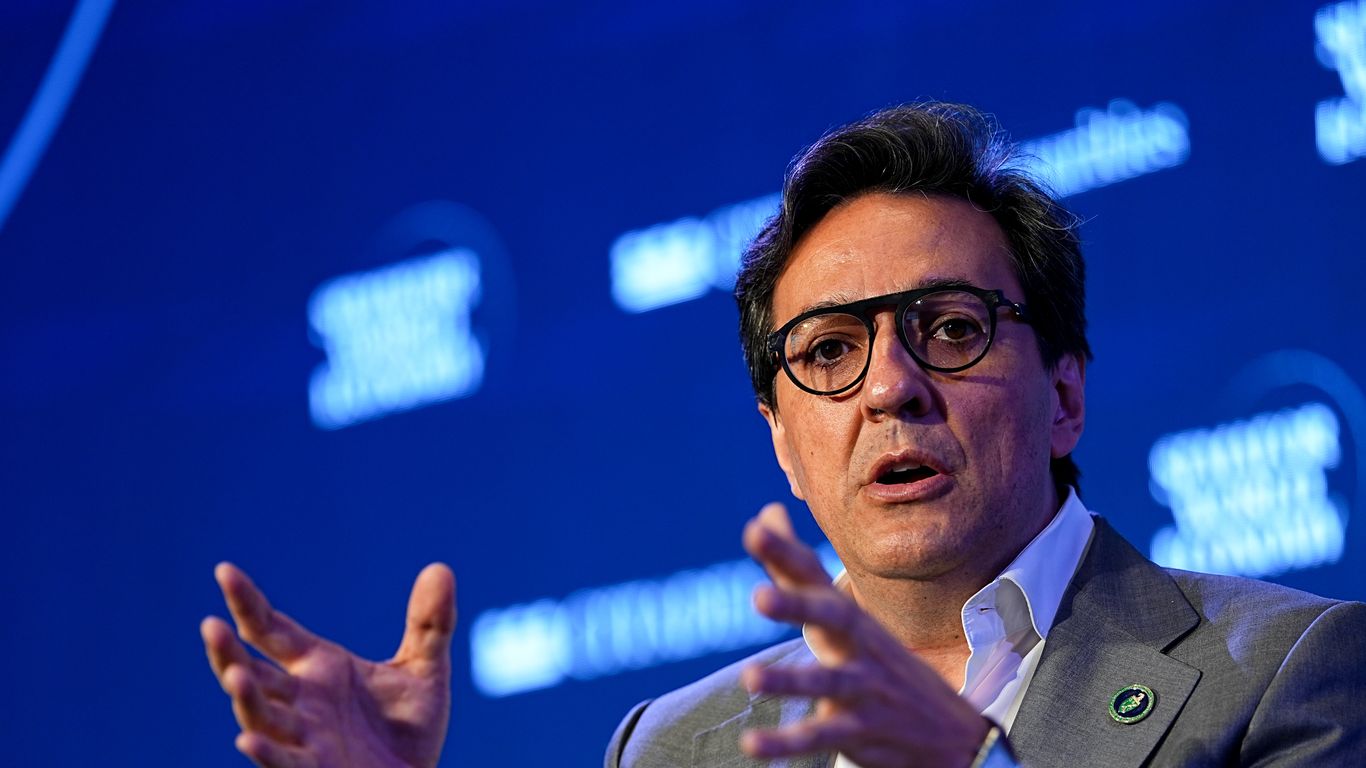
Meet the official quietly leading Trumps science and tech push Energy Department undersecretary Darío Gil is taking a long-term view of science and technology. Why it matters: While President Trumps second term has been marked by high-drama fights over AI policy, Gils been working behind the scenes to strengthen U.S. competitiveness in science and tech. The big picture: A familiar pattern is unfolding in AI policy. An AI lab comes out with a frighteningly powerful model, sending officials scrambling, and states advance AI laws — which spark congressional efforts to get a federal standard in place.Gil is trying to spearhead a different approach where the federal government plays a larger role in shaping emerging technologies before crises emerge or competitors like China gain an advantage."The posture that the U.S. government should have towards AI is much more proactive," Gil, who spent decades leading IBMs research team before joining the administration, told Axios.Zoom in: Gil has been at the forefront of the Genesis Mission, an effort to boost science and technology research and development and to encourage government information sharing with industry, academia and other scientific institutions.The program reached a major milestone this week, when the Energy Department and Japan struck a $1 billion information sharing partnership, expanding Genesis internationally.Gil said that the program has received a record number of submissions from universities and scientific institutions looking to participate, with over 5,000 unique proposals coming in."It is the record in the history of the Department of Energy, like two and a half times the next largest solicitation," Gil said.For his efforts to stand the test of time and future political headwinds, two key things need to happen, Gil said.One, Congress has to appropriate more money to science R&D. And two, lawmakers need to pass a bipartisan law codifying the Genesis Mission."Im having very active discussions again in this philosophy in a bipartisan manner, talking to everybody whos interested… both in the House and the Senate."Friction point: Gils ambitions will collide with a major challenge: funding.Critics say that the administrations research goals are difficult to reconcile with cuts to federal science agencies.The Center for Strategic and International Studies Navin Girishankar said that the goal of strengthening U.S. science leadership is hard to square "without a complete turnaround or a significant shift in the four decade long reduction in public spend on R&D."Zoom out: Gil highlighted fusion energy and quantum computing as two of the scientific breakthroughs that excite him the most.Gil said that fusion is one of the most "inspirational" problems to solve that would be "civilizational" in terms of its impact: "Its essentially building a little star on Earth."Gil also said he wants to see a fault-tolerant quantum computer that would operate correctly in the presence of errors in the next few years.What were watching: The department expects to announce its first Genesis awardees this summer, Gil said, with hundreds of teams potentially participating in the programs first cohort.
axios · 1 day ago
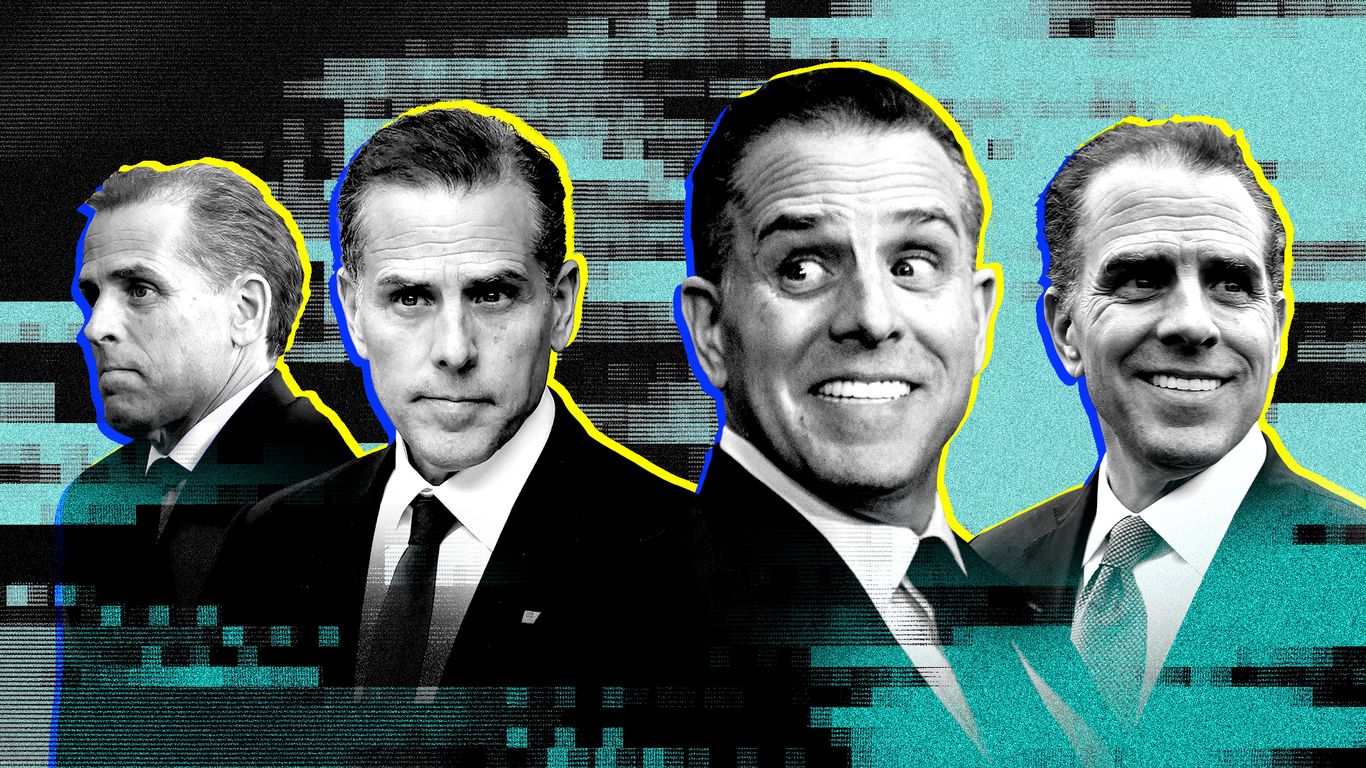
"Someone called me the MAGA whisperer": Hunter Biden charms his trolls Hunter Biden is staging one of the most unlikely reinventions in politics, attempting to charm and disarm the internet trolls who feasted on the darkest moments of his life.Why it matters: Former President Bidens 56-year-old son spent years as the ultimate MAGA villain, staying largely silent as his addiction, legal troubles and personal life were used as a cudgel against his fathers presidency.Now seven years sober, Hunter Biden has re-emerged with a raw, self-deprecating candor that is drawing grudging respect — and even empathy — from some of his former tormentors.Zoom in: Bidens unlikely charm offensive began last month with a nearly two-hour interview with Candace Owens, the conservative podcaster and conspiracy theorist who had spent years mocking his addiction.The surprisingly warm conversation began with an olive branch: "Ive heard you call me a crackhead many times," Biden told Owens. "And the truth of it is, I was a crackhead."Owens, citing addiction in her own family, apologized and admitted to treating Biden as a "caricature" rather than a person. "It means the world," an emotional Biden replied.This week, Biden took that humility to X, where hes begun directly engaging critics and trolls with the same unflinching honesty and dark humor.When one user accused him of being the mystery culprit who left a bag of cocaine at the White House in 2023, Biden shot back: "It most definitely was not. I would never have forgotten my drugs."When a MAGA account said shed rather "live under a rock than smoke it," Biden replied: "Me too. It was awful." Her tone softened: "Glad youre off that stuff. Hope you stay clean. You deserve a better life than you were living."Between the lines: Bidens softer public image has come with a sharp political edge.He has used his own scandals as a populist contrast against Trumpworld — arguing that MAGA spent years obsessing over a supposed "Biden crime family" while ignoring the Trump familys profiteering.In the Owens interview, Hunter portrayed his father as an outsider to elite corruption, saying Joe Biden was "never part of the Epstein class" and never turned public office into a personal business opportunity.On X, he has attacked CNNs Jake Tapper — co-author of "Original Sin," the bestseller on Joe Bidens decline — for panning Jill Bidens new memoir while, in Hunters telling, giving Trump and his family a pass. (Disclosure: "Original Sin" was co-authored by Axios reporter Alex Thompson.)The other side: Not everyone is buying the reinvention.Much of MAGA world remains unmoved, with prominent influencers arguing that Biden owning his addiction does nothing to answer the corruption questions theyve long raised.Some critics argue the Owens détente came at a cost: To win her over, Biden indulged her conspiracy theories — about Charlie Kirks killing, about Trumps assassination attempts, about Israels influence over America — and bonded over a shared sense of elite victimhood.The bottom line: No one seems more amused by Hunter Bidens new viral fame than Hunter Biden."WTF timeline are we on," he posted Thursday after someone called him "the MAGA whisperer" — a title he said he would "gladly take."He went on to accuse the "Epstein Elite Oligarch class" of deliberately dividing Americans, before delivering a closing manifesto:"Love your neighbor. Be yourself. Radical honesty. No f*cks given, no f*cks taken. Everything else is just noise."
axios · 1 day ago
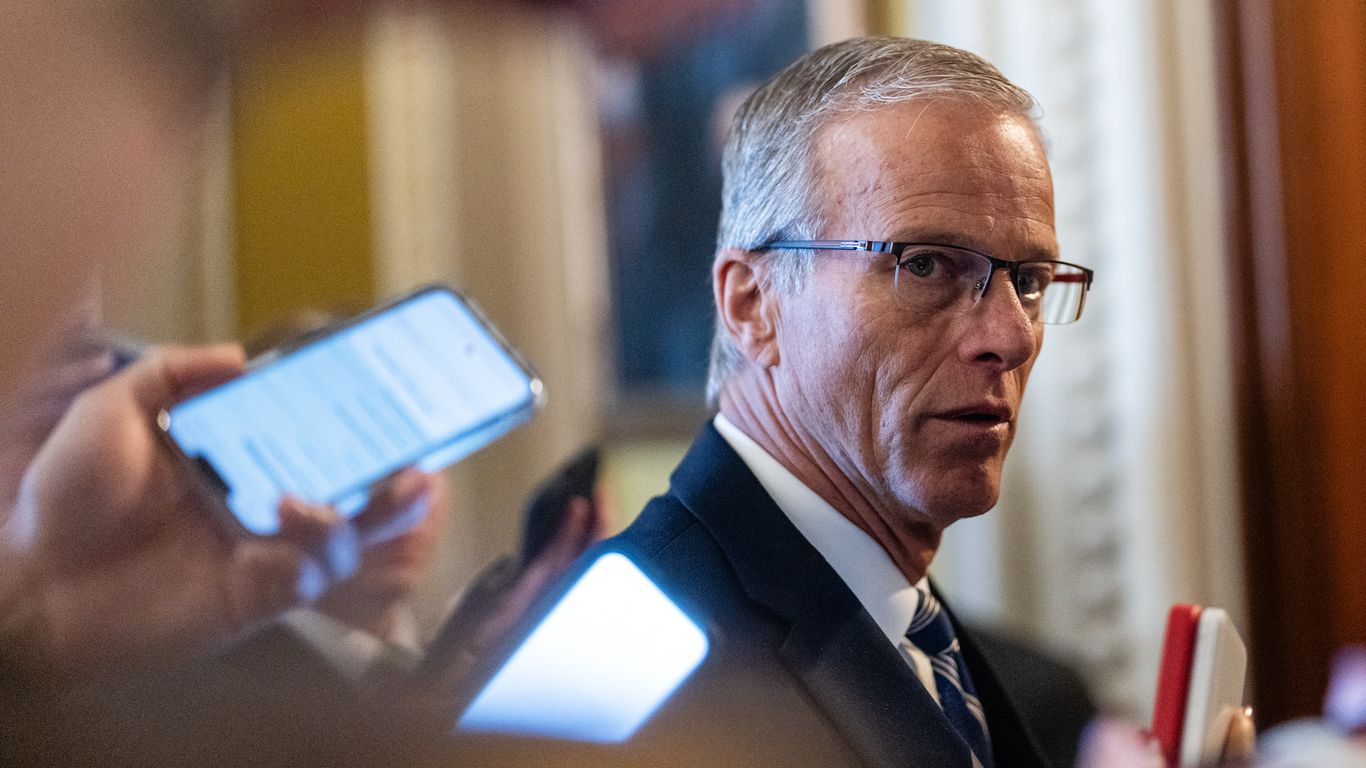
Senate advances ICE funding through Trumps second term Senate Republicans advanced ICE and Border Patrol funding through the end of President Trumps second term, after beating back multiple amendments targeting his priorities during an 18-hour "vote-a-rama."Why it matters: The party-line vote had been deeply in doubt over the past weeks, as senators revolted against the "anti-weaponization fund" and spending requests for the presidents White House renovations. The final vote was 52-47, with Sen. Lisa Murkowski (R-Alaska) voting "no" and Sen. Michael Bennet (D-Colo.) not voting. The "vote-a-rama" allowed senators to offer unlimited amendments, forcing GOP leadership to repeatedly defeat amendments that targeted the two Trump provisions.Zoom in: In the votes opening act — a series of Democratic amendments designed to force uncomfortable votes for Republicans — Senate Majority Leader John Thune (R-S.D.) relied on Sen. Bill Cassidy (R-La.) to help defeat a Democratic proposal targeting the "anti-weaponization fund."Cassidys vote allowed a pair of politically vulnerable Republicans — Sens. Jon Husted (Ohio) and Dan Sullivan (Alaska) — to side with Democrats without jeopardizing the amendments defeat.For both senators, it marked one of their first meaningful breaks with a president whose political standing appears to be sliding.The vote failed, 49-50. Sen. Susan Collins (R-Maine), who is also vulnerable but was expected to vote with Democrats, joined Husted and Sullivan in voting for the amendment.Between the lines: On Trumps ballroom, the universe of Republicans willing to buck their party expanded, with seven GOP senators voting with Democrats to bar any funds for it. But the threshold for that vote was at 60, leading it to fail.Collins, Husted and Sullivan again voted with the Democrats.But so did Sens. Jerry Moran (R-Kan.), Thom Tillis (R-N.C.), Murkowski and Cassidy. Moran is up for reelection in 2028.Zoom out: The vote-a-rama comes as Senate Republicans grapple with deteriorating polling and a series of Trump decisions that have led some GOP senators to question his political judgment.Many Republicans are privately skeptical of Trumps choice of FHFA Director Bill Pulte as acting director of national intelligence.Trump sought to ease concerns by saying Thursday that Pulte would not be his permanent nominee — a move aimed in part at preventing the nomination from complicating the reauthorization of Section 702 of FISA.But enough Republicans joined Democrats in voting to block a procedural vote on FISA renewal that the vote failed shortly after reconciliation advanced early Friday morning.
axios · 1 day ago
Government immigration policy largely absent from coalition agreement, far-right wing policitian says Inger Støjberg, leader of Danmarksdemokraterne, the Denmark Democrats, criticized Denmarks newly formed coalition government on Friday, saying immigration policy is largely missing from its political platform. Speaking during a Constitution Day address in Fruerlundparken in Øster Hurup, Støjberg compared the creation of the new government to her time in woodworking class at school. It is […]
cphpost · 1 day ago
Washington Is Testing Singapores Patience Donald Trump is working hard to alienate yet another strategic partner.
foreignpolicy.com · 1 day ago

Scientists warn Trump plan to axe US ocean monitoring system will leave world flying blind Experts say dismantling the ocean observation system will severely degrade the accuracy of weather predictionsThe Trump administrations plan to dismantle an ocean observation system vital to understanding the climate crisis and marine ecosystems would severely degrade the accuracy of weather predictions and El Niño forecasts, with economic consequences for the US, European and American scientists have warned.Decommissioning the US system, which plays a major part in a global ocean observation network, would lead to a massive increase in error in the annual estimates of ocean heating rates, according to research published last month. Continue reading...
theguardian · 1 day ago

Congress wants to tie the United States to Israel with new piece of legislation. Its a trap | Eli Clifton and Ian Lustick Israel and its lobby will use section 224 of the National Defense Authorization Act to bind the US to a state that has gone rogueCongress is considering legislation that would embed Israels military deeply within the US military-industrial complex. Stunned by the cratering of public support for Israeli policies in Gaza, Lebanon and the West Bank and towards Iran, Israels advocates are frantically seeking to preserve and even escalate US support for the Jewish state in ways that do not rely on defense of its policies or permit scrutiny of the manipulations involved.Politically, this means avoiding public discussion of Israeli policies in Gaza, Lebanon, the West Bank or Iran and disguising the sources of massive amounts of money pouring into election races to defeat candidates raising questions about US support for Israel. The proposed legislation shows what this means bureaucratically. Continue reading...
theguardian · 1 day ago
După sala de bal de la Casa Albă, Donald Trump are o nouă ambiție: o promenadă în inima Washingtonului care să-i poarte numele Președintele american Donald Trump a anunţat joi intenţia de a construi o promenadă care să îi poarte numele în apropierea Lincoln Memorial, clădire emblematică din capitala Washington, transmite AFP, citată de Agerpres. Preşedintele american a declarat că aleea va lega impunătorul monument din marmură albă, ridicat în onoarea ilustrului său predecesor Abraham Lincoln, de râul Potomac, care curge în apropiere.
digi24 · 1 day ago
Sfidare la adresa lui Trump. Camera Reprezentanţilor a aprobat un ajutor pentru Ucraina şi sancţiuni împotriva Rusiei Peste o duzină de parlamentari republicani au sfidat propria conducere — şi pe preşedintele Donald Trump — votând alături de democraţi pentru aprobarea unui proiect de lege important care prevede acordarea unui ajutor de miliarde de dolari Ucrainei şi impunerea unor sancţiuni severe împotriva Rusiei.
digi24 · 1 day ago
USA: „Es ist zu einem Zirkus ausgeartet Donald Trump feiert Geburtstag – seinen und den der Vereinigten Staaten, in dieser Reihenfolge. Darum ist Washington jetzt eine Großbaustelle für allerlei Festspiele. Doch nicht alle sind begeistert.
sueddeutsche · 1 day ago
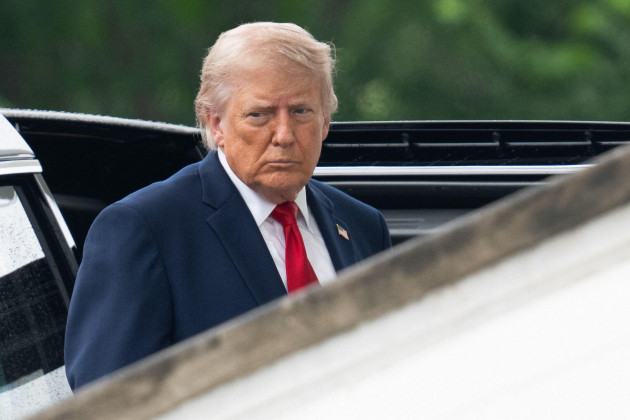
Trump cancels concerts to mark 250th birthday of the US after artists pull out The 79-year-old president has said he will hold a mass rally in Washington on 24 June instead.
thejournal · 1 day ago
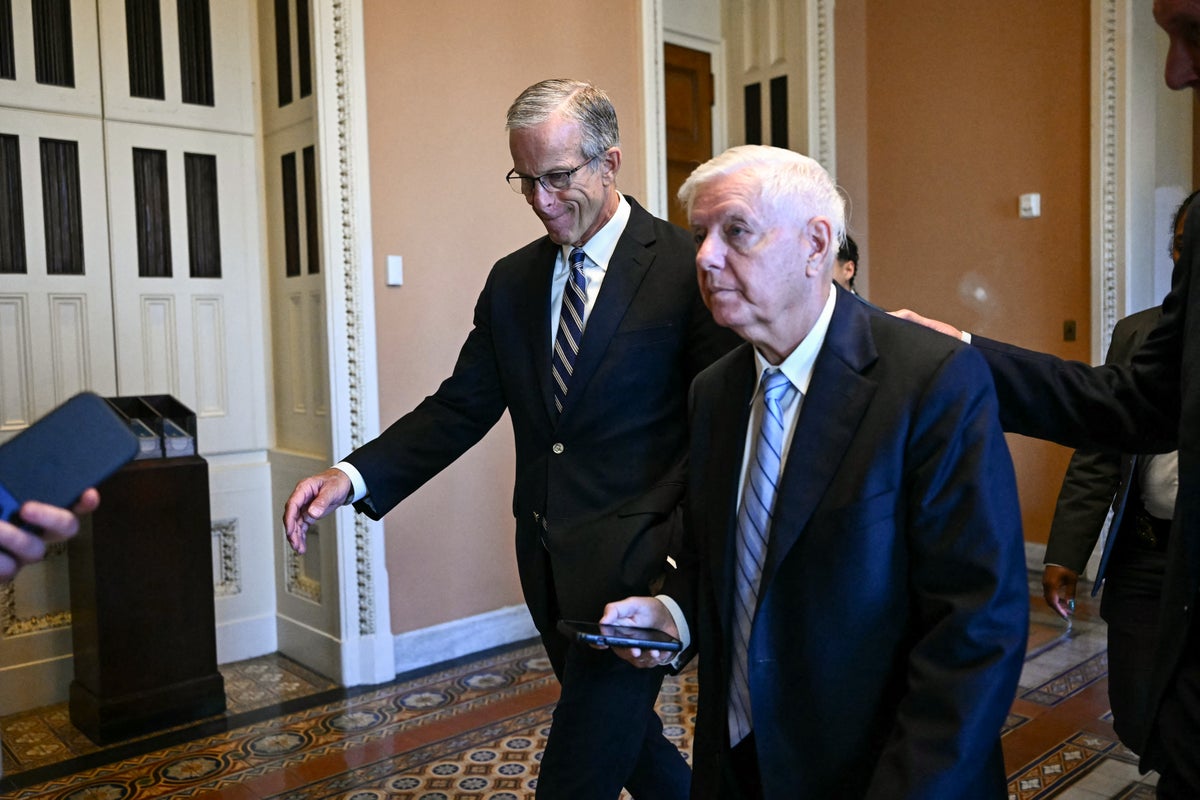
Trumps pet project turns a simple vote into an all-night mess Democrats and a faction of Republicans have been actively seeking to permanently block the creation of this fund, which is designed to compensate individuals who claim political persecution
independent · 1 day ago
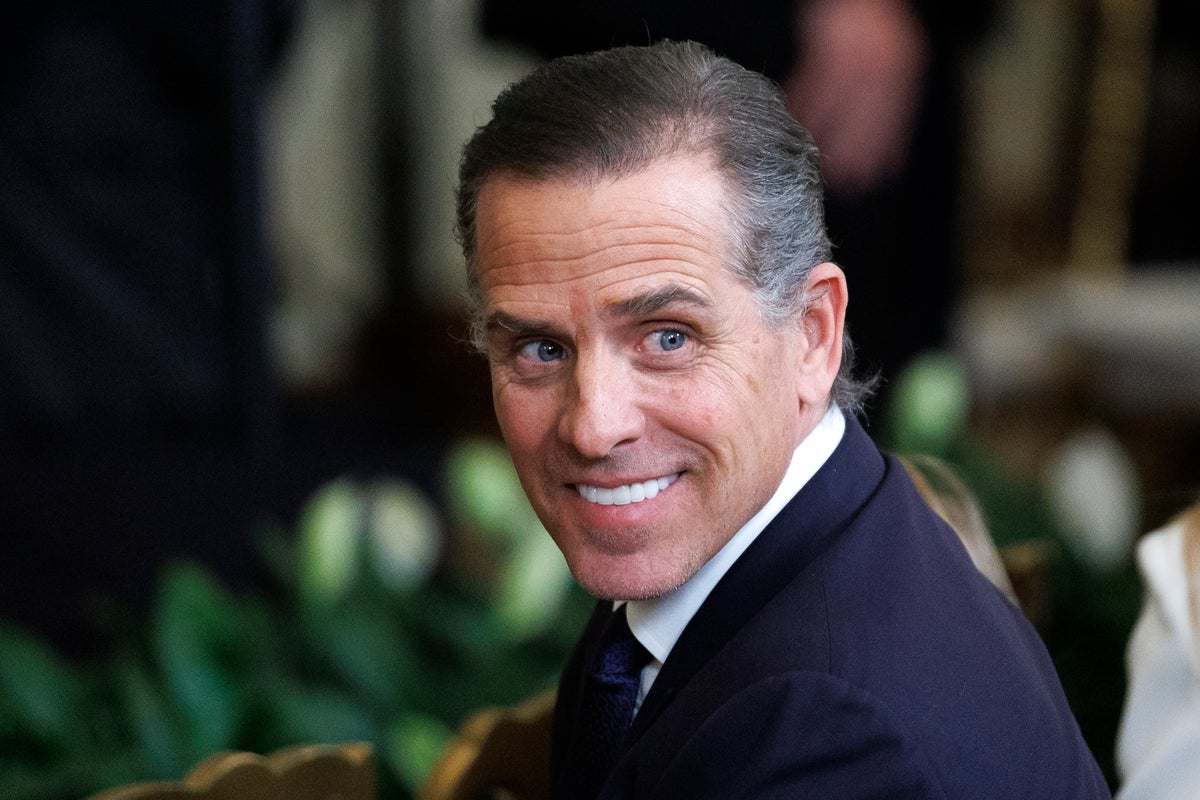
Hunter Biden trolls Trump over Epstein bromance after president takes swipe at his troubled past Trump says Joe Bidens sons past is not that great and might stop him winning the White House should he run in 2028, drawing a sharp response from the former executive
independent · 1 day ago

Senate Republicans pass bill authorizing $70bn for immigration enforcement in vote-a-rama – US politics live Republican senator Lindsey Graham said he was very proud of my Republican colleagues for… making sure that Border Patrol and ICE are fully fundedSenate Republicans early Friday passed a bill that would provide the Department of Homeland Security with nearly $70 billion in new funds for immigration enforcement.The vote came after a more than 18-hour vote-a-rama, a process by which senators offer amendments to bills passed using the reconciliation procedure. The Senates Democratic minority leader, Chuck Schumer, had said earlier this week that he would use vote-a-rama to force Republicans into publicly defending the policies of Donald Trump, a move that ultimately forced Senate Republicans to drop their attempt to spend $1bn on security improvements for Trumps White House ballroom.New abuse allegations have emerged against Greg Platner, a Democratic candidate for the Senate. Platner, a progressive running for election in Maine, has rejected the new report published on Thursday in the New York Times that included an interview with a Republican operative who accused him of womanizing, physical misconduct and making troubling comments about rape.Trump has suggested that his controversial ally Bill Pulte will investigate rigged elections while serving as the countrys top intelligence official. Pulte, whom Trump appointed as acting director of national intelligence earlier this week, is a very smart guy, Trump claimed on Thursday, and you may find out some things about the rigged elections, etc, etc.Pam Bondi on Thursday told lawmakers before the House oversight and reform committee that Todd Blanche, the man Trump has lined up to replace her, was in charge of the the US Department of Justices controversial handling of the Jeffrey Epstein files. Continue reading...
theguardian · 1 day ago
Controverse în jurul noilor taxe dorite de Trump: de ce ofensiva tarifară a liderului SUA împotriva muncii forțate nu convinge experții Amenințarea președintelui Donald Trump de a impune noi taxe vamale partenerilor comerciali pe care SUA îi acuză că nu iau măsuri împotriva muncii forțate nu va contribui prea mult la combaterea sclaviei moderne - și ar putea chiar agrava situația, afirmă experții, grupurile de afaceri și unele organizații pentru drepturile omului. În cea mai recentă ofensivă comercială, administrația Trump a propus taxe suplimentare de 10 sau 12,5 asupra importurilor din 60 de țări pentru că nu au reușit să limiteze comerțul cu bunuri fabricate prin muncă forțată, o afirmație respinsă de partenerii comerciali ai SUA, arată Reuters într-o analiză.
digi24 · 2 days ago
Seit Jahrzehnten karikierten Robert Crumb und Garry Trudeau Donald Trumps Machenschaften [premium] Was kann Satire bewirken, die aufklären will? Robert Crumb und Garry Trudeau karikierten in ihren Comic-Strips seit Jahrzehnten Trumps Machenschaften. Zwar konnten sie Trumps zweimalige Wahl zum US-Präsidenten nicht verhindern, aber ihm zumindest einige Nadelstiche versetzen.
die presse · 2 days ago
Washington, D. C.: Kennedy Center streicht Donald Trumps Namen aus Dokumenten Auf Anweisung sollen Angestellte des Kennedy Centers Trumps Namen »sofort« aus E-Mail-Signaturen und Briefköpfen entfernen. Dem war ein Gerichtsurteil vorausgegangen.
die zeit · 2 days ago
US Senate blocks Trump-backed SAVE Act on citizenship proof The US Senate voted down the SAVE America Act on Thursday, rejecting a sweeping Republican overhaul that would have mandated documented proof of citizenship for voter registration and handing President Donald Trump a legislative defeat on his signature election integrity proposal.
yenisafak · 2 days ago
US House approves Ukraine aid and Russia sanctions The US House of Representatives approved legislation Thursday to provide $1.8 billion in aid to Ukraine and tighten sanctions on Russia, advancing the measure to the Senate where it faces a steep climb to reach the 60-vote threshold and a likely veto from President Donald Trump.
yenisafak · 2 days ago