 Sunday, June 7Sunday, June 7
The World Health Organization has issued a stark warning about a post-travel hygiene habit that is quietly fueling the spread of antibiotic-resistant bacteria and dangerous pathogens. A study published today reveals that travelers returning from high-risk destinations are failing to disinfect their luggage, shoes, and clothing upon arrival, creating a hidden vector for superbugs to enter homes and communities.
Researchers at the Tallinn-based Public Health Monitoring Office (PMO) found that 68% of international travelers do not clean their suitcases or footwear after trips, despite evidence that these items can harbor E. coli, MRSA, and other drug-resistant microbes. "This is a critical gap in our defenses," said Dr. Kaire Innos, lead epidemiologist at PMO. "We’ve made progress in airports and planes, but the journey doesn’t end at the baggage carousel." The PMO’s findings, based on swab tests from 1,200 returning travelers, show that suitcases tested positive for pathogens in 42% of cases, while shoes carried traces in 31% of samples .
The issue has gained urgency as global travel rebounds to pre-pandemic levels. Last year, 1.5 billion international trips were recorded, with Europe alone seeing a 12% increase in arrivals from high-risk regions like South Asia and sub-Saharan Africa. Experts warn that the lack of post-travel disinfection is exacerbating the silent pandemic of antimicrobial resistance, which already claims 1.27 million lives annually worldwide.
Public health advocates are calling for urgent policy changes. The European Centre for Disease Prevention and Control (ECDC) is expected to recommend mandatory luggage disinfection at major hubs like Frankfurt, Paris-Charles de Gaulle, and Amsterdam Schiphol by 2027. "We need to treat luggage like we treat food safety," said ECDC director Andrea Ammon. "If you wouldn’t bring raw chicken into your kitchen without washing it, you shouldn’t bring a suitcase into your home without cleaning it."
Meanwhile, travelers are urged to adopt simple but effective measures. The PMO recommends wiping down suitcases with disinfectant wipes, leaving shoes outside entryways, and laundering clothes immediately upon return. "It’s not about paranoia—it’s about prevention," said Innos. "A two-minute routine could save lives."
The warning comes as another health crisis gathers pace: the surge in electric scooter accidents across Europe. Emergency departments in Stockholm and Berlin report a 23% increase in scooter-related injuries this spring, with fractures and head trauma now accounting for 18% of weekend nighttime admissions at Södersjukhuset in Stockholm . Doctors attribute the rise to relaxed regulations and the proliferation of rental services in student-heavy districts.
As summer travel season peaks, health officials face a dual challenge: curbing the silent spread of superbugs and addressing the immediate dangers of micromobility. The message is clear—whether returning from abroad or commuting home, hygiene habits must evolve to match the risks of a fast-changing world.

Turvaekspert hoiatab! Ahvatlev harjumus, mis teeb kuumaõhufritüürist ohuallika Kuumaõhufritüür on kodudes muutunud igapäevaseks abiliseks, sest see teeb toidu kiiresti krõbedaks ja vajab tavalisest fritüürist vähem õli. Kuigi seadet on lihtne kasutada, võib see halbade asjaolude kokkulangemisel kiiresti tuleohtlikuks muutuda. Mida tuleks kuumaõhufritüüri kasutamisel silmas pidada, et tuleohtu vältida?
postimees · about 8 hours ago
JÄLK! ⟩ See levinud harjumus pärast reisi paneb bakterid ja haigusetekitajad vohama Viimased aastad on toonud reisihügieeni tähtsuse eriti selgelt esile. Kätepesu, desinfitseerimisvahendite kasutamine ja vajadusel maski kandmine on saanud paljude reisijate jaoks tavapäraseks. Kuid pärast koju jõudmist jääb sageli tähelepanuta üks oluline samm.
postimees · about 8 hours ago
Turismo do sono: a tendência que está a transfomar as viagens Vivemos numa sociedade em que o sono é transcurado com consequências graves para a saúde. Não é, por isso, de estranhar que o turismo do sono esteja a ganhar adeptos. Dormir bem é ter poder…
publico · about 8 hours ago
Savner du en benprotese? Sjekk hva nordmenn oftest glemmer i baksetet. Det er ikke bare lommebøker som havner på hittegodset.
aftenposten · about 8 hours ago
Varit på krogen och tar en elsparkcykel hem Olyckorna med elsparkcyklar fortsätter att öka. När nätterna blir varmare ökar trycket på SÖS-akuten. Vi går in högsäsong nu med alla studentfester, säger Jenny Liu, överläkare på akuten.
svenska dagbladet · about 8 hours ago
Selgus maailma ohtlikum toit: miljonid inimesed söövad seda iga päev Hommikune ajapuudus sunnib enamikku inimesi valima päeva esimeseks toidukorraks kiireid ja mugavaid lahendusi. Üks konkreetne valik on aga niivõrd sügavalt meie igapäevasesse toidukultuuri juurdunud, et paljud peavad seda normaalseks ja täisväärtuslikuks. Ometi näitavad teaduslikud tõendid ja ekspertide karmid analüüsid sootuks vastupidist.
postimees · about 9 hours ago
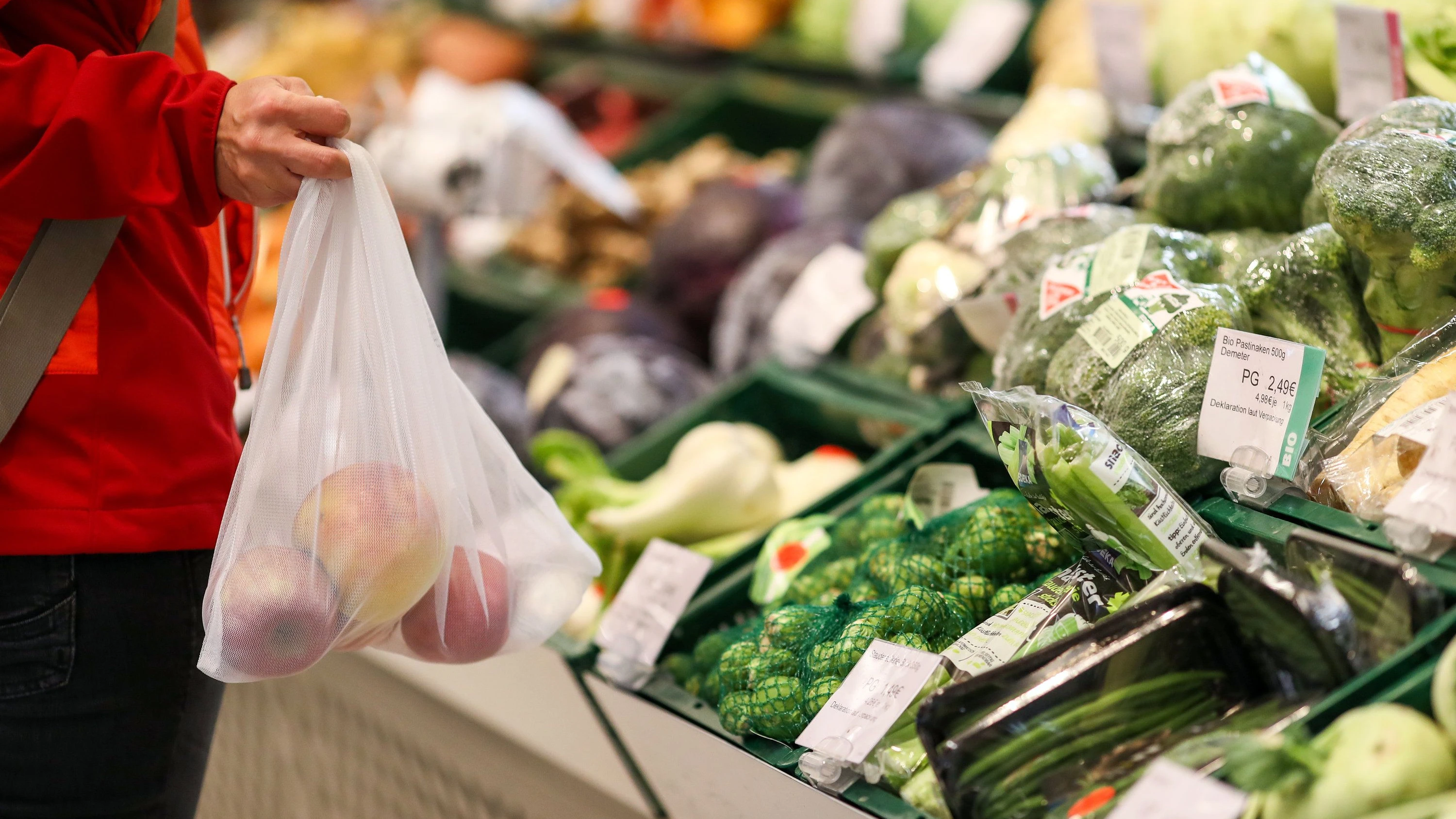
F.A.Z.-Gesundheitspodcast: Mit diesen Tricks gelingt ein gesunder Einkauf im Supermarkt Supermärkte sind so gestaltet, dass wir besonders viel einkaufen. Wenn man das weiß und sich gleichzeitig ein wenig mit Inhaltsstoffen und Nährwerten von Lebensmitteln auskennt, ist „gesundes Shopping gar nicht so schwer.
faz · about 9 hours ago
Läkaren om elsparken: Belastar sjukvården Olyckorna med elsparkcyklar fortsätter att öka. När nätterna blir varmare ökar trycket på SÖS-akuten. Vi går in högsäsong nu med alla studentfester, säger Jenny Liu, överläkare på akuten.
svenska dagbladet · about 9 hours ago
Selgus maailma ohtlikum toit: miljonid inimesed söövad seda iga päev Hommikuse ajapuuduse tõttu valib enamik inimesi päeva esimeseks toidukorraks kiireid lahendusi, millest üks levinumaid on kauss hommikuhelbeid koos klaasi apelsinimahlaga. Kuigi see kombinatsioon on sügavalt juurdunud paljude igapäevasesse hommikurutiini ja tundub tervislik, näitavad teaduslikud tõendid, et tegemist on organismile kurnava suhkrupommiga.
postimees · about 10 hours ago