 Thursday, May 28Thursday, May 28
Croatia’s tourism sector braces for a transformative summer in 2026, as new travel trends, infrastructure shifts, and local tensions reshape the Adriatic’s appeal for visitors—particularly Americans—while residents seek refuge from the crowds.
Hvar, Croatia’s sun-drenched island jewel, is actively courting American tourists this year, positioning itself as a more accessible luxury destination. Officials highlight the island’s historic allure—including Europe’s oldest public theatre and its status as the birthplace of organized tourism in Europe—while touting 2026 as an ideal window for U.S. travelers, according to *Total Croatia News* . The push comes as Croatia’s tourism industry pivots toward higher-spending visitors, with Hvar leading the charge.
Meanwhile, night trains are emerging as a potential game-changer for Croatian tourism. With Europe’s rail revival gaining momentum, *Total Croatia News* reports that updated infrastructure could turn overnight routes into a sustainable alternative to flights, tapping into demand for slower, eco-conscious travel . The shift aligns with the EU’s new "One ticket, one journey" initiative, which simplifies cross-border rail bookings—a boon for tourists combining Croatia with neighboring countries like Slovenia or Italy.
Yet the summer surge brings familiar tensions. A growing number of Croats are fleeing coastal hotspots like Split and Dubrovnik during peak season, seeking respite from overcrowding, traffic, and inflated prices, *Total Croatia News* reveals . The exodus underscores the strain on local communities, even as tourism remains the backbone of Croatia’s economy.
Transport chaos is already unfolding. The annual "summer taxi battle" has reignited, with traditional drivers, ride-hailing apps, and seasonal operators clashing in tourist hubs. *Total Croatia News* reports that disputes over fares, licensing, and competition are escalating as visitor numbers swell . The conflict mirrors broader challenges in balancing tourism growth with local quality of life.
Adding to the pressure, grocery prices have become a national flashpoint. Rising costs for staples are fueling public frustration, with consumers comparing 2026 prices to pre-pandemic levels, *Total Croatia News* notes . The debate reflects wider inflation concerns, though tourism-driven demand is likely exacerbating the issue in coastal regions.
As Croatia navigates these dynamics, the EU’s rail reforms could offer a lifeline. The "Passenger Package" allows travelers to book multi-operator journeys with a single ticket, streamlining access to Croatia’s scenic routes—including potential coastal rail expansions. While no Croatian lines were featured in *The Guardian*’s recent list of Europe’s top coastal train rides, the country’s dramatic Adriatic coastline remains a prime candidate for future development .
With 2026 poised to test Croatia’s tourism model, the industry’s ability to balance growth, sustainability, and local needs will determine whether this summer marks a turning point—or another chapter in the Adriatic’s crowded success story.
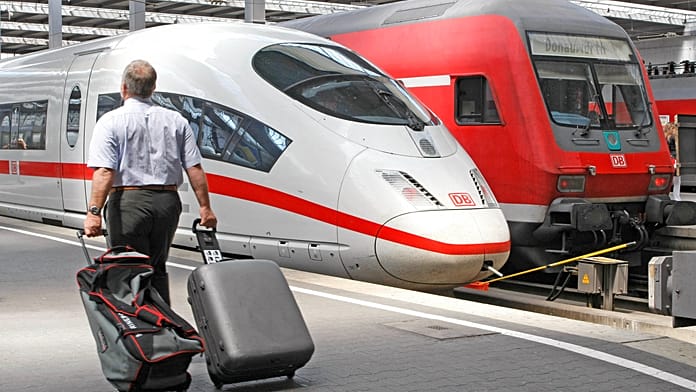
Whats the EUs solution for easier cross-border rail bookings? Ask the Euronews AI chatbot The EU Commissions new Passenger Package allows citizens to book a single ticket for multi-leg rail journeys run by different rail operators. But how does it work, and what are the benefits for citizens? Ask the Euronews AI chatbot.
euronews · 3 days ago

One ticket, one journey: can the EU simplify train travel? Take our poll The European Commission has just announced a proposal to simplify train travel for Europeans. Under the One ticket, one journey, full rights initiative, travellers will be able to book multi-leg trips with one single ticket and enjoy new rights.
euronews · 3 days ago

Sea-hugging railways and magical views: five of Europes best coastal train lines Dramatic coastal scenery and train rides make a winning combination. Our rail expert picks journeys over and along the seaRoute Inverness to Kyle of LochalshWhich side should I sit? The right initially, then switch to left Distance 83 miles (133km) Time 2hrs 40minsFrequency 4 trains a day (2 on Sundays)Ticket £32 singleOperator ScotRail Continue reading...
theguardian · 3 days ago

Beer Festivals You Cant Miss This Summer in Czechia Beer festivals are an excellent opportunity for you to taste authentic Czech beer. It is a tradition that every fairly large brewery has its festival at least once a year. And what is the program for this year like? You can expect a lot of special beers, authentic Czech food and musical performances! Visit, for example, the Bernard Fest 2026 (19–20 June) in Humpolec, or the festival CLOCK/DAY (24 July) in the village of Na Brnou. And where can you go if you want to taste the best of various breweries at once? The Minibrewery Festival (12–13 June) at Prague Castle is one of the highlights of all Czech exhibitions of minibreweries. The top 66 Czech and Moravian minibreweries and three foreign minibreweries take part in it. On June 19-20, the Beer Festival at Náplavka will feature specialty beers from over 50 small and micro Czech breweries. You can also look forward to gastronomic delicacies and live music. Admission to the festival and the accompanying cultural program is free, but the condition for beer tasting is the purchase of a 0.3l glass mug. Together with the festival tasting card and pencil, it will cost 100 CZK (70 CZK for seniors). It... The post Beer Festivals You Cant Miss This Summer in Czechia appeared first on Prague Morning.
prague morning · 4 days ago
Ios: The Greek Party Island Boasts Stunning Beaches The Greek island of Ios, or Nios as locals call it, is a charming Cycladic island renowned among the young for its vivid nightlife. It is located between Santorini, Paros and Naxos islands and offers a plethora of lovely bays and beaches. The Port of Ios is at the head of the Ormos harbor in […]
greek reporter · 4 days ago
Latest news bulletin | May 25th, 2026 – Morning Catch up with the most important stories from around Europe and beyond this May 25th, 2026 - latest news, breaking news, World, Business, Entertainment, Politics, Culture, Travel.
euronews · 4 days ago
Why 2026 is a Great Year for Americans to Visit Hvar May 25, 2026 – Croatias premier island is changing its focus, making it an even better time for Americans to visit Hvar. Hvar Town is changing once again. This chameleon of an elite destination, whose embarrassment of riches includes the oldest public theatre in Europe, Croatias sunniest island, the birthplace of organised tourism in Europe, ... Read more The post Why 2026 is a Great Year for Americans to Visit Hvar appeared first on Total Croatia.
total croatia news · 4 days ago
Exploring Greek Landmarks in the USA Several significant Greek landmarks in the USA reflect the countrys rich Greek heritage. These landmarks symbolize the Greek culture and have become important community centers for Greek Americans across the United States, preserving their traditions, history, and architecture. Some of the most important Greek landmarks in the USA Parthenon – Nashville, Tennessee Among the most […]
greek reporter · 4 days ago
Some Croats Are Escaping the Coast During Tourist Season May the 25th, 2026 – Despite most people deeming the Adriatic coast the most idyllic escape possible, some Croats are escaping the coast during tourist season. Theres a growing phenomenon across Croatias coastal cities and island destinations where local residents temporarily escape the Adriatic during the busiest summer months in order to avoid crowds, traffic, ... Read more The post Some Croats Are Escaping the Coast During Tourist Season appeared first on Total Croatia.
total croatia news · 4 days ago
Could Night Trains Become the Next Tourism Opportunity for Croatia? May the 25th, 2026 – Night trains are making a comeback across Europe, and with railway infrastructure being updated, it could provide a golden tourism opportunity for Croatia. Night trains were once largely viewed as outdated relics of pre-budget airline Europe. Theyre now returning to public discussion as travellers search for slower, more sustainable and ... Read more The post Could Night Trains Become the Next Tourism Opportunity for Croatia? appeared first on Total Croatia.
total croatia news · 4 days ago
The Croatian Summer Taxi Battle Launches Once Again May the 25th, 2026 – As Croatia heads toward another busy tourist season, one familiar conflict is already beginning to reappear: the old Croatian summer taxi battle. Its the dawn of the annual tensions between traditional taxi drivers, app-based transport services and seasonal operators in major destinations such as Split, Dubrovnik and Zagreb. As tourist ... Read more The post The Croatian Summer Taxi Battle Launches Once Again appeared first on Total Croatia.
total croatia news · 4 days ago
Croatian Grocery Prices Are Becoming a National Talking Point Again May the 25th, 2026 – One topic is once again dominating everyday conversations, social media posts and media reporting: the rising cost of Croatian grocery prices. Supermarkets, discount chains and basic household items are increasingly at the centre of public debate, as consumers compare todays prices with previous years and question how far the cost ... Read more The post Croatian Grocery Prices Are Becoming a National Talking Point Again appeared first on Total Croatia.
total croatia news · 4 days ago