 Thursday, May 21Thursday, May 21
Australia’s central bank has raised interest rates for the third time this year, citing inflationary pressures exacerbated by higher fuel prices linked to the Iran war. The decision to buck the global trend of rate cuts or pauses reflects concerns that energy-related inflation could persist .
The Bank of Canada has signaled a cautious approach to inflation driven by elevated energy costs, with Governor Tiff Macklem stating that officials would act if high prices spread beyond gas stations to other goods and services. While avoiding overreaction to the immediate effects of the Iran conflict, Macklem emphasized that persistent energy-driven inflation would not be tolerated .
The International Energy Agency (IEA) has highlighted that addressing methane emissions could help mitigate the impact of the Iran crisis on global energy supplies, potentially easing inflationary pressures tied to energy shortages .
Businesses have warned that prolonged energy shocks, partly driven by the Iran conflict, may force further price increases for consumers, exacerbating inflationary trends . The energy crisis has also accelerated discussions on alternative transportation, with solar-powered vehicles gaining attention as a potential solution to reduce dependency on volatile fuel markets .

Australia bucks trend and raises rates under inflation pressure Central bank cites higher fuel prices as result of Iran war as it unveils third increase this year
financial times · 16 days ago

Jaguar Land Rover could have shifted production from UK without £380m battery subsidy, officials warned Government officials said in December that Britains largest automotive employer could lead exodus from UKJaguar Land Rover would have considered moving car production out of the UK and slashing jobs if not for a £380m subsidy for its sister battery company, government officials claimed privately.Officials at the Department for Business and Trade (DBT) warned in December that Britains largest automotive employer may have triggered an exodus from the UK car industry, according to state aid documents prepared by the competition regulator. Continue reading...
theguardian · 16 days ago
Australia raises rates under pressure from inflation and Iran war Central bank bucks global trend with third increase this year
financial times · 16 days ago
Higher rates drove down Dutch mortgage applications in April Higher mortgage rates caused Dutch homebuyers and homeowners seeking financing for renovations to apply for fewer mortgages in April, according to figures released by the Hypotheken Data Netwerk, o
nltimes.nl · 16 days ago
Consumers face more pain as companies threaten price rises Executives warn that a prolonged energy shock would increase pressure to pass on costs to customers
financial times · 16 days ago
Can solar cars become mainstream? The energy crisis caused by the Iran war has been a wake-up call and prompted governments to try and speed up a shift to electric cars. Could solar cars be next? Although they have been around for decades, solar-powered vehicles have largely remained experimental due to technical challenges. Yuka Royer speaks with Steve Fambro, CO-CEO of Aptera Motors, a US startup that is preparing to start delivering their solar cars to customers as early as this year.
france24 · 16 days ago

Bank of Canada Gov. Macklem Vows Action If Affects From High Energy Prices Spread Tiff Macklem said officials would act quickly should evidence emerge that the impact from higher energy prices begins to spread beyond gas stations to other goods and services.
wsj · 16 days ago

Energy & Utilities Roundup: Market Talk Find insight on oil futures, PetroChina, Boss Energy and more in the latest Market Talks covering Energy and Utilities.
wsj · 16 days ago
Bank of Canada Committed to Keeping CPI Close to 2, Gov. Macklem Says Senior officials have agreed to avoid overreacting to the war in Irans immediate effects on inflation, but if energy prices stay high, we will not let their effects become persistent inflation, Macklem said Monday in testimony to lawmakers.
wsj · 16 days ago
Tackling methane emissions key for climate change and energy security: IEA Dealing with emissions could help alleviate effects of Iran crisis on global energy supply, says report.
aljazeera · 16 days ago
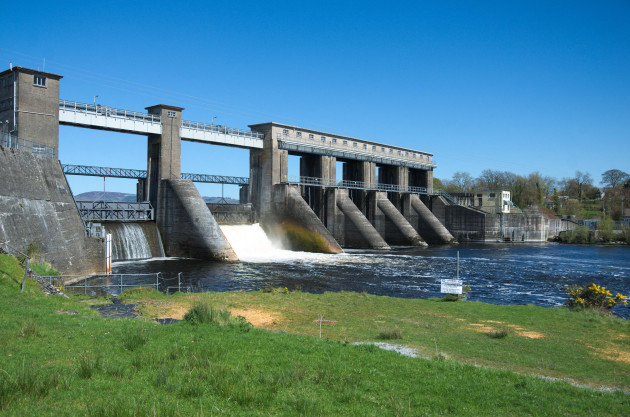
Ireland, an electrostate: 100 years after Ardnacrusha, we now face the same energy challenges Barry Andrews argues that until Ireland embraces true energy independence, we will be caught up in the endless global turmoil that comes with fossil fuel dependency.
thejournal · 16 days ago

Get rid of the battery: F1 under increasing pressure to make more changes to engine rules Norris and Piastri call for long-term changes to sportMercedes Wolff suggests battery needs to remainFormula One is under increasing pressure to consider immediate changes and the long-term future of its new engines, with the world champion Lando Norris reiterating after the Miami Grand Prix that the only answer to address sport-wide dissatisfaction was to get rid of the battery.At the meeting in Florida, which was won by Mercedes Kimi Antonelli, with Norris second, F1 and the FIA had brought in fresh regulations to address unhappiness and safety concerns prompted by the pivotal role energy management plays under the new 2026 formula. Continue reading...
theguardian · 16 days ago