
U.S. appeals court revives 500 Tylenol-autism lawsuits: Ireland challenges detentions over legal aid dispute
U.S. courts on Monday addressed several major lawsuits, including the revival of more than 500 cases linking Tylenol to autism and the overturning of a settlement with facial recognition company Clearview AI. In Ireland, seven people challenged their detention due to a dispute over legal aid payments.
In the Tylenol case, a U.S. appeals court revived more than 500 private lawsuits against Kenvue, the manufacturer of Tylenol, reversing a lower court's decision to dismiss the cases over a lack of scientific evidence.
The lawsuits argue that using Tylenol during pregnancy can lead to autism and ADHD in children. The U.S. Court of Appeals ruled that U.S. District Judge Denise Cote in Manhattan was wrong to exclude expert testimony from three doctors.
One of the expert witnesses is Andrea Baccarelli, the dean of Harvard University's School of Public Health. Baccarelli submitted a report stating that exposure to acetaminophen during pregnancy may increase the likelihood of neurodevelopmental disorders in children.
However, Baccarelli has said that further research is needed to confirm the association and determine causality. The appeals court judges, all Democratic appointees, stressed that they were not deciding whether acetaminophen causes autism or ADHD.
The decision comes less than a year after President Donald Trump urged pregnant women not to take Tylenol due to its alleged link to autism. Scientists have said this claim is based on "no evidence whatsoever."
Baccarelli had consulted with Trump’s health officials, including Health Secretary Robert F. Kennedy Jr., ahead of the president’s announcement in September 2025. The lawsuits were initially dismissed in December 2024 by Judge Cote, who criticized the methodology of the plaintiffs' expert witnesses.
In another case, a U.S. appeals court overturned a settlement with Clearview AI, an American facial recognition company.
In Ireland, seven people accused of offenses who were left without legal representation due to a dispute over the new legal aid payment model challenged the legality of their imprisonment in the High Court. Three of the seven accused were granted bail on Monday.
Follow us for live European news
- 2
- 1
- 1
- 1
4 further sources not geolocated
Articles

Justin Baldoni wil dat rechter miljoenenclaim Blake Lively afwijst Justin Baldoni (42) heeft de rechter gevraagd om de eis van Blake Lively (38) van 8,4 miljoen dollar voor juridische kosten, af te wijzen of aanzienlijk te verlagen. Dat meldt People op basis van rechtbankdocumenten. De claim van de actrice volgde nadat de rechter oordeelde dat Justin de advocaatkosten en proceskosten van Blake moet vergoeden in de smaadzaak die hij tegen haar had aangespannen.
rtl nieuws · about 5 hours ago
Baldoni vraagt rechter claim Lively van 8 miljoen af te wijzen Justin Baldoni heeft de rechter gevraagd om de eis van Blake Lively van 8,4 miljoen dollar voor juridische kosten, af te wijzen of "aanzienlijk te verlagen". Dat meldt People op basis van rechtbankdocumenten. De claim van de actrice volgde nadat de rechter oordeelde dat Baldoni de advocaatkosten en proceskosten van Lively moet vergoeden in de smaadzaak die hij tegen haar had aangespannen.
rtl nieuws · about 5 hours ago

Court accused left unrepresented in solicitor dispute challenge detention legality Judge Mary Rose Gearty orders inquiry into legality of detention of seven people unrepresented at District Court
irish times · about 6 hours ago

US schools, research advocates urge withdrawal of proposed rule on federal grants reut.rs/4wB5SSX
bluesky_Reuters · about 6 hours ago

Walmart must face gay ex-workers harassment claim, US court rules reut.rs/3SYcpc0
bluesky_Reuters · about 8 hours ago

US judge approves settlement with Kellers Bouchon Las Vegas of EEOC sexual harassment case reut.rs/4h5ZDlG
bluesky_Reuters · about 8 hours ago
Verteidigung: Diese Hochschulen in Hessen halten an Zivilklausel fest
die zeit · about 8 hours ago

Lawyers to investigate claims of GB power grid cover-up over blackout risk
bluesky_The Guardian · about 9 hours ago
Verteidigung: Zivilklausel an Uni Kassel: Streit um Forschung für Militär
die zeit · about 9 hours ago
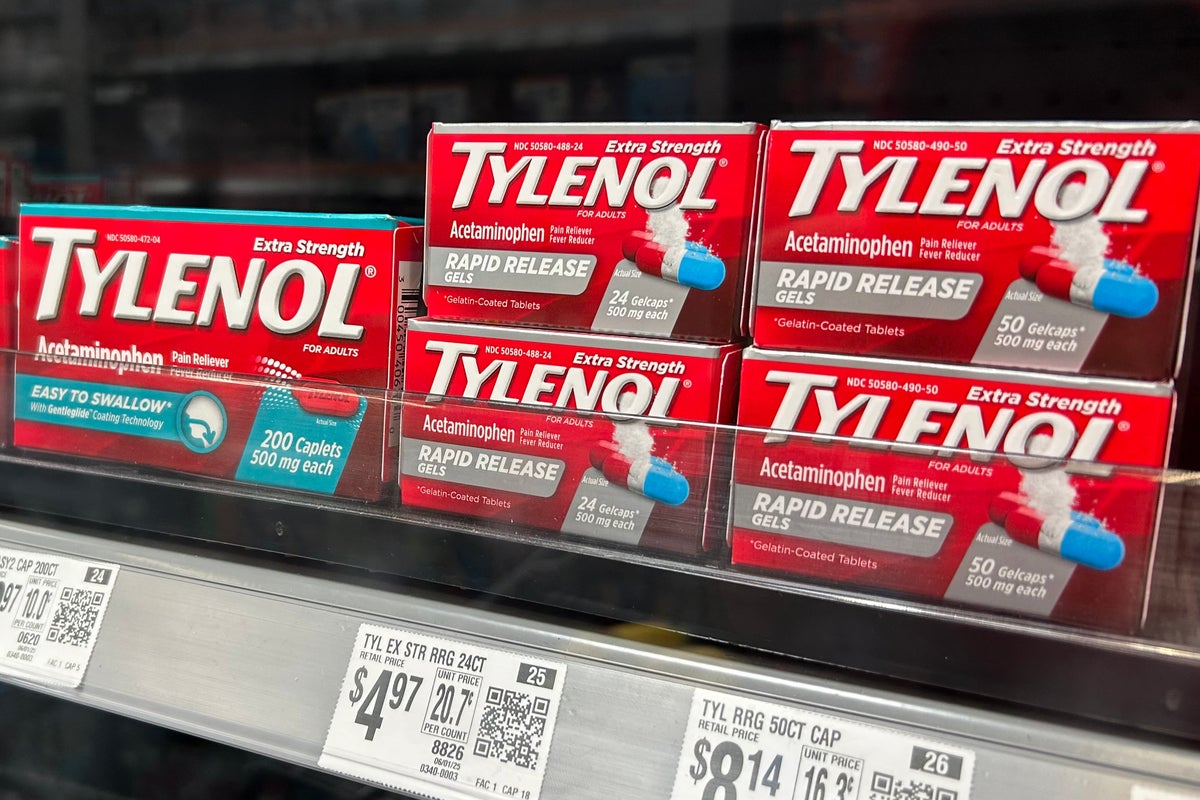
Judges allow lawsuit that ties Tylenol to autism to continue after it was dismissed for lack of scientific evidence The move has revived more than 500 private lawsuits against Tylenol maker Kenvue
independent · about 9 hours ago
Verteidigung: Uni Kassel ringt um Zivilklausel – Protest gegen Lockerung
die zeit · about 9 hours ago

Albertsons accused of overworking pharmacists, fueling opioid crisis as Washington state trial begins reut.rs/4wkoOWF
bluesky_Reuters · about 9 hours ago

US appeals court overturns Clearview AI settlement reut.rs/4vxYo2n
bluesky_Reuters · about 9 hours ago

A New Jersey Judge Defies the First Amendment by Censoring News Coverage of a High School Lockdown
news.yahoo.com · about 10 hours ago
Court debates evidence in Avakoum trial The defence attorneys of the two Avakoum monastery clerics raised serious objections in court on Monday, challenging whether a number of pieces of evidence presented by prosecutors are in fact admissible. On trial are monks Nektarios and Porfyrios. They face charges including conspiracy to defraud, forgery and the use of false documents, theft by proxy, […]
cyprus mail · about 10 hours ago

US appeals court revives Teva lawsuit over Lilly osteoporosis drug reut.rs/4fd3Rp7
bluesky_Reuters · about 11 hours ago
US court revives lawsuits linking painkiller Tylenol to autism Federal panel in New York finds trial judge wrongly excluded expert testimony in dismissing litigation
financial times · about 11 hours ago