
False alarm over suspected sea mine on Danish beach turns out to be rusted grill base
A false alarm over a suspected sea mine on a Danish beach turned out to be the rusted base of a Weber grill, authorities confirmed late Wednesday night. The incident in Løkken, North Jutland, prompted a multi-hour evacuation and the deployment of bomb disposal experts from Copenhagen before the object was identified as harmless. “Three cut-off legs from a Weber grill could easily be mistaken for an old sea mine, and given the area’s history, it’s understandable that someone would think it was one,” said Morten Axelsen, duty chief at North Jutland Police .
A German tourist alerted police on Wednesday after spotting the object partially submerged near the shoreline. A patrol inspected the item and could not immediately rule out a historic mine, prompting the call-out of the Danish Defence’s bomb disposal unit, EOD. The team drove overnight from Copenhagen to Løkken, arriving with the suspicion still unresolved based on photographs. Upon arrival, however, the grill base was clearly identified. The beach was cordoned off for several hours, and swimmers, sailors, and surfers were asked to maintain a 200-metre exclusion zone in the water. The beach has since reopened, Axelsen said .
The episode underscores the lingering public sensitivity in Denmark to unexploded ordnance from the two world wars, particularly in coastal areas where mines and munitions were routinely discarded. The North Sea and Baltic coastlines remain littered with such relics, occasionally resurfacing after storms or shifting sands. In 2023, Danish authorities disposed of a suspected wartime mine off the coast of Skagen, detonating it at sea after evacuating nearby beaches .
Meanwhile, NATO concluded a two-day summit in Ankara on Wednesday, pledging €70 billion in military support to Ukraine for 2026—roughly 522 billion Danish kroner. The pledge, endorsed by all 32 alliance members, was condemned by Moscow as “irresponsible and potentially catastrophic.” Russian Foreign Ministry spokeswoman Maria Zakharova warned that NATO’s militarisation of Europe and continued backing of Kyiv risked escalation with Russia, which invaded Ukraine in 2022 .
Elsewhere, rising sea temperatures are bringing jellyfish blooms to northern European beaches just as holidaymakers arrive for the peak season. The moon jellyfish, largely harmless to humans, is the most common species in the Baltic and North Seas, often appearing in dense swarms. More concerning is the lion’s mane jellyfish, whose long tentacles can deliver painful stings. Authorities in Germany’s North Sea islands have warned bathers to exercise caution, particularly around Sylt and the East Frisian Islands, where the species is frequently sighted .
In Belgium, marine biologists report a 24-fold increase in weever fish sightings along the coast, a species whose venomous spines can cause severe pain. The fish, one of the North Sea’s most venomous, burrow into sandy seabeds, posing a hazard to waders and swimmers .
Against this backdrop, international negotiations on deep-sea mining regulations begin this week, despite growing scepticism from scientists. Norway, once a vocal proponent of seabed mineral extraction, has paused its national process, while Japan and China press ahead with pilot projects. Critics argue the environmental risks outweigh the economic benefits, and no country has yet approved commercial deep-sea mining .
Follow us for live European news
- 2
- 1
- 1
- 1
- 1
- 1
- 1
- 1
- 1
- 1
- 1
- 1
2 further sources not geolocated
Articles

De poepchique gehoorapparaten van P. liggen, geheel onverzekerd, op de bodem van de Amstel te roesten
parool · about 7 hours ago

Forskere: Jakten på havbunnsmineraler er et blindspor Utvinning av mineraler på havbunnen er svært omstridt. Ingen land har åpnet for dette kommersielt.
aftenposten · about 7 hours ago
Turist frygtede sømine, men det var falsk alarm: Det var bunden af en Weber-grill En tysk turist fandt onsdag en mistænkelig genstand, som muligvis kunne være en mine, på stranden i Løkken.
dr.dk · about 8 hours ago

Un verano insoportable con MAR
la vanguardia · about 8 hours ago

Racing to save Philippine mangroves Standing knee-deep in coastal waters, environmentalist Andrea Pimentel guides workers as they drive bamboo poles into the seabed to block sediment from choking the tidal channel sustaining a mangrove forest u.afp.com/SKuY
bluesky_AFP English · about 8 hours ago

Dangerous jellyfish in Germany: where swimmers should take care As sea temperatures rise, jellyfish are once again a familiar sight on many beaches, even in the Baltic and North Seas. A brief look at common species in popular holiday regions.
euronews · about 8 hours ago
De riskerar livet för att fånga vågor i Gaza I rädslan finner de palestinska surfarna glädje i att fånga vågor, trots riskerna.– När jag surfar tänker jag inte på något annat än att ta tillfället i akt och ha roligt, säger Mohammed Abu Ghanem.
svenska dagbladet · about 9 hours ago
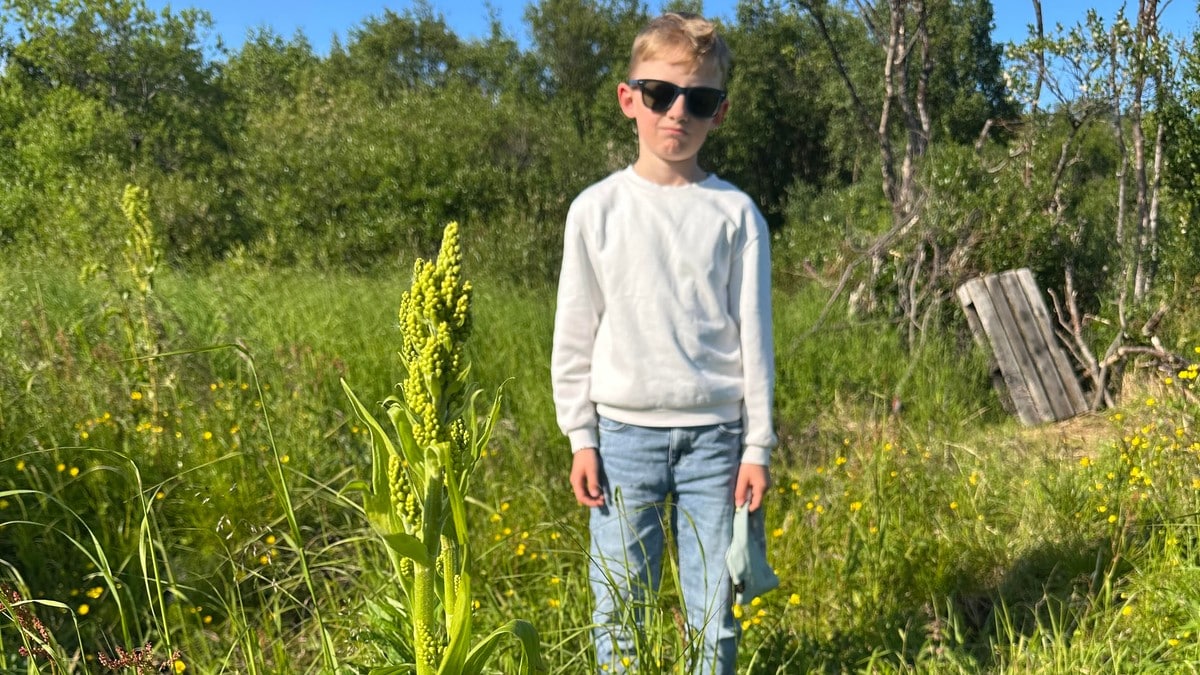
Giftig plante sprer seg ved barneskole: – Synes ikke kommunen gjør nok Den svært giftige Finnmarksnyseroten kan dukke opp flere steder i landet om det ikke settes inn tiltak. Utenfor Vadsø barneskole vokser flere av de potensielt dødelige plantene der barna leker.
nrk · about 9 hours ago
Eichenprozessionsspinner 2026: Raupe mit kleinen Gifthaaren breitet sich in Hamburg aus
die zeit · about 10 hours ago
Jakten på havbunnsmineraler er et blindspor, mener forskere Utvinning av mineraler på havbunnen er svært omstridt. Ingen land har åpnet for dette kommersielt.
aftenposten · about 10 hours ago
Εντοπίστηκε χειροβομβίδα βρετανικής προέλευσης στην Αμφίκλεια, την εξουδετέρωσαν πυροτεχνουργοί Η χειροβομβίδα τύπου Mills βρέθηκε στον Κηφισό
protothema · about 11 hours ago
Bumper haul of Pacific bluefin tuna a double-edged sword for Japans fishermen In May, Japanese fisherman Tadasuke Nakamura noticed he had an abnormally large haul of bluefin tuna in his set net off the Pacific coast of Hakodate, on Japans…
japantoday · about 11 hours ago
Norvège: un gisement de terres rares pourrait renforcer lautonomie de lEurope Cest un ancien volcan qui pourrait redessiner lavenir de lEurope. Dans le sud de la Norvège se trouve le plus grand gisement de terres rares jamais découvert sur le continent. Ces métaux sont indispensables à la fabrication des voitures électriques, des éoliennes, des smartphones ou encore des équipements militaires. Un enjeu devenu stratégique pour notre économie comme pour notre souveraineté, alors que leur production est aujourdhui largement dominée par la Chine. Cest la compagnie minière norvégienne Rare Earths Norway qui dispose du permis dextraction.
rfi.fr · about 11 hours ago

Photos: Mysterious metallic spheres washing up on Australian beach identified
news.yahoo.com · about 11 hours ago
Mulig mine fundet på Løkken strand - offentligheden bedes holde afstand
dr.dk · about 12 hours ago
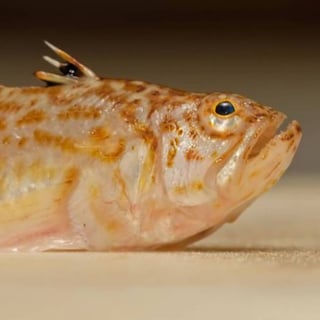
Tot 24 keer meer pietermannen aan Belgische kust: wat als een van de giftigste vissen van Noordzee je steekt?
de morgen · about 12 hours ago

PS em Gaia diz que contas do teleférico "não batem certo" O teleférico vai ligar a praia das Pedras Amarelas à Arrábida
observador · about 12 hours ago