
Last known iron lung user dies at 78, ending era of polio-era medical device

Martha Lillard, the last known survivor who relied on an iron lung due to polio, has died at the age of 78. Lillard had lived in the mechanical ventilator for over 70 years, making her the last known user of the historic medical device. Her death marks the end of an era in medical history, as the iron lung was once a common sight in polio wards but has since been largely replaced by modern ventilators.
"Her death ends a special chapter in medical history," said a spokesperson from the medical community. Lillard's life in an iron lung was a testament to the resilience of polio survivors and the lifesaving power of medical technology.
Polio, or poliomyelitis, is a highly infectious disease that can cause paralysis and death. In the early to mid-20th century, polio was a major health crisis, with outbreaks causing widespread panic and disability. The iron lung, invented in the 1920s, was a lifesaving device for many polio patients who were unable to breathe on their own due to paralysis of the respiratory muscles.
Lillard's death is a poignant reminder of the devastating impact of polio and the importance of vaccination in preventing the disease. Thanks to widespread vaccination campaigns, polio has been largely eradicated in most of the world. However, the disease still exists in some countries, and vaccination efforts continue to this day.
The iron lung was a common sight in polio wards during the mid-20th century. The device, which resembles a large metal cylinder, works by creating a vacuum that helps the patient breathe. Patients would lie inside the machine with only their heads exposed, and the machine would do the work of breathing for them.
Despite the challenges of living in an iron lung, Lillard was able to live a long and full life. Her death is a loss to the polio survivor community and a reminder of the ongoing fight against the disease.
The polio epidemic reached its peak in the United States in the 1940s and 1950s, with thousands of cases reported each year. The disease primarily affected children, leading to widespread fear and the closure of public swimming pools and other gathering places during the summer months, which was known as "polio season."
The development of the polio vaccine by Jonas Salk in 1955 marked a turning point in the fight against the disease. The vaccine, which was made available to the public in 1955, was highly effective in preventing polio, and the number of cases began to decline rapidly.
By the 1960s, the iron lung had become largely obsolete as the number of polio cases decreased and modern ventilators were developed. However, some polio survivors, like Lillard, continued to rely on the device for decades.
Lillard's death is a reminder of the progress that has been made in the fight against polio, but also of the work that remains to be done. While polio has been eradicated in most of the world, it still exists in some countries, and vaccination efforts continue to this day.
In 1988, the World Health Organization launched the Global Polio Eradication Initiative, with the goal of eradicating polio worldwide. Since then, the number of polio cases has decreased by more than 99%, and the disease is now endemic in only a few countries.
Meanwhile, in a separate event on the same day, a speedboat carrying Indian tourists capsized off the coast of Phu Quoc island in Vietnam, resulting in the deaths of at least 15 people. The accident occurred in rough seas, and rescue operations were underway. The boat was carrying 32 tourists and four crew members when it capsized about 400 meters from the shore. Rough seas were believed to be a factor in the accident.
The Indian embassy in Vietnam has set up control rooms to assist the families of the victims. The cause of the accident is under investigation, but rough seas are believed to have played a role.
Follow us for live European news
- 3
- 2
- 2
- 2
- 2
- 1
- 1
- 1
- 1
- 1
- 1
- 1
- 1
- 1
- 1
3 further sources not geolocated
Articles

Dødstallet efter jordskælvene i Venezuela stiger fortsat
dr.dk · about 4 hours ago
Kinderlähmung: Polio: Wohl letzte Nutzerin einer Eisernen Lunge gestorben
die zeit · about 4 hours ago
Rotterdam-born polar bear dies at 36, believed to be oldest in captivity Larissa, a polar bear born in Rotterdam in 1990, has died at age 36. She is believed to be the oldest polar bear in captivity. The park said her death was a major loss for her caretakers.
nltimes.nl · about 4 hours ago
Speedboat accident in southern Vietnam kills 15 Indian tourists The Indian embassy says it has set up control rooms to respond to victims families.
aljazeera · about 4 hours ago
Soome ettevõtja nõuab Saaremaa staarärimehe Tullio Libliku pankrotti Ettevõtja Tullio Liblik seisab silmitsi isikliku pankrotiga, kunagi oli ta väga mõjukas ärimees.
postimees · about 4 hours ago

16h. Sismos na Venezuela. Já são 110 portugueses mortos Entre as vitimas mortais estão 20 crianças e 90 adultos. E, em Almada, dez zonas do concelho vão ficar sem água a partir das dez da noite de hoje. O corte vai durar até às seis da manhã de domingo.
observador · about 4 hours ago

15 turistia kuollut järkyttävässä onnettomuudessa Vietnamissa
iltalehti · about 4 hours ago
Nonostante chiedessi gentilezza ed empatia perché ero qui per un lutto, hanno solo gridato e mancato di rispetto: Martina Miliddi furiosa contro la compagnia aerea Doveva essere solo un volo per tornare a casa, in Sardegna, in uno dei momenti più difficili della sua vita. È finita, invece, con Martina Miliddi, ballerina di Affari Tuoi ed ex allieva di Amici di Maria De Filippi, che sfoga tutta la sua rabbia sui social contro una compagnia aerea, accusando il personale di […] Larticolo Nonostante chiedessi gentilezza ed empatia perché ero qui per un lutto, hanno solo gridato e mancato di rispetto: Martina Miliddi furiosa contro la compagnia aerea proviene da Il Fatto Quotidiano.
il fatto quotidiano · about 4 hours ago
Unglück bei rauer See: Mindestens 15 Touristen sterben bei Bootsunglück in Vietnam Nur 400 Meter vom Ufer entfernt kentert ein Schnellboot - mindestens 15 indische Touristen kommen ums Leben. Nach weiteren Vermissten wird gesucht.
tagesspiegel · about 4 hours ago
15 turister döda Var på väg tillbaka från utflykt
expressen · about 4 hours ago
Skott vid Farmen-inspelning Farmen-inspelningen besköts av personer på fyrhjuling natten mot fredag, något som Aftonbladet var först med att rapportera.– Det var väldigt obehagligt och skrämmande, säger Joel Bendrik, exekutiv producent på Farmen, till TV4.
svenska dagbladet · about 4 hours ago

My holiday from hell: I wanted to go zipwiring and eat chips. But my mum insisted we find the real Mallorca
bluesky_The Guardian · about 4 hours ago
Radio Station WHMI 93.5 FM — Livingston County Michigan News, Weather, Traffic, Sports, School Updates, and the Best Classic Hit
gdeltproject.org · about 4 hours ago
Tõrva starts recovering as officials explain what caused floods The state Environment Agency (Keskkonnaagentuur) has explained how exceptionally heavy rain led to severe flooding in the South Estonian town of Tõrva on Thursday, though neither the rainfall nor river levels ultimately proved unprecedented, Maaleht reported.
news.err · about 4 hours ago
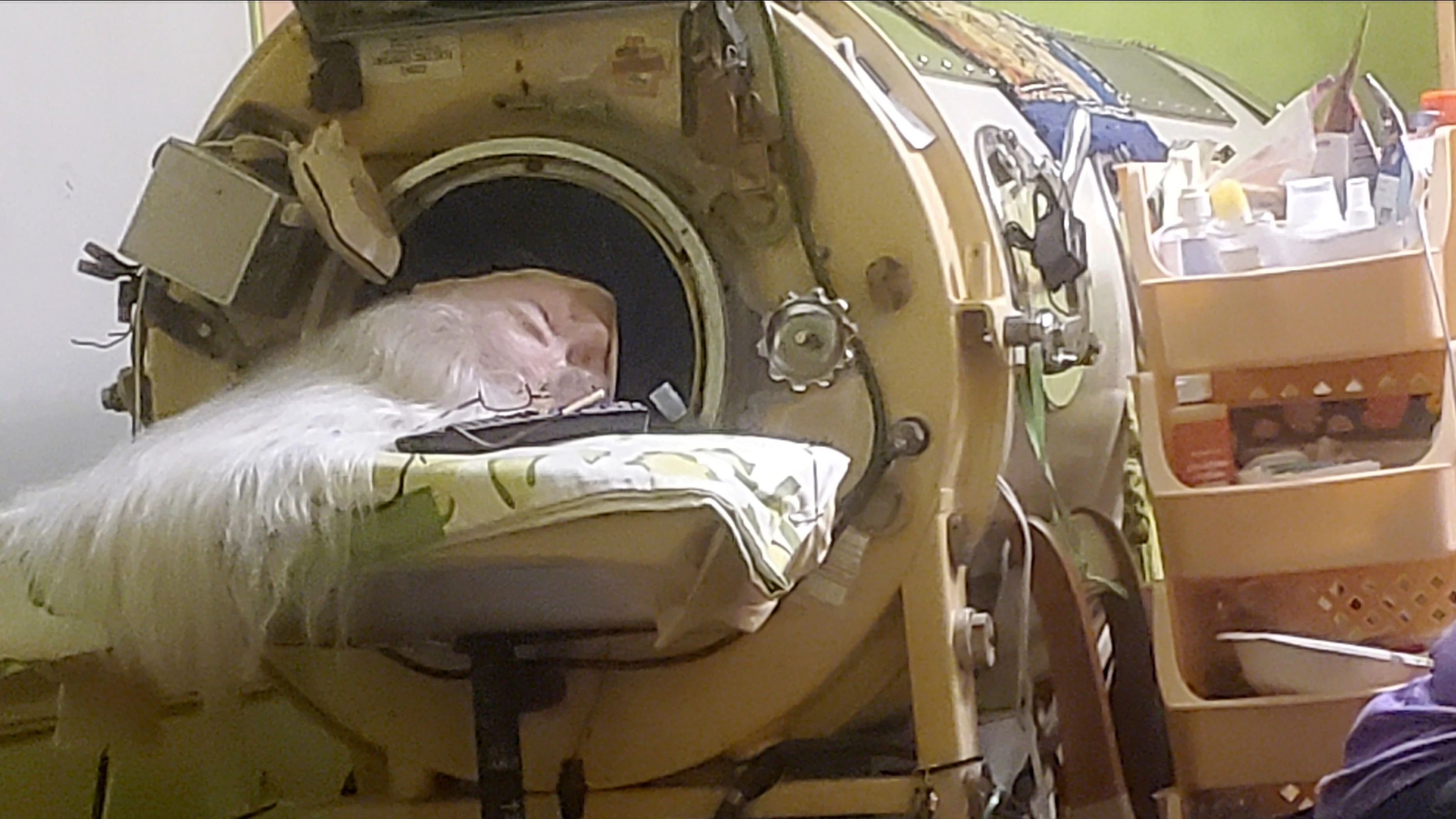
mit 78 Jahren: Letzte Polio-Überlebende mit Eiserner Lunge gestorben Mehr als 70 Jahre lebte Martha Lillard in einer Eisernen Lunge – nun ist die letzte bekannte Nutzerin des historischen Beatmungsgeräts gestorben. Ihr Tod beendet ein besonderes Kapitel der Medizingeschichte.
faz · about 4 hours ago
Zweiter inselweiter Blackout in Kuba in einer Woche
orf.at · about 4 hours ago
Mindestens 15 indische Touristen in Vietnam ertrunken
orf.at · about 4 hours ago
Τραγωδία στο Βιετνάμ: 15 Ινδοί τουρίστες νεκροί μετά από ανατροπή ταχύπλοου λόγω ισχυρών ανέμων, βίντεο
protothema · about 4 hours ago
Förlorar lägenhet – ville byta till Strandvägen Kvinnan ville byta sin trerumslägenhet till en mindre på en exklusiv adress i Stockholm.Problemet? Hon ägde redan en tiorumsvilla utanför huvudstaden, enligt Hem & Hyra.
expressen · about 4 hours ago

In een buitenwijk van Kansas City duiken kerkgangers onder voor Ice. Ze pakken tijdens het WK meer mensen op dan ervoor
trouw · about 4 hours ago
Tragédia pri vietnamskom Phu Quoc: najmenej 15 indických turistov neprežilo prevrátenie lode Loď s 32 indickými turistami sa prevrátila len 400 metrov od pobrežia pri ostrove Phu Quoc. Nepriaznivé podmienky na mori spôsobili tragédiu s mnohými obeťami.
aktuality.sk · about 4 hours ago

🇻🇳 A speedboat carrying Indian tourists capsized off southern Vietnams Phu Quoc island on Saturday, killing at least 15 people, state media reported. ➡️ u.afp.com/SKKR
bluesky_AFP English · about 4 hours ago
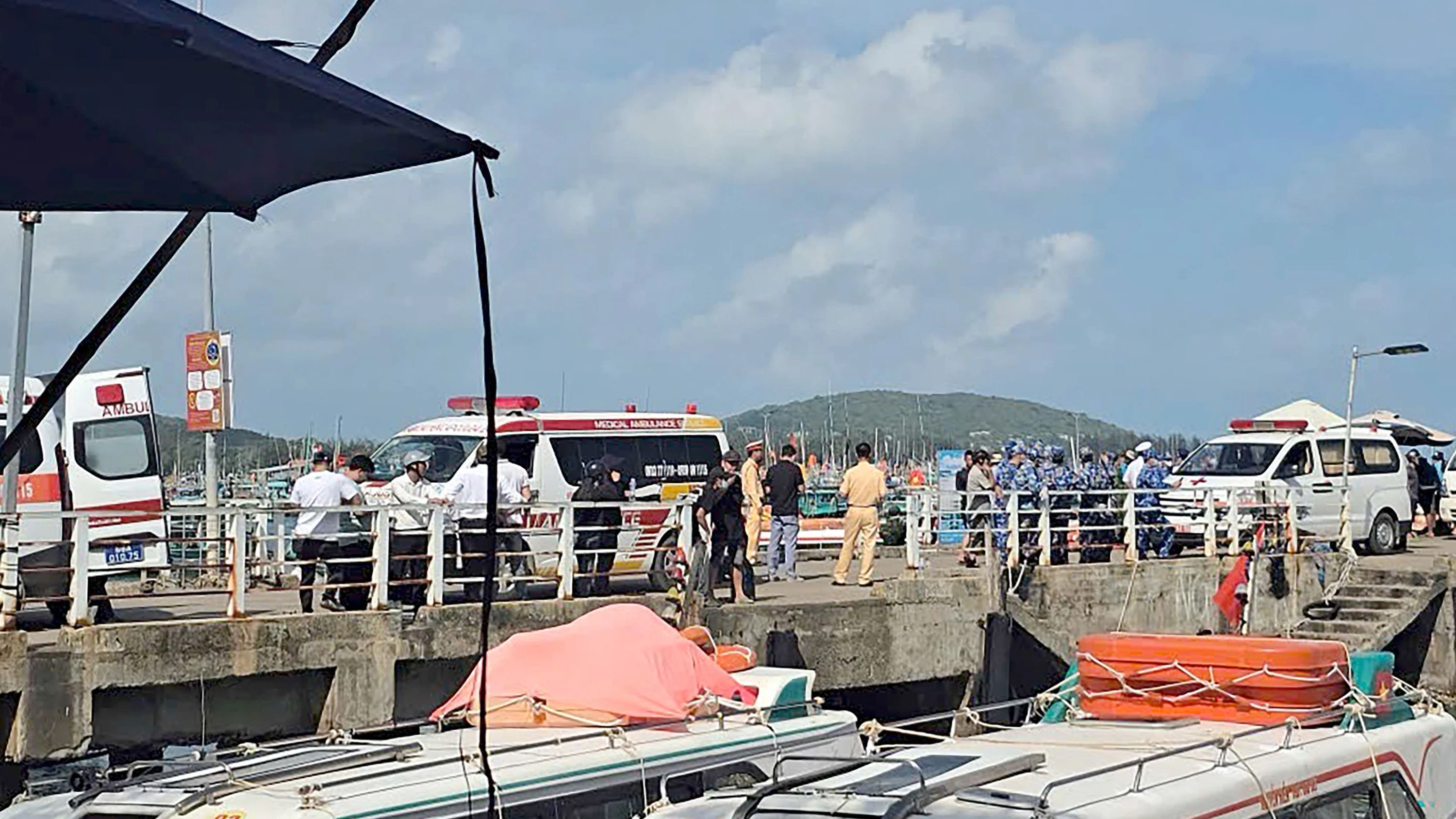
Im Golf von Thailand: Mindestens 15 Tote nach Bootsunglück in Vietnam Das Schnellboot kentert nur 400 Meter vom Ufer entfernt – mindestens 15 indische Touristen kommen ums Leben. Nach weiteren Vermissten wird gesucht.
faz · about 4 hours ago
15 Indian tourists killed after speedboat capsizes in southern Vietnam A boat has capsized in southern Vietnam, killing 15 Indian tourists less than half a kilometer from shore
abcnews · about 4 hours ago
Teen Venezuela Quake Survivor Mourns Her Young Forever Friends Caracas, Venezuela, July 11, Brussels Morning Newspaper – Teen Venezuela quake survivor stories continue to highlight the human cost of the countrys devastating earthquake. One teenage survivor has shared an emotional tribute to the friends she lost, calling them young forever as rescue teams, families, and communities continue mourning those killed in the disaster. Recovery Efforts Continue After […]
brussels morning · about 4 hours ago

Vietname. 15 mortos após naufrágio de barco turístico Embarcação que navegava com 36 pessoas a bordo no sul do Vietname virou e afundou. 21 foram resgatadas com vida e 15 morreram. Não há desaparecidos e as causas do acidente estão a ser investigadas.
observador · about 4 hours ago

15 morts dans le chavirement dun bateau touristique au Vietnam Le chavirement dun bateau transportant des touristes indiens au large de lîle de Phu Quoc, dans le sud du Vietnam, a fait 15 morts samedi, a indiqué un média dÉtat vietnamien. ...
la libre · about 4 hours ago

Al menos 15 muertos al volcar una lancha con turistas en Vietnam 32 turistas indios y cuatro tripulantes iban a bordo de la embarcación
la vanguardia · about 4 hours ago
Ho trascorso il Capodanno a Cuba in ospedale con Maradona. Quando morì mia nonna mi mandò un telegramma, volevo ricambiare la gentilezza. La politica? Ci penso da tempo: parla Emanuele Filiberto Forse non tutti lo sanno, ma cè un collegamento che unisce Emanuele Filiberto di Savoia e Diego Armando Maradona. Mi fanno felice le piccole cose, come le manifestazioni daffetto inattese. – ha raccontato Emanuele Filiberto a Il Corriere della Sera – Perché io so- no capace di slanci. E poi entra nello specifico, raccontando un […] Larticolo Ho trascorso il Capodanno a Cuba in ospedale con Maradona. Quando morì mia nonna mi mandò un telegramma, volevo ricambiare la gentilezza. La politica? Ci penso da tempo: parla Emanuele Filiberto proviene da Il Fatto Quotidiano.
il fatto quotidiano · about 4 hours ago
Wohl letzte Nutzerin einer Eisernen Lunge gestorben
orf.at · about 4 hours ago