 Thursday, May 28Thursday, May 28
Reform UK’s electoral prospects dim ahead of Estonia’s parliamentary vote, as analysts rule out a breakthrough in next year’s Riigikogu election.
The UK’s right-wing Reform Party is set to regain some lost ground in the coming months, but its support will fall short of delivering victory in Estonia’s 2026 Riigikogu election, according to Urmet Kook, head of portals at Estonia’s public broadcaster ERR. Kook’s assessment, published by ERR, suggests the party’s current polling slump is temporary, though insufficient to challenge the country’s established political forces when voters head to the polls next spring .
Reform, which holds eight seats in the UK House of Commons and maintains a presence across devolved legislatures, has struggled to translate its anti-establishment rhetoric into electoral success beyond its core base. The party’s performance in Estonia—where it has no formal presence—remains a barometer for its broader appeal in European politics, though its influence is largely confined to the UK.
The analysis comes as Cyprus prepares for its own parliamentary elections on May 24, where traditional parties face a surge of anti-establishment movements. While the Cypriot vote does not directly involve Reform UK, the island’s political fluidity mirrors broader European trends, with populist and fringe parties gaining traction amid voter disillusionment .
In the UK, Reform’s internal dynamics remain under scrutiny, though the party’s leadership has not commented on the ERR report. Its limited parliamentary footprint—eight MPs in Westminster—positions it as a minor player in British politics, despite its vocal opposition to mainstream policies on immigration, Brexit, and economic reform. The party’s future trajectory will depend on its ability to consolidate support ahead of the next UK general election, expected in 2027.

Journalist: Reform Party rating will recover, but not enough to win next election The Reform Partys support level will likely recover in the next few months, though not enough to win next springs Riigikogu election, ERRs Head of Portals Urmet Kook said.
news.err · 5 days ago
Cyprus Braces for Political Shake-Up as Voters Head to Polls Cyprus is heading into its parliamentary elections on May 24, 2026, framed by a climate of political fluidity and geopolitical challenges. While the islands traditionally dominant parties are locked in a fierce battle for first place, a wave of new political movements and anti-establishment forces are making a push for a powerful role in the […]
greek reporter · 5 days ago
Cyprus Votes in Crucial Parliamentary Election on Sunday Cyprus is heading into its parliamentary elections on May 24, 2026, framed by a climate of political fluidity and geopolitical challenges. While the islands traditionally dominant parties are locked in a fierce battle for first place, a wave of new political movements and anti-establishment forces are making a push for a powerful role in the […]
greek reporter · 5 days ago
Ciprian Ciucu: „Mulţi se aşteptau ca PNL să trădeze încă o dată. Când Ilie Bolojan a fost jignit, PSD ne jignea pe fiecare dintre noi Ciprian Ciucu, prim‑vicepreședintele PNL, a transmis vineri, la evenimentul dedicat aniversării a 151 de ani de la înființarea partidului, că liberalii au trecut printr-o perioadă dificilă, în care mulți se așteptau ca formațiunea să își abandoneze propriile principii.
adevarul · 6 days ago
Accise, via libera alla proroga degli sconti. Per gli autotrasportatori 300 milioni Il Consiglio dei ministri approva il decreto contro il caro carburanti. Prima la riunione a palazzo Chigi con le associazioni dei tir: sbloccati i sostegni di marzo, arrivano altri 200 milioni per il rimborso delle accise. Revocato il fermo del 25-29 maggio
corriere · 6 days ago
Ministrul Dragoş Pîslaru: „Este o mare ipocrizie în România că demnitarii au zis: noi ne sacrificăm pentru țară și ne lăsăm salariile mai mici Dragoș Pîslaru afirmă că ideea potrivit căreia demnitarii ar trebui să își mențină salariile scăzute din „sacrificiu reprezintă, în opinia sa, o formă de ipocrizie şi susţine că viitoarea lege a salarizării unitare va „reașeza întreg sistemul public, inclusiv grila demnitarilor.
adevarul · 6 days ago
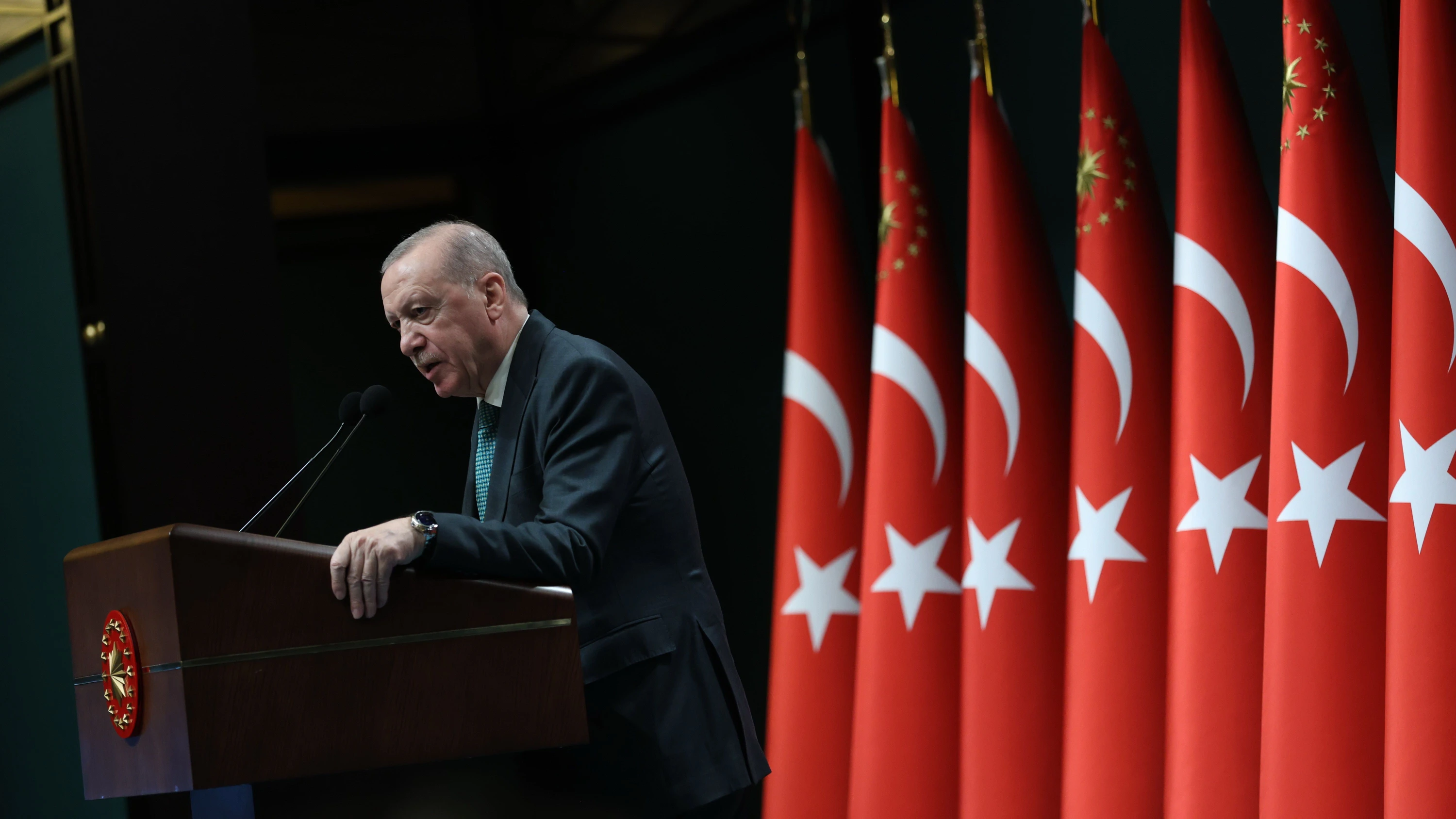
CHP-Chef abgesetzt: Erdoğan baut sich eine neue Opposition Der türkische Präsident will die CHP so umbauen, dass die Partei ihn bei Wahlen nicht mehr schlagen könnte. Dabei helfen soll ausgerechnet ein früherer Parteichef, der noch eine Rechnung offen hat.
faz · 6 days ago
Ilie Bolojan avertizează că nicio guvernare nu poate reuși fără să abordeze problemele structurale ale României Premierul interimar Ilie Bolojan, liderul PNL, a transmis vineri, 22 mai, că orice Executiv care ajunge la Palatul Victoria este condamnat să eșueze dacă ignoră dificultățile structurale ale țării.
adevarul · 6 days ago
Valeriu Stoica: „Dacă valorifică această şansă pe care o are astăzi, PNL s-ar putea să redevină partidul de care România are nevoie Fostul președinte al PNL, Valeriu Stoica, susține că partidul are nevoie de o reașezare profundă, începând cu „redefinirea identităţii politice și continuând cu întărirea structurilor și a leadershipului, atât la nivel local, cât și național.
adevarul · 6 days ago
Alegerile anticipate, un salt în gol? Ce s-ar întâmpla dacă Parlamentul ar fi dizolvat mâine Discuția despre alegeri anticipate readuce în atenție o problemă ignorată de ani de zile: legislația românească nu stabilește cu precizie cum ar trebui organizat un astfel de scrutin.
adevarul · 6 days ago
Bolojan, iritat de întrebările despre neîndeplinirea a 38 de jaloane din cele 50 din PNRR, a pus capăt conferinţei de presă Ilie Bolojan a fost vizibil deranjat, în timpul conferinței de presă susținute la Focșani, de întrebările jurnaliștilor legate de cele 38 de jaloane din cele 50 din PNRR neîndeplinite în cele 11 în timpul guvernării sale.
adevarul · 6 days ago
Alexandru Rogobete critică blocajul politic: „Avem nevoie de un Guvern funcțional. Orgoliile mari au mize mici Deputatul PSD Alexandru Rogobete a făcut vineri, 22 mai, un apel către clasa politică, solicitând renunțarea la orgolii și găsirea unei soluții pentru formarea unui guvern stabil.
adevarul · 6 days ago