
Romanian president holds crisis talks with party leaders to end two-month political deadlock
Story Timeline
2 months · 5 summary articles
Romanian President Nicușor Dan will hold crucial consultations on Monday with leaders from the PSD, PNL, USR, and UDMR parties to break the political deadlock that has gripped the country for nearly two months. The crisis began in May with a no-confidence vote that toppled the government led by Ilie Bolojan. Since then, multiple attempts to form a new government have failed, leaving the country in political limbo.
President Dan has expressed skepticism about the possibility of a quick resolution. "At this moment, I do not feel that a solution is emerging," Dan said recently, according to Hotnews. The consultations will focus on finding a majority that can support a new prime minister and government.
The PSD has proposed Sorin Grindeanu as prime minister, while the PNL-USR-UDMR coalition has put forward Siegfried Mureșan. However, neither candidate has been able to secure a parliamentary majority.
In Spain, the political landscape is also shifting. In Catalonia, the Socialists' Party of Catalonia (PSC) is considering a more centered approach to counter the rise of the right-wing PP and Vox parties. Salvador Illa, the current leader of the PSC, has been a key figure in this strategy. The PSC is concerned about potential isolation if the PP and Vox form a government, which could lead to a right-wing dominance in the autonomous regions.
Meanwhile, in Austria, the conservative ÖVP party is facing internal struggles and a shift towards the right. The party's leader, Christian Stocker, has defended their policies against accusations of being too left-leaning. "We are pursuing a clear center-right course, even if the coalition partner may give a different impression," Stocker said, according to Die Presse.
In Finland, a scandal involving the Helsinki Garden project and former minister Jan Vapaavuori has rocked the National Coalition Party. Vapaavuori has been criticized for his handling of the project, with party sources describing his actions as "amateurish" and "reckless," according to Iltalehti.
Across Europe, the political landscape is in flux, with leaders facing challenges from both within their parties and from opposition groups. In Germany, the far-right AfD party continues to gain support, with some polls showing them at 37%. The party's rise has raised concerns about the future of conservative politics in the country.
In Hungary, Prime Minister Péter Magyar has accused President Tamás Sulyok of misusing public funds during foreign trips. The accusation adds to the political turmoil in the country following the fall of the Fidesz party.
In Moldova, President Maia Sandu has appointed Vasile Tofan as the new prime minister, tasking him with forming a government within 15 days. This follows the resignation of former Prime Minister Alexandru Munteanu amid a scandal involving the state-owned company MoldATSA.
As European leaders grapple with these challenges, the focus remains on finding stable solutions that can command parliamentary majorities and provide effective governance. The outcomes of these political maneuverings will have significant implications for the future of their respective countries and the broader European political landscape.
Follow us for live European news
- 4
- 2
- 2
- 2
- 1
- 1
- 1
- 1
- 1
- 1
- 1
- 1
- 1
3 further sources not geolocated
Articles

Consultări decisive la Cotroceni. Nicușor Dan cheamă luni partidele, la peste două luni de la căderea Guvernului Șeful statului, care a declarat recent că „nu se întrevede o soluție rapidă pentru ieșirea din criză, începe o nouă rundă de discuții cu liderii PSD, PNL, USR și UDMR, într-o încercare de a pune capăt blocajului politic. Anunțul a fost făcut public pe site-ul Administrației Prezidențiale, care precizează că luni, de la ora 09:00, …
hotnews.ro · about 2 months ago

Coalition des volontaires et défilé hors-norme : comment Macron veut faire du 14 juillet une démonstration de force pour lEurope
lexpress · about 2 months ago

Wenn sich nichts grundlegend ändert, wird die AfD über kurz oder lang regieren Die AfD wächst so schnell, dass sogar sie selbst es kaum fassen kann – stark vertreten in fast allen Schichten und fast jeder Region. Die Vorstellung, man könne diese neue Volkspartei noch durch Dämonisierung einhegen, ist realitätsfern.
welt.de · about 2 months ago
En Espagne, la droite sinspire de lextrême droite et fait de lembryon un membre de la famille Dans la région de Madrid, aux mains des conservateurs, une loi instaure des droits pour les «non-nés», qui permettra, avant même la naissance, laccès à des prestations sociales. La gauche redoute que ce dispositif ne soit une façon détournée de revenir sur le droit à lavortement.
liberation · about 2 months ago
Ruffin, Philippe, Attal, Hollande… A neuf mois de la présidentielle, tout le monde veut son bout de Tour de France Chaque jour, la Grande Boucle voit défiler des candidats à lElysée. Samedi 11 juillet, François Ruffin et Edouard Philippe avaient fait le déplacement en Dordogne. Ce dimanche, François Hollande regardera lépreuve en Corrèze.
liberation · about 2 months ago

From libertarian dream to political weapon: How the far right appropriated the crypto wave Leaders such as Trump, Milei and Bukele raise these assets as a banner to attract disenchanted citizens while profiting from their popularity
elpais · about 2 months ago
Kim Jong Un orders intensified education to prevent army corruption North Korean leader Kim Jong Un urged intensified education and oversight to prevent corruption among military officials during a high-level meeting in Pyongyang, following the conviction of a senior army official for bribery and political fraud.
yenisafak · about 2 months ago

Nigel Farage Wanted a Political Showdown. Now Hes Fighting a Trash Can. Novelty candidates have long been a feature of British politics, but its rare for one to be the main competition.
wsj · about 2 months ago

Deutschland hat immer mehr Beamte – aber geht irgendetwas spürbar schneller? In Deutschland nimmt die Zahl der Beamten immer weiter zu. Aber werden Bauvorhaben jetzt rascher genehmigt? Sind die Gemeinden besser verwaltet? Eher das Gegenteil ist der Fall.
welt.de · about 2 months ago
Csizmadia Ervin: A meglepett ország – Fidesz bukása és a társadalmi sokk Az örök meglepetés jellemzi az országot, a Fidesz bukása éppúgy váratlanul éri a hazai közvéleményt, mint ahogy az Osztrák-Magyar Monarchia szétesésén is meglepődött. A közvélemény állapotát és a bukás mögötti hosszú folyamatokat érdemes vizsgálni
hvg.hu · about 2 months ago
:format(jpg)/f.elconfidencial.com%2Foriginal%2F85e%2Faa3%2F6cb%2F85eaa36cb58d627672d79b83bcb518cc.jpg)
Pulso en Cataluña: los Mossos podrían tener en un mes a la primera mujer a su frente La consellera Núria Parlón apuesta por una comisaria para dirigir a su policía y el director general, Trapero, tiene su propio candidato
el confidencial · about 2 months ago
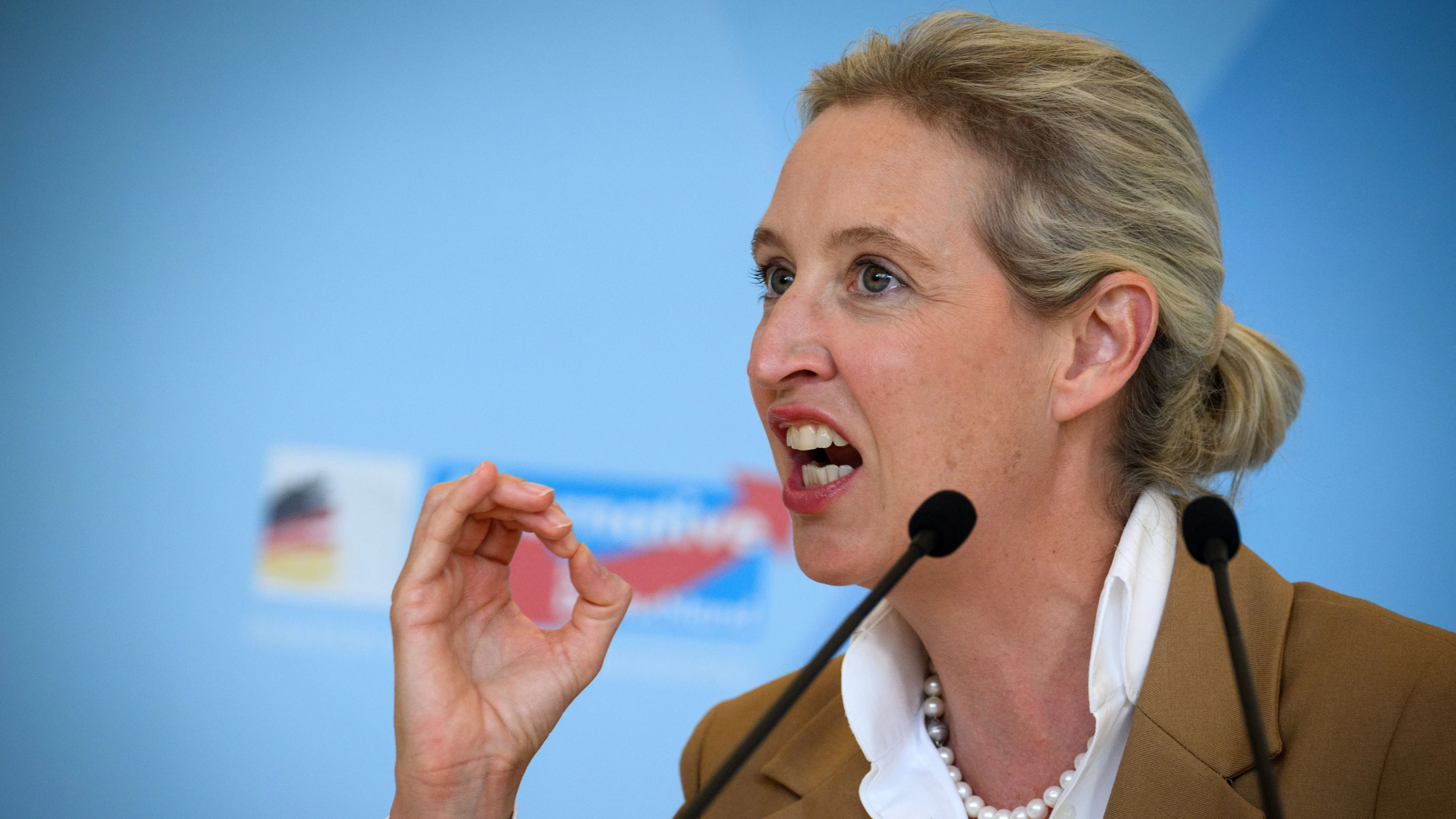
Alice Weidel: Parteikollegen finden sie ein bisschen zu aggressiv Wenn Alice Weidel richtig aufdreht und ihre politischen Gegner kleinmacht, sind die Anhänger begeistert. Nur wenige wissen, dass sie Parteikollegen genauso hart und zornig behandelt.
faz · about 2 months ago
Scuola, il decreto di Meloni getta nel caos i comuni montani. A rischio decine di plessi, protestano anche i leghisti Decine di scuole nei paesi di montagna rischiano la chiusura a causa del Decreto del Presidente del Consiglio dei ministri dell11 maggio 2026, il Dpcm 121, che definisce per la prima volta cosa si debba intendere per Comune montano, introducendo rigidi criteri geomorfologici e altimetrici per definirne la classificazione ufficiale. Un atto, già pubblicato in […] Larticolo Scuola, il decreto di Meloni getta nel caos i comuni montani. A rischio decine di plessi, protestano anche i leghisti proviene da Il Fatto Quotidiano.
il fatto quotidiano · about 2 months ago
Vallo a prendere tu lo scalpo di quella testa di ca*o di Trump. Senza dimenticare quel grandissimo pezzo di me*a di Netanyahu: Piero Pelù incendia il palco. Proteste di Fdi: Ha ragione De Gregori La musica come protesta, il palco per lanciare e amplificare messaggi politici. In questi giorni, Piero Pelù ha una stoccata per tutti. I Litfiba in tour festeggiano il quarantennale dello storico disco 17 Re e, tra una canzone e laltra, il rocker lancia critiche sociali e ammonizioni. Ne ha una per tutti: i politici italiani, […] Larticolo Vallo a prendere tu lo scalpo di quella testa di ca*o di Trump. Senza dimenticare quel grandissimo pezzo di me*a di Netanyahu: Piero Pelù incendia il palco. Proteste di Fdi: Ha ragione De Gregori proviene da Il Fatto Quotidiano.
il fatto quotidiano · about 2 months ago
Premiér Magyar obvinil prezidenta zo zneužitia verejných financií počas zahraničných ciest Maďarský premiér Péter Magyar žiada koniec éry Orbánovej mafie a mieri na prezidenta Tamása Sulyoka. Tvrdí, že zneužíval verejné peniaze na zahraničných cestách.
aktuality.sk · about 2 months ago

Próxima presidência rotativa da CPLP ainda sem consenso Ministro dos Negócios Estrangeiros diz que a questão "tem que ser discutida pelos chefes de Estado e de Governo" e ainda não está definida.
observador · about 2 months ago

Der eigentliche Grund für Deutschlands Niedergang Politik besteht in der Austragung gesellschaftlicher Großkonflikte, die im Regierungswechsel ihren symbolischen Ausdruck finden. Doch genau das ist seit Jahrzehnten nicht mehr möglich. Die Folgen? Stillstand und Niedergang.
welt.de · about 2 months ago
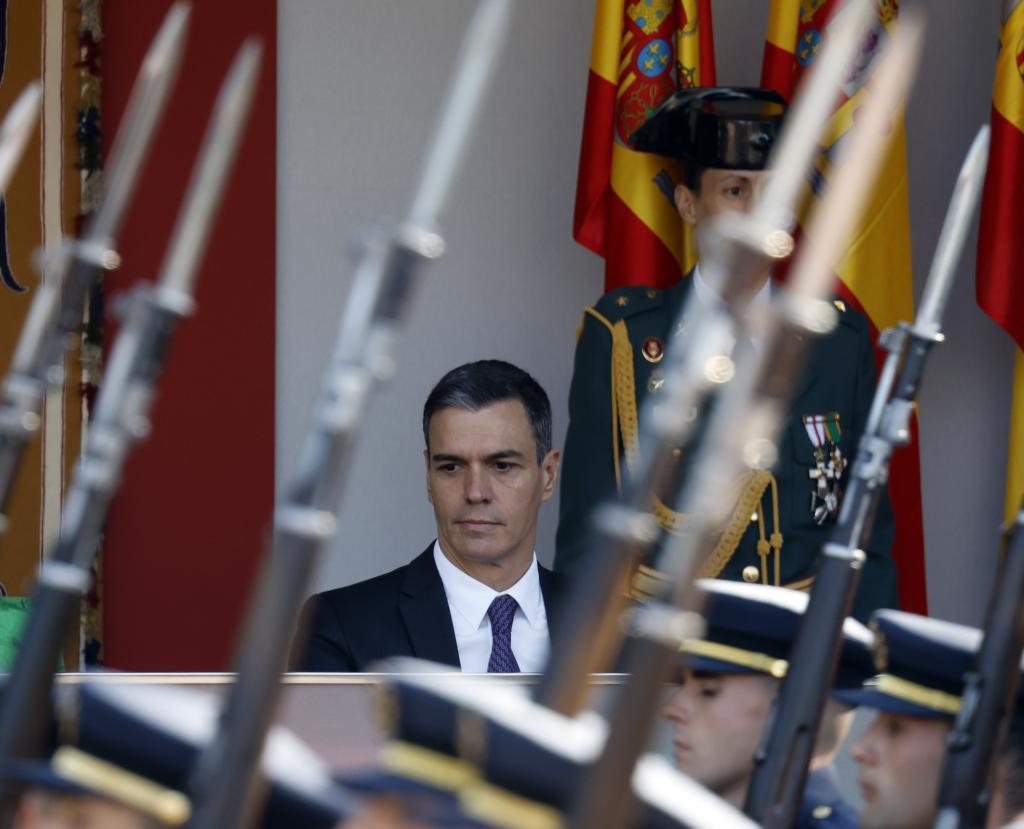
El gasto militar de Sánchez sólo concita el aplauso de Trump: izquierda y derecha exigen explicaciones y acusan al Gobierno de opacidad Reproches al Gobierno por traspasar todos los límites de la transparencia hasta crear una enorme factura opaca en la que se mezclan armas, salarios, planes de inversión y programas de inteligencia Leer
elmundo · about 2 months ago
Alexandru Muraru, mesaj pentru Nicușor Dan înaintea consultărilor: „Nu ne cereți să salvăm PSD. Sunteți într-o mare eroare Alexandru Muraru, vicepreședintele PNL și liderul organizației județene Iași, i-a transmis un mesaj public președintelui Nicușor Dan înaintea consultărilor politice programate pentru luni, susținând că liberalii nu trebuie să fie transformați în „colacul de salvare al PSD.
adevarul · about 2 months ago
Consultări la Cotroceni: Nicușor Dan îi primește luni, 13 iulie, pe liderii fostei coaliții Președintele Nicușor Dan va avea luni, 13 iulie, o nouă rundă de consultări cu liderii PSD, PNL, USR și UDMR, în încercarea de a identifica o majoritate parlamentară capabilă să susțină învestirea unui nou Guvern.
adevarul · about 2 months ago
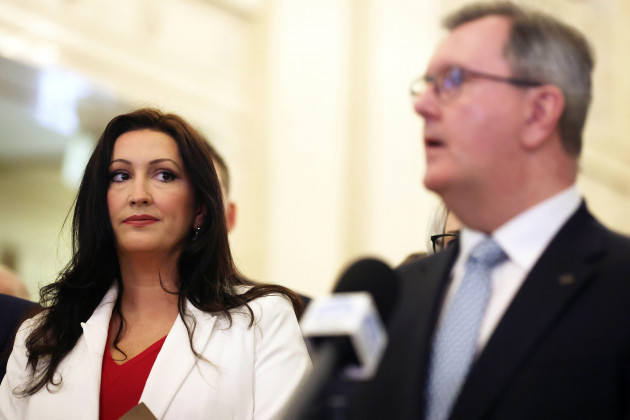
Politics after Donaldson: The old political order in Northern Ireland is breaking down Jeffrey Donaldsons conviction has set off a political earthquake in Northern Ireland, leaving every major party facing uncomfortable questions before next years elections.
thejournal · about 2 months ago
Moldova: President Maia Sandu (*-EPP) has appointed Vasile Tofan (*) as Prime Minister and asked him to form a government. He has 15 days to seek Parliaments vote of confidence. The former Prime Minister Alexandru Munteanu (*) resigned last week following a scandal involving the state-owned company MoldATSA. ➤
telegram_Europe Elects · about 2 months ago

Bajo la sombra de la corrupción: el manual de resistencia en la Guardia Civil El atrincheramiento de la directora general y del DAO tras su imputación provoca una grieta con el resto de la institución
la vanguardia · about 2 months ago

Sánchez decidirá tras el paréntesis de agosto el calendario del final de mandato La agenda del Gobierno para julio: presupuestos, financiación, vivienda y amnistía
la vanguardia · about 2 months ago
European elections: Millions vote to elect new parliament
gdeltproject.org · about 2 months ago
Μητσοτάκης για Marfin και δολοφονία Νέστορα : Τον λόγο έχει η Δικαιοσύνη -...
gdelt bot · about 2 months ago
Government investment in public hospitals rises to €206.7 million Government investment in public hospitals has risen to €206.7 million following the approval of an additional €61.7 million in projects, President Nikos Christodoulides said. In a recorded message on healthcare, Christodoulides said the new projects come on top of €145 million in hospital infrastructure works already announced and under way, including the construction of a […]
in-cyprus · about 2 months ago
Stockers neue Truppe: ÖVP ringt um Weg aus dem Stimmungstief [premium] Schlechte Umfragen, rote Verhandlungsmacht und Kurz-Spekulationen drücken in der ÖVP auf die Gemüter. Wie die Partei mit völlig neuer Chefriege aus dem Tief kommen will.
die presse · about 2 months ago

„Rechtlich ist vieles umsetzbar – Patzelt zum 100-Tage-Programm der Partei Die AfD Sachsen-Anhalt stellt ein 100-Tage-Programm mit Fokus auf Abschiebungen, Bildung und Medien vor. Politologe Werner Patzelt betont: „Was sie ankündigt, liegt im größten Teil im Zuständigkeitsbereich einer Landesregierung.
welt.de · about 2 months ago
A Saint-Denis-Pierrefitte, la justice annule lélection des adjoints au maire Bally Bagayoko, la ville fait appel Le tribunal administratif de Montreuil sest prononcé ce samedi 11 juillet à la suite dun «déféré préfectoral». La mairie, remportée en mars par linsoumis Bally Bagayoko, a annoncé vouloir «former un pourvoi devant le Conseil dEtat», ce qui suspend la décision.
liberation · about 2 months ago