
Jamaican activists sue to reclaim privatized beaches as global coastal access crisis grows
As Jamaican activists take their fight for public beach access to court this week, the Caribbean island’s long-simmering tensions over privatised shorelines have erupted into a national controversy. Campaigners argue that the current model of “plantation tourism” is systematically excluding locals from the very coastlines that have sustained generations, with Mammee Bay in St Ann—a place Devon Taylor describes as having “raised us and fed us”—now at the centre of a legal battle to reverse decades of enclosure.
Taylor, a lifelong resident, recalls childhood days when Mammee Bay teemed with fishers haggling over daily catches, children playing in the shallows after school, and vendors carving souvenirs beneath almond trees. Today, much of that shoreline is ring-fenced by concessions to resorts and private operators, leaving locals to navigate a patchwork of restricted access and escalating fees. Activists have filed suit to challenge what they call the “privatisation of the Jamaican coast,” framing the issue as both an economic and cultural injustice. The court filing comes amid growing public anger over a tourism model that benefits elites while marginalising the communities whose labour and heritage underpin the industry.
The crisis is not unique to Jamaica. Across the Atlantic, Moroccan and Tunisian expatriates are voicing similar frustrations as they return for summer holidays only to face discriminatory pricing in hotels and restaurants, alongside chronic shortages of flights during peak season. Local media in the Maghreb describe the practice as a form of “price apartheid,” with diaspora visitors paying premiums that domestic tourists do not.
Meanwhile, in Portugal’s Caparica, fishers report losing access to their traditional workspaces as beaches are carved up for concessions to bars, surf schools, and beach clubs. The encroachment has left them with shrinking stretches of sand and mounting frustration over the erosion of coastal livelihoods.
These parallel struggles—from Kingston to Casablanca to Lisbon—highlight a broader global pattern: the commodification of public space under the guise of tourism development. In each case, the cost is borne by those who have historically depended on the coast, while the benefits accrue to a narrow segment of the economy. As Jamaican activists prepare for their day in court, their case has become a rallying point for a movement demanding that the region’s beaches be reclaimed as shared heritage, not exclusive resorts.
- 1
- 1
- 1
- 1
1 further source not geolocated
Articles

Pour la diaspora maghrébine, de si chères vacances au pays Prix différenciés pour les hôtels et les restaurants, manque davions… les vacances coûtent de plus en plus cher aux expatriés qui profitent de lété pour revenir au Maroc, en Tunisie ou en Algérie. La presse locale y voit une forme de discrimination par rapport aux autres touristes.
courrier international · about 3 hours ago

Pescadores queixam-se de não terem praia para trabalhar Antes, senhores da praia, os pescadores da Caparica têm cada vez menos espaço para trabalhar, entre escassez de areia, concessões de bares e restaurantes e escolas de surf.
observador · about 3 hours ago
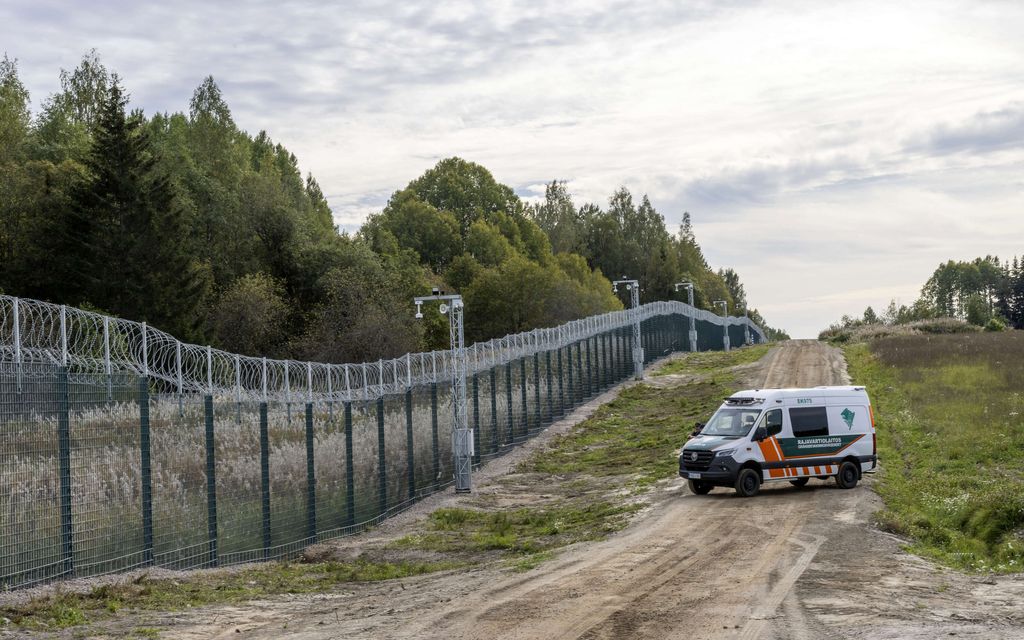
Mies ja nainen eivät koskaan olleet käyneet Suomessa – Hamusivat kiinteistöjä itärajan tuntumasta
iltalehti · about 3 hours ago
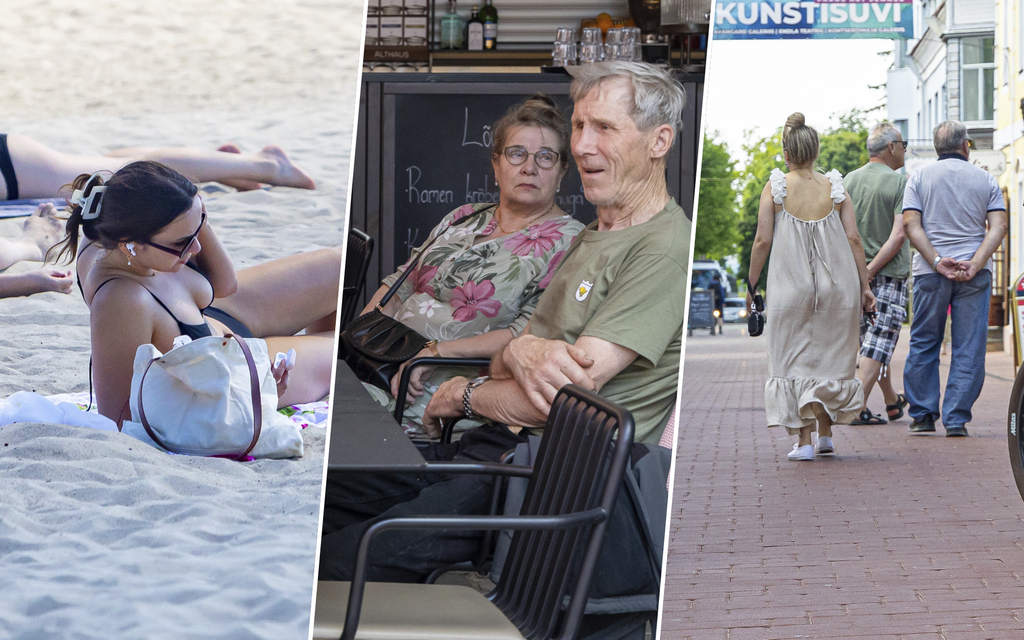
Kesäparatiisi tyhjenee suomalaisista – Syy on hämmästyttävä
iltalehti · about 3 hours ago
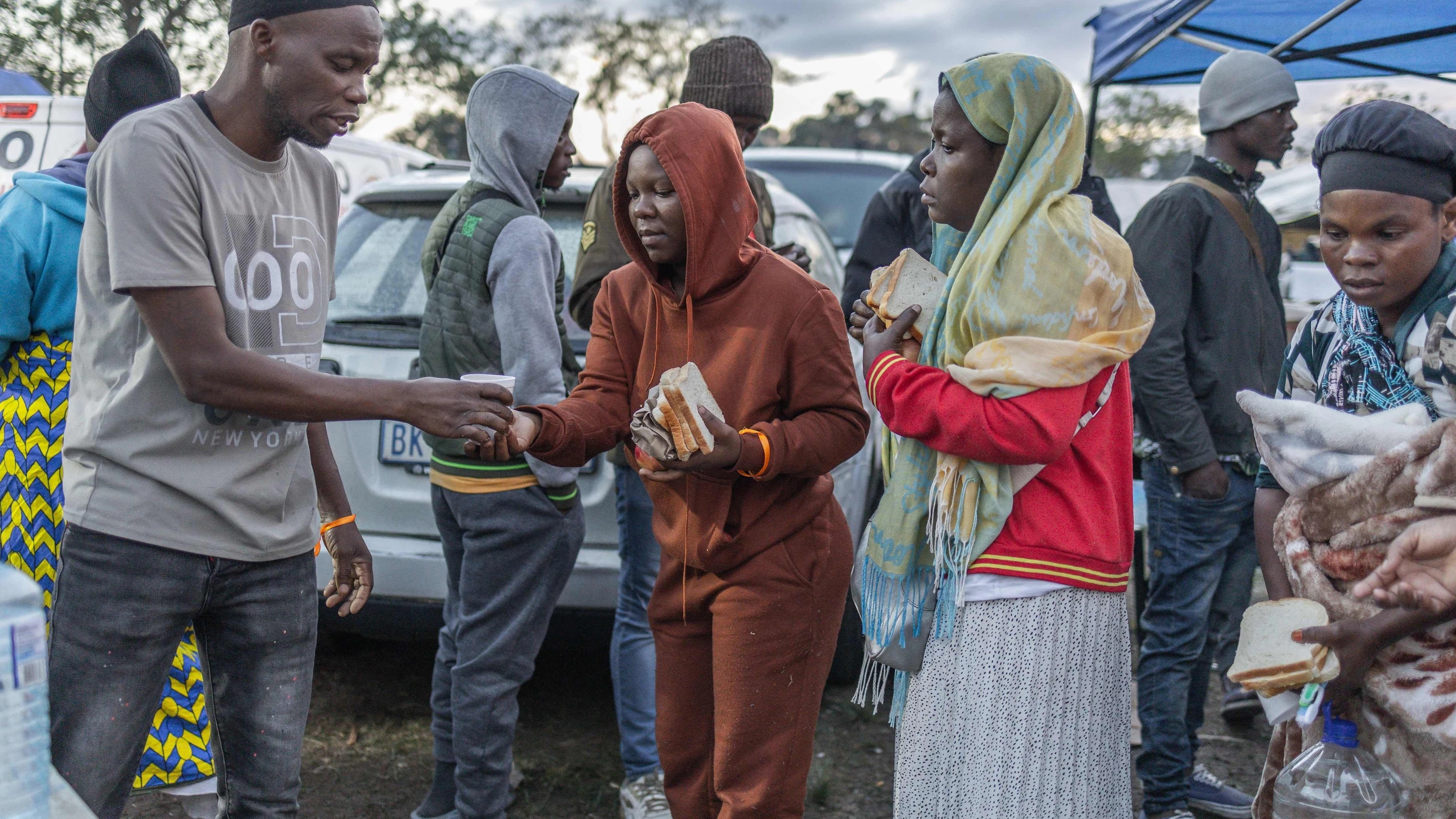
Fremdenfeindliche Gewalt: Migranten fliehen vor dem Mob aus Südafrika Eine neue Bewegung heizt in Südafrika die Stimmung gegenüber Migranten an. Es mehren sich die Gewalttaten, viele wollen in ihre Heimatländer zurück.
faz · about 3 hours ago
Jamaicas beach access crisis: We shouldnt be forced to fight for what is already ours Activists argue business model is plantation tourism designed to benefit elite and disadvantage most JamaicansCampaigners go to court to fight privatisation of Jamaican coastDevon Taylor remembers when the Mammee Bay shoreline in St Ann, Jamaica, was filled with children frolicking in the ocean after school, fishers haggling with locals over the price of their daily catch and craft vendors carving souvenirs under almond trees.I grew up on Mammee Bay, Taylor says. He recalls fetching seawater in bottles for his grandmother when she was no longer able to go to the beach, learning to swim in the shallows, and watching generations of fishers cast their nets. That beach raised us. It fed us. Continue reading...
theguardian · about 3 hours ago