
Armenia secures EU visa liberalization pledge by 2028 as Pashinyan strengthens Europe ties
Armenia secures EU visa liberalization pledge within two years as Pashinyan ties deepen with Europe
Armenian Prime Minister Nikol Pashinyan has committed to resolving visa liberalization with the European Union by 2028, framing the move as a direct response to soaring demand for EU travel from Armenia. Speaking on Sunday, Pashinyan revealed that EU-Armenia visits surged by 500% between 2018 and 2025, prompting Brussels to prioritize the issue. "They tell us: *You have such good relations with the European Union, but you can’t resolve one issue—visas*," he said, according to a social media post . The pledge comes as Armenia’s June parliamentary elections emerge as a de facto referendum on Pashinyan’s pro-European pivot, with observers warning of Russian displeasure over the shift .
The EU’s engagement with Armenia extends beyond visas. European officials have rallied behind Pashinyan’s government, contrasting with Moscow’s growing unease over Yerevan’s distancing from the Kremlin. A May 8 report by *Armenia Election Monitor* noted that while Europeans back Pashinyan’s reform agenda, Russia views the EU’s involvement as a challenge to its regional influence . The elections, slated for June 20, will test whether Pashinyan’s party can secure a mandate to accelerate integration with Europe, including potential trade and security cooperation.
Economic ties with Europe are already expanding. Armenia’s recent activation of the Akhalkalaki-Kars railway—linking the country to Turkey via Georgia—marks a breakthrough in regional connectivity, Pashinyan announced on May 22. The rail route, previously dormant due to geopolitical tensions, now offers Armenia a direct trade corridor to European markets, bypassing traditional reliance on Russia . Analysts suggest the move could reduce Armenia’s economic dependence on Moscow, aligning with Pashinyan’s broader strategy to diversify partnerships.
The EU’s support for Armenia reflects a broader recalibration of its Eastern Partnership policy, which has gained urgency amid Russia’s war in Ukraine. While Brussels has not offered Armenia a clear path to membership, the visa liberalization pledge and infrastructure projects signal a willingness to deepen ties. For Pashinyan, the June elections will determine whether his government can sustain this trajectory—or face a backlash from opposition groups aligned with Moscow. With Russia signaling conditional openness to dialogue with Europe , Armenia’s choices could reshape the geopolitical balance in the South Caucasus.
Articles
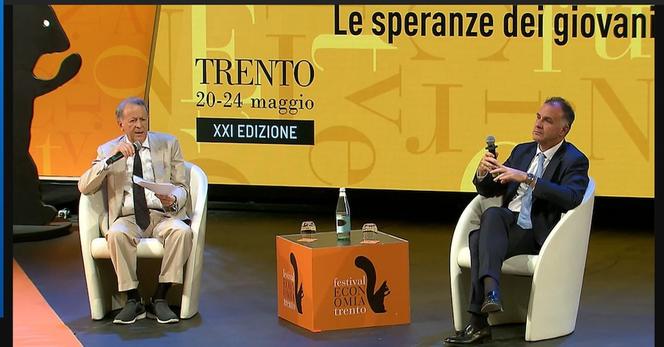
Il Sole 24 ORE - Italia: Orsini: energia priorità, lEuropa si unisca su politiche industriali vereCreare le condizioni per rendere le imprese competitive. La priorità dellenergia, una politica industriale europea, la questione giovani. Il presidente di Confindustria, Emanuele Orsini, ha affrontato ad ampio raggio le...Orsini: energy priority, Europe should unite on real industrial policies.Creating the conditions to make businesses competitive. Energy as a priority, an industrial policy for Europe, the youth issue. The president of Confindustria, Emanuele Orsini, addressed the...#Orsini #Europe #Confindustria #EmanueleOrsini
mastodon bot · 4 days ago

22 May 2026 - Armenia Election Monitor - The upcoming Armenian election will decide the future direction of the country
commonspace · 4 days ago
Orsini: energia priorità, lEuropa si unisca su politiche industriali vere Creare le condizioni per rendere le imprese competitive. La priorità dellenergia, una politica industriale europea, la questione giovani. Il presidente di Confindustria, Emanuele Orsini, ha affrontato ad ampio raggio le...
il sole 24 ore · 4 days ago
Armenia says Turkey rail link open for trade in breakthrough for regional connectivity Armenian PM Nikol Pashinyan says the Akhalkalaki-Kars railway connection through Georgia and Turkey is now available for Armenian trade.
intellinews · 4 days ago
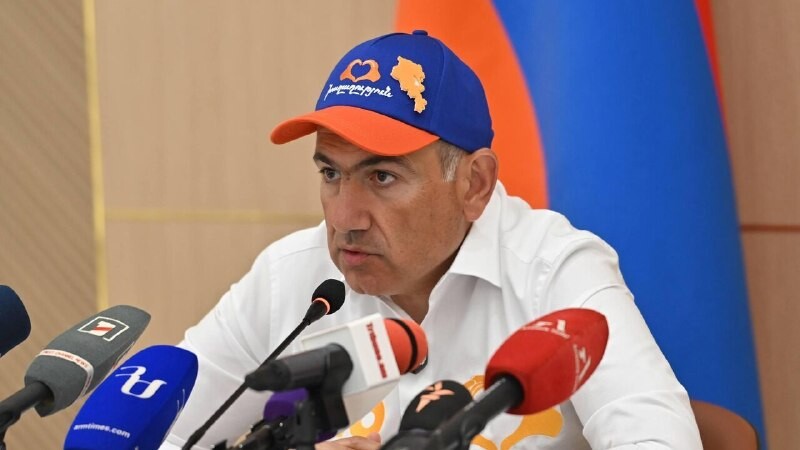
⚡️ℹ️🇪🇺🇦🇲 The issue of visa liberalization between Armenia and the #EU will be resolved no later than in two years — Pashinyan: ❗️"They tell us: You have such good relations with the European Union, but you cant resolve one issue—visas. And do you know why? Because the number of people visiting the EU from Armenia increased by 500 percent between 2018 and 2025." 📍The Prime Minister assured that the issue of visa liberalization between Armenia and the EU will be resolved no later than in two years.
mastodon bot · 4 days ago
Labour to expand youth work experience and training schemes Announcement comes after Alan Milburn says Britain has neglected generation of young people struggling to access work and training opportunitiesMinisters are expanding youth work experience and training schemes, after Alan Milburn warned Britain is spending £25 keeping young people on benefits for every £1 spent helping them into work.Pat McFadden, the work and pensions secretary will announce plans for 300,000 extra work experience placements over the next three years as Labour attempts to tackle what the minister described as a quiet crisis in youth employment. Continue reading...
theguardian · 4 days ago
15 May 2026 - Armenia Election Monitor - Armenias 2026 vote: A referendum on peace and sovereignty?
commonspace · 4 days ago
20 May 2026 - Armenia Election Monitor - The role of electoral observer missions in Armenia ahead of the parliamentary elections
commonspace · 4 days ago

Europe and US need separate bedrooms but not divorce, says David Miliband Speaking at Hay literary festival, former Labour minister says complete disengagement has potential for us to end up in a very, very difficult position Former foreign secretary David Miliband has said Europe should have separate bedrooms from the US, but not seek a divorce from its traditional alliance, despite the Trump administrations impact on the relationship.Speaking at the Hay literary festival on Sunday, the former Labour minister, who has served as the president of the International Rescue Committee since 2013, said: You can see the argument that strategic autonomy for Europe means divorce from the United States. I really counsel the dangers of that. Continue reading...
theguardian · 4 days ago

Moscou est disposé à renouer avec les Européens, mais à certaines conditions Si les dirigeants européens souhaitent reprendre contact avec la Russie, ils devront revoir leur approche et accepter lidée dun compromis, prévient le quotidien moscovite Nezavissimaïa Gazeta. La possibilité dun tel rapprochement a longtemps été éludée. Quelle soit aujourdhui clairement formulée dans un journal autorisé semble traduire un changement de stratégie au Kremlin.
courrier international · 4 days ago
8 May 2026 - Armenia Election Monitor - Europeans rally around Pashinyan, but the Russians are not amused
commonspace · 4 days ago

Andy Burnham seeks advice from Sue Gray on forming future Labour government The discussions highlight how seriously senior Labour figures are treating Burnhams path back to WestminsterAndy Burnham has sought advice from Baroness Sue Gray, Keir Starmers former chief of staff, on how to manage a potential transition into Downing Street if he returns to Westminster and succeeds the prime minister.Gray is understood to have advised Burnham on how a future government could be formed as Labours internal succession chatter intensifies before the Makerfield byelection. Continue reading...
theguardian · 4 days ago