
NATO jets shoot down Russian drone over Latvian airspace
NATO fighter jets shot down an unmanned aerial vehicle that entered Latvian airspace from Russia on Monday, marking the first time the alliance’s Baltic Air Policing mission has downed a drone in Latvian territory. The Latvian National Armed Forces confirmed the interception, stating the drone crossed the eastern border amid heightened electronic warfare activity near the Russia-Latvia frontier. NATO’s rapid reaction jets, deployed from the Šiauliai air base in Lithuania, destroyed the intruder over Latvian territory, according to French NATO fighters involved in the operation .
Latvian authorities had issued an air threat alert earlier in the day, warning residents in eastern regions to seek shelter as the drone approached. The Latvian Defence Ministry reported at least one confirmed incursion, with electronic warfare cited as the likely cause of the drone’s deviation into NATO airspace. Similar incidents have occurred in recent months, including a NATO jet shooting down a drone over Estonia on May 19, which Tallinn later attributed to Ukrainian forces .
The escalation comes as Russia launched 155 drones overnight against Ukraine, with Ukrainian air defences destroying 124 of them. Strikes were reported in multiple regions, including Kharkiv, where a Russian drone hit a Nova Poshta parcel depot, damaging infrastructure and parcels, and a grain elevator in Velykyi Burluk injured two workers . In Crimea, a Ukrainian drone strike disrupted passenger rail traffic after damaging a train locomotive, according to Russian-appointed officials .
Moldova also reported a drone incursion on its territory, describing the likely origin as Ukrainian but emphasising that Russia bears responsibility for the broader conflict. The incident underscores growing concerns that the Ukraine war is spilling across borders, with drones increasingly used as tools of disruption and provocation .
NATO officials have warned that such incidents could recur as electronic warfare intensifies and frontlines remain volatile. The alliance’s Baltic Air Policing mission, which rotates among member states, has been on high alert since Russia’s full-scale invasion of Ukraine in 2022. Analysts suggest the latest interception reflects NATO’s determination to deter further escalation while managing the risks of miscalculation in a region where civilian airspace is increasingly contested .
Articles

Russia attacks Ukraine with 155 drones, air defence destroys 124, hits recorded Ukraines air defence forces destroyed 124 out of 155 Russian drones during an overnight attack, with strikes and debris impacts reported in several locations.
ukrpravda · about 2 hours ago
Russian drone hits Nova Post depot in Kharkiv, damaging lots of parcels A Russian drone struck a Nova Poshta depot in Kharkiv, sparking a fire and causing structural damage. The company said it would compensate customers for the declared value of any damaged parcels.
ukrpravda · about 2 hours ago
Ukraine hits one of Russias largest petroleum storage facilities in Caucasus – video Operators from the 1st Separate Centre of Ukraines Unmanned Systems Forces, acting in coordination with the Special Operations Forces and other units from Ukraines defence forces, struck the Grushovaya oil transfer depot in the city of Novorossiysk, Krasnodar Krai, on the night of 7-8 June.
ukrpravda · about 2 hours ago
Moldova says drone that entered its territory was "highly likely" of Ukrainian origin Moldovas Foreign Ministry said a drone that crashed on its territory was likely of Ukrainian origin but stressed that Russia bears responsibility because it launched the war.
ukrpravda · about 2 hours ago
Natoplan har skjutit ner drönare över Lettland Ett av Natos stridsplan har skjutit ner en drönare över Lettland, rapporterar NTB.Minst en drönare från Ryssland ska ha äntrat lettiskt luftrum.
expressen · about 2 hours ago
NAVO-vliegtuigen halen drone die uit Rusland kwam neer boven Letland NAVO-vliegtuigen hebben maandag een drone neergehaald die het Letse luchtruim was binnengedrongen. De drone kwam uit Rusland, maar het is nog onduidelijk of het ook om een Russisch toestel gaat.
nu.nl · about 2 hours ago
NATO fighter jets down foreign drone in Latvian airspace The Latvian National Armed Forces announced that NATO air policing jets intercepted and destroyed an unmanned aerial vehicle that entered the countrys eastern airspace, citing Russian electronic warfare activity as the cause and warning that similar incidents could recur as the Ukraine war continues.
yenisafak · about 2 hours ago

NATO jets shoot down drone in Latvian airspace
news.yahoo.com · about 2 hours ago
Rail Service Suspended in Parts of Crimea After Drone Attack Kills Assistant Train Driver Authorities said a Ukrainian drone struck a train traveling from Moscow to Simferopol, the peninsulas second-largest city.
themoscowtimes · about 2 hours ago
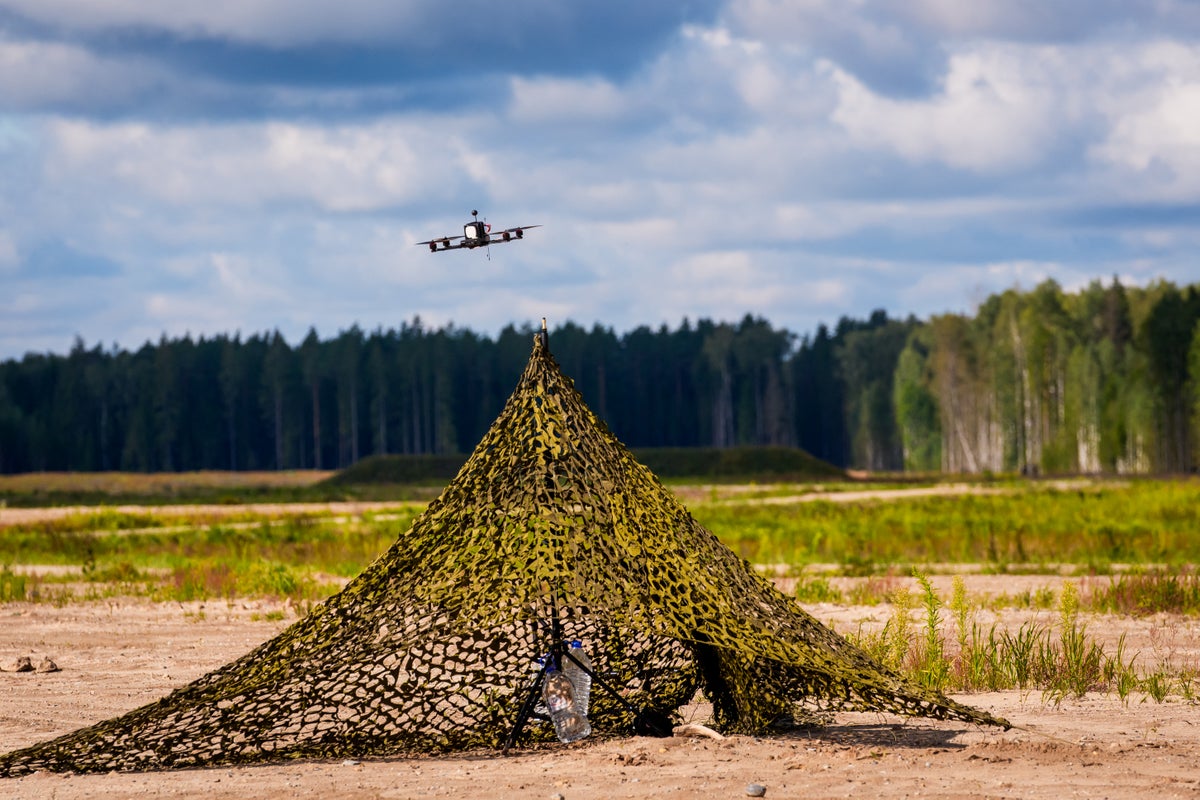
Ukraine-Russia war latest: Nato scrambles jets to shoot down Russian drone as Latvia issues air threat alert Latvian army says at least one drone confirmed to have entered its airspace from Russia in fresh escalation in Baltics
independent · about 2 hours ago
Lithuania-based French NATO fighter jets shoot down a drone over Latvia French fighter jets deployed on NATO air policing duty from Šiauliai air base shot down a drone over Latvia on Monday.
lrt · about 2 hours ago
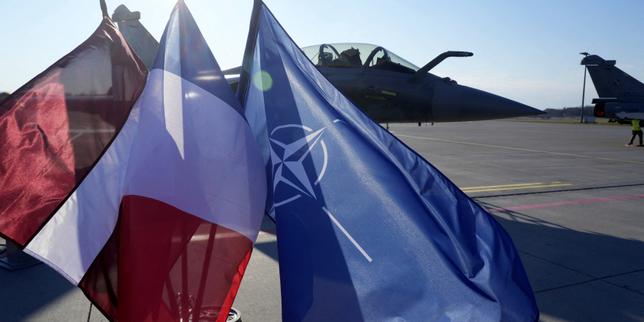
French NATO jets shoot down stray drone in Latvia This was the first time the alliances rapid reaction Baltic Air Policing mission has shot down a drone in Latvia.
le monde · about 2 hours ago

General Staff: russia has lost 1,374,950 invaders in #Ukraine since Feb. 24, 2022The number includes 1,330 casualties that russian invaders suffered over the past day.Invader russia has also lost 11,997 tanks, 24,705 armored combat vehicles, 104,414 vehicles and fuel tanks, 43,564 artillery systems, 1,847 multiple launch rocket systems, 1,409 air defense systems, 436 aircraft, 353 helicopters, 336,224 drones, 1,607 unmanned ground vehicles, 33 ships and boats, and two submarines. #eu #europe
mastodon bot · about 2 hours ago
Russian drones hit Konotop, three injured and person trapped under rubble – video Russian drones struck residential buildings in Konotop in Sumy Oblast. Three people were injured and rescue workers are searching for a person believed to be trapped under the rubble.
ukrpravda · about 3 hours ago
Two people waiting at bus stop injured in Russian attack on Odesa Two civilians were injured in a Russian attack on Odesa while waiting at a public transport stop.
ukrpravda · about 3 hours ago
Nato har skutt ned drone over Latvia Et fransk Nato-kampfly har skutt ned en drone i latvisk luftrom. Det bekrefter Latvias hær på X. Dette skjer kort tid etter at landets forsvar utstedte et luftfarevarsel i områdene langs landets grense mot Russland. Nå har alarmen gått igjen. Befolkningen i de berørte områdene er bedt om å om å søke tilflukt innendørs. Nato-styrker skjøt ned en drone over Estland 19. mai tidligere i år. Den dronen var trolig ukrainsk opplyste den estiske forsvarsministeren Hanno Pevkur. Siden mars har flere ukrainske droner fløyet inn i luftrommet til Nato-landene Estland, Latvia, Litauen. Også Finland har registrert ukrainske droner i sitt luftrom.
nrk · about 3 hours ago
Enemy drones attack Konotop, casualties reported Russian forces launched a drone attack on the city of Konotop in Ukraines Sumy region on Monday morning.
ukrinform · about 3 hours ago
Russia loses 1,330 troops, two air defense systems in war against Ukraine over past day Russias total combat losses since the start of its full-scale invasion of Ukraine on February 24, 2022, up to June 8, 2026, are estimated at about 1,378,950 personnel, including 1,330 soldiers killed or wounded in action over the past 24 hours.
ukrinform · about 3 hours ago
Russian drone strike partially destroys Ukrposhta hub in Kharkiv A Ukrposhta logistics hub in Kharkiv was partially destroyed during the night of June 8 as a result of a Russian drone strike.
ukrinform · about 3 hours ago
ADF neutralizes 124 of 155 drones launched by Russia overnight Ukraines air defense forces neutralized 124 of the 155 drones launched by Russian forces against the country beginning on the evening of June 7.
ukrinform · about 3 hours ago
Drone attack on Konotop: One woman killed, three injured A woman was killed in Konotop, Sumy region, as a result of a Russian drone attack.
ukrinform · about 3 hours ago
War update: 240 clashes between Ukrainian Defense Forces and Russian army reported on front lines Over the past 24 hours, on June 7, 240 clashes between the Ukrainian Defense Forces and Russian invaders took place on the front lines.
ukrinform · about 3 hours ago
Defense Forces strike oil depots in Crimea, FSB command post, and other Russian military facilities Units of the Ukrainian Defense Forces struck oil depots in the temporarily occupied Crimea, an FSB command post, and other Russian military facilities.
ukrinform · about 3 hours ago
Russians strike grain elevator in Velykyi Burluk, Kharkiv region, with drone; casualties reported The Russian army attacked a grain elevator in the village of Velykyi Burluk, Kharkiv region, with a drone; two workers were injured.
ukrinform · about 3 hours ago
Avioane NATO au doborât o dronă intrată în spațiul aerian al Letoniei dinspre Rusia Avioane NATO au doborât luni o dronă care a intrat în spațiul aerian al Letoniei dinspre Rusia, după ce autoritățile au emis avertizări pentru locuitorii din estul țării să se adăpostească. Originea aparatului de zbor nu a fost stabilită imediat.
digi24 · about 3 hours ago