 Sunday, June 7Sunday, June 7
French President Emmanuel Macron on Wednesday forcefully condemned Xenia Fedorova, the former head of Russia Today’s French-language channel RT France, as a “relay of Russian state propaganda,” as protests in Paris intensified over her continued presence in the country. Speaking to reporters on 4 June 2026, Macron said “nothing has changed” regarding Fedorova’s role in amplifying Kremlin narratives, a stance echoed by demonstrators who marched to demand the revocation of her residence permit.
Fedorova, who led RT France until its shutdown in 2023, remains a visible figure in French media, particularly through appearances on channels owned by Vincent Bolloré. Her regular commentary has sparked renewed controversy, with critics accusing her of serving as a mouthpiece for Moscow. On Wednesday, protesters gathered outside government offices in central Paris, carrying signs reading “Fedorova Out!” and calling for her expulsion. The demonstrations follow a wave of public pressure that has grown since RT France’s closure, as French authorities reassess the risks posed by individuals linked to foreign state media operations.
Macron’s intervention comes amid broader scrutiny of foreign influence in French public discourse. In a separate development, Thierry Frémaux, director of the Cannes Film Festival, distanced himself from a recent “Zapper Bolloré” controversy in the American press. In an interview with *Variety* published on 4 June, Frémaux condemned the “violence” of a protest letter opposing Bolloré’s media projects while affirming the right to oppose what he described as an “ideological project.” The remarks underscore tensions within France’s cultural and media sectors over the role of major shareholders in shaping editorial lines.
The Fedorova case also intersects with wider debates about Russian disinformation in Europe. Analysts note that her continued visibility in French outlets—despite RT France’s shutdown—raises questions about loopholes in media regulation and the enforcement of sanctions against Kremlin-aligned entities. The French government has not indicated whether it will take legal action against Fedorova, but the political pressure is mounting. With the European Union increasingly vigilant against foreign interference, her status could become a test case for how member states balance free speech with national security concerns.
For now, Fedorova remains in France, her future uncertain as public opinion hardens and officials weigh their next move. The episode serves as a reminder of the lingering aftershocks of Russia’s information war in Europe, long after the formal closure of its flagship media outlets.
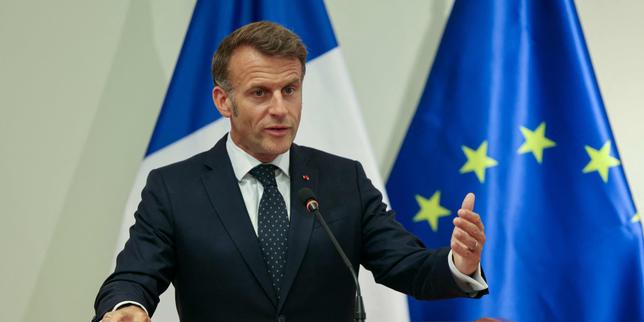
Macron warns against Russian propagandist Xenia Fedorova The French president weighed in on the controversy surrounding the former head of RT France, a Russian state-run outlet that was shut down in 2023. On Wednesday, protesters in Paris demanded her residence permit be revoked.
le monde · 2 days ago

Dans la presse américaine, le patron du festival de Cannes, Thierry Frémaux, revient sur la crise «Zapper Bolloré» Le délégué général sest exprimé dans un entretien publié par «Variety» jeudi 4 juin, prenant ses distances avec la «violence» de la tribune contestataire. Tout en reconnaissant le droit de sopposer au «projet idéologique» de lactionnaire de Canal +.
liberation · 2 days ago
François Hommeril, syndicaliste qui sort du cadre Le président de la CFE-CGC, docteur en physique, ingénieur et ambianceur, sapprête à quitter ses fonctions après trois mandats.
liberation · 2 days ago
Fedorova, Out!: Ex-RT Journalist Faces Increasing Scrutiny in France Three years after RT France was shut down, its former chief remains a visible — and controversial — figure in French media.
themoscowtimes · 2 days ago
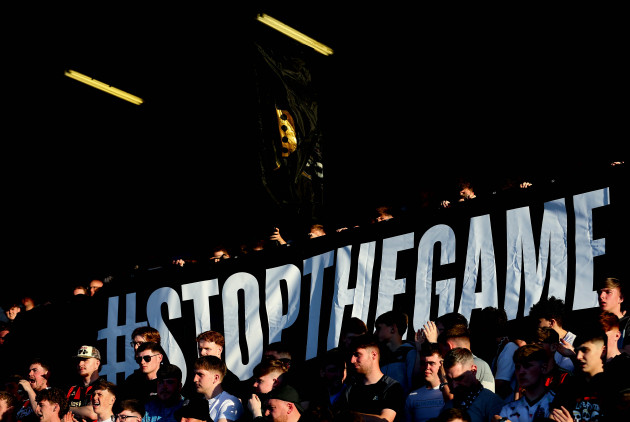
FAI board to meet this evening to discuss options for Ireland-Israel fixtures Board members wary of further protests ahead of Nations League games this autumn.
thejournal · 2 days ago
FT quiz: the week in news Ten topical questions to test your news nous
financial times · 2 days ago
«Les choses nont pas changé» : pour Emmanuel Macron, Xenia Fedorova reste un relais de la «propagande dEtat» russe Interrogé ce jeudi 4 juin, le président français sest prononcé sur le cas de la propagandiste proche de Poutine, dont la présence régulière dans les médias bolloréens crée la polémique.
liberation · 2 days ago
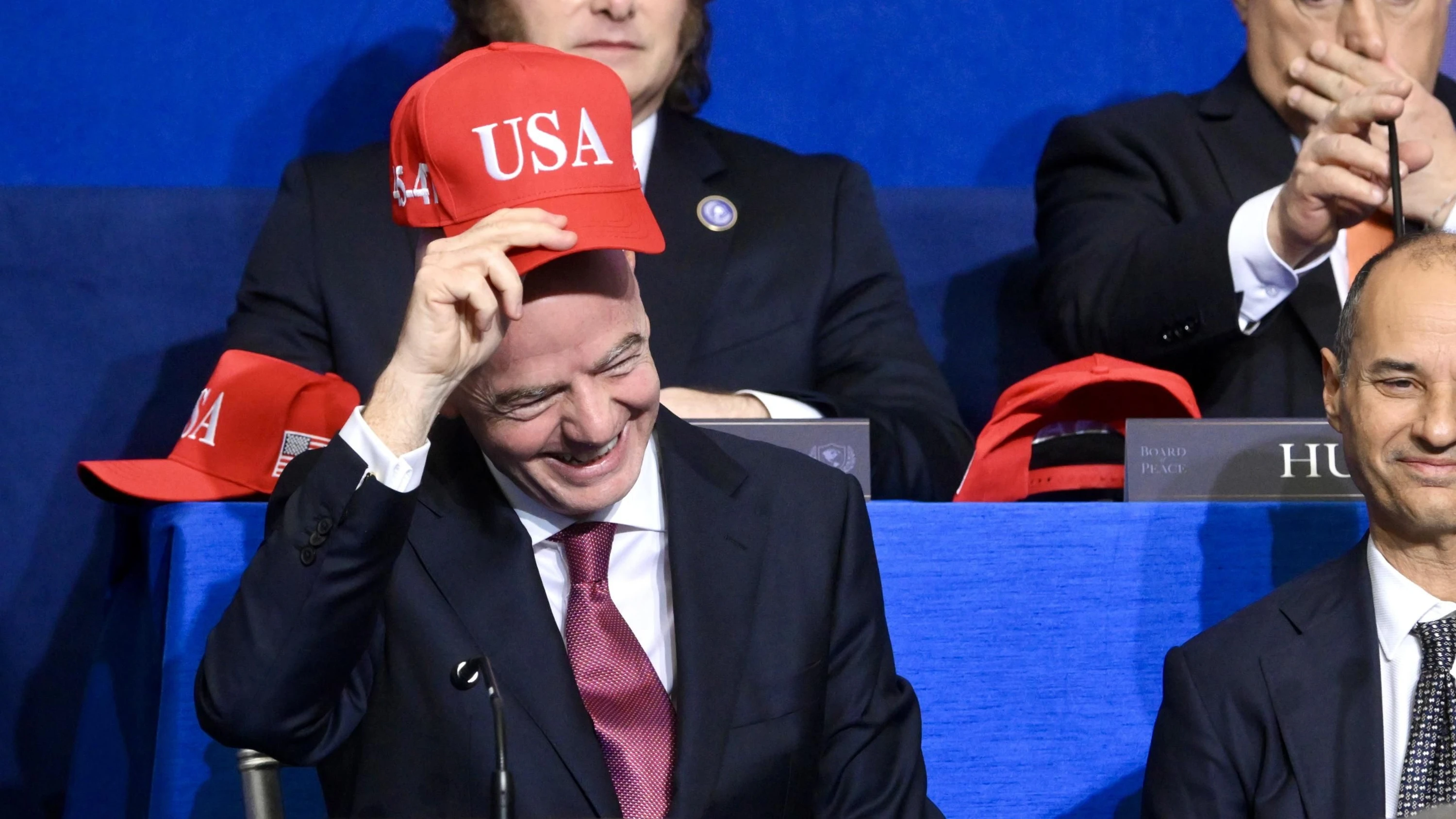
NGo startet Kampagne: „Die größte Beschwerde, die es gegen die FIFA je gab Wegen seines Verhaltens gegenüber Donald Trump steht Gianni Infantino seit Langem in der Kritik. Eine NGO will nun den Druck auf ihn erhöhen: mit einer Beschwerde, an der sich jeder beteiligen kann.
faz · 2 days ago

Fingal County Council says Nathan Carter show to go ahead despite ticket platform facing liquidation The Council said ticket sales were temporarily paused while the Council completes a review of matters relating to the appointed ticketing provider.
thejournal · 2 days ago