
Wolfgang Kubicki wins FDP leadership in surprise vote, defeating Strack-Zimmermann
Wolfgang Kubicki secures the leadership of Germany’s Free Democratic Party (FDP) in a surprise contest, defeating challenger Marie-Agnes Strack-Zimmermann with 59% of the vote at the party’s congress in Berlin today. The result ends a brief but dramatic leadership battle that saw Strack-Zimmermann, a prominent EU lawmaker, mount an unexpected bid for the chairmanship just hours before the vote.
Delegates at the FDP’s federal party conference elected Kubicki, the party’s long-serving deputy leader and a veteran of German politics, after Strack-Zimmermann’s late candidacy disrupted what had been a seemingly uncontested succession. Kubicki’s victory margin—59% to Strack-Zimmermann’s 41%—reflects broad but not unanimous support among the 600 delegates, according to live coverage from *Frankfurter Allgemeine Zeitung* and *Zeit* .
Strack-Zimmermann, known for her outspoken advocacy on defense policy and her role as chair of the Bundestag’s defense committee, framed her candidacy as a push for renewal within the FDP, which has struggled in recent polls. In her nomination speech, she reportedly criticized the party’s direction and called for a stronger focus on digital innovation and youth engagement—issues that resonate with the FDP’s historically young voter base. Kubicki, by contrast, positioned himself as a steady hand, emphasizing continuity and his experience in navigating coalition politics, particularly the FDP’s role in Germany’s current traffic-light government .
The contest unfolded rapidly. Until Saturday morning, Kubicki had been the sole candidate to succeed Christian Lindner, who stepped down as party leader earlier this year after the FDP’s poor performance in the 2025 European elections. Strack-Zimmermann’s decision to run—announced just before the vote—forced an immediate showdown, with delegates casting their ballots within hours of her nomination. The *Süddeutsche Zeitung* described the development as a "sudden power struggle" that exposed internal divisions over the party’s future .
Kubicki’s first test as leader will come quickly. The FDP, currently polling at around 5%, faces pressure to reverse its decline ahead of state elections in Thuringia and Saxony this September. Analysts suggest his victory may signal a preference for stability over radical change among the party’s establishment, though Strack-Zimmermann’s strong showing could embolden reformist factions. Meanwhile, Kubicki’s age—75—and his reputation as a traditionalist have sparked debate about the FDP’s appeal to younger voters, a demographic the party once dominated .
The new leadership team includes Michael Höne, a rising star in the party’s youth wing, as Kubicki’s deputy—a move some interpret as an attempt to bridge generational divides. Höne’s appointment was confirmed alongside Kubicki’s election, though details of the party’s broader strategic direction remain unclear. The FDP’s next federal congress, scheduled for November, will likely set the tone for its campaign ahead of the 2027 Bundestag elections.
Wolfgang Kubicki wins FDP leadership in surprise vote, defeating Strack-Zimmermann
- der standard
- die zeit
- sueddeutsche
- faz
Articles
Kubicki siegt bei überraschender Kampfabstimmung auf FDP-Parteitag Unerwartet forderte die EU-Abgeordnete Marie-Agnes Strack-Zimmermann den Favoriten Wolfgang Kubicki zum Kampf um den FDP-Vorsitz heraus. Doch sie unterlag
der standard · 8 days ago
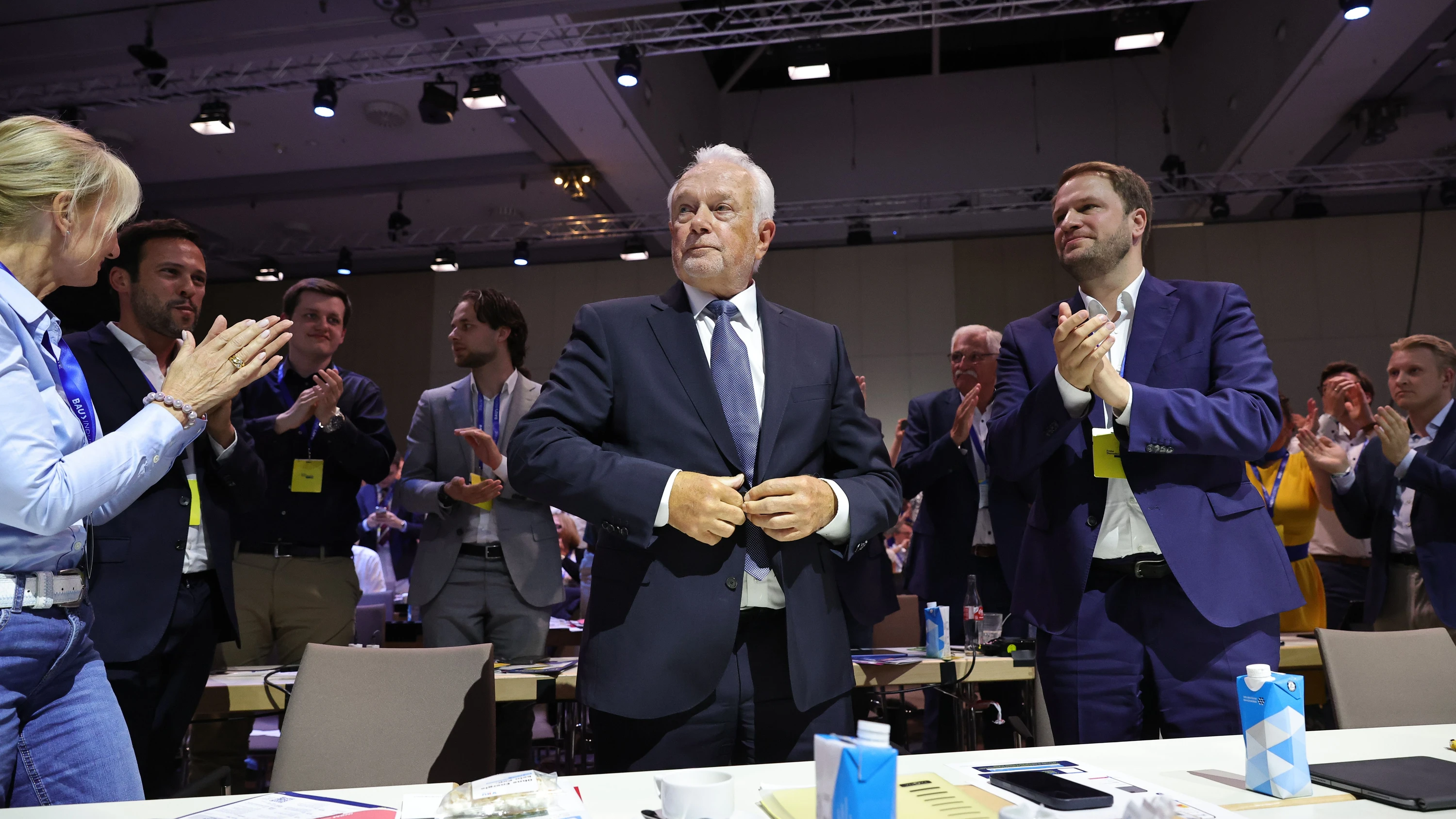
Deutschland-Liveblog: Kubicki gewinnt Kampfabstimmung um Bundesvorsitz der FDP 59 Prozent für Kubicki, Höne wird Stellvertreter +++ überraschende Kampfkandidatur von Strack-Zimmermann auf Berliner Parteitag +++ alle Entwicklungen im Liveblog
faz · 8 days ago
Kurzer Machtkampf um FDP-Spitze: Kubicki siegt bei Kampfabstimmung Überraschend trat Europa-Abgeordnete Strack-Zimmermann im Rennen um den Parteivorsitz gegen Kubicki an. Sie unterlag
der standard · 8 days ago

FDP-Parteitag: Strack-Zimmermann kandidiert gegen Kubicki für FDP-Parteivorsitz Überraschung auf dem FDP-Parteitag: Marie-Agnes Strack-Zimmermann bewirbt sich um den Parteivorsitz. Zuvor war Wolfgang Kubicki einziger Kandidat gewesen.
die zeit · 8 days ago
FDP-Parteitag: FDP wählt Wolfgang Kubicki zum neuen Bundesvorsitzenden Die Liberalen haben einen neuen Parteichef: Mit gut 59 Prozent der Stimmen hat Wolfgang Kubick die Kampfabstimmung gegen Marie-Agnes Strack-Zimmermann gewonnen.
die zeit · 8 days ago
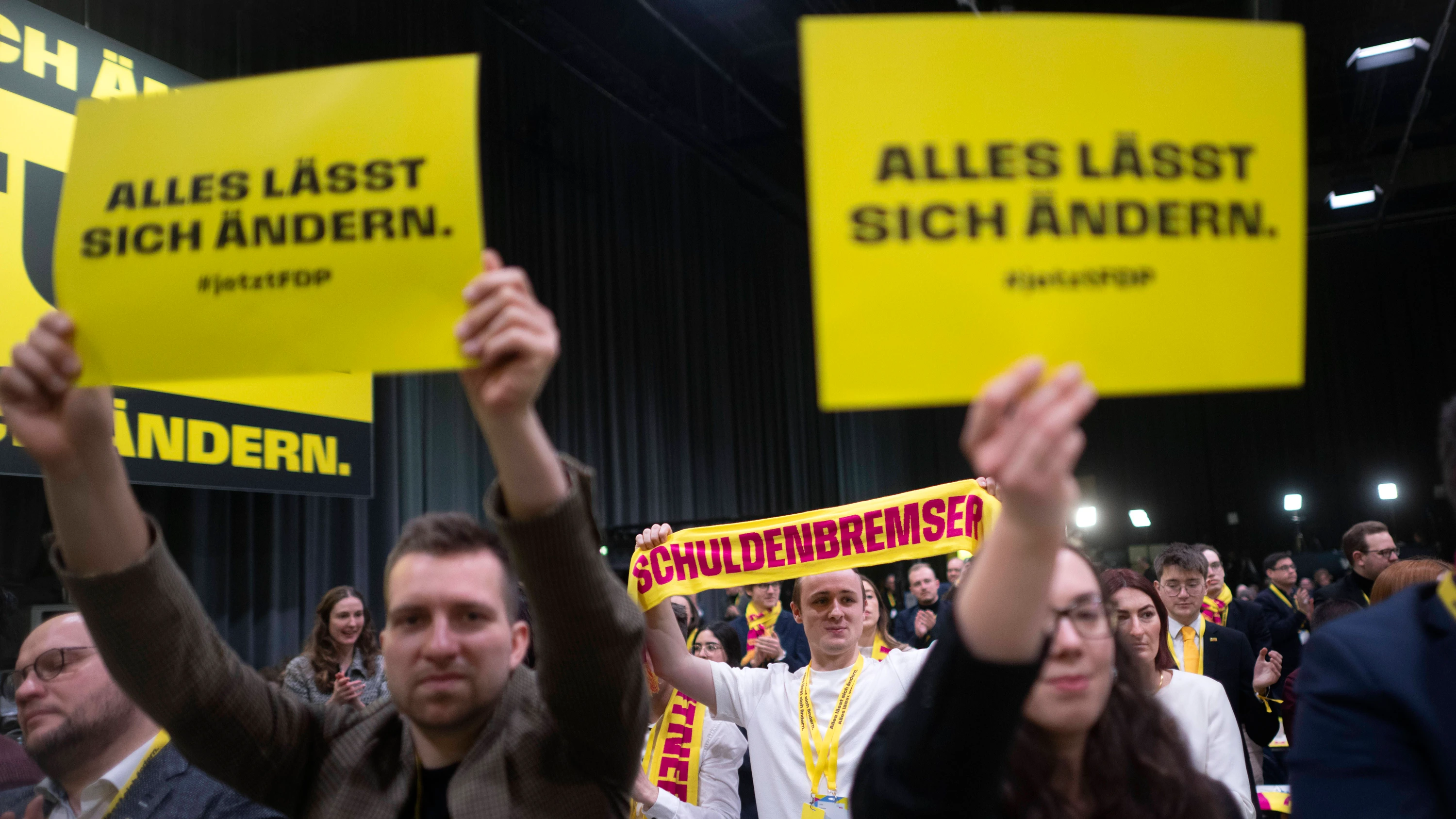
Die FDP und die Jugend: Mehr TikTok, weniger Talkshows Vor ein paar Jahren war die FDP noch die Partei der Jugend. Doch wie „jugendnah ist eigentlich Wolfgang Kubicki?
faz · 8 days ago
Deutschland-Liveblog: Kubicki zum Bundesvorsitzenden der FDP gewählt 59 Prozent der Delegierten wählen für Kubicki +++ Bewerbungsreden um den FDP-Vorsitz +++ überraschende Kampfkandidatur auf Berliner Parteitag von Strack-Zimmermann +++ alle Entwicklungen im Liveblog
faz · 8 days ago
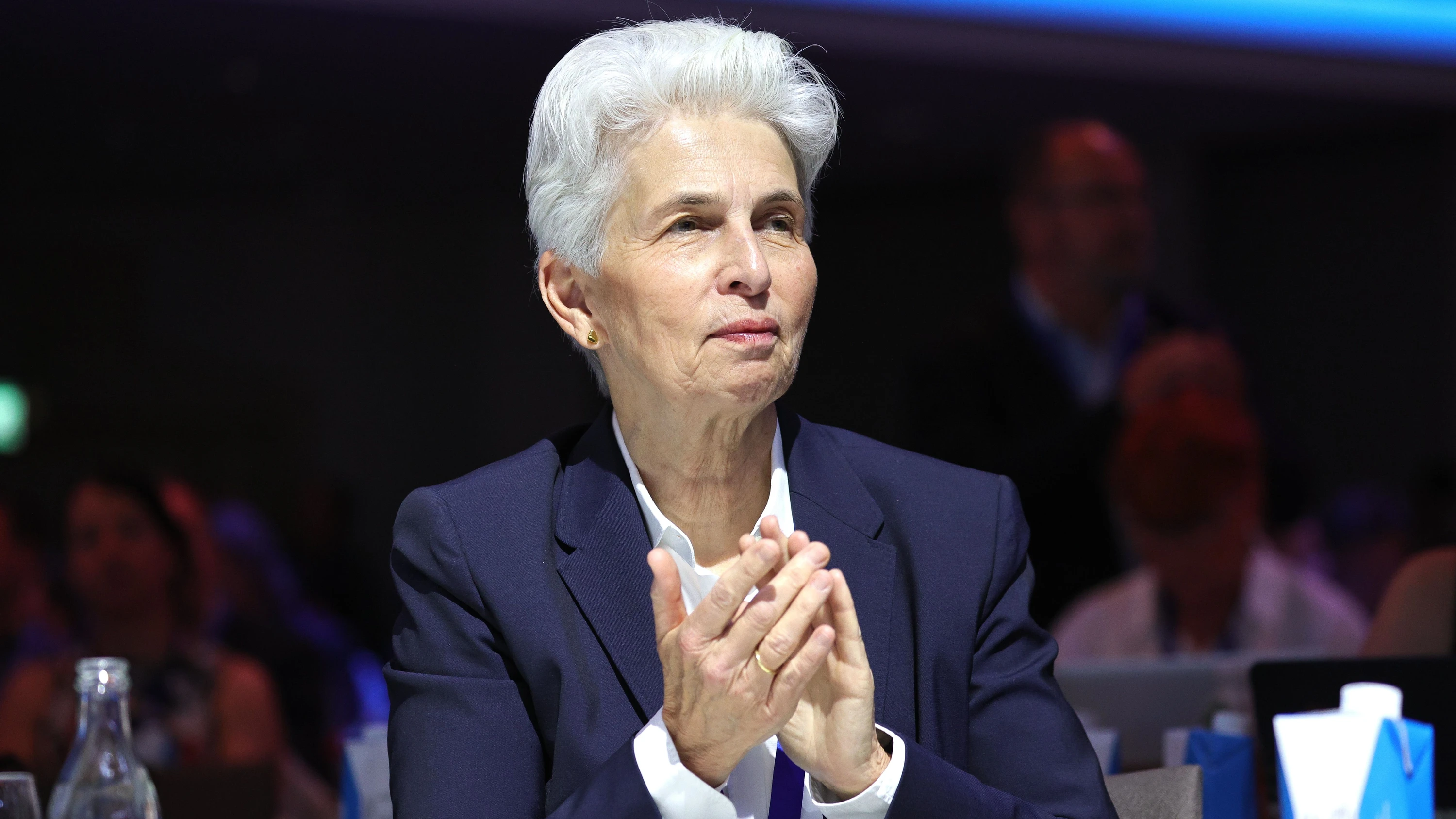
Deutschland-Liveblog: Strack-Zimmermann kandidiert als Parteivorsitzende der FDP Kampfkandidatur auf Berliner Parteitag gegen Kubicki +++ Bewerbungsreden um den FDP-Vorsitz +++ Wüst sichert Merz volle Unterstützung zu +++ alle Entwicklungen im Liveblog
faz · 8 days ago
Strack-Zimmermann tritt im Rennen um FDP-Vorsitz gegen Kubicki an Die Europa-Abgeordnete von den deutschen Liberalen kandidiert am Samstag überraschend gegen Kubicki bei der Wahl zum Parteivorsitz
der standard · 8 days ago
Parteitag: Unerwartete Kampfkandidatur beim FDP-Parteitag Eigentlich lief beim FDP-Parteitag alles auf Wolfgang Kubicki als neuen Parteichef hinaus. Doch plötzlich hat er eine Gegenkandidatin.
sueddeutsche · 8 days ago