 Thursday, May 21Thursday, May 21
The German automotive supplier Eberspächer is seeking to recover from financial difficulties by expanding its business in China, aiming to triple its revenue in the country by 2028. The company, traditionally a specialist in exhaust systems, plans to produce components in China that may later be integrated into Chinese vehicles exported to Europe. This strategy reflects a broader trend of European suppliers deepening ties with Chinese automakers to offset domestic market challenges .
The move aligns with Beijing’s efforts to strengthen economic relations with Europe amid geopolitical tensions, particularly as the U.S. and EU pursue de-risking strategies to reduce dependence on Chinese supply chains. However, this shift has raised concerns in Europe about over-reliance on Chinese manufacturing, especially in critical sectors like automotive components. The EU is simultaneously pressuring carmakers to diversify chip suppliers after the Nexperia crisis exposed vulnerabilities tied to a single Chinese-linked provider .
China’s influence over European supply chains is further illustrated by its silent coercion tactics, which have led to self-imposed restrictions by European governments and businesses to avoid economic retaliation. This dynamic complicates Europe’s attempts to balance economic cooperation with strategic autonomy, particularly in industries like automotive where Chinese dominance in electric vehicles (EVs) and raw materials (e.g., lithium) is growing . Meanwhile, Germany’s struggles to secure domestic lithium processing—despite EU backing—highlight the challenges of reducing reliance on Chinese-controlled resources .

Elektro-Traktoren: „Wie sollen wir bis 2045 klimaneutral werden, wenn wir uns nicht bemühen? Auf der Straße nimmt die Zahl der E-Auto langsam zu, in der Landwirtschaft sind Elektrotraktoren hingegen noch reine Exoten. Mit neuen Modellen und besserer Technik könnte sich das bald ändern.
faz · about 3 hours ago
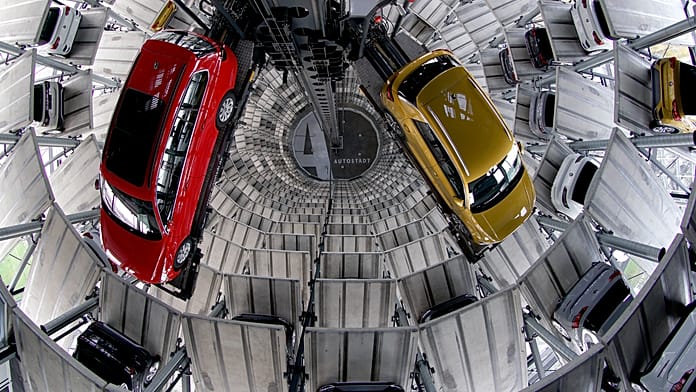
European carmakers face EU pressure to diversify chip suppliers EU set to force carmakers to source chips from multiple suppliers after the Nexperia crisis exposed dangerous dependence on a single Chinese-linked provider.
euronews · about 4 hours ago

Chinas global EV push reflects its ambition - and harsh economics at home
gdeltproject.org · about 5 hours ago
Is the West de-risking from China or containing its economy? As the US and Europe push to reduce reliance on China, Beijing tightens control over supply chains.
aljazeera · about 6 hours ago
Mașini produse în Europa care se încadrează în programul Rabla 2026 Interesul pentru „Rabla 2026 cu mașini produse în Europa este tot mai mare, în contextul în care autoritățile europene și guvernele naționale încearcă să susțină industria auto locală și producția realizată în Uniunea Europeană.
adevarul · about 6 hours ago
How Chinas silent coercion has Europe sanctioning itself Beijing no longer needs to actively deploy economic coercion to shape Europes economic agenda in its interest
european council · about 6 hours ago

Rhein-Main-Gebiet: Chinesen massenhaft eingeschleust und ausgebeutet Ermittler durchsuchen Wohn- und Geschäftsräume sowie Lagerhallen im Rhein-Main-Gebiet. Firmen sollen illegal Arbeiter aus China beschäftigt haben – und unter widrigen Bedingungen untergebracht.
faz · about 7 hours ago
Rohstoff-Wettlauf gegen China: Warum Deutschland sich selbst bremst Genug Lithium für 500.000 E-Auto-Batterien pro Jahr – das will Rock Tech Lithium künftig im brandenburgischen Guben aufbereiten. Die EU feiert das geplante Werk als strategisches Vorzeigeprojekt, Mercedes-Benz hat die Abnahmeverträge längst unterschrieben. Doch auf der Baustelle steht kein einziger Bagger. Joana Lehner spricht mit Mirco Wojnarowicz, dem CEO von Rock Tech Lithium. Er erklärt, […]
politico.eu · about 7 hours ago
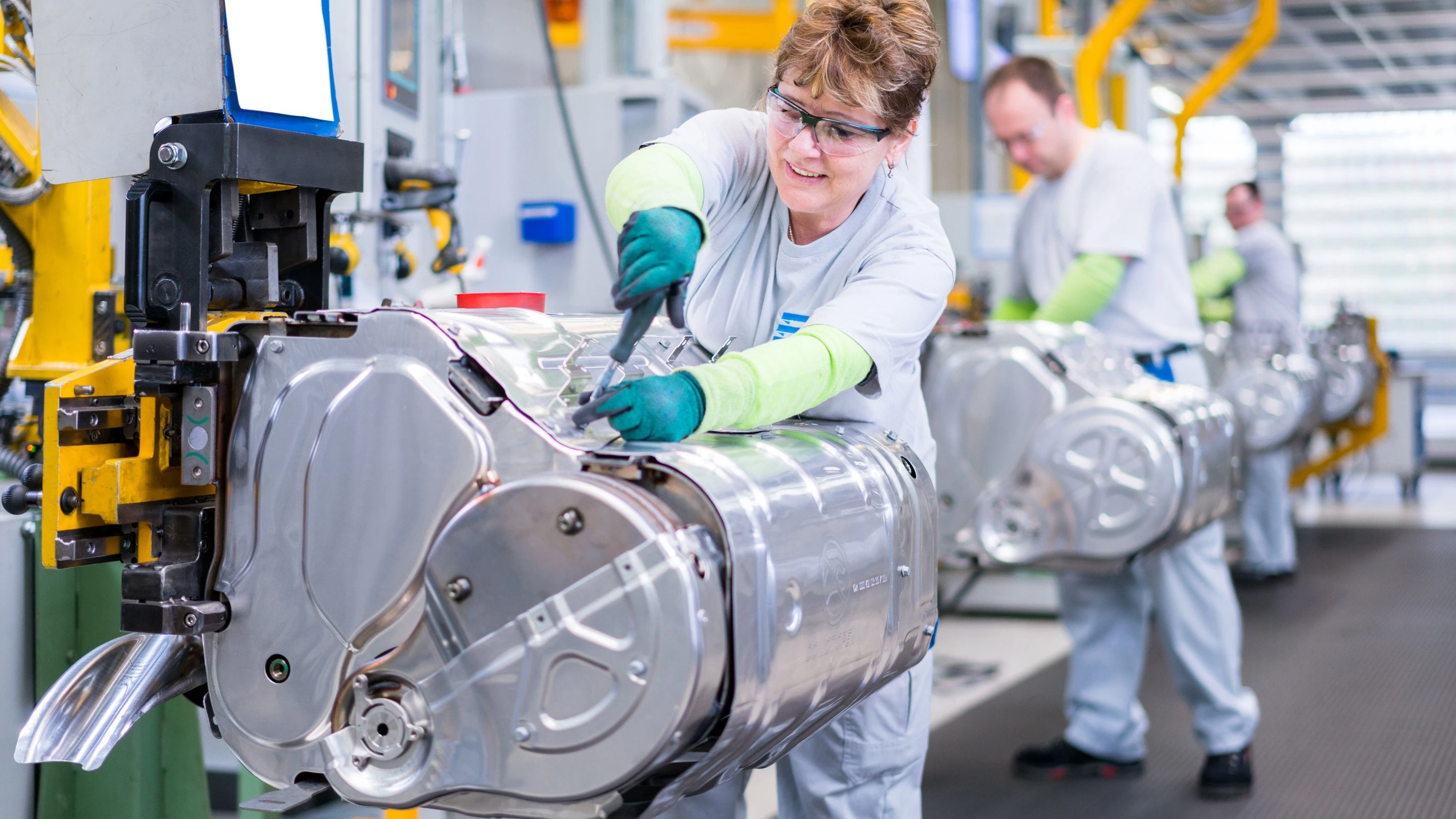
Autozulieferer: Chinesische Kunden sollen Eberspächer aus Krise helfen Der schwäbische Autozulieferer will seinen Umsatz in China bis zum Jahr 2028 verdreifachen. Die vom Abgasspezialisten in Fernost gefertigten Teile könnten dann auch wieder nach Europa kommen – in chinesischen Fahrzeugen.
faz · about 7 hours ago
Decoding China: Beijing courts Europe amid US dysfunction | Hellenic Shipping News Worldwide
gdeltproject.org · about 9 hours ago
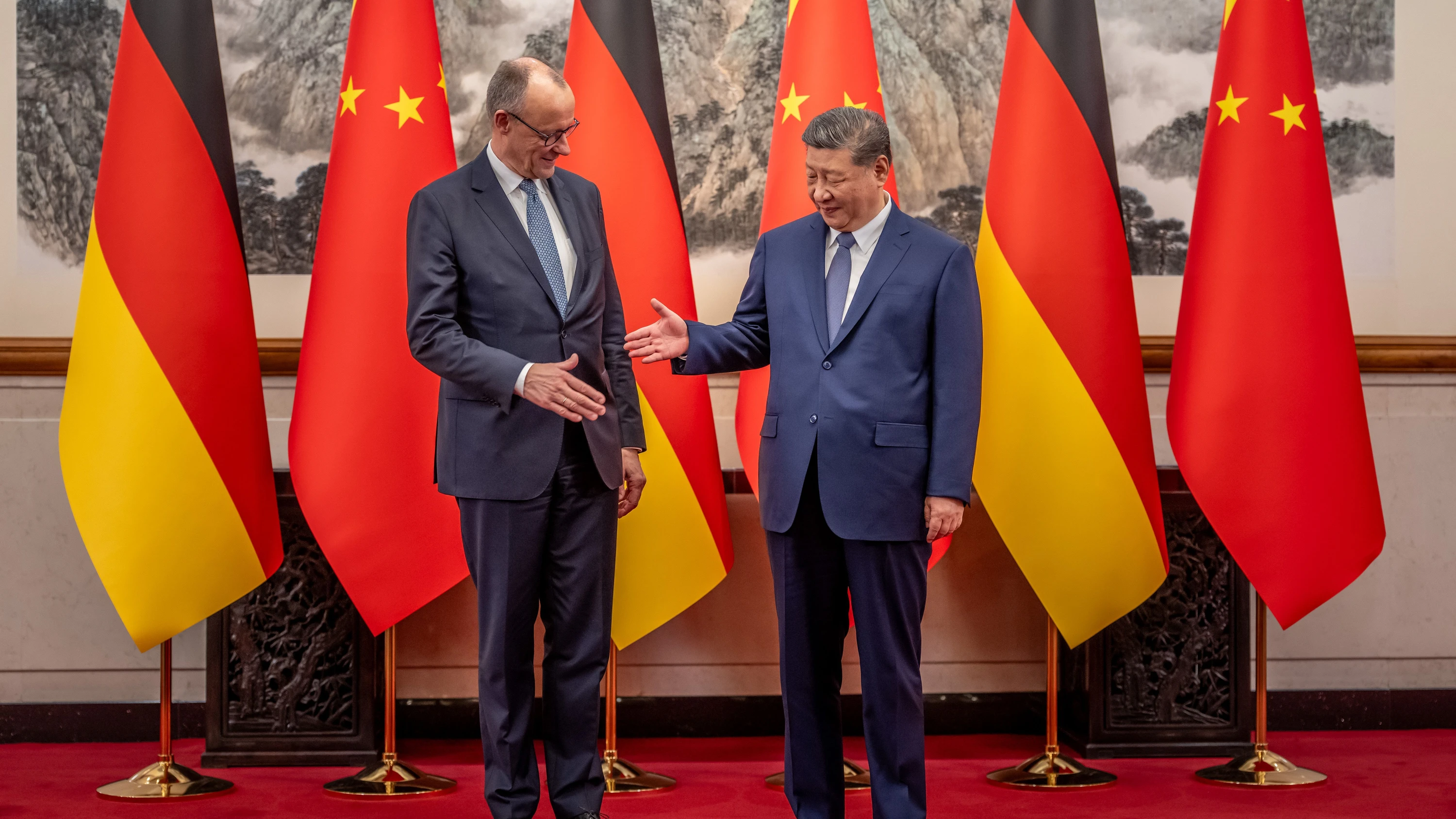
Business-Ticker: Ausländische Investitionen in Deutschland deutlich gesunken China Investor Nr. 1 +++ Deutscher Exportüberschuss mit USA fällt um ein Drittel +++ Bund plant Einstieg mit 40 Prozent bei Panzerbauer KNDS +++ Neuigkeiten im Unternehmen-Liveblog.
faz · about 12 hours ago
Europes trade weaponry is useless without political will To stand up to China, the EU needs courageous governments, not another Commission regulation
financial times · about 12 hours ago