
African lawmakers endorse anti-LGBT charter, sparking rights backlash
African lawmakers have backed a push for tougher anti-LGBT laws following a conference in Ghana. The conference, held in early June 2026, gathered hundreds of African delegates who discussed and endorsed a charter on African family values. This charter emphasizes heterosexuality as the norm and seeks to exempt Africa from certain human rights obligations regarding women and LGBTQI communities.
The conference, which took place in Ghana, has sparked a wave of conservative sentiment across the continent. Delegates from various African nations came together to discuss and promote what they describe as traditional family values. The charter, which was endorsed by the delegates, aims to establish heterosexuality as the norm within the family structure and to free African nations from certain international human rights obligations, particularly those related to women and LGBTQI communities.
This move is seen as a significant setback for human rights in Africa, particularly for women and LGBTQI individuals. The conference and the resulting charter reflect a growing conservative trend on the continent, with many lawmakers and delegates advocating for policies that align with traditional values and norms.
The conference in Ghana is part of a broader conservative wave sweeping across Africa. This trend is characterized by a renewed emphasis on traditional family values and a resistance to what are perceived as Western impositions on human rights. The charter endorsed by the delegates is a clear manifestation of this trend, as it seeks to establish heterosexuality as the norm and to exempt African nations from certain international human rights obligations.
The implications of this conference and the resulting charter are far-reaching. For women and LGBTQI communities in Africa, this could mean a rollback of hard-won rights and protections. The charter's emphasis on heterosexuality as the norm could lead to increased discrimination and marginalization of LGBTQI individuals. Similarly, the exemption from certain human rights obligations could result in a reduction of protections for women.
The conference in Ghana and the resulting charter have drawn criticism from human rights organizations and advocates. They argue that the charter is a step backward for human rights in Africa and could lead to increased discrimination and marginalization of vulnerable groups. However, supporters of the charter argue that it is a necessary step to protect traditional family values and to resist what they see as Western interference in African affairs.
The conference in Ghana and the resulting charter are part of a broader conservative wave sweeping across Africa. This trend is characterized by a renewed emphasis on traditional family values and a resistance to what are perceived as Western impositions on human rights. The charter endorsed by the delegates is a clear manifestation of this trend, as it seeks to establish heterosexuality as the norm and to exempt African nations from certain international human rights obligations.
The implications of this conference and the resulting charter are far-reaching. For women and LGBTQI communities in Africa, this could mean a rollback of hard-won rights and protections. The charter's emphasis on heterosexuality as the norm could lead to increased discrimination and marginalization of LGBTQI individuals. Similarly, the exemption from certain human rights obligations could result in a reduction of protections for women.
The conference in Ghana and the resulting charter have drawn criticism from human rights organizations and advocates. They argue that the charter is a step backward for human rights in Africa and could lead to increased discrimination and marginalization of vulnerable groups. However, supporters of the charter argue that it is a necessary step to protect traditional family values and to resist what they see as Western interference in African affairs.
In conclusion, the conference in Ghana and the resulting charter represent a significant development in the ongoing debate over human rights and traditional values in Africa. The charter's emphasis on heterosexuality as the norm and its exemption from certain human rights obligations have drawn criticism from human rights advocates, but supporters argue that it is a necessary step to protect traditional family values. The implications of this conference and the resulting charter are far-reaching and could have significant consequences for women and LGBTQI communities in Africa.
- 1
- 1
- 1
- 1
2 further sources not geolocated
Articles

Une vague conservatrice déferle sur lAfrique, au nom des valeurs familiales Des centaines de délégués africains réunis début juin au Ghana ont statué sur un projet de charte sur les valeurs familiales africaines. Celle-ci prétend ériger lhétérosexualité en norme au sein de la famille, et sémanciper des certaines obligations en matière de droits humains notamment vis-à-vis des femmes et des communautés LGBTQI.
courrier international · about 3 hours ago

African lawmakers back push for tougher anti-LGBT laws after Ghana conference reut.rs/4xF8KQ3
bluesky bot · about 3 hours ago

Le nouveau single dAngèle est sorti : est-ce vraiment la tuerie annoncée ? Voici ce que lon en pense What You Want sorti il y a trois mois, avec la collaboration de Justice, a placé la barre haut. Quen est-il de ce nouveau titre ? ...
la libre · about 3 hours ago
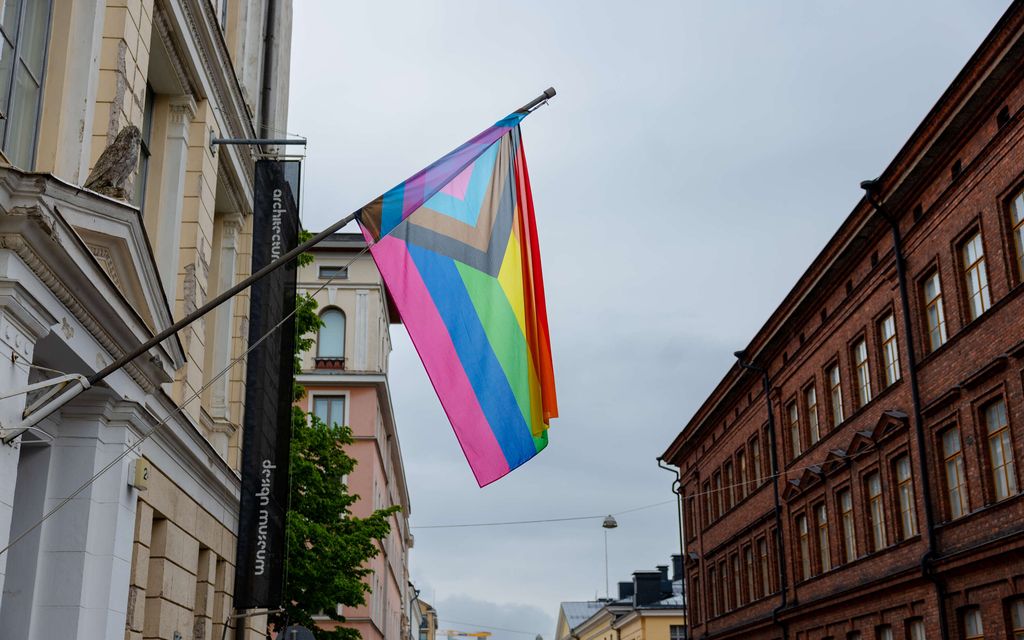
Kansanedustaja heitti Pride-lipun roskiin – Minusta nämä eivät kuulu yhteenkään lipputankoon
iltalehti · about 3 hours ago

4 June 2026 - Georgia: U.S. Talks and New Hate Speech Law
commonspace · about 3 hours ago
EP Lawmakers Push to Harden Turkey Report over Human Rights Violations and Pressure on Opposition
gdeltproject.org · about 3 hours ago