Loading…
 Saturday, August 29Saturday, August 29
3 months · 3 summary articles
U.S. launches second night of strikes on Iran as Pentagon warns of "hard" retaliation
U.S. and Iran exchange direct strikes as Kuwait intercepts missiles
U.S. strikes Iranian missile sites in Strait of Hormuz, violating ceasefire
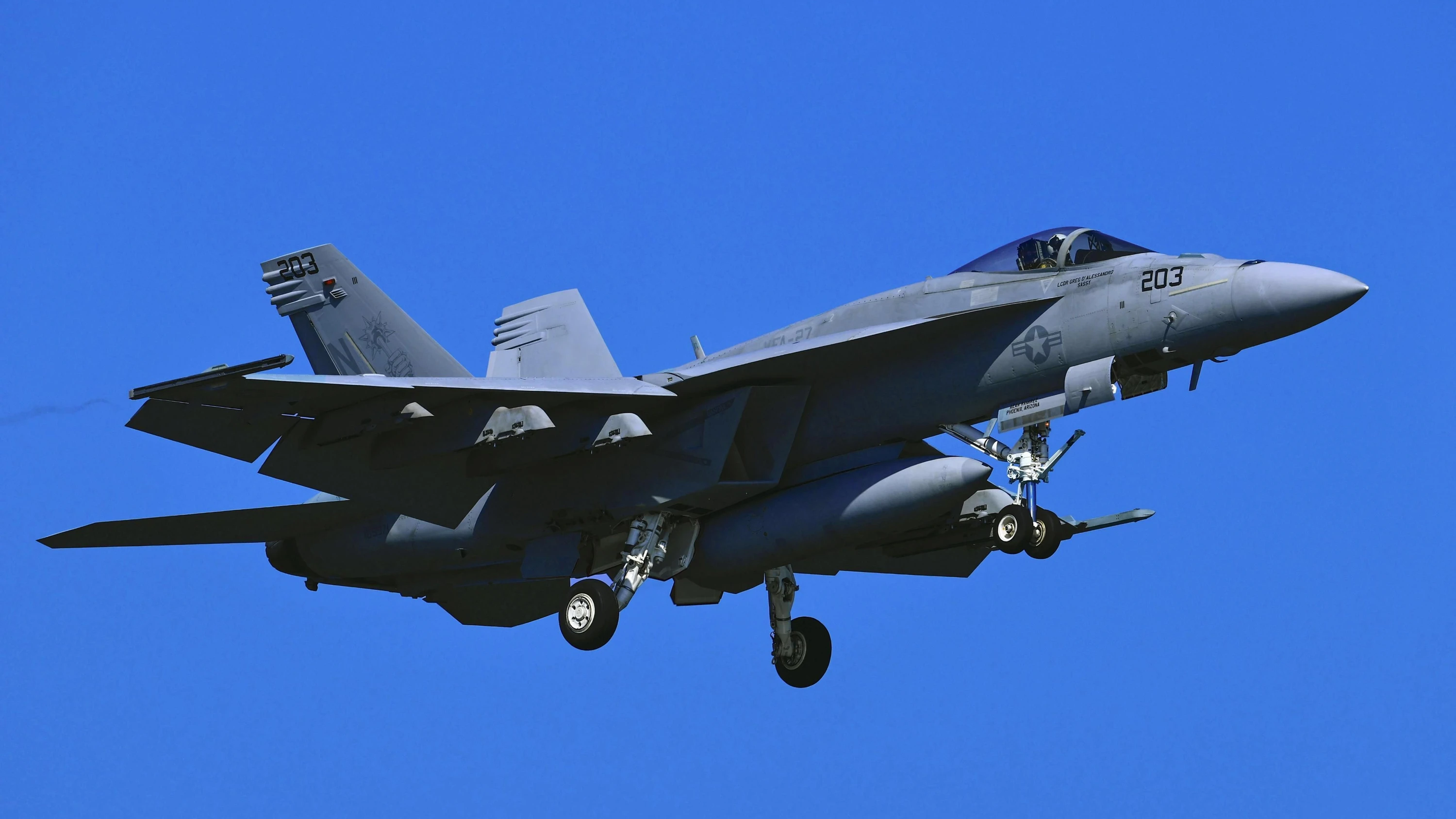
The U.S. and Iran traded direct military strikes over the weekend, escalating tensions in the Persian Gulf as Tehran launched ballistic missiles at a Kuwaiti air base housing American forces in retaliation for U.S. attacks on Iranian soil. Kuwait’s air defenses intercepted multiple drones and missiles early Monday, while U.S. Central Command (CENTCOM) confirmed it had targeted Iranian radar sites, drone command centers, and air defenses in the cities of Goruk and on Qeshm Island on Saturday and Sunday. The U.S. called the strikes "self-defense," citing Iran’s downing of an American MQ-1 drone over international waters and threats to regional shipping.
Iran’s Islamic Revolutionary Guard Corps (IRGC) claimed responsibility for the missile attack on Kuwait’s Ali Al-Salam Air Base, which hosts U.S. troops, though Kuwaiti officials reported no casualties. Unverified footage on Telegram showed a ballistic missile launch from Iran’s Khuzestan Province toward the base. U.S. Defense Secretary Pete Hegseth declined to confirm reports of five American service members injured in the strike, which also destroyed a U.S. MQ-9 Reaper drone.
The exchanges mark the first direct U.S.-Iran kinetic confrontation since April, when Washington and Tehran conducted tit-for-tat strikes amid broader regional instability. CENTCOM said its weekend operations were "measured and deliberate," destroying Iranian air defenses, a ground control station, and two attack drones. Iran’s state media has not detailed its own losses but acknowledged the U.S. strikes, framing them as violations of sovereignty.
In Tehran, the humanitarian toll of the conflict is mounting. Norwegian Refugee Council (NRC) Secretary-General Jan Egeland warned that entire residential neighborhoods in the capital have been destroyed, with civilian suffering "ignored in a geopolitical chess game" between Iran, the U.S., and Israel. Meanwhile, Iran resumed gas production at three platforms in the South Pars field—the world’s largest—after wartime damage to onshore facilities from earlier U.S.-Israeli strikes disrupted output.
European leaders have yet to issue a unified response, though the escalation risks further destabilizing the Gulf, where Kuwait and other Arab states have sought to avoid entanglement in the U.S.-Iran proxy conflict. With both sides framing their actions as defensive, the cycle of retaliation threatens to deepen as Iran’s leadership vows to continue its "resistance" posture.
Follow us for live European news
2 further sources not geolocated

US says it struck Iranian military sites, Tehran responds with air base attack
news.yahoo.com · 3 months ago

U.S. Strikes Iranian Air Defenses, Drone Site in New Hormuz Skirmish Kuwait reported missile and drone attacks after Iran vowed retaliation.
wsj · 3 months ago

US military hit multiple targets in Iran this weekend Over the weekend, the US military (Centcom) conducted self-defense attacks against several military facilities in the Iranian city of Goruk and on Qeshm Island. Centcom stated that the Saturday and Sunday attacks responded to aggressive Iranian actions, including the downing of a US MQ-1 drone over international waters. US fighter jets eliminated Iranian air defense […]
cphpost · 3 months ago
Irankrieg: US-Militär greift Radar- und Kontrollstation im Iran an Die USA haben Luftangriffe auf iranische Radar- und Kommando- sowie Kontrollstationen für Drohnen geflogen. Kuwait fängt Raketen- und Drohnenangriffe ab. Das Liveblog
die zeit · 3 months ago
🇮🇷❌🇺🇸🇰🇼 — Footage of the ballistic missile launch from Khuzestan Province, Iran towards Ali Al-Salam Base, Kuwait. @GeoPWatch
telegram bot · 3 months ago
Liveblog Irankrieg: USA haben Ziele in Iran angegriffen – Teheran meldet Gegenschlag Kuwait fängt Raketen- und Drohnenangriffe ab +++ Insider: USA dringen auf neue Waffenruhe zwischen Israel und Hizbullah +++ Irans Präsident fordert neuen Politikstil +++ alle Entwicklungen im Liveblog
faz · 3 months ago

Middle East crisis live: Kuwait reports missile and drone attack; US says it struck Iran radar sites over weekend Kuwaiti state media report sirens sounding across the country, as officials say air defences active over the countryEuropean leaders condemn Israels deepening incursion into Lebanon US central command (Centcom) has said that it struck targets in Iran over the weekend, in a statement that came just minutes after Kuwait announced it was under attack.Labelling their actions self-defence, the US said it hit Iranian radar and command and control sites for drones in Goruk, Iran and Qeshm Island.The measured and deliberate strikes occurred on Saturday and Sunday in response to aggressive Iranian actions that included the shootdown of a U.S. MQ-1 drone that was operating over international waters. U.S. fighter aircraft swiftly responded by eliminating Iranian air defenses, a ground control station, and two one-way attack drones that posed clear threats to ships transiting regional waters. Continue reading...
theguardian · 3 months ago
Iran restarts gas output at three South Pars platforms Iran has resumed natural gas production at three offshore platforms in the South Pars field, the worlds largest gas field, which it shares with Qatar. Output had been halted due to wartime damage to onshore processing facilities from US‑Israeli strikes.
yenisafak · 3 months ago

Här i Teheran har hela bostadskvarter ödelagts Världen ignorerar befolkningen i Iran. Och läget är akut. Det är norska hjälporganisationen NRC:s slutsats, efter några dagars runtresa i landet. – Konsekvenserna för civilbefolkningen glöms bort i ett slags schackspel mellan Iran på ena sidan och USA och Israel på andra, säger generalsekreteraren Jan Egeland till DN.
dagens nyheter · 3 months ago
🇮🇷❌🇺🇸🇰🇼- This morning, NewsNation asked U.S. Secretary of Defense Pete Hegseth, upon his arrival at Joint Base Andrews following his return from Singapore, whether he could confirm reports of five U.S. service members injured in the Iranian retaliatory strike on Ali Al Salem Air Base in Kuwait, which also destroyed a U.S. MQ-9 drone. Hegseth declined to comment. @GeoPWatch
telegram bot · 3 months ago