 Sunday, June 7Sunday, June 7
The UK’s spending watchdog has exposed how Prince Andrew, the disgraced younger brother of King Charles III, generated private income by subletting three cottages on the Windsor Royal Lodge estate while paying a peppercorn rent to the Crown Estate. A National Audit Office (NAO) report published on Friday details how Andrew Mountbatten-Windsor held leases for ten properties, three of which he sublet, despite occupying the estate at a fraction of market value.
The NAO’s review, the most detailed examination of royal property arrangements to date, reveals that Andrew’s leases were based on commercial valuations for some properties, while others carried negligible or no rent at all. The report also discloses that King Charles pays adjusted rents—below open market value—from his private Duchy of Lancaster income for the non-working royal daughters, Princesses Beatrice and Eugenie, to reside in royal palaces. The arrangement has raised further questions about the transparency and fairness of the Crown Estate’s lease agreements with senior royals.
According to the NAO, Andrew’s subletting of the three cottages generated private income, though the exact financial details remain undisclosed. The report does not specify the rental income or the identities of the subtenants, but it underscores the potential for conflict between the Crown Estate’s public obligations and the private financial activities of its royal leaseholders. The NAO’s findings come amid ongoing scrutiny of the monarchy’s finances and the use of public assets by its members.
The revelation adds to the long-standing controversies surrounding Prince Andrew, who stepped back from public duties in 2019 following his association with convicted sex offender Jeffrey Epstein. The latest disclosures follow earlier reports that Andrew lived rent-free in the Royal Lodge until recently, despite his reduced role within the royal family. The NAO’s report does not address whether Andrew’s subletting activities violated any specific rules, but it highlights the need for clearer guidelines on the use of royal properties and the financial arrangements tied to them.
In response to the report, a spokesperson for the Crown Estate stated that all lease agreements are reviewed regularly to ensure they align with public and commercial interests. The NAO has called for greater transparency in the valuation and leasing of royal properties, suggesting that future reviews should include more granular financial disclosures. The findings are likely to fuel further debate about the monarchy’s use of public resources and the accountability of its senior members.
The NAO’s report arrives at a time when the British monarchy faces increasing pressure to modernise its operations and justify its public funding. As the royal family navigates these challenges, the latest revelations about Prince Andrew’s property dealings are sure to intensify calls for reform.
Prince Andrew sublets royal cottages while paying peppercorn rent, NAO reveals

100 milliárd közelébe drágult a budavári József főhercegi palota újjáépítése Az építkezés negyedik üteménél járnak, a vége még nem látszik. Eddig 35 milliárd értékben kötöttek szerződést, 75 milliárd értékben vállaltak kötelezettségeket-.
hvg.hu · 2 days ago

Gjestene ledes inn med et forgylt skilt og innsjekkingsdetaljer ved ringeklokken. Eneste problemet? Dette er ikke et hotell. Nesten 30 pågående saker om mulig ulovlig hotelldrift i vanlige boliger er under behandling hos Plan- og bygningsetaten.
aftenposten · 2 days ago

Africas hottest new safari lodges are redefining luxury travel in the wild
news.yahoo.com · 2 days ago
Mon proprio impitoyable : «Les ouvriers du chantier, que je pense de mèche, me font clairement de lintimidation» Trouver un logement peut savérer difficile. Mais les relations avec le propriétaire le sont parfois plus. Dans le cinquième épisode de notre série, David fait face à un bailleur quasiment fantomatique pendant cinq ans, jusquau risque deffondrement…
liberation · 2 days ago
Crown Prince Christian appointed second lieutenant On Thursday, June 11, Crown Prince Christian will be appointed second lieutenant at the Guard Hussar Barracks in Slagelse, attended by his parents, King Frederik and Queen Mary. The 20-year-old heir began conscription at the Guard Hussar Regiment in February 2025 and started lieutenant training on August 11, 2025. He will subsequently serve as a […]
cphpost · 2 days ago
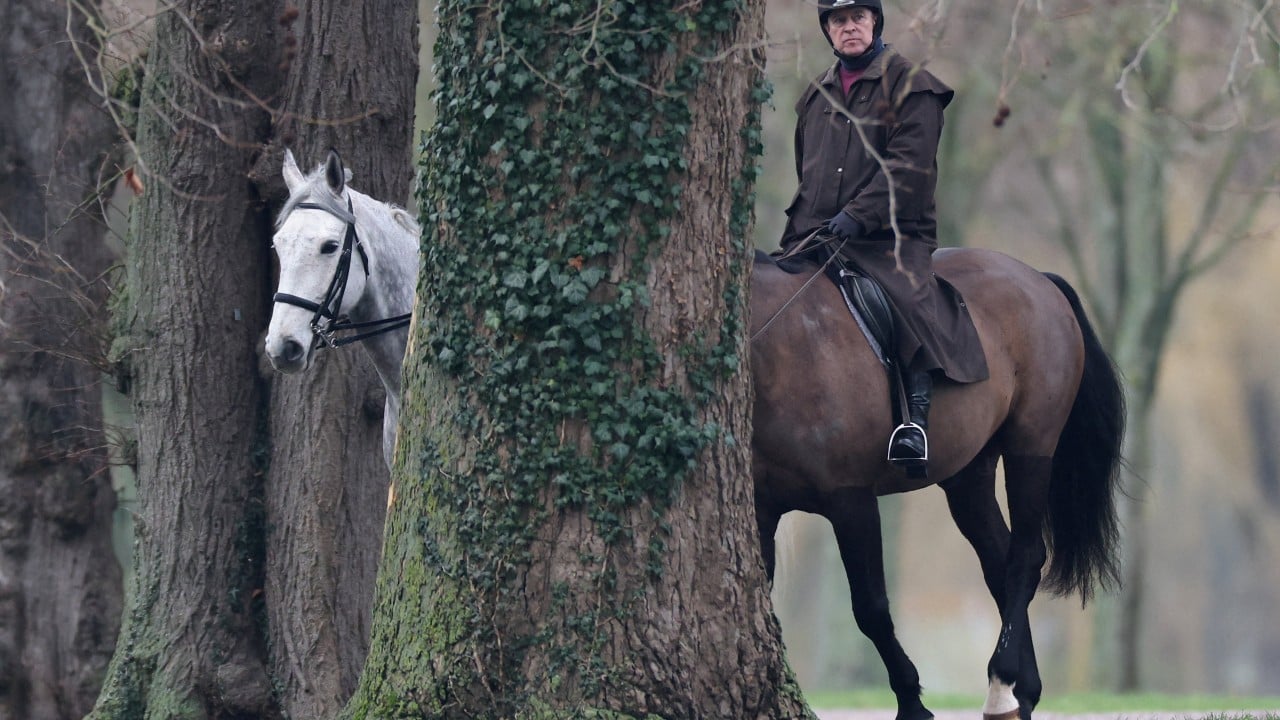
Auditors shine light on UK royal housing, disgraced Andrews peppercorn rent King Charles disgraced younger brother Andrew Mountbatten-Windsor held leases for 10 properties, three of which he sublet, while the monarch pays rent for the former princes daughters palace homes, a report by the UKs spending watchdog said. In the most detailed review ever of royal property arrangements, the National Audit Office (NAO) report on Friday showed some leases were based on commercial valuations, while for others, senior figures paid no rent or negligible amounts for their...
south china morning post · 2 days ago

UKs spending watchdog shines light on royals and their properties reut.rs/4dRQGup
bluesky bot · 2 days ago
Ideale Arbeitsorte: Zwischen Herrengasse und dem Burgenland [premium] Lagefragen mit Hannes Speiser: Warum Immobilien mehr brauchen als eine gute Lage und wo Ideen reifen.
die presse · 2 days ago
Ex-Prinz Andrew vermietete Cottages in Royal Lodge
orf.at · 2 days ago

Andrew sublet three cottages while paying peppercorn rent to crown estate Report into royal property affairs reveals disgraced ex-prince generated private income from Windsor Royal LodgeAndrew Mountbatten-Windsor received private income from subletting three cottages on his Windsor Royal Lodge estate while paying a peppercorn rent to the crown estate, a report into royal property arrangements has revealed.The National Audit Office (NAO) review also shows that King Charles pays an adjusted rent from his private Duchy of Lancaster income, below open market value, for his disgraced brothers non-working royal daughters, princesses Beatrice and Eugenie, to live in royal palaces. Continue reading...
theguardian · 2 days ago
Pallant House Gallery searches for the soul of Britain This evocative exhibition of landscapes reveals how war and social upheaval complicated ideas of the picturesque
financial times · 2 days ago
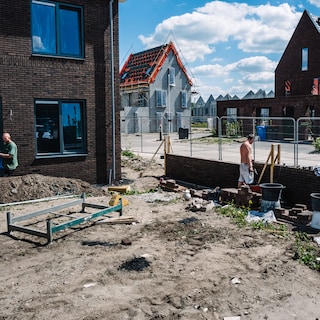
Verduurzamen van Nederlandse huizen gaat het snelst bij de rijksten
de volkskrant · 2 days ago
Wohnprojekt: Buhlen um Zuzug: Probewohnen in Brandenburger Kommunen
die zeit · 2 days ago
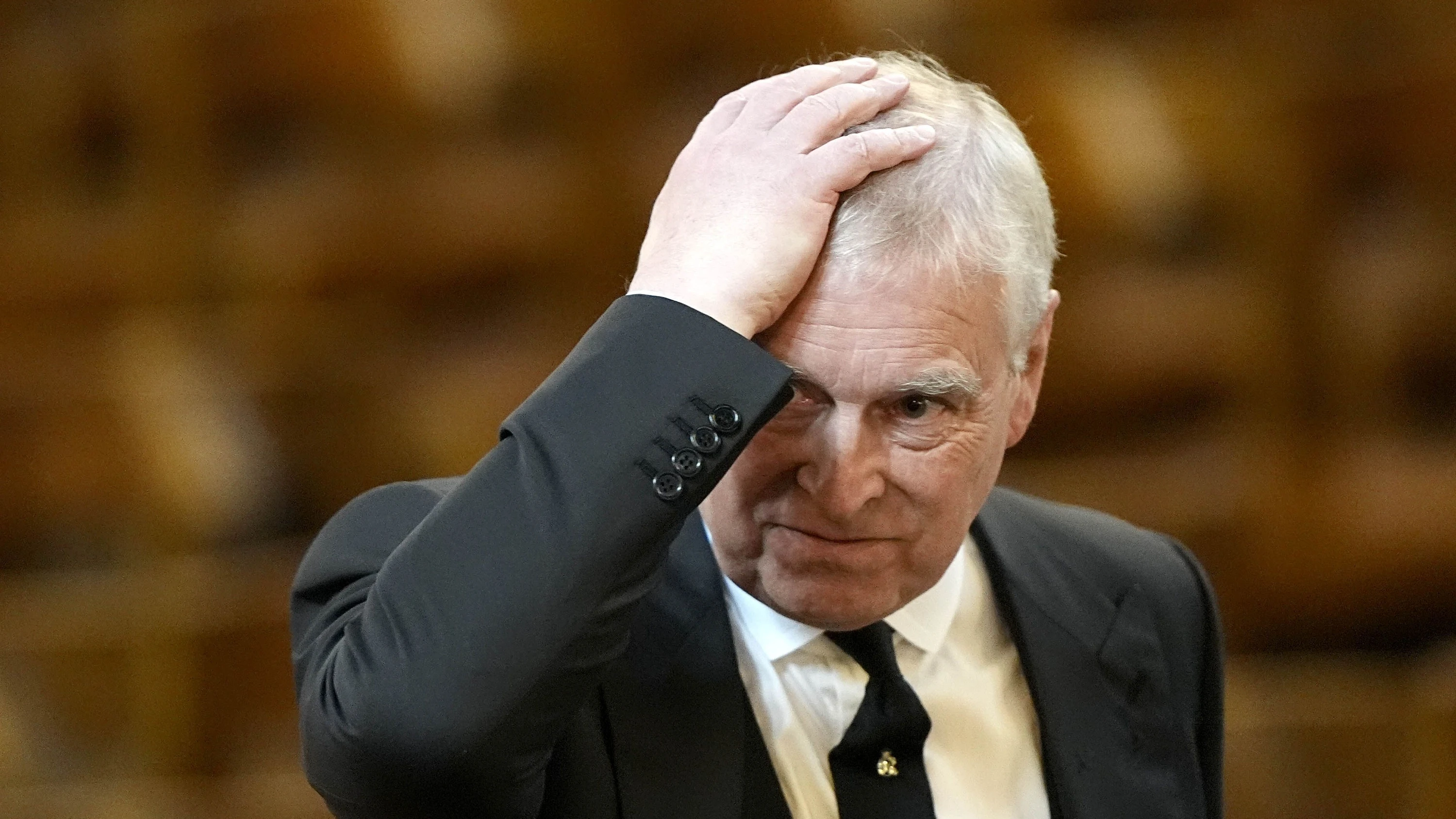
Neue Enthüllungen: Ex-Prinz Andrew vermietete königliche Cottages weiter Der Bruder des britischen Königs lebte nicht nur bis vor kurzem quasi mietfrei in der Nähe von Schloss Windsor – er profitierte auch von der Untervermietung einiger Häuser auf dem Gelände.
faz · 2 days ago
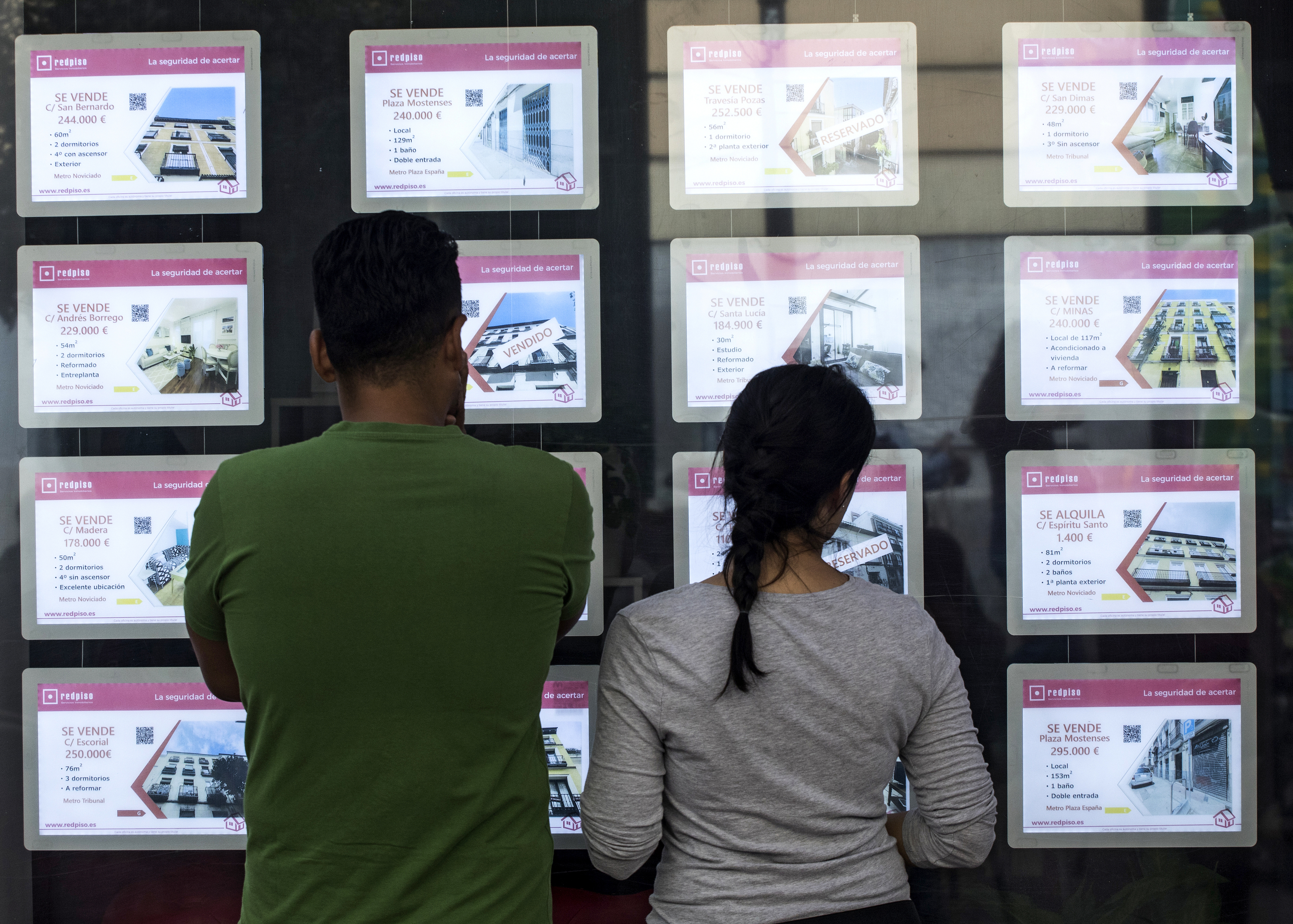
Pagar una vivienda nos hace más pobres en el país del ladrillo: uno de cada tres jóvenes queda en situación de pobreza por la hipoteca o el alquiler Un estudio de la Fundación BBVA y el Ivie señala que se necesita incorporar al menos 900.000 viviendas al parque público para hacer frente a la emergencia habitacional actual Leer
elmundo · 2 days ago
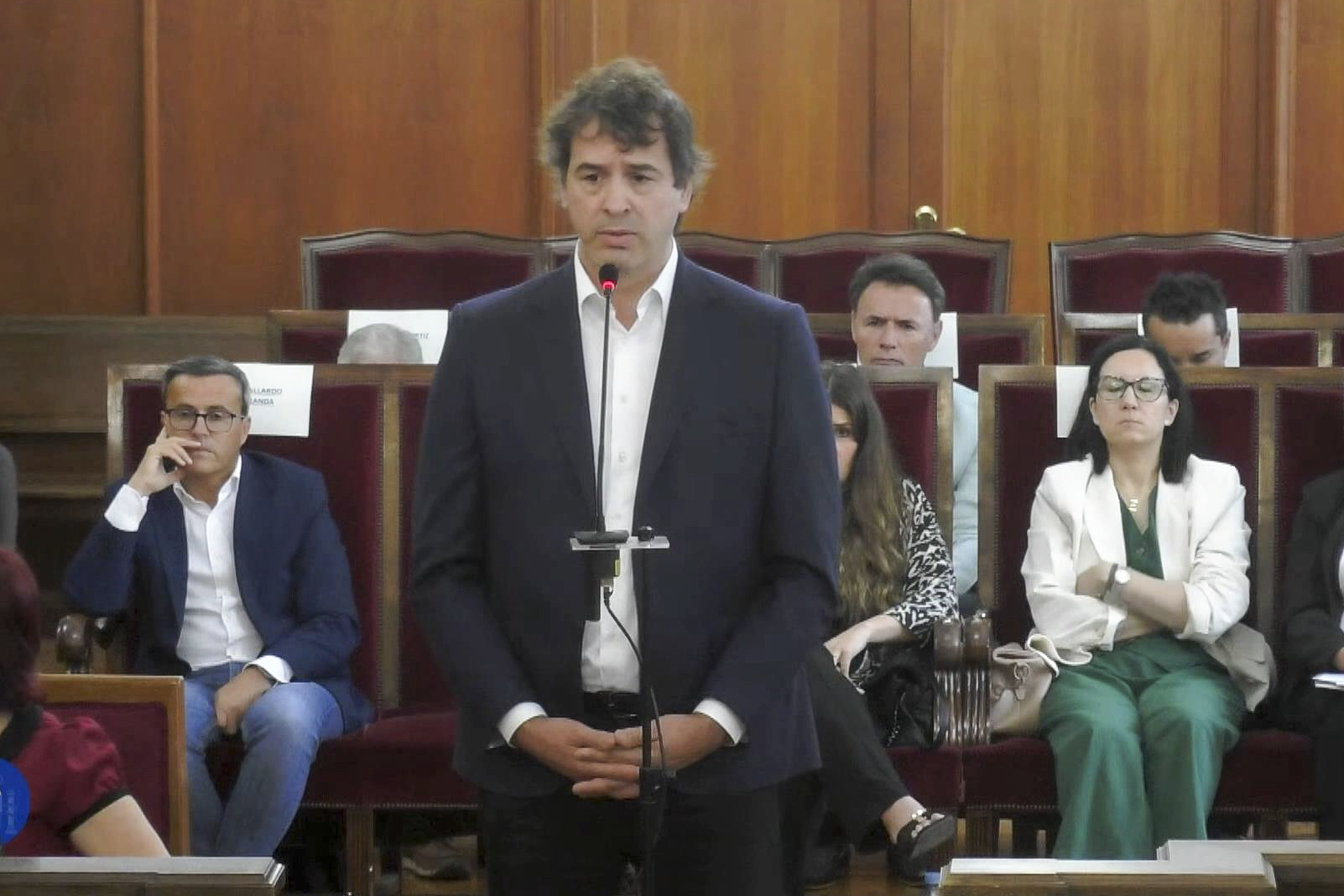
David Sánchez escapa de momento de las pruebas clave: ¿por qué quiso alquilar una vivienda antes de que se adjudicase la plaza El hermano del presidente del Gobierno, junto al resto de procesados, evitaron las preguntas de la acusación mientras Miguel Ángel Gallardo acusó al teniente coronel Antonio Balas de fabricar una "novela de ficción" Leer
elmundo · 2 days ago
Mountbatten-Windsor earned rent by subletting Royal Lodge properties Revelation raises further questions about former princes lease with the Crown Estate
financial times · 2 days ago