
Scientists uncover deepest whale graveyard ever, holding ten million cetacean remains
Scientists have uncovered the deepest and most extensive whale graveyard ever recorded, a vast necropolis on the floor of the south-eastern Indian Ocean that holds the remains of up to ten million cetaceans over the past five million years. The discovery, first spotted in 2023 and now detailed in multiple peer-reviewed studies, stretches across hundreds of miles of abyssal plain at depths exceeding seven kilometres—far deeper than any previously documented whale fall.
Researchers from the University of Western Australia, the Alfred Wegener Institute and the French National Centre for Scientific Research say the site, located in the Diamantina fracture zone, acts as a natural trap for sinking carcasses. “Whale falls are not uncommon, but most occur at less than four kilometres,” said Dr. Emma Thompson, lead author of a paper published today in *Nature Ecology & Evolution* . “What we see here is a super-corridor where the topography funnels carcasses into a single geological graveyard.”
The skeletons—ranging from modern humpbacks to extinct species unknown to science—offer an unparalleled archive of marine evolution. Preliminary isotope analysis suggests the carcasses accumulated in pulses, possibly linked to glacial cycles and shifting ocean currents. “We’re looking at a time capsule that records both ecological turnover and the deep-sea’s response to climate shifts,” noted Prof. Klaus Meiners of the AWI .
The find also raises questions about deep-sea carbon sequestration. Each whale carcass can lock away tonnes of carbon for millennia; the sheer scale of this site may force a rethink of how the ocean mitigates climate change. “If we extrapolate, this single trench could account for a non-trivial fraction of historical carbon burial,” said Dr. Thompson .
Environmental groups cautiously welcomed the discovery but warned against romanticising the necropolis. “These are not memorials; they are ecological events,” said Greenpeace marine biologist Lars Jensen. “We must ensure that any future deep-sea mining or trawling does not disturb this archive before we’ve even begun to read it” .
With further expeditions planned for 2027, scientists hope to extract DNA from the oldest specimens, potentially rewriting the evolutionary history of baleen whales. For now, the graveyard remains a silent monument to life—and death—on a scale never before imagined beneath the waves.
Articles

Dans le sud de la Syrie, Soueïda est la nouvelle plaque tournante du trafic de captagon Depuis la chute, en 2024, du régime de Bachar El-Assad, qui avait transformé le pays en un narco-État, la région frontalière de la Jordanie est devenue le principal hub de la contrebande de captagon, cette amphétamine de synthèse prisée dans les pays du Golfe. Une région aux mains dun dignitaire druze séparatiste soutenu par Israël.
courrier international · about 5 hours ago

Linderung bei Rückenschmerzen: Neues Cannabis-Medikament kommt nach Österreich [premium] Ein neuer Wirkstoff soll bei chronischen Rückenschmerzen Abhilfe schaffen. Entscheidend wird sein, wie Ärzte, Patienten und Kostenträger das neue Medikament bewerten.
die presse · about 5 hours ago
Die jährliche globale Migration hat sich seit dem Jahr 2000 fast verdreifacht Zwei Forscher füllten mit KI-Methoden bisherige Lücken im Wissen um die weltweiten Migrationsbewegungen – mit einigen überraschenden Ergebnissen
der standard · about 5 hours ago
Walsturz in der Tiefsee: Forscher entdecken den weltweit größten Friedhof der Wale Nein, Timmy findet dort nicht seine letzte Ruhe: Im Indischen Ozean haben Wissenschaftler eine gigantische Grabstätte aufgespürt – mit bis zu zehn Millionen Wal-Gerippen.
die zeit · about 5 hours ago
The Persian Occult-Scientific Manuals on How to Rule the World The early modern Persian world produced a substantial body of occult-scientific manuals dedicated to one of humanitys oldest political ambitions: world domination. This was a distinct genre of literature that promised access to universal sovereignty through mastery of the hidden forces governing the cosmos. In his study How to Rule the World: Occult-Scientific Manuals of […]
greek reporter · about 5 hours ago
Substanță periculoasă descoperită în apa de la robinet. Ce spune Agenția Europeană pentru Produse Chimice Agenția Europeană pentru Produse Chimice (ECHA) a anunțat miercuri că acidul trifluoroacetic (TFA), o substanță identificată frecvent în apa potabilă, trebuie clasificat drept „toxic pentru reproducere, pe fondul îngrijorărilor tot mai mari legate de impactul său asupra sănătății și mediului.
adevarul · about 5 hours ago
Trei brățări preistorice din aur revin acasă după cinci ani de investigații. Vor fi expuse la Muzeul Național de Istorie Trei brățări preistorice din aur, scoase ilegal din România și recuperate după o investigație care a durat peste cinci ani, vor fi prezentate în premieră publicului într-o expoziție organizată de Muzeul Național de Istorie a României.
adevarul · about 5 hours ago
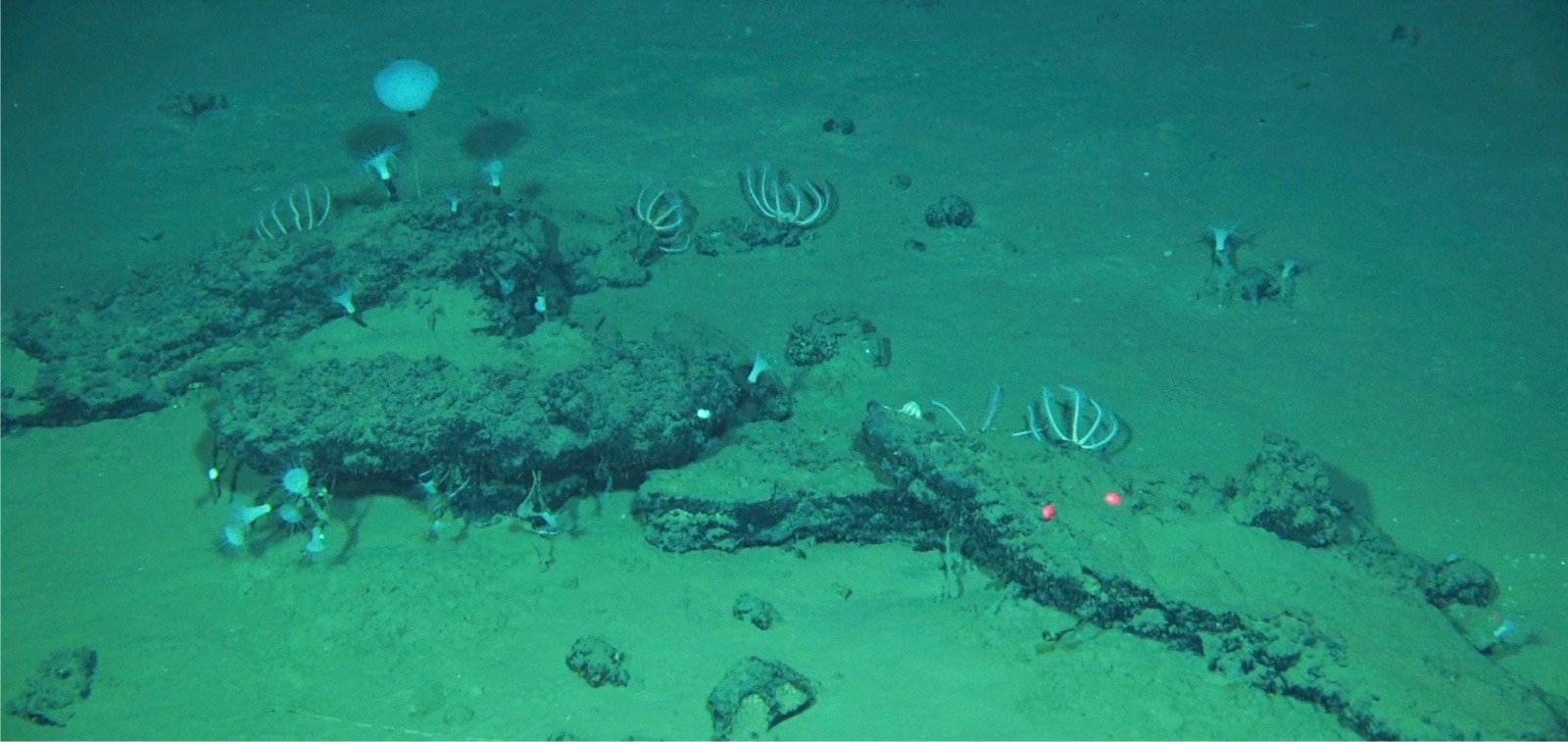
Hallan el mayor y más profundo cementerio de ballenas con restos de hace cinco millones de años La necrópolis, que podría reunir hasta 10 millones de cadáveres, se encuentra en el sureste del océano Índico e incluye restos tanto modernos como antiguos. Fue localizada en 2023 Leer
elmundo · about 5 hours ago
Un estudio español replantea el origen de nuestras células: heredaron genes de bacterias y virus gigantes La investigación sugiere que la célula que dio origen a animales, plantas y humanos fue el resultado de una larga mezcla genética entre distintos microbios Leer
elmundo · about 5 hours ago
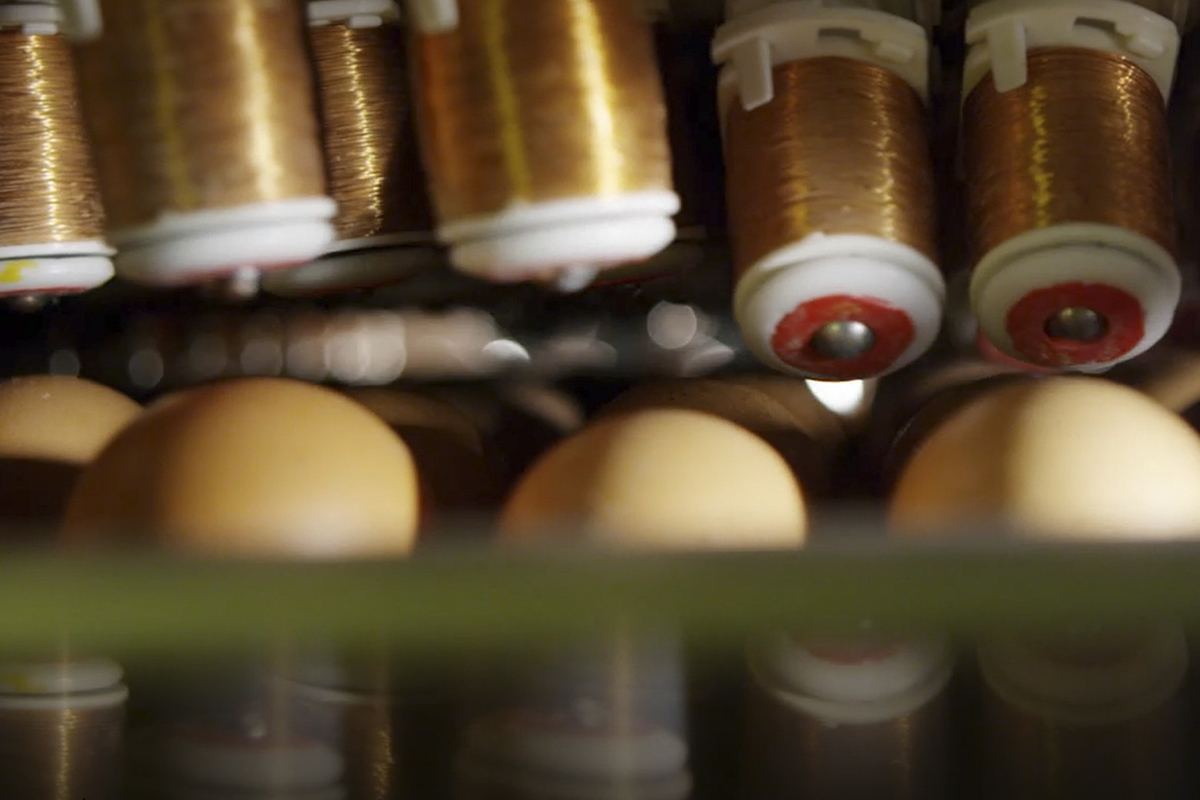
El secreto a lo Coca-Cola de los huevos españoles pasteurizados dentro de su cáscara La normativa no avala servir el huevo crudo en un restaurante, especialmente en verano. Pero una granja gallega ha encontrado una solución: uno innovador que permite servir yemas líquidas sin riesgos microbiológicos Leer
elmundo · about 5 hours ago
Milchstraße: Futter für Sagittarius A* Das Schwarze Loch im Zentrum der Milchstraße verschluckt bisweilen riesige Gaswolken. Astronomen wollen nun die Quelle der Nahrung gefunden haben.
faz · about 5 hours ago
Innovation: Wie grüner Wasserstoff günstiger werden soll Eine neue Membran hat der Spezialchemiekonzern Evonik entwickelt. Sie soll die Elektrolyse von grünem Wasserstoff günstiger machen. Eine neue Innovationseinheit soll Produkte schneller an den Markt bringen.
faz · about 5 hours ago
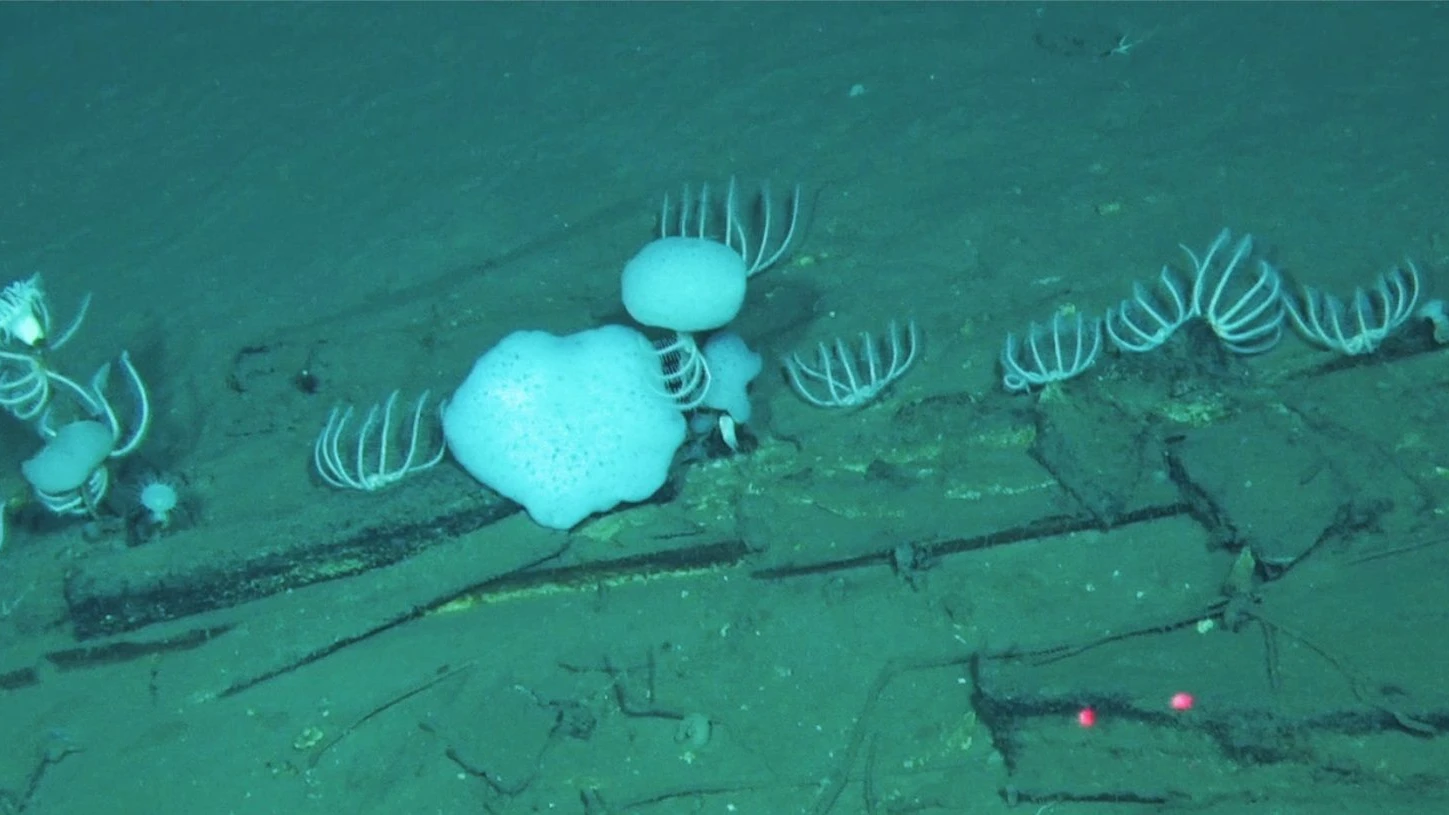
Spektakulärer Fund: Ein gigantischer Friedhof für Wale Im Indischen Ozean haben Wissenschaftler mehr als 450 Walskelette aus fünf Millionen Jahren Erdgeschichte gefunden. Sie entdeckten dort allerdings nicht nur totes Getier.
faz · about 5 hours ago

Should grey squirrels be killed in Dublin and Wicklow? Officials want to hear from you A new project will consider all management options, including the possibility of eradicating grey squirrels from the region.
thejournal · about 5 hours ago
Deepest and most extensive whale graveyard discovered in Indian Ocean Some remains found in Diamantina fracture zone date back more than 5m years and reveal species and ecosystems unknown to scienceThe oldest, deepest and most extensive whale graveyard yet discovered has been found in the south-eastern Indian Ocean, with fossils dating back more than 5m years.Whale falls – the term for dead whales that sink to the ocean floor – are not uncommon, but most have been found at depths of less than 4km (2.5 miles). By contrast, the newly discovered necropolis reaches depths of more than 7km, and extends hundreds of miles across the sea floor. Continue reading...
theguardian · about 5 hours ago
Científicos españoles describen un intrincado puzzle genético microbiano que dio lugar a la vida celular compleja Un importante estudio publicado en Nature liderado por investigadores españoles replantea el origen celular como una historia ancestral de alianzas microbianas que dio lugar a los complejos organismos pluricelulares de los seres vivos que hoy conocemos. El artículo contribuye a desentrañar el misterio de cómo y por qué surgieron las intrincadas relaciones de las células que conforman nuestro organismo y permiten que la vida exista. Leer
expansion · about 5 hours ago
Recordvangst in Chili: meer dan 100 ton drugs onderschept op weg naar Europa Chileense autoriteiten hebben een recordhoeveelheid drugs onderschept. In een lading hout werd meer dan 100 ton drugs gevonden. Het zou gaan om de grootste drugsvangst ooit in het land. De straatwaarde zou zon 8,3 miljard dollar zijn.
rtl nieuws · about 5 hours ago
Gefangen im „Walsturz-Superkorridor: Forscher finden den größten und ältesten Meeressäuger-Friedhof Im Indischen Ozean liegt der tiefste und älteste bislang bekannte Walfriedhof. Die Knochen sind teils Millionen Jahre alt. Wie ist das möglich?
tagesspiegel · about 5 hours ago