
Paris appeals court to rule on far-right leader's 2027 election bid

Marine Le Pen’s fate as France’s far-right presidential candidate hangs in the balance after a Paris appeals court announced it will rule on Tuesday whether she can stand in the 2027 election, a verdict that could reshape the race for the Élysée Palace. The decision, expected to be delivered on 7 July, follows a March 2025 ruling that found Le Pen at the centre of a “fraudulent system” that diverted €2.9 million in European Parliament funds to her party, the National Rally (RN). A five-year ban from public office and a two-year suspended sentence were handed down, potentially disqualifying her from running.
Le Pen, who reached the second round of the 2017 and 2022 presidential elections but lost to Emmanuel Macron both times, has framed the appeal as her last chance to contest what many analysts consider her strongest opportunity yet to win the presidency. Speaking in Liévin, northern France, on Saturday, she vowed to support her protégé Jordan Bardella “every day” with “great energy” and “great conviction” if the court bars her from running. “We will never be discouraged,” she declared. Bardella, the RN president, echoed her defiance, telling activists at the same event that he hoped to “see her elected president of the Republic in a few months’ time.”
The RN’s unity message came as the party sought to quash rumours of internal divisions. Despite the legal cloud over Le Pen, the duo used the gathering to attack rivals, labelling left-wing leader Jean-Luc Mélenchon’s policies as “racialist” and dismissing former prime ministers Gabriel Attal and Édouard Philippe as “mini-Macrons.” The event drew fewer than the 1,200 activists expected, with empty seats visible, underscoring the uncertainty gripping the party ahead of the verdict.
Across Europe, the stakes of Le Pen’s potential disqualification are being closely watched. In Germany, the far-right Alternative for Germany (AfD) celebrated its strongest polling position in years, with 29% support in a recent INSA survey, ahead of the centre-right CDU/CSU at 21%. At its party congress in Erfurt on Saturday, AfD leaders reaffirmed their ambition to govern, with co-chair Alice Weidel declaring the party “the strongest force” and vowing to “turn Germany upside down.” Tens of thousands protested outside the congress, reflecting deep public unease over the party’s rise.
In Hungary, Prime Minister Peter Magyar has proposed sweeping constitutional reforms, including a 12-year limit on parliamentary mandates and an age cap of 70 for constitutional judges, moves analysts say target President Tamás Sulyok, a Viktor Orbán ally. Meanwhile, in Romania, the Alliance of Liberals and Democrats marked its 50th anniversary in Vienna, debating how to counter the far-right surge across the continent.
Back in France, the legal drama surrounding Le Pen has intensified scrutiny of the justice system’s role in elections. “I have the deepest contempt for French justice,” Le Pen said in a recent interview, framing the case as politically motivated. Legal experts note that if the appeals court upholds the ban, Le Pen could still run if the sentence is reduced to less than two years, a possibility she has publicly embraced. Polls currently place her as the frontrunner for the first round of the 2027 election, with Macron constitutionally barred from seeking a third term.
The court’s decision, expected on Tuesday, will determine whether France’s political landscape enters a period of unprecedented uncertainty—or whether Le Pen’s long-awaited bid for the presidency can finally begin.
Follow us for live European news
- 6
- 2
- 2
- 1
- 1
- 1
- 1
- 1
- 1
3 further sources not geolocated
Articles
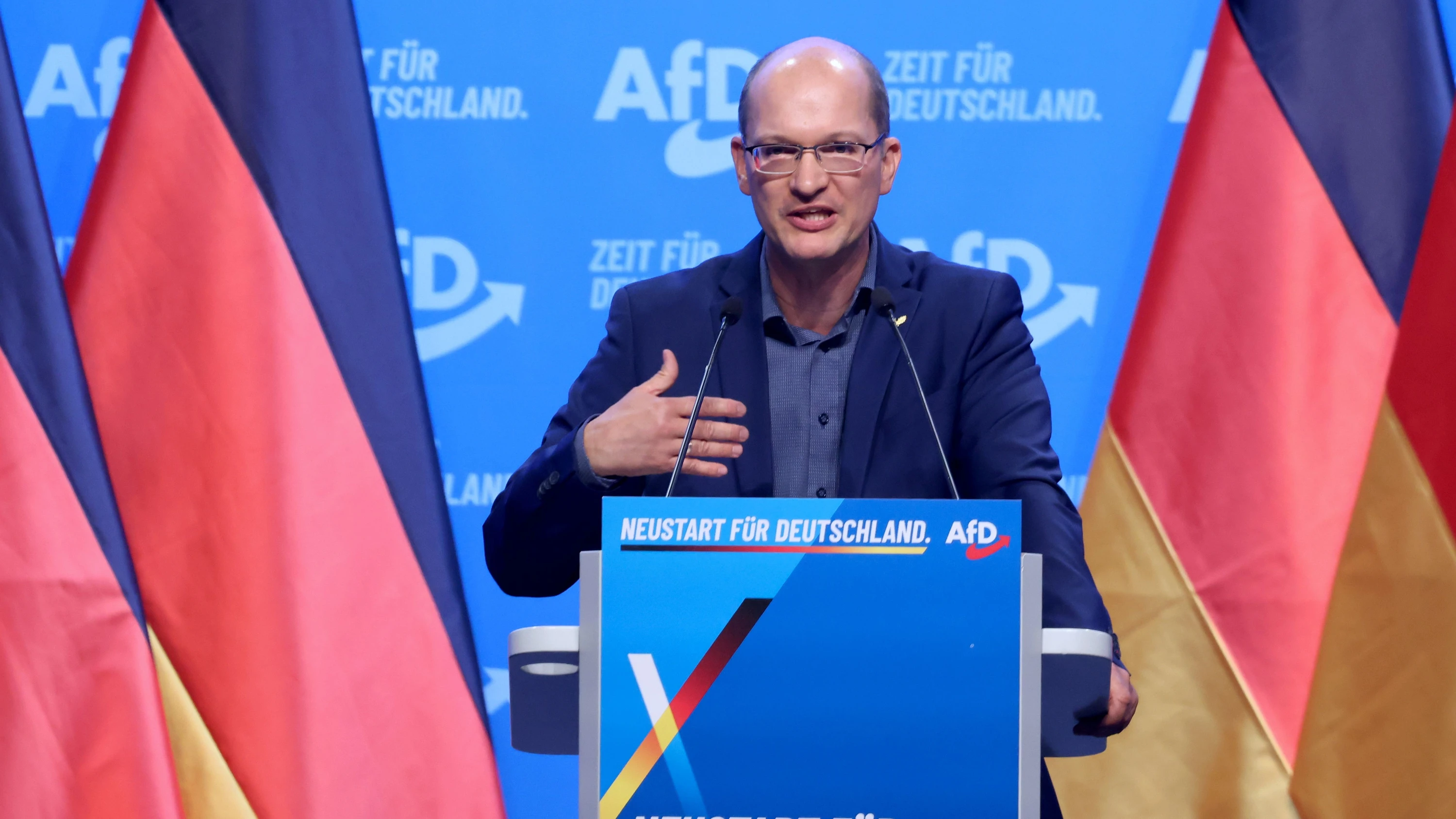
Neuer AfD-Vize: Höckes Mann im Bundesvorstand Stefan Möller ist neuer Vizechef der AfD. Er gilt als Stratege. Doch seine Aufgabe an der Parteispitze könnte zu Konflikten führen.
faz · about 4 hours ago
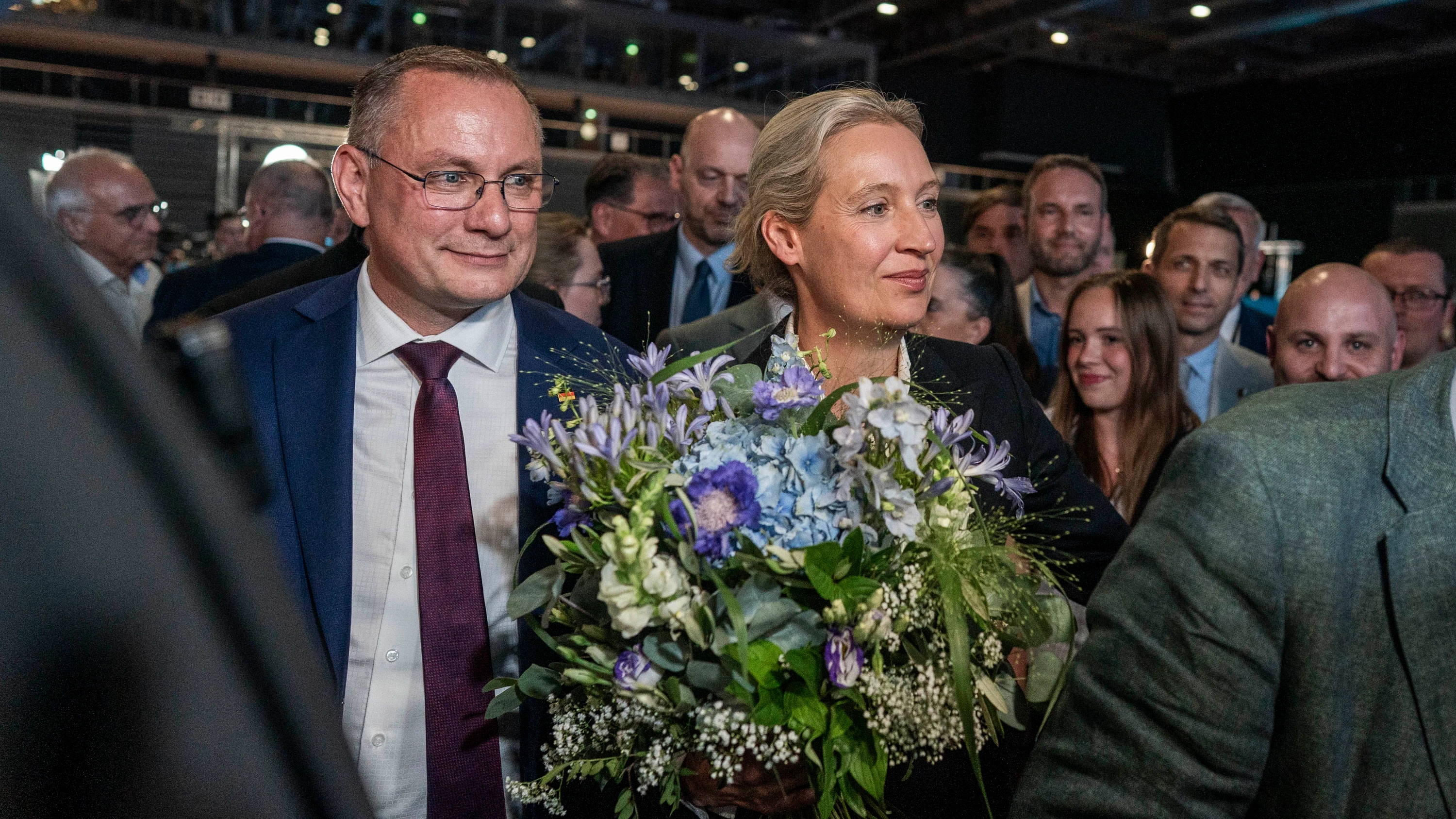
Bundesparteitag: Die AfD zelebriert den wirtschaftlichen Niedergang Alice Weidel will die Staatsfinanzen durch rigorose Ausgabenkürzungen bei Ausländern sanieren. „Das wird einschneidend, kündigte die AfD-Chefin in Erfurt an. Ihr Hauptgegner sitzt im Kanzleramt.
faz · about 4 hours ago
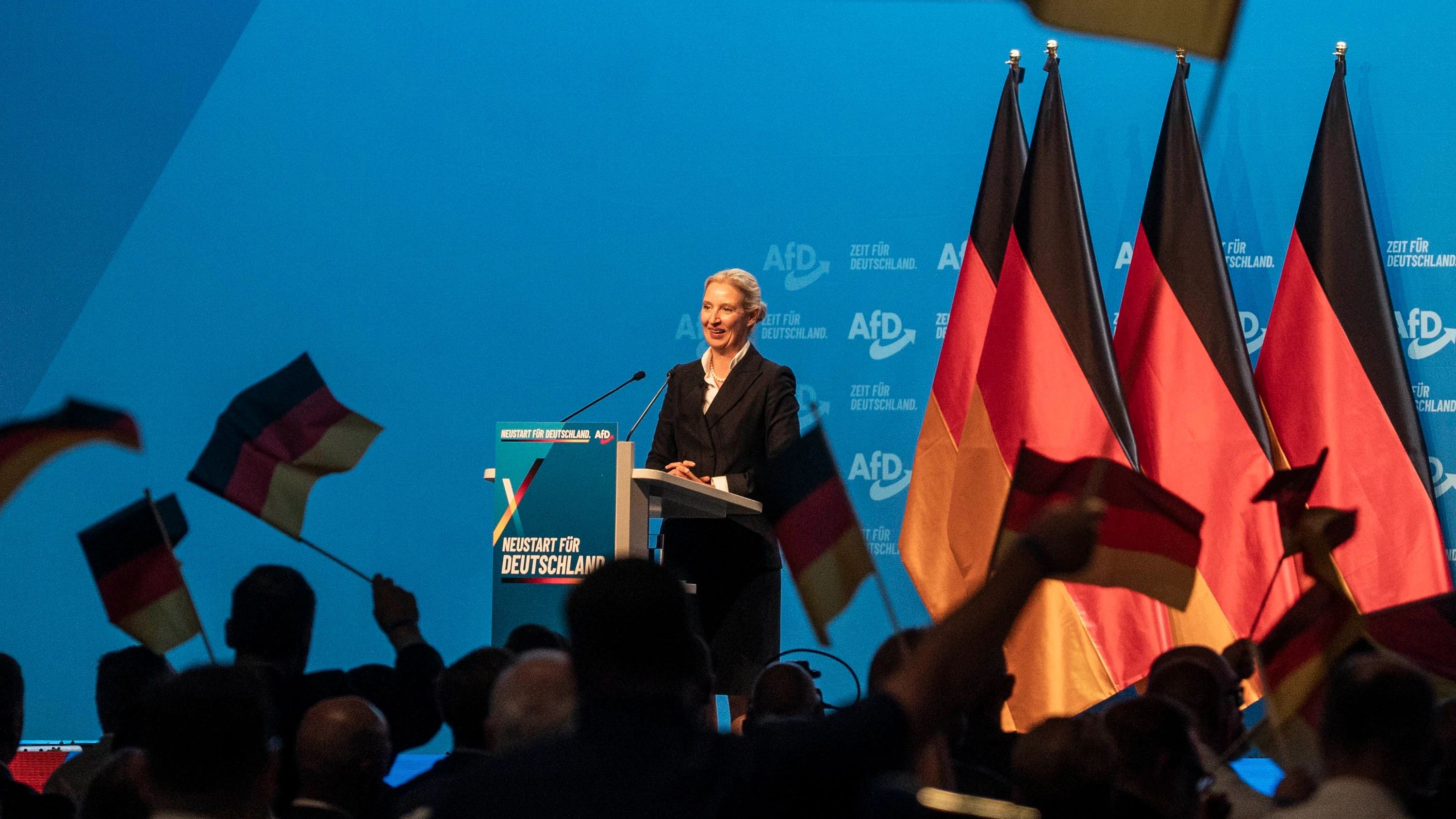
AfD-Parteitag: Weidel sollte ihre Partei zur Mäßigung bringen AfD-Politiker sprechen in ernsten Momenten von Verantwortung. Wäre das ernst gemeint, müssten sie ihre Rhetorik überdenken.
faz · about 4 hours ago

Return powers to Holyrood taken after Brexit, Scottish minister tells Burnham SNP government says UKs likely next leader must include the nations as well as English regions in his devolution drive
financial times · about 4 hours ago
Paradă Pride cu 1 milion de spectatori la Köln. „Cea mai mare manifestaţie în favoarea democraţiei din Germania Parada Pride de la Köln a început duminică la prânz cu 60.000 de participanţi împărţiţi în 250 de grupuri şi până la 1 milion de spectatori, conform estimărilor organizatorilor evenimentului, unul dintre cele mai mari de acest gen din Europa, transmite agenţia germană de presă DPA, preluată de Agerpres. Înaintea paradei, cunoscută în Germania sub …
hotnews.ro · about 4 hours ago

Die Disziplin der AfD ändert nichts an ihrer Radikalität Auf ihrem zweitägigen Parteitag machte die in Teilen rechtsextremistische Partei ihren Machtanspruch deutlich und versuchte sich rein professionell zu geben
der standard · about 4 hours ago
Demos in Erfurt: Vielstimmiger Protest gegen AfD-Parteitag in Erfurt
die zeit · about 4 hours ago

Avant la décision de la cour dappel concernant Marine Le Pen, le RN entre « espérance » et renoncement A Liévin, dans le Pas-de-Calais, pour sa dernière prise de parole avant dêtre fixée sur son sort, la cheffe de file de lextrême droite sest attachée à démontrer la solidité de son binôme avec Jordan Bardella, quelle promet daccompagner « avec conviction » dans son éventuelle candidature à lélection présidentielle de 2027.
le monde · about 4 hours ago
Protest gegen die AfD in Erfurt: Kampf für die Demokratie mit undemokratischen Mitteln Demonstranten argumentieren, im Kampf gegen die AfD sei alles erlaubt. Auch Gewalt. Wie kommt man auf eine solche Idee?
tagesspiegel · about 4 hours ago
Reformen: Klingbeil will »emotionale« Krankschreibungsdebatte pragmatisch lösen Lars Klingbeil hat die geplanten Reformen der Bundesregierung verteidigt. Der SPD-Chef stritt nicht ab, dass es »auch Belastungen geben wird für alle«.
die zeit · about 4 hours ago

Marine Le Pen and Jordan Bardella pledge unity ahead of judicial verdict This week, a Paris court will rule on whether Marine Le Pen can run in the 2027 presidential election. Ahead of the verdict, Le Pen and the partys president Jordan Bardella pledged to work as a duo.
euronews · about 4 hours ago
Protest gegen AfD-Parteitag: Block ‚n roll in Erfurt Gegen den AfD-Parteitag protestierten Zehntausende Menschen – die einen bürgerlich, die anderen in Blockaden. Das hielt die AfD zwar nicht auf, wurde von vielen Aktivisti aber dennoch als Erfolg gewertet. mehr...
taz.de · about 5 hours ago
Parteitag in Erfurt: Alice Weidel baut ihre Macht aus Der Parteitag der AfD zeigt: Die Machtverhältnisse in der Partei verschieben sich in Richtung Alice Weidel. Thüringens Landeschef Björn Höcke inszeniert sich derweil als Heiler der Nation. Und woher kommt eigentlich die Musik?
sueddeutsche · about 5 hours ago
Podcast „Auf den Punkt: Weidel, Höcke, Chrupalla: Wer hat in der AfD den meisten Einfluss? Beim Bundesparteitag der in Teilen rechtsextremen Partei in Erfurt ging es viel um Macht und Posten – und wenig um Inhalte. Warum?
sueddeutsche · about 5 hours ago
Support for Prime Minister Kristen Michal drops to record low in recent poll Prime Minister Kristen Michals approval rating fell to 4 percent in June, according to a poll commissioned by Delfi.
news.err · about 5 hours ago
US Supreme Court Next Term to Review Gun LGBT Voting Rights Cases in 2026 Washington, D.C., July 05, 2026 – Brussels Morning Newspaper — US Supreme Court next term will feature several high-profile cases involving gun regulations, LGBT rights, and voting laws, setting the stage for another consequential year at the nations highest court. The justices agreed to hear appeals that could clarify constitutional questions affecting states, public agencies, and millions of […]
brussels morning · about 5 hours ago

Hungarian Prime Minister Péter Magyar yesterday filed a 12-point proposal to amend the constitution aimed at ousting President Tamás Sulyok and to reduce the influence of the previous administration of Viktor Orbán.
bluesky_Politico Europe · about 5 hours ago
Germany, INSA poll: AfD-ESN: 29 CDU/CSU-EPP: 21 (-1) SPD-S&D: 13 (+1) GRÜNE-G/EFA: 13 LINKE-LEFT: 10 (-1) FDP-RE: 4 BSW-NI: 4 +/- vs. 26-29 June 2026 Fieldwork: 29 June - 03 July 2026 Sample size: 1205 ➤ europeelects.eu/germany
telegram_Europe Elects · about 5 hours ago
Igor Dodik enters Politics, Analysts talk about the transfer of Power Milorad cant, but Dodik can. Igor Dodik, son of the president of the Alliance of Independent Social Democrats (SNSD), Milorad Dodik, is the partys list holder in the Banja Luka constituency for the National Assembly of the Republika Srpska (RSS). Political analysts believe that in this way Milorad Dodik is trying to keep political power […] The post Igor Dodik enters Politics, Analysts talk about the transfer of Power appeared first on Sarajevo Times.
sarajevo times · about 5 hours ago
Sentință cu miză mare. Marine Le Pen așteaptă verdictul care decide viitorul ei în cursa prezidențială Francezii așteaptă verdictul de marți al instanței care va stabili dacă favorita naționalistă, Marine Le Pen, poate candida la alegerile prezidențiale de anul viitor.
adevarul · about 5 hours ago
AfD-Führung bekräftigt bei Parteitag Machtanspruch
orf.at · about 5 hours ago

The top brass of the Alliance of Liberals and Democrats for Europe huddled in the Austrian capital this weekend to celebrate ALDEs 50th anniversary — and debate how to face the far-right surge.
bluesky_Politico Europe · about 5 hours ago

French far-right leader Jordan Bardella is dating an aristocratic influencer. Its complicating his working-class pitch ahead of next years presidential election. 🔗 politico.eu/article/the-...
bluesky_Politico Europe · about 5 hours ago

German Defense Minister Boris Pistorius said today he is in favor of excluding potential far-right Alternative for Germany (AfD) ministers in state administrations from being included in the sharing of classified information.
bluesky_Politico Europe · about 5 hours ago
Ganz Frankreich wartet auf ein Urteil: Darf Marine Le Pen doch für die Präsidentschaft kandidieren? Am Dienstag wird das Urteil verkündet, das über die politische Zukunft der Rechtspopulistin entscheidet. Ihr Ziehsohn und Ersatzkandidat Jordan Bardella macht derweil eigene Schlagzeilen.
tagesspiegel · about 5 hours ago
German govt may withhold classified info from states if far-right start winning German Defence Minister Boris Pistorius said Sunday that the federal government is considering withholding information from ministers in state administrations if they are formed by the far-right Alternative for Germany (AfD). The AfD is regularly criticised for close ties to Moscow. Polls indicate that the AfD could win an absolute majority in a state election in September in Saxony-Anhalt, meaning that it would form a state government for the first time. Under Germanys federal system, state...
south china morning post · about 5 hours ago

"Vater, Mutter, Kind" in AfD-Wahlprogramm, doch Parteichefin Weidel sagt: "Ich lebe etwas anderes" Nicht zum ersten Mal kollidieren die politischen Forderungen der AfD mit der Lebensrealität ihrer Chefin. Sie selbst sagt, als "Zielbild" sehe sie in der "traditionellen Familie" keinen Widerspruch
der standard · about 5 hours ago
Bernard Arnault ordered to pay €22.5mn in back taxes Frances richest man and billionaire owner of luxury group LVMH will appeal against ruling
financial times · about 5 hours ago
„Keine anderen Signale: Klingbeil erwartet Zustimmung der SPD-Fraktion zum Reformpaket Der SPD-Vorsitzende rechnet trotz Kritik an Details mit der Zustimmung seiner Fraktion. Klingbeil sieht die eigene Handschrift im Kompromiss der Koalition.
tagesspiegel · about 5 hours ago
Delegiertentreffen: Neun Erkenntnisse aus dem AfD-Parteitag Während draußen Tausende protestieren, sieht sich die AfD drinnen bereit fürs Regieren. Wer gefeiert wird, wer an Einfluss gewinnt und was es mit einem rätselhaften Star-Wars-Moment auf sich hat.
handelsblatt · about 5 hours ago