
Porto-Lisbon high-speed rail bridge sparks dispute over missing road deck
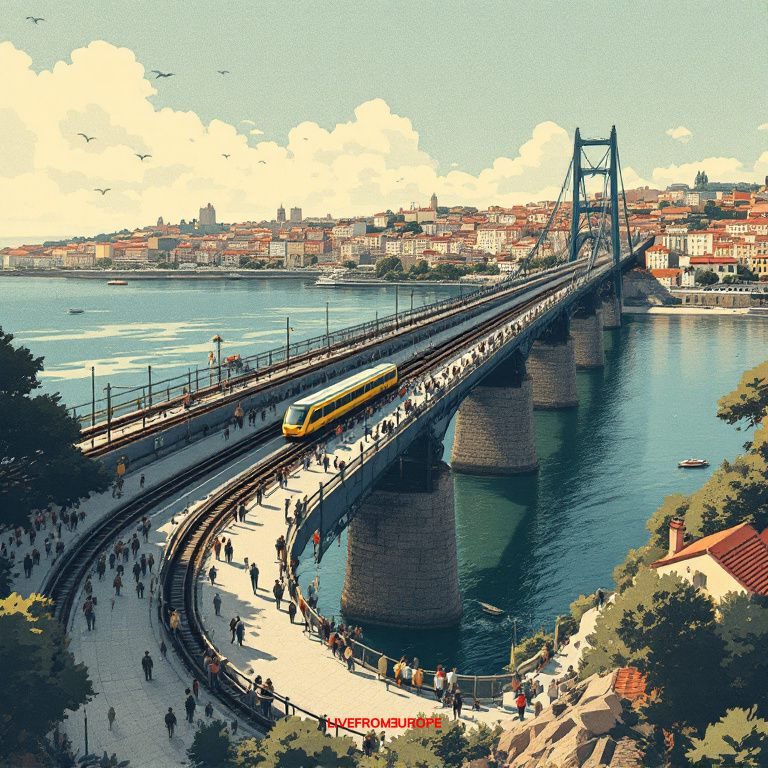
The Portuguese Socialist Party (PS) in Vila Nova de Gaia has reignited its campaign for a road deck on the new high-speed rail bridge linking Porto and Lisbon, arguing that the current design risks isolating the city’s Santo Ovídio station. Speaking on Saturday, the municipal president criticised the project’s impact on local mobility, warning that the absence of a dedicated road platform would exacerbate congestion around the station .
The controversy centres on the €1.2 billion bridge, part of the Lisbon–Porto high-speed corridor, which is due for completion in 2029. Gaia’s PS leadership contends that the bridge’s current configuration—designed solely for rail—will funnel commuters onto already saturated local roads, undermining the city’s broader urban mobility strategy. “We cannot repeat the mistakes of the past,” the president stated, referencing the bottlenecks created by the Santo Ovídio metro station when it opened in 2005. The PS has not proposed an alternative structural solution but insists that a road deck would provide “strategic flexibility” for future transport needs.
The national transport ministry has yet to respond to the latest criticism, though officials have previously defended the bridge’s rail-only design as compliant with EU funding requirements for sustainable transport. The ministry’s 2024 environmental impact assessment noted that adding a road deck would increase carbon emissions and delay the project by at least 18 months. Gaia’s mayor, a member of the centre-right PSD, has not publicly endorsed the PS proposal, creating an unusual cross-party alignment on the need for improved local access to Santo Ovídio.
The debate arrives as Portugal accelerates high-speed rail projects ahead of the 2028 European Football Championship, with the Lisbon–Porto line expected to carry 12 million passengers annually. Critics argue that the current design prioritises intercity connectivity over intra-city mobility, a trade-off that risks marginalising Gaia’s 300,000 residents. Meanwhile, environmental groups have seized on the controversy to call for a broader review of the project’s urban integration, citing similar disputes in other European high-speed rail corridors.
For now, the PS’s road-deck proposal remains a municipal position paper, with no formal request submitted to Lisbon. The next regional transport forum is scheduled for September, where Gaia’s delegation plans to press its case. Until then, the bridge’s design—and its implications for Santo Ovídio—will continue to dominate local political discourse.
Follow us for live European news
- 2
- 2
- 2
- 2
- 2
- 1
- 1
- 1
- 1
- 1
- 1
- 1
- 1
2 further sources not geolocated
Articles

La pire rue de Bruxelles va être rénovée Le programme est dévoilé mais les timings peuvent encore être contrariés. ...
la libre · about 8 hours ago

Fra i dag er tre busruter på Frederiksberg gratis
dr.dk · about 8 hours ago

Vom Versprechen zur Strategie – so hat sich der Nahverkehrsplan heimlich verändert Zur Sustainability Week präsentiert sich Hamburg als Stadt der nachhaltigen Zukunft. Doch ausgerechnet beim Nahverkehr, dem Kern der Verkehrswende, ist die größte Verheißung des Senats kleiner geworden.
welt.de · about 8 hours ago
Prima cale ferată din România, construită acum peste 150 de ani, intră în modernizare. Când este estimată reluarea circulației Compania CFR Infrastructură a transmis, la solicitarea „Adevărul, detalii privind evoluția lucrărilor de modernizare a liniei feroviare București – Giurgiu, prima cale ferată construită pe teritoriul Țărilor Române și una dintre cele mai importante conexiuni feroviare ale României cu Bulgaria.
adevarul · about 9 hours ago
Fizetések: vége holtversenynek, előzött a XII. kerület - Nézze meg térképen a legfrissebb nettókat! Az idei első negyedévben a fizetésekben csökkent a két szélsőérték közötti különbség az országon belül. Továbbra is budai kerületek fizetnek a legjobban, de a legalacsonyabb keresettel rendelkező járások közül több is jelentős, 20 százalék feletti bővülés ért el.
hvg.hu · about 9 hours ago
Stadtentwicklung: Probewohn-Projekt in Görlitz endet - Was die Forscher sagen
die zeit · about 9 hours ago
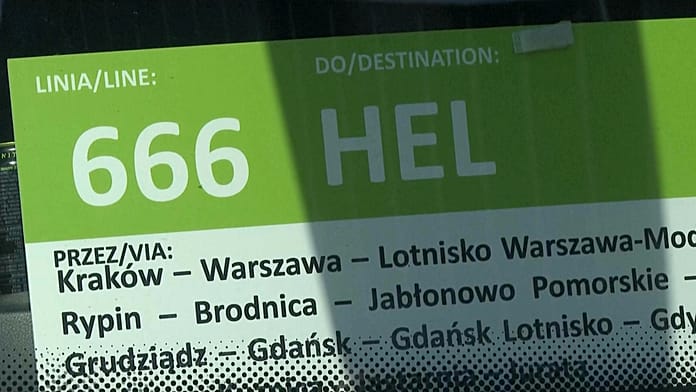
Polands Route 666 to Hel makes its first journey The famous 666 bus route to the Polish town of Hel is officially back after being dropped in 2023 over concerns about its satanic associations, delighting curious passengers and tourists.
euronews · about 9 hours ago
Από σήμερα αλλαγές στη Γραμμή 3 του Μετρό λόγω έργων: Οι σταθμοί που κλείνουν στις 21:40
protothema · about 10 hours ago
:format(jpg)/f.elconfidencial.com%2Foriginal%2F401%2F8ef%2F377%2F4018ef37777345ebf81e77c5dfdd8910.jpg)
Madrid sufrirá hoy domingo 28 de junio cortes de tráfico en dos de las zonas más concurridas: horario y calles afectadas Varias vías del sur de la capital permanecerán sujetas a restricciones durante buena parte de la tarde y la noche debido a una convocatoria que obligará a modificar la circulación
el confidencial · about 10 hours ago
Staugefahr: Brückenbauarbeiten auf A24 - Nur eine Spur je Richtung frei
die zeit · about 11 hours ago
Kirche: Ruhe bei Rast: Hessens erste Autobahnkirche feiert Jubiläum
die zeit · about 11 hours ago
Milliardenprojekt in Nürnberg: Bürger stimmen über Ausbau des Frankenschnellwegs ab
die zeit · about 12 hours ago
On tour with a local bird brigade: We need to make Amsterdam a city for sparrows again
parool · about 13 hours ago
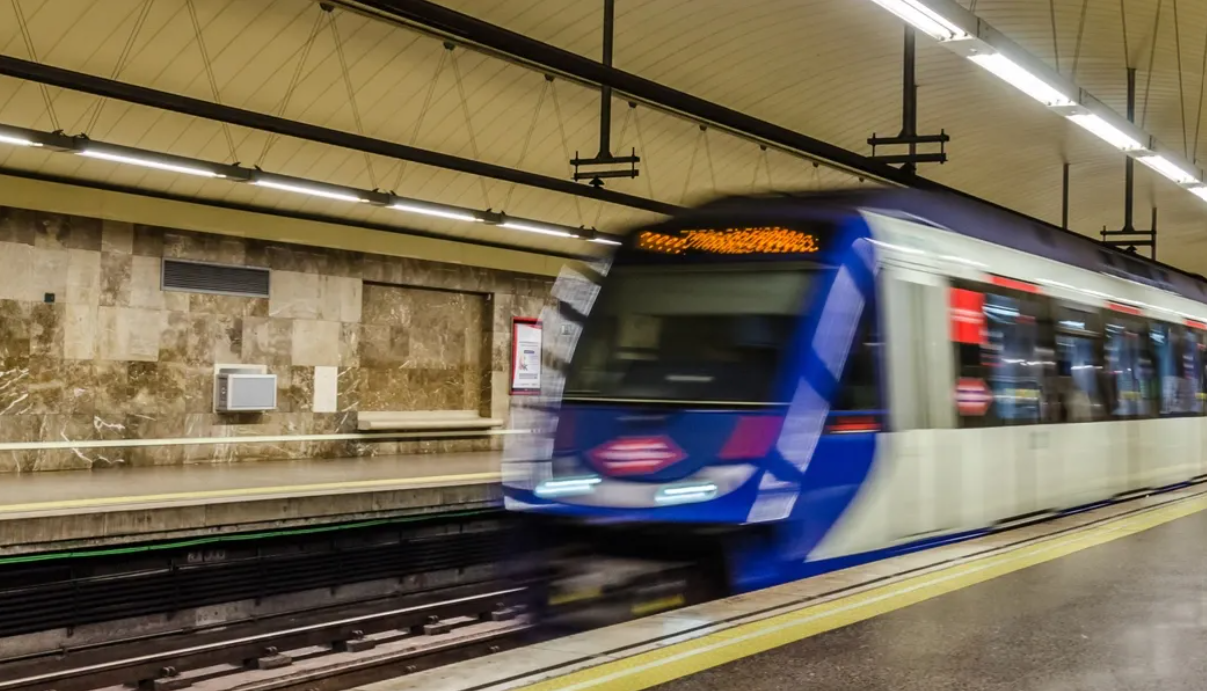
Nuevos Ministerios - Plaza de Castilla, los 2,27 kilómetros más sensibles para Metro de Madrid: obras en Bernabéu, buses sustitutivos de la L10... y ahora retirada de amianto en Cuzco La Comunidad cierra hasta finales de agosto esta estación, aprovechando el parón estival y el refuerzo alternativo de S10 por carretera Leer
elmundo · about 13 hours ago
Esplanadas de Lisboa, passámos do 8 ao 80 Não faz sentido continuarmos a ter esplanadas de cadeiras e mesas em plástico, com publicidade por todo o lado, barracas e e gaiolas de PVC de um mau gosto que julgávamos impossível neste século. Opinião de Paulo Ferrero
publico · about 14 hours ago
Faszinierende Bauwerke und ein Blick zurück Ägypten. Kairo begeistert mit seinen Pyramiden, mittelalterlichen Moscheen und Palästen in der Altstadt, koptischen Kirchen und aktuell mit dem Grand Egyptian Museum, das im November 2025 eröffnet wurde.
die presse · about 16 hours ago

PS de Gaia a favor de ponte com tabuleiro rodoviário Presidente da Câmara Municipal de Vila Nova de Gaia voltou a criticar recentemente o impacto das obras na estação de Santo Ovídio para a linha de alta velocidade.
observador · about 17 hours ago
Cel mai mare oraș din România fără transport feroviar. Cum arată gara istorică unde niciun tren nu a mai ajuns din 2018 Niciun tren nu a mai ajuns în stația CFR din Hunedoara de peste opt ani, dar localnicii speră ca reactivarea combinatului siderurgic ar putea duce la redeschiderea traficului feroviar pe o cale ferată construită în 1884.
adevarul · about 17 hours ago
Výměna vrátnic u vjezdů do areálu. Fakultní nemocnice Olomouc se je rozhodla inovovat Fakultní nemocnice Olomouc se příští týden chystá vyměnit dosluhující vrátnice u vjezdů do svého areálu v Hněvotínské ulici a na ulici I. P. Pavlova. Práce potrvají od pondělí do soboty 4. července a vyžádají si dopravní omezení, sdělil mluvčí nemocnice Adam Fritscher. Stavební práce na frekventovaných místech nemocnice i kvůli tomu naplánovala do klidnějšího období začátku letních prázdnin.
irozhlas.cz · about 18 hours ago
V Ústí nad Labem se sloučí dvě školy se školkami. Jedna už od července, další až příští rok Od července se v Ústí nad Labem sloučí v Předlicích základní škola Školní náměstí s mateřskou školou Škroupova. Zastupitelé schválili také další spojení, a to od příštího roku – týká se základní školy Vinařská s mateřskými školami Vinařská a 5. května.
irozhlas.cz · about 19 hours ago

Centenário de Cargaleiro arranca hoje Comemorações decorrem entre 2026 e 2028. Grande exposição está prevista para o Pavilhão de Portugal em março de 2027 e novo polo da cerâmica abre em Castelo Branco em setembro.
observador · about 19 hours ago
Primăria Capitalei: Lucrările la Pasajul Basarab avansează. Un sens va fi închis circulației La o săptămână de la începerea lucrărilor de reabilitare a Pasajului Basarab, Primăria Capitalei anunță că o mare parte din schelele necesare intervențiilor au fost deja montate. În același timp, de luni intră în vigoare noi restricții de trafic, după ce calea de circulație pe sensul Bulevardul Nicolae Titulescu – Șoseaua Grozăvești va fi închisă pentru continuarea lucrărilor.
digi24 · about 20 hours ago
Ekologičtější, rychlejší a s klimatizací. Praha má dvě nové trolejbusové linky, stavba stála přes 616 milionů Po Praze jezdí nové trolejbusové linky. Mají číslo 51 a 53. Cestující se jimi můžou svézt mezi Hradčanskou a Bořislavkou a ze Strahova na Karlovo náměstí.
irozhlas.cz · about 20 hours ago

Saint-Gilles et Forest : les hauts et les bas du marché La rupture historique entre le haut et le bas des deux communes persiste. Mais lattrait pour certains quartiers et la quête de prix plus abordables redessinent la carte immobilière. ...
la libre · about 20 hours ago
Obsežen restavratorski projekt Vatikanskih muzejev: začela se je obnova Rafaelove lože V Vatikanskih muzejih začenjajo obsežen konservatorsko-restavratorski projekt, v katerem bo združilo moči 20 strokovnjakov, da bi očistili poslikavo Rafaelove lože v Apostolski palači.
rtv slovenia · about 21 hours ago
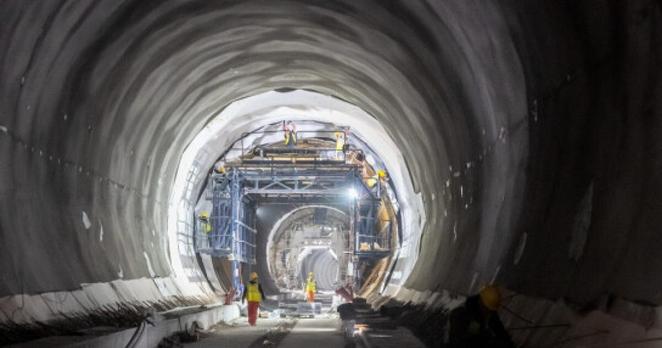
Slovenias new second track Divača-Koper rail link boosts #EU capacity and sustainability 🚆 #CEFTransport #MorningRead 👉
mastodon bot · about 21 hours ago
Bilar blockerade vägen vid badplats – tvingades flytta 30 bilar fick flyttas
expressen · about 21 hours ago
Video | Burgemeester van Rotterdam Schouten neemt tram naar eigen bruiloft
nu.nl · about 21 hours ago
Letbane holdt stille i Odense - midt i Tinderbox
dr.dk · about 22 hours ago
Ko sodobna umetnost oživi izložbene vitrine, nekoč pomembne gradnike mestne identitete Že v tretjem ciklu projekt Izložba z umetniškimi intervencijami obuja tradicijo, ki je nekoč pomembno soustvarjala vizualno podobo mesta, s spremenjeno dinamiko potrošništva pa ta nekoč pomemben tvornik mestne identitete vse bolj izginja.
rtv slovenia · about 22 hours ago