Loading…
 Saturday, August 29Saturday, August 29
3 months · 6 summary articles
After overnight negotiations in Berlin, the leadership of Germany’s governing coalition—comprising the Union parties (CDU/CSU) and the SPD—announced a comprehensive reform package covering taxes, pensions, labour markets, growth and bureaucracy reduction. The breakthrough came in the early hours of Thursday, 02.07.2026, following a marathon session of the coalition committee, and will be formally presented to the public at 09:00 local time by the Chancellor and party chairpersons .
According to coalition sources cited by *Welt* and the *Handelsblatt*, the package includes a split income-tax reform designed to ease the burden on middle earners while maintaining higher marginal rates for top incomes, a targeted growth stimulus aimed at lifting the economy out of its current downturn, and a pension adjustment intended to stabilise the pay-as-you-go system through gradual increases in the retirement age and employer contributions . SPD floor leader Miersch told his parliamentary group in a message reviewed by *Süddeutsche Zeitung* that the outcome “secures both economic recovery and social cohesion,” while CDU/CSU negotiators emphasised the need to reduce regulatory hurdles for small and medium-sized enterprises .
The agreement follows weeks of intra-coalition wrangling over the scope and financing of the measures, with earlier leaks suggesting deep divisions over wealth taxation and labour-market deregulation. The final text, however, steers clear of a full-scale wealth tax in favour of a two-tier income-tax schedule and targeted corporate relief, according to *Tagesspiegel*’s pre-briefing . Labour unions have already signalled cautious approval of the pension elements, though business federations warn that the growth measures may prove insufficient without faster permitting procedures.
The coalition now faces the task of translating the framework into draft legislation by the autumn session, with Finance Ministry officials indicating that the income-tax bill will be introduced in the Bundestag by mid-September. Parliamentary leaders from both sides have pledged cross-party support, though the Left party has reserved its position pending detailed costings. The next hurdle will be securing Bundesrat approval for measures touching Länder competencies, particularly in labour-market regulation.
Follow us for live European news
1 further source not geolocated

Bundespolitik: Koalitionsausschuss einigt sich auf Reformpaket Die Spitzen von Union und SPD haben sich auf eine Reihe von Reformen verständigt. SPD-Fraktionschef Miersch zeigt sich in einer Nachricht an die Fraktion zufrieden.
sueddeutsche · about 2 months ago
CDU und CSU: Länder-Unionsfraktionschefs kritisieren Warkens Pflegereform Die Pflegeversicherung steht finanziell vor dem Kollaps. Mit einer Reform will CDU-Gesundheitsministerin Warken das schlimmste verhindern. Doch auch aus den eigenen Reihen gibt es darüber viel Unmut.
handelsblatt · about 2 months ago
Pension reform bill to be submitted to parliament by September 20 The governments long-awaited pension reform bill will be submitted to the House of Representatives on September 20 regardless of whether an agreement is reached with social partners, Labour and Social Insurance Minister Marinos Mousiouttas said on Wednesday. Speaking at an event organised by the Achilleas Kaimakli sports association on the future of the Social Insurance […]
cyprus mail · about 2 months ago

Accord avec les pilotes maritimes pour la reprise du trafic dans les ports flamands La ministre flamande de la Mobilité et des Ports, Annick De Ridder (N-VA), a dégagé un accord avec les pilotes maritimes au sujet de la réforme des pensions, mettant fin à un mois de négociations. ...
la libre · about 2 months ago
Volkswagen braces for boardroom showdown over historic cost-cutting plan Volkswagen is poised for a boardroom showdown following reports that the auto giant is weighing up shutting four factories and implementing 100,000 job cuts.
cnbc · about 2 months ago
Schwarz-Rot einigt sich auf Reformpaket – Reichensteuer soll gesplittet werden Die Spitzen von Union und SPD haben sich auf eine Reihe von Maßnahmen verständigt. Ein Reformpaket soll die Bereiche Steuer, Rente, Arbeitsmarkt, Wachstum und Bürokratieabbau betreffen. Um 9 Uhr will die Koalition die Ergebnisse vorstellen. Mehr im Liveticker.
welt.de · about 2 months ago
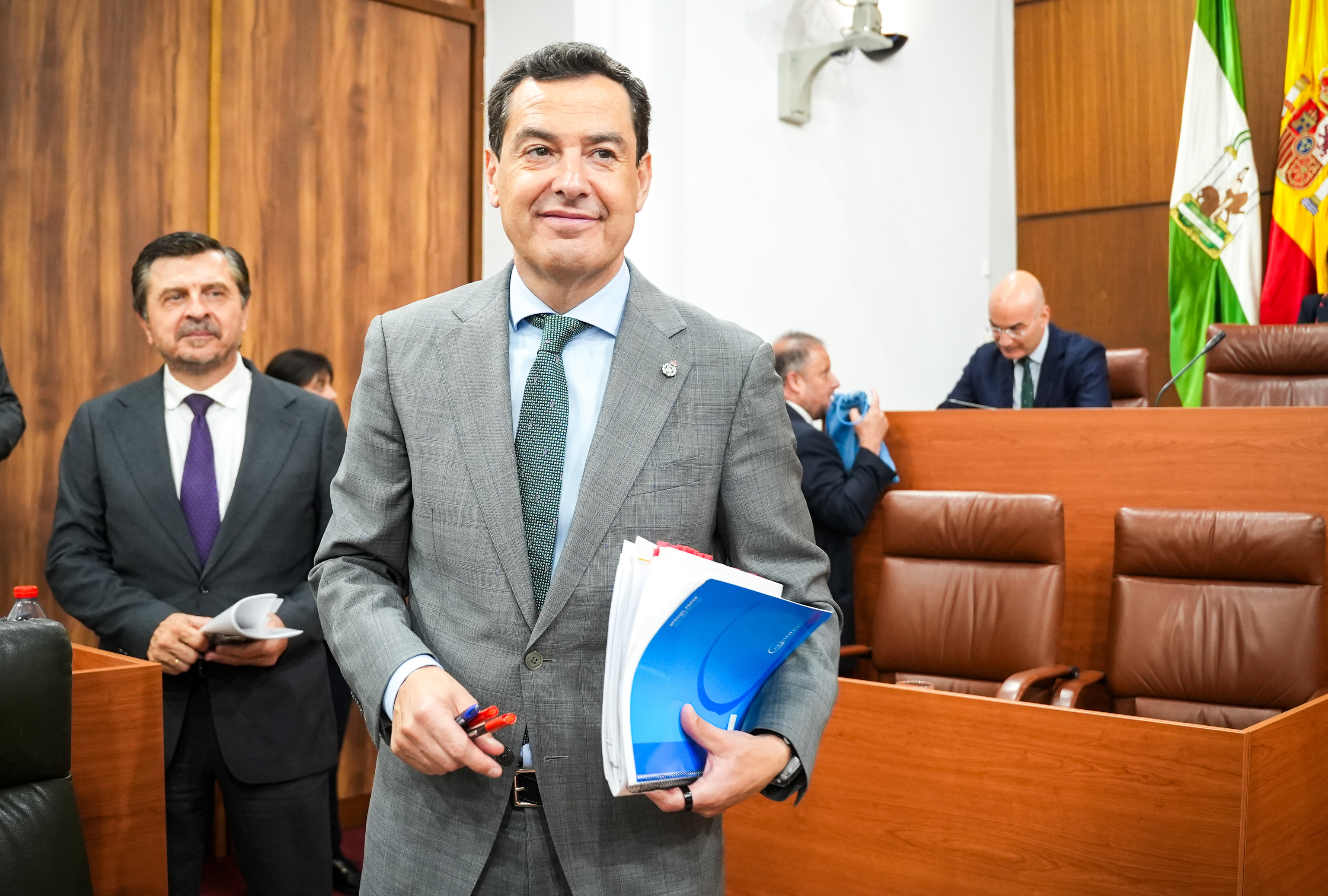
Vox aprieta a Moreno por el control de los sillones y del relato horas antes de la segunda votación para la investidura Con el acuerdo de medidas prácticamente cerrado, esta mañana se abordará el reparto de competencias: "Hay que ser generosos pero también razonables", apuntan en el PP andaluz Leer
elmundo · about 2 months ago
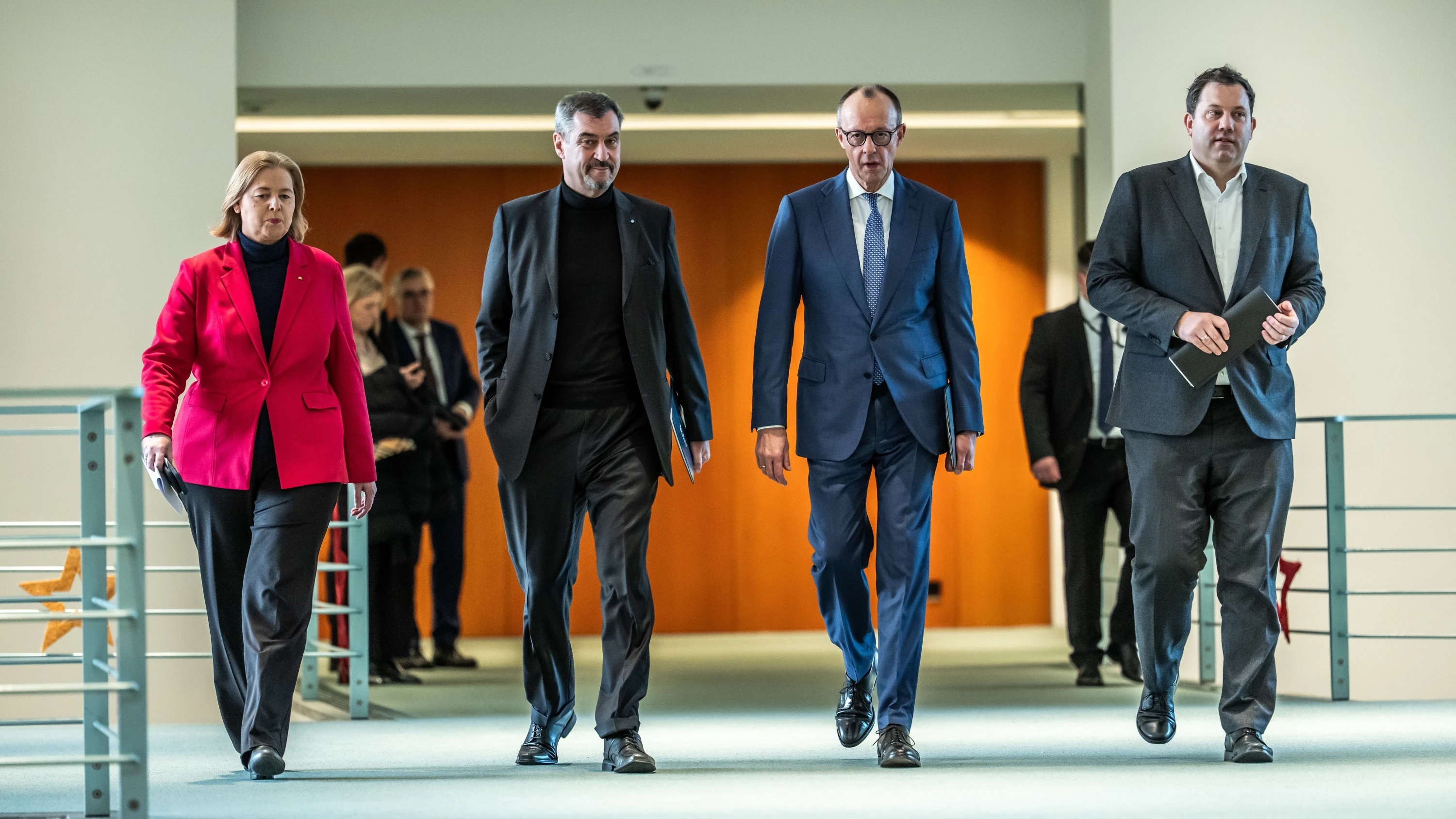
F.A.Z. Frühdenker: Um 9 Uhr soll das große Reformpaket vorgestellt werden Der Bundeskanzler stellt sich nach der Sitzung der Koalitionsspitzen den Fragen zur Reformpolitik der Regierung. In Dresden wird eine Chipfabrik der Superlative in Betrieb genommen. Der F.A.Z. Newsletter.
faz · about 2 months ago
Deutsche Koalition einigt sich auf Reformpaket
orf.at · about 2 months ago
BBB stapt uit Drentse coalitie vanwege stikstofplannen van BBB-gedeputeerde De BBB is in Drenthe uit de coalitie met VVD, PvdA en CDA gestapt. Tijdens een bijna zes uur durend debat over de stikstofplannen van de provincie stemde de BBB tegen het beleid van hun eigen gedeputeerde Henk Emmens.
nrc · about 2 months ago
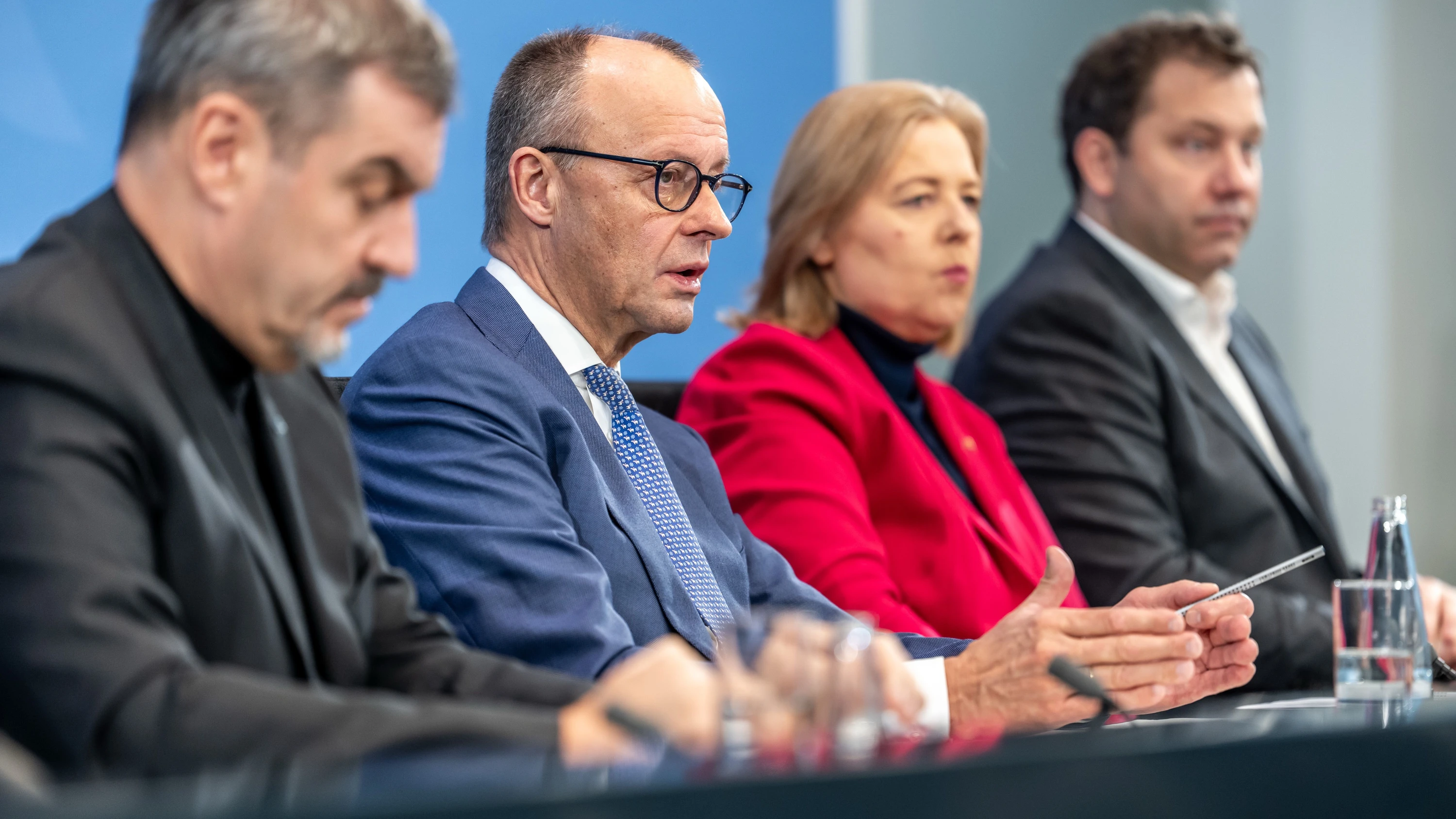
Deutschland-Liveblog: Von Steuer bis Rente: Koalition einigt sich auf Reformpaket Koalitionsausschuss informiert am Donnerstag über Ergebnisse +++ Berliner Wahlumfrage: Linke zieht an CDU vorbei +++ CDU stimmt gegen „Lex-AfD in Schwerin +++ alle Entwicklungen im Liveblog
faz · about 2 months ago
F.A.Z. Frühdenker: Kommt heute das große Reformpaket? Der Bundeskanzler stellt sich nach der Sitzung der Koalitionsspitzen den Fragen zur Reformpolitik der Regierung. In Dresden wird eine Chipfabrik der Superlative in Betrieb genommen. Der F.A.Z. Newsletter.
faz · about 2 months ago
Söder, Reformen und die heilige Mütterrente Präsentiert von Ørsted.
politico.eu · about 2 months ago
Nach Ende von Tankrabatt: Gesetzlicher Preisdeckel für Sprit rückt offenbar näher Der Wirtschaftsausschuss des Bundesrates habe den Weg freigemacht für staatlich festgelegte Obergrenzen, schreibt die „Rheinische Post.
tagesspiegel · about 2 months ago
Gesundheitssystem: Unionsfraktionen kritisieren Reformpläne von Nina Warken In mehreren Ländern regt sich Widerstand gegen Pläne zur Kranken- und Pflegeversicherung. Die Reformen dürften keine Abstiegsängste auslösen, fordern Unionspolitiker.
die zeit · about 2 months ago
Rentenreform, Einkommenssteuer, Bürokratieabbau: Koalition einigt sich nach langen Beratungen auf Reformpaket Die Koalition hat ein Maßnahmenpaket geschnürt, um die Wirtschaft aus der Krise zu holen und die sozialen Sicherungssysteme zu stabilisieren. Am Donnerstagmorgen will sie bekanntgeben, wie weit die Reformen gehen.
tagesspiegel · about 2 months ago
Kabinet hoopt op brede steun stikstofpakket, maar is te afhankelijk van PRO Het kabinet kan de hoop op breed draagvlak in de Kamer voor de stikstofaanpak laten varen. Oppositiepartijen ter rechterzijde van PRO willen de plannen "verbeteren", maar de linkse fusiepartij vreest dat het uitmondt in "afzwakkingen".
nu.nl · about 2 months ago
Bundesregierung: Steuerreform, Arbeitsmarkt, Rente: Koalition einigt sich auf Reformpaket Beim Koalitionsausschuss ist es nach Handelsblatt-Informationen zu einer überraschend schnellen Einigung gekommen. Union und SPD wollen vor allem bei Steuern und Arbeitsmarkt Reformen umsetzen.
handelsblatt · about 2 months ago

Drentse coalitie na stikstofdebat verder zonder BBB
de volkskrant · about 2 months ago

Schwarz-Rot einigt sich auf Einkommensteuerreform und Wachstumspaket Laut Koalitionskreisen beinhalten die Reformen die Einkommenssteuer sowie Vorhaben in den Bereichen Rente, Arbeitsmarkt, Wachstum und Bürokratieabbau. Die Parteivorsitzenden wollen am Donnerstagmorgen über die Ergebnisse des Koalitionsausschusses unterrichten.
welt.de · about 2 months ago
Sachsen-Anhalt: Landtag schließt Lücke bei Aufarbeitung der Nachkriegszeit
die zeit · about 2 months ago
Bundespolitik: Koalitionsausschuss einigt sich auf Reformpaket Die Spitzen von Union und SPD haben sich nach Angaben aus Koalitionskreisen auf eine Reihe von Reformen verständigt. Über die Inhalte wollen sie Donnerstagfrüh informieren.
sueddeutsche · about 2 months ago
Bundesregierung: Koalitionsspitzen haben sich offenbar auf Reformpaket geeinigt Spitzen von Union und SPD haben ihre Beratungen beendet. Berichten zufolge verständigten sie sich auf mehrere Reformen. Ergebnisse sollen am Morgen vorgestellt werden.
die zeit · about 2 months ago
Bundesregierung: Koalition einigt sich auf Reformpaket
die zeit · about 2 months ago
Koalitionsausschuss: Koalition einigt sich auf Reformpaket
die zeit · about 2 months ago
Vorstellung am Donnerstagmorgen: Koalition einigt sich nach langen Beratungen auf Reformpaket Wie groß wird das Reformpaket? Eine Pressekonferenz nach dem Koalitionsausschuss wird am Donnerstag darüber Aufschluss geben.
tagesspiegel · about 2 months ago
Gesundheitsreform: ÖGK-Obmann Huss im Studio
orf.at · about 2 months ago