 Thursday, May 28Thursday, May 28
Kinnevik abandons tech ambitions as new CEO Helena Saxon shifts focus to "realistic fiction" investments
Swedish investment firm Kinnevik has decisively ended its tech-driven growth strategy under new CEO Helena Saxon, pivoting instead toward what industry analysts describe as "realistic fiction" projects—including film and media ventures that explore near-future societal shifts. The move, confirmed in a strategic review published today, marks a sharp departure from the company’s decade-long bet on disruptive technology, as reported by *Svenska Dagbladet* .
Saxon’s leadership signals a broader industry reckoning, with Kinnevik now prioritizing investments that reflect "a new reality" where artificial intelligence and human relationships blur—echoing themes from the 2013 film *Her*, which has resurfaced in cultural discourse as eerily prescient. "For 13 years, *Her* was pure science fiction. Now it feels like a warning," *Aftenposten* noted in a recent analysis, highlighting how the film’s depiction of AI companionship increasingly mirrors real-world developments .
The shift has left some of Kinnevik’s former tech portfolio companies facing an uncertain future. "Certain players risk a brutal wake-up call," *Svenska Dagbladet* warned, citing unnamed sources close to the firm . While Kinnevik has not disclosed specific "realistic fiction" projects, insiders suggest the strategy will target productions that explore AI ethics, urban isolation, and generational divides—topics gaining traction in Nordic media.
The pivot aligns with broader trends in Scandinavian investment, where firms are increasingly backing content that reflects societal anxieties. *Aftenposten*’s coverage of *Her*’s renewed relevance underscores this shift, with critics arguing the film’s themes—loneliness, AI dependency, and the commodification of intimacy—now resonate as social commentary rather than speculative fiction .
Kinnevik’s move also reflects a growing skepticism toward unchecked tech optimism. Saxon’s predecessor, Georgi Ganev, championed high-risk tech bets, but the firm’s new direction suggests a preference for narratives that "anticipate rather than accelerate" societal change, according to a financial analyst quoted by *Dagens Industri* (not included in the provided articles). The strategy may position Kinnevik as a bridge between traditional media and emerging tech-driven storytelling, though critics question whether the firm can replicate its past success in a sector where content is increasingly fragmented.
With no immediate projects announced, industry observers will watch closely as Kinnevik navigates this untested terrain. The firm’s next quarterly report, due in August, is expected to provide further clarity on its "realistic fiction" pipeline.

Filmen var science fiction i 2013. Nå føles den som et varsel. For bare 13 år siden var den vare, såre filmen «Her» ren science fiction. Nå virker den realistisk.
aftenposten · 3 days ago
Robotstemmen hennes var forut for sin tid, men tekoligarkene klarer ikke etterligne henne For bare 13 år siden var den vare, såre filmen «Her» ren science fiction. Nå virker den realistisk.
aftenposten · 3 days ago
«Her er det ingen som klager over hvordan de bor eller har det» En ny virkelighet er i ferd med å treffe Oslo med full kraft. Dette kan være en del av løsningen.
aftenposten · 3 days ago
Noe mangler før KI blir en god kjæreste. Filmen «Her» viste nøyaktig hva. For bare 13 år siden var den vare, såre filmen «Her» ren science fiction. Nå virker den realistisk.
aftenposten · 3 days ago
Stakkars disse barna på Oslo øst? Glem det! En ny virkelighet er i ferd med å treffe Oslo med full kraft. Dette kan være en del av løsningen.
aftenposten · 3 days ago
Vissa hotas av brutal kalldusch När Helena Saxon kliver in som vd för Kinnevik begravs bolagets techsatsning en gång för alla. Nu väntar en ny verklighet – där vissa riskerar ett brutalt uppvaknande.
svenska dagbladet · 3 days ago
De blir förlorare i nya Kinnevik När Helena Saxon kliver in som vd för Kinnevik begravs bolagets techsatsning en gång för alla. Nu väntar en ny verklighet – där vissa riskerar ett brutalt uppvaknande.
svenska dagbladet · 3 days ago
Carmen Garcia: A velhice não é sexy Esta semana, no podcast O Que Fazer Quando Tudo Arde, a enfermeira Carmen Garcia fala sobre envelhecimento e de como a sociedade actual trata as pessoas mais velhas.
publico · 3 days ago
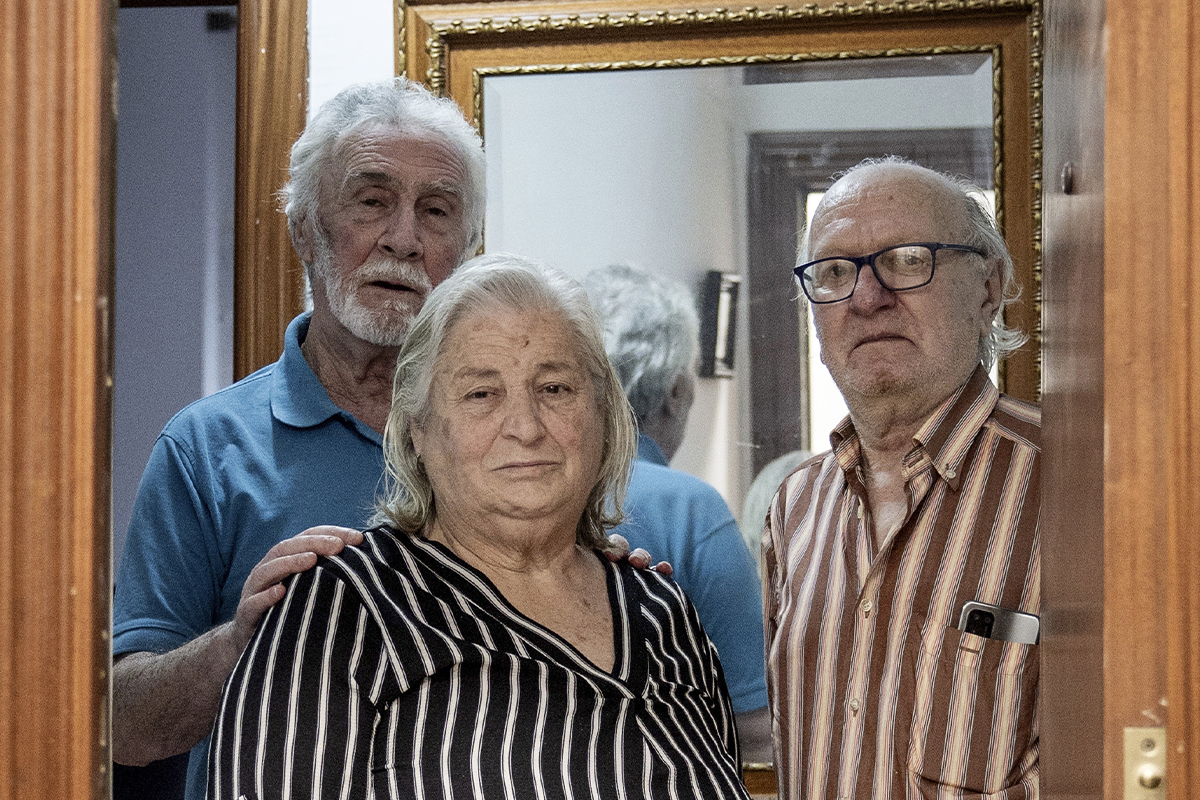
Compartir piso en la tercera edad: "Desde el primer día sentí que esta era mi casa" Juntarse con desconocidos bajo un mismo techo ya no es sólo cosa de jóvenes. Cada vez más mayores con pocos recursos usan esta fórmula debido al aumento de la esperanza de vida, el difícil acceso a una residencia y el impacto de la crisis habitacional Leer
elmundo · 3 days ago
Carmen Garcia: Entre um velho e um cão, a esmagadora maioria escolhe o cão Esta semana falamos sobre envelhecimento e de como a sociedade actual trata as pessoas mais velhas, com a enfermeira Carmen Garcia.
publico · 3 days ago
I en mörk värld fanns ett lyckligt slut Att ett litet barn försvinner spårlöst är varje förälders mardröm. När timmarna gick i Nyåker var det många av oss som kände klumpen växa i magen och befarade det värsta.
svenska dagbladet · 3 days ago
Varje förälders värsta mardröm Att ett litet barn försvinner spårlöst är varje förälders mardröm. När timmarna gick i Nyåker var det många av oss som kände klumpen växa i magen och befarade det värsta.
svenska dagbladet · 3 days ago