 Thursday, May 21Thursday, May 21
The latest Ebola outbreak in the Democratic Republic of Congo (DRC) has been declared a Public Health Emergency of International Concern (PHEIC) by the World Health Organization (WHO). The outbreak, caused by the Bundibugyo variant, has no approved vaccines or treatments, increasing concerns about its spread. As of the latest reports, there are eight confirmed cases and 246 suspected cases in the DRC’s Ituri province, with dozens of deaths already recorded .
Cases have also been reported in neighboring Uganda, particularly among travelers from the DRC, prompting both countries to implement emergency containment measures. Ugandan authorities are actively responding to the threat, with health officials monitoring cross-border movements and enhancing surveillance .
Health experts, including Laurens Liesenborghs from a Belgian institute, warn that conditions are ripe for a major outbreak in both Congo and Uganda, citing challenges in containment and the lack of medical countermeasures . The virus was first detected in the DRC on May 5, 2026, and has since spread rapidly .
International concern has grown following reports that at least six Americans in the DRC were exposed to the virus, though no cases have been confirmed among them . Meanwhile, global health agencies, including Australian health officials, are coordinating response efforts, though no direct involvement in the DRC or Uganda has been detailed .
In Europe, health authorities, such as Germany’s Health Minister Warken, have assessed the risk to the local population as "extremely low", though monitoring remains in place . The WHO’s emergency declaration underscores the urgency of international support to prevent further transmission.
> Background: **WHO declares Ebola emergency as Hantavirus hits cruise ship and Canada.** — *5 hours ago*
More LFE coverage on this topic

DR Congo takes emergency measures to contain new Ebola outbreak DRC authorities have been advised to take emergency measures in a bid to contain the latest Ebola outbreak. Dozens of lives have already been claimed by the outbreak, which has been declared a public health emergency of international concern by the World health Organisation. Cases have also been reported in neighbouring Uganda, among travellers from Congo.
france24 · 3 days ago
Syria joins World Health Assembly in Geneva to strengthen health cooperation Geneva, May 18 (SANA) Syrian Health Minister Musab al-Ali is participating in the 79th World Health Assembly in…
europesays.com · 3 days ago
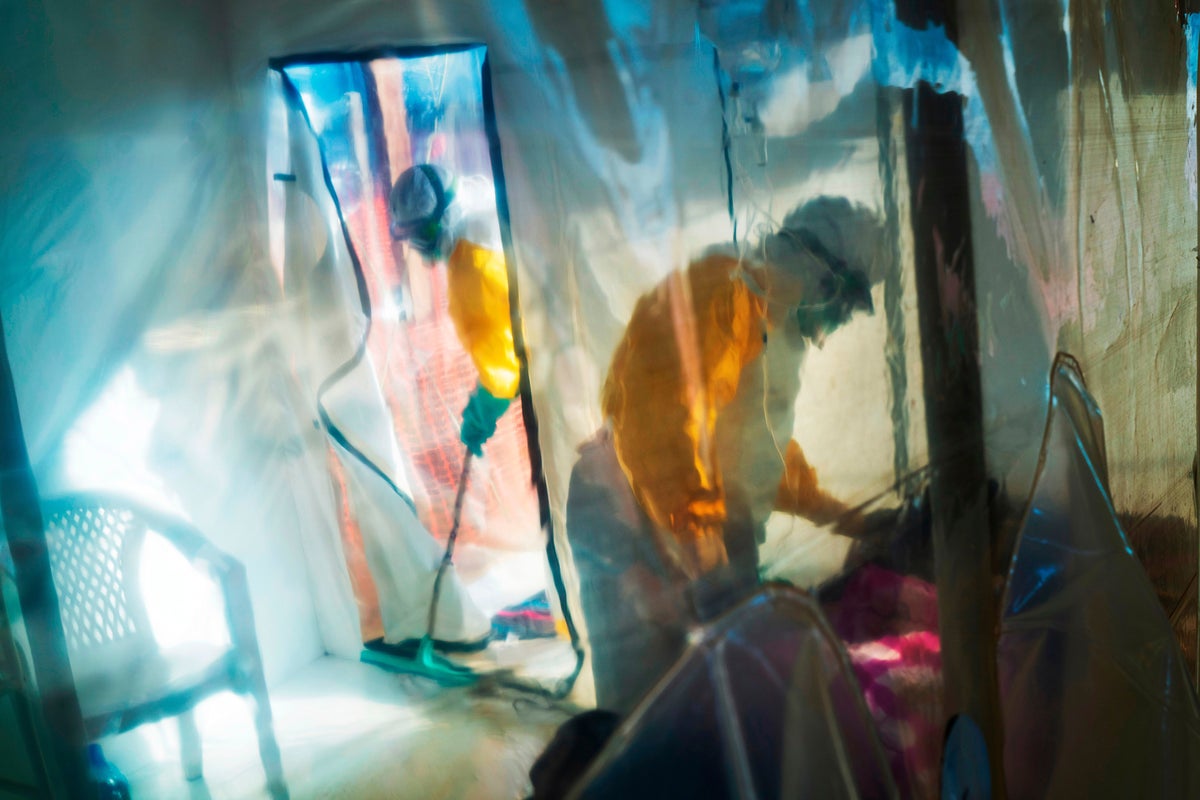
Im a microbiologist. Heres what we know about the Ebola outbreak in West Africa The virus was first detected on May 5 in the Democratic Republic of the Congo (DRC)
independent · 3 days ago
Ebola outbreak: Americans in Congo believed to have had exposure to suspected cases| STAT A number of Americans who are in the Democratic Republic of the Congo are believed to have had…
europesays.com · 3 days ago
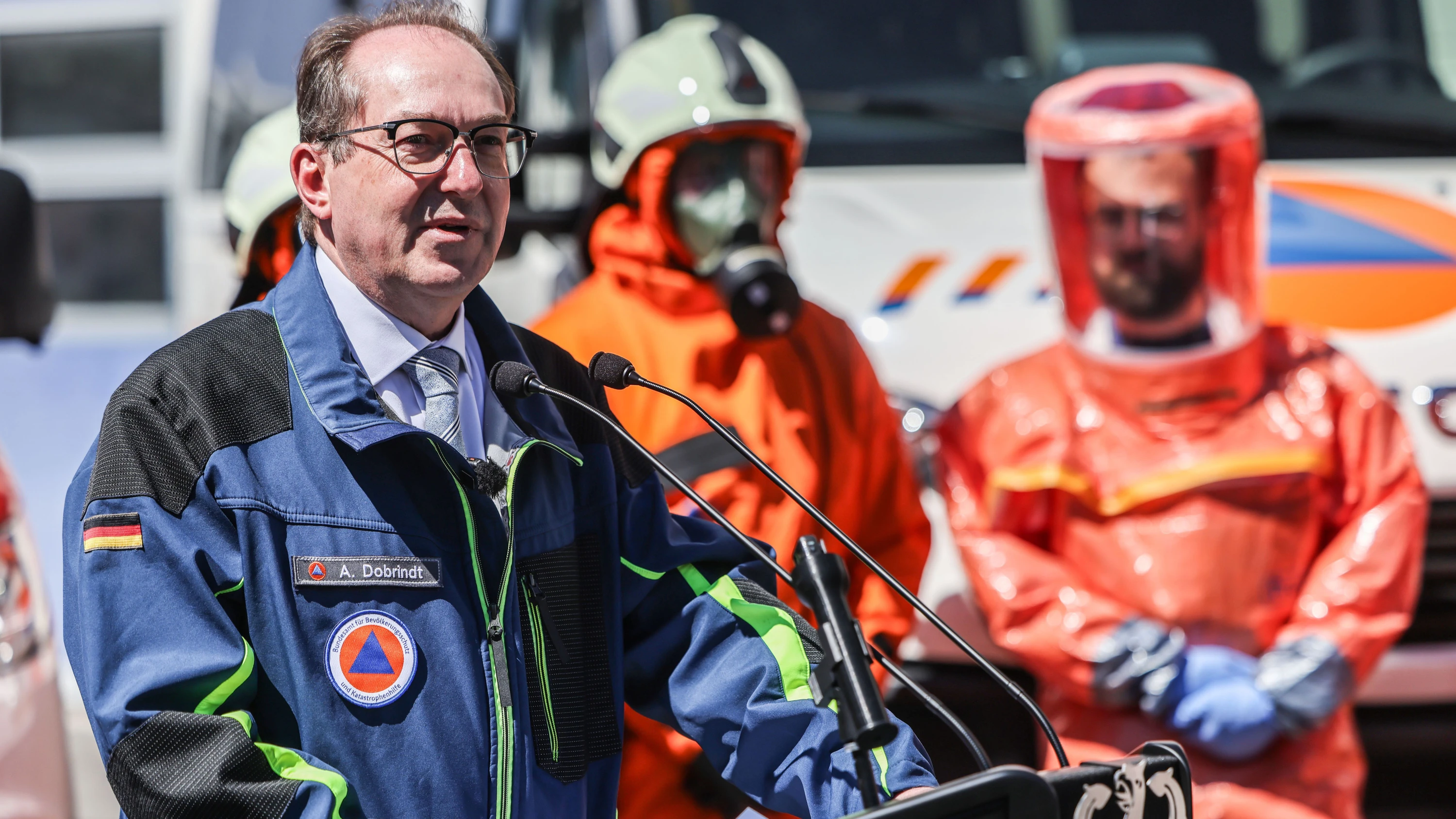
Deutschland-Liveblog: Dobrindt will Zivilschutz mit Milliardenprogramm stärken Wirtschaftsministerin Reiche dringt auf baldige Stromsteuer-Senkung für alle +++ Gesundheitsministerin Warken: Risiko bei Ebola für deutsche Bevölkerung äußerst gering+++ alle Entwicklungen im Liveblog
faz · 3 days ago
There Is a Solution to the Global Health Care Crisis Cuts in foreign aid have been devastating. Countries have a window to step in and craft plans for success.
foreignpolicy.com · 3 days ago
Uganda responds with emergency measures to Ebola outbreak Al Jazeeras Catherine Soi reports on the emergency measures implemented in Uganda in response to the Ebola outbreak.
aljazeera · 3 days ago
Belgian institute fears major Ebola outbreak in Congo and Uganda All the conditions are in place for a major Ebola outbreak in Congo and Uganda, fears Laurens Liesenborghs,…
europesays.com · 3 days ago
WHO declares health emergency after Ebola outbreak The World Health Organization (WHO) has declared an Ebola outbreak in the Democratic Republic of Congo (DRC) and Uganda a Public Health Emergency of International Concern. The outbreak involves the Bundibugyo variant, for which no approved vaccines or treatments currently exist. In the DRCs Ituri province, there are eight confirmed cases, 246 suspected cases, and […]
cphpost · 3 days ago
At least 6 Americans in Congo were exposed to Ebola virus, sources say At least six Americans were exposed to Ebola virus in the Democratic Republic of Congo, sources with international…
europesays.com · 3 days ago
News live: Australian health officials to work on Ebola outbreak response, minister says; $2bn state-federal deal for new Queensland housing | Australia news Key events Show key events only Please turn on JavaScript to use this feature Albanese says negative gearing…
europesays.com · 3 days ago
The Risk of Standing Still: Governing AI in Health Systems Under Pressure Contributors: Vivek Agarwal, Bertrand Assamoi, Mareme Gaye, Patrick Karanja, Magdalene Kariuki, Pule Kumalinga, Ricardo Baptista Leite Executive Summary…
europesays.com · 3 days ago