 Monday, May 18Monday, May 18
Iran has signaled its capability to enrich uranium to 90% purity, a weapons-grade level, if necessary for its nuclear reactors amid ongoing tensions and stalled negotiations over its nuclear program. Tehran has explicitly warned that it will escalate enrichment to weapons-grade if attacked again, as ceasefire talks with the U.S. falter. The U.S. has demanded Iran halt uranium enrichment and surrender its stockpiles in exchange for sanctions relief, but Iran has rejected these conditions, stating it will not compromise on its proposals . Residents in Tehran express growing concern over the potential extension of the conflict despite the current ceasefire .
Saudi Arabia reportedly conducted unpublicized strikes on Iran in retaliation for attacks on the kingdom during the recent conflict, according to Western and Iranian officials. Riyadh informed Tehran of the strikes in advance, followed by diplomatic exchanges and warnings of further retaliation, ultimately leading to an understanding between the two nations to de-escalate tensions. Neither government has publicly confirmed the attacks .
The United Arab Emirates (UAE) has been accused of coordinating military strikes on Iran alongside Israel, targeting Iranian petrochemical and refinery sites in response to Iranian attacks on UAE territory. Reports suggest the UAE secretly conducted strikes, including on Iran’s Lavan Island, though the UAE has denied these claims, asserting it does not seek escalation and acts independently in self-defense . The UAE’s actions have raised concerns about broader Gulf involvement in a potential war with Iran, with Kuwait reporting the capture of Iranian Revolutionary Guard Corps (IRGC) members attempting attacks on Kuwaiti territory . The UAE has reiterated its defensive posture while denying direct involvement in strikes .
> Background: **Iran-UAE Tensions Escalate as Nuclear Threats and Military Strikes Rise** — *43 minutes ago*
More LFE coverage on this topic

Business-Ticker: Mercedes-Benz verkauft Autohäuser in Berlin und Brandenburg Verkaufsplan für alle Mercedes-Niederlassungen +++ Siemens vor Übernahme in Italien +++ Carl Zeiss Meditec will Kosten senken – bis zu 1000 Stellen betroffen +++ Neuigkeiten im Unternehmen-Liveblog.
faz · 5 days ago
Business-Ticker: Medien: Mercedes-Benz verkauft alle Autohäuser – 8000 Jobs betroffen Käufer ist laut „Bild der kanadische Unternehmer Kuldeep Billan +++ Siemens vor Übernahme in Italien +++ Carl Zeiss Meditec will Kosten senken – bis zu 1000 Stellen betroffen +++ Neuigkeiten im Unternehmen-Liveblog.
faz · 5 days ago
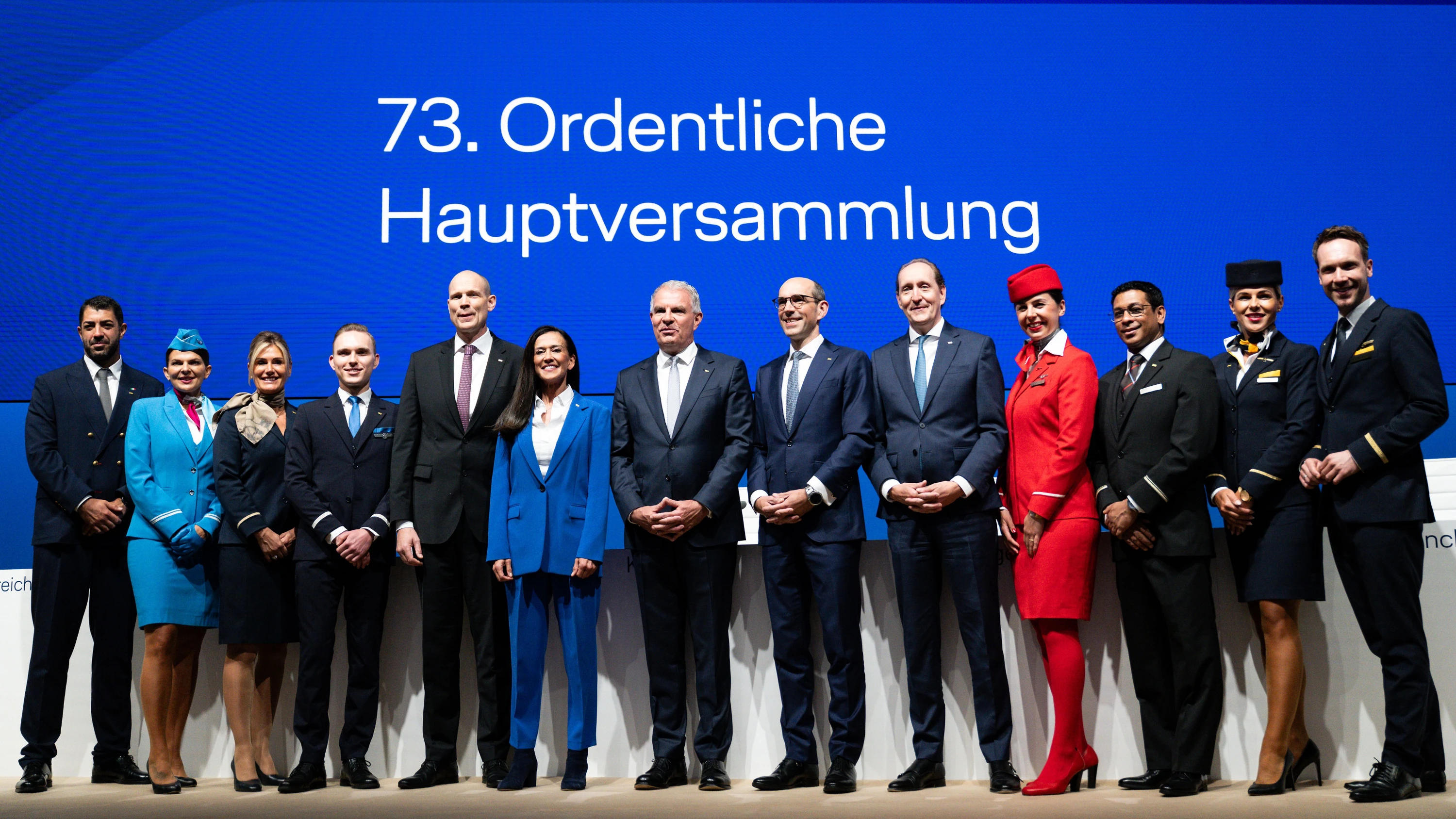
Turbulente Hauptversammlung: Die dritte Epoche der Lufthansa Die Fluggesellschaft macht bei der Mehrheitsübernahme von ITA Tempo. Chef Spohr sieht den Konzern auf Kurs in eine neue Ära, Aktionäre haben auf der Hauptversammlung indes viel Redebedarf zu aktuellen Tarifkonflikten.
faz · 5 days ago

Hims & Hers plummets 13 after first-quarter loss, weak earnings guidance Hims & Hers reached a deal with Novo Nordisk in March to sell its GLP-1 weight loss drug Wegovy on its platform.
cnbc · 6 days ago
Lieferdienste: Einer der erfolgreichsten Gründer Deutschlands muss gehen Niklas Österberg gründete vor 15 Jahren in Berlin den Lieferdienst Delivery Hero und führte das Unternehmen bis in den Dax. Jetzt verlässt er die Firma, aber nicht freiwillig.
sueddeutsche · 6 days ago
Swiss third in the world for corporate investment in research In spite of global challenges, large Swiss companies continue to make a strong bet on innovation. +Get the most important news from Switzerland in your inbox According to a study published on Tuesday by the auditing and consulting firm EY, Swiss groups had one of the highest rates of investment in research and development (R&D) in the world in 2025. Analysing the worlds top 500 groups by R&D expenditure, Switzerland ranks third in terms of research intensity (the ratio of R&D expenditure to turnover), surpassed only by the Netherlands and the US. The 14 Swiss groups surveyed achieved an average intensity of 8.4, which is significantly higher than the European average (6.7) but still far behind the US (9.2). In absolute terms, Swiss companies invested a total of €34 billion (CHF31.2 billion) in innovation in the past year, a result that gives Switzerland sixth place in the world ranking for total expenditure. As usual, it is the Basel-based pharmaceutical giants that are leading ...
swissinfo · 6 days ago
Thyssenkrupp-Vorständin: Und, alles schlecht? Aber nicht doch! Ilse Henne sitzt an drei Schaltstellen von Thyssenkrupp. Sie entscheidet mitten in der Energiekrise über die Zukunft der deutschen Industrie mit. Auf eine Currywurst mit einer Optimistin in pessimistischen Zeiten.
sueddeutsche · 6 days ago
Thyssenkrupp-Vorständin: Optimistin in pessimistischen Zeiten Ilse Henne sitzt an drei Schaltstellen von Thyssenkrupp und bestimmt mitten in einer drohenden Energiepreiskrise die Zukunft der deutschen Industrie mit. Und, alles schlecht? Nein, sagt Henne.
sueddeutsche · 6 days ago
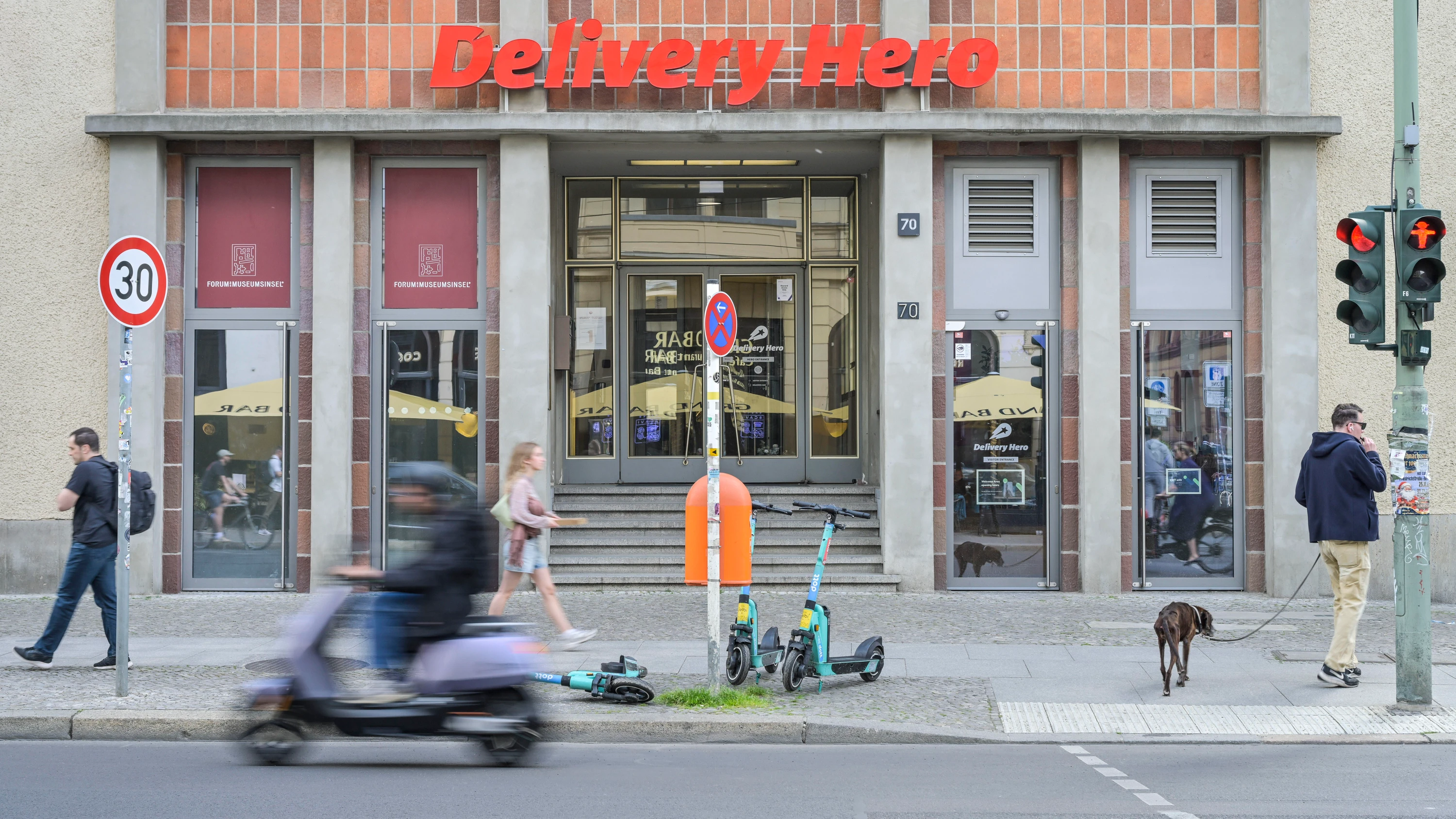
Business-Ticker: Gründer von Delivery Hero gibt Chefposten ab – Aktie steigt um 18 Prozent Carl Zeiss Meditec will Kosten senken – bis zu 1000 Stellen betroffen +++ 61 Prozent der deutschen Unternehmen in China wollen Investitionen ausweiten +++ Munich Re macht weniger Neugeschäft +++ Neuigkeiten im Unternehmen-Liveblog.
faz · 6 days ago