 Thursday, May 21Thursday, May 21
The $1.776 billion Anti-Weaponization Fund, established as part of a settlement between Donald Trump and the IRS, has sparked legal and political controversy, particularly over its potential to compensate individuals involved in the January 6 Capitol riot. The fund was created after Trump dropped his $10 billion lawsuit against the IRS, which stemmed from the 2019 leak of his tax returns. Under the settlement, the IRS is permanently barred from auditing Trump, his family, or the Trump Organization, while the fund is designed to compensate those who claim they were targeted by politically motivated prosecutions .
Legal Challenges from January 6 Police Officers Two law enforcement officers—retired Capitol Police Officer Harry Dunn and D.C. Metropolitan Police Officer Daniel Hodges—have filed lawsuits to block the fund, arguing it unlawfully rewards January 6 rioters and paramilitary groups that committed violence against them. The officers claim the fund endangers their lives by incentivizing further violence and directly financing those who have threatened them. Their lawsuit invokes the 14th Amendment’s prohibition on paying debts incurred in aid of insurrection, framing the fund as a corrupt use of taxpayer money .
Structure and Controversy of the Fund The fund is administered by a five-member commission appointed by Acting Attorney General Todd Blanche, Trump’s former criminal defense lawyer. Decisions on payouts are not subject to judicial review or appeal, and the settlement does not require public disclosure of recipients. While the fund is open to nearly anyone alleging "weaponization" or "lawfare," Blanche has refused to rule out compensating individuals convicted of assaulting Capitol Police, stating, *"I’m not one of the commissioners setting up the rules"* .
Critics, including legal experts, argue the fund is an abuse of the Judgment Fund, a 1956 mechanism designed to pay court settlements without congressional approval. The fund’s lack of oversight and potential to reward insurrectionists have drawn comparisons to the Obama-era $1.7 billion payment to Iran, which also faced criticism for bypassing congressional scrutiny .
Political and Legislative Responses Democrats, led by Rep. Jamie Raskin (D-Md.), are pushing legislation to block the fund, with Rep. Brian Fitzpatrick (R-Pa.) expressing potential bipartisan support. Raskin’s bill would prohibit federal funds from being used for the Anti-Weaponization Fund, and he is considering a discharge petition to force a vote if House Republican leadership resists. Meanwhile, Trump and his allies have defended the fund, with Trump stating it will reimburse those *"horribly treated"* and Vice President J.D. Vance suggesting even Hunter Biden could qualify .
IRS Settlement Implications The settlement also permanently bars the IRS from auditing Trump, his family, or the Trump Organization, a provision that has stunned tax professionals and reignited Democratic efforts to obtain Trump’s tax returns. The agreement includes a formal apology to Trump but no monetary damages, despite his initial $10 billion lawsuit .
> Background: **Trump settles IRS dispute, securing permanent audit ban and 1.776B fund.** — *15 hours ago*
More LFE coverage on this topic

Tax world gawks at Trump audit agreement: Never seen anything like this A DOJ agreement ending any current IRS audits of the president, his family or his businesses stuns tax practitioners and could reignite Democratic lawmakers pursuit of Trumps tax returns.
politico.eu · about 5 hours ago
![Democrats move to shut down Trumps $1.8 billion anti-weaponization fund The top Democrat on the House Judiciary Committee is introducing legislation that would block a $1.8 billion fund to pay people who say they were the targets of politically-motivated prosecutions.Why it matters: Rep. Jamie Raskin (D-Md.) could garner GOP support for the effort, with Rep. Brian Fitzpatrick (R-Pa.) telling reporters on Wednesday he will try to kill the fund.Were going to write a letter to the [attorney general] to start, but were considering a legislative option, Fitzpatrick said.Raskin is eyeing a discharge petition as a backup option to force a vote on his measure if House Republican leadership blocks it from coming to the floor, a spokesperson confirmed to Axios.Driving the news: The bill, a copy of which was shared with Axios, stipulates that no Federal funds may be used to create or make payments to fund the Trump administrations Anti-Weaponization Fund.The fund is the result of a settlement between Trump and the IRS, reached after Trump sued the agency over the leaking of his tax returns.The fund would allow anyone who has accused the federal government of politically motivated lawfare — such as Jan. 6 defendants — to seek compensation.Two law enforcement officers who were at the Capitol on Jan. 6, 2021, have sued to dissolve it.A Justice Department spokesperson did not immediately respond to a request for comment.](https://images.axios.com/xJ2d0TuDpvLHrhWvewe9DVK1N9Y=/0x367:6530x4040/1366x768/2026/05/20/1779303635110.jpeg)
Democrats move to shut down Trumps $1.8 billion anti-weaponization fund The top Democrat on the House Judiciary Committee is introducing legislation that would block a $1.8 billion fund to pay people who say they were the targets of politically-motivated prosecutions.Why it matters: Rep. Jamie Raskin (D-Md.) could garner GOP support for the effort, with Rep. Brian Fitzpatrick (R-Pa.) telling reporters on Wednesday he will try to kill the fund.Were going to write a letter to the [attorney general] to start, but were considering a legislative option, Fitzpatrick said.Raskin is eyeing a discharge petition as a backup option to force a vote on his measure if House Republican leadership blocks it from coming to the floor, a spokesperson confirmed to Axios.Driving the news: The bill, a copy of which was shared with Axios, stipulates that no Federal funds may be used to create or make payments to fund the Trump administrations Anti-Weaponization Fund.The fund is the result of a settlement between Trump and the IRS, reached after Trump sued the agency over the leaking of his tax returns.The fund would allow anyone who has accused the federal government of politically motivated lawfare — such as Jan. 6 defendants — to seek compensation.Two law enforcement officers who were at the Capitol on Jan. 6, 2021, have sued to dissolve it.A Justice Department spokesperson did not immediately respond to a request for comment.
axios · about 6 hours ago
Police sue to block Jan 6 rioters from payouts via Trumps Anti-Weaponization Fund Two police officers who defended the US Capitol from a pro-Trump mob on January 6, 2021, filed suit Wednesday to block those who took part in the violence from receiving payouts from a new fund totaling nearly $1.8 billion. The fund, destined for Trump allies claiming political prosecution, was created this week in exchange for President Donald Trump dropping his $10 billion lawsuit against the IRS.
france24 · about 6 hours ago

January 6 officers sue Trump over $1.8bn fund, alleging presidential corruption Retired Capitol police officer and DC officer allege Trumps $1.8bn fund unlawfully rewards January 6 rioters and alliesUS politics live – latest updatesTwo police officers who clashed with rioters at the US Capitol during the January 6 insurrection in 2021 have sued Donald Trump over plans to create a $1.776bn anti-weaponization fund.The fund, which critics have argued is essentially a slush fund, is set to compensate allies of the US president who he claims were victims of prosecutorial overreach. Continue reading...
theguardian · about 7 hours ago
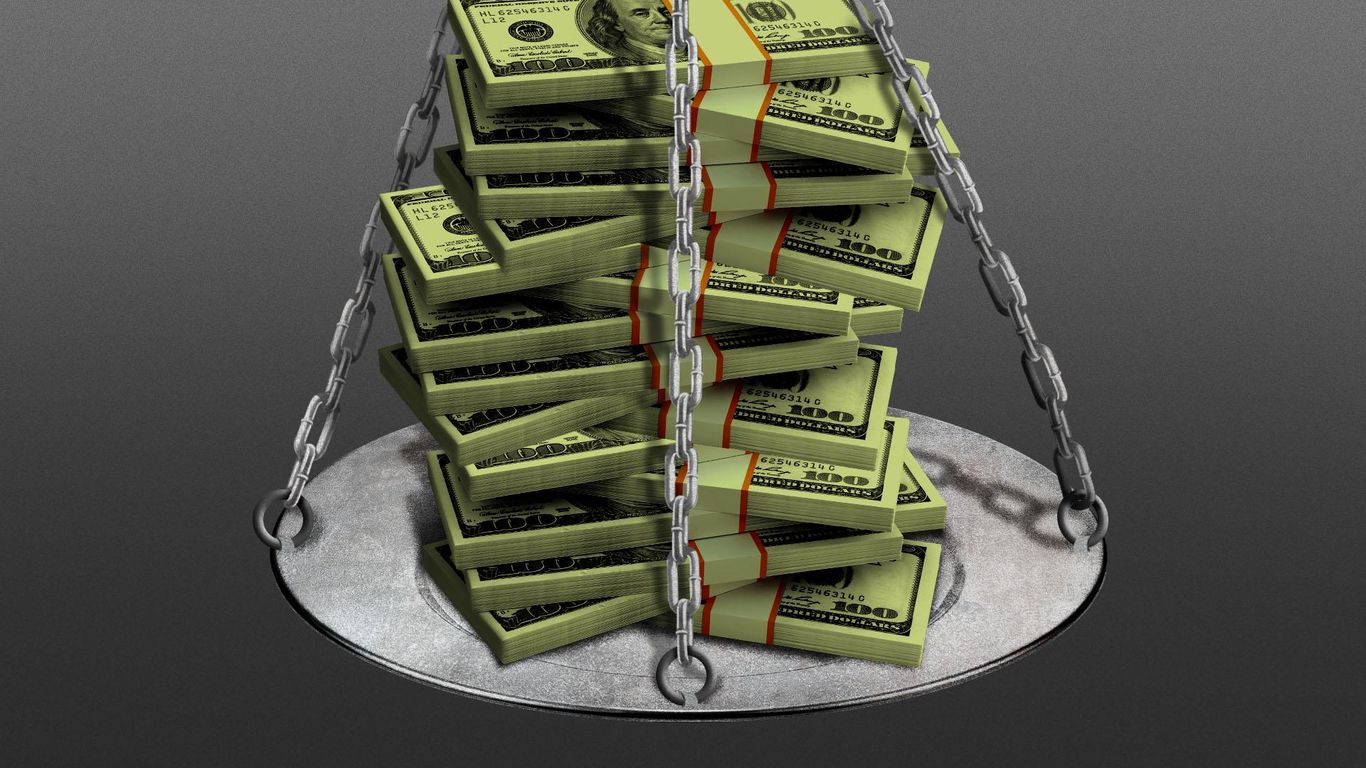
How Trumps $1.8B anti-weaponization fund works President Trump sued his own administration, settled and will now spend $1.776 billion of taxpayer money to pay people who say the government targeted them politically.Why it matters: The Anti-Weaponization Fund turns a personal Trump settlement into a new government program, shields decisions on who gets the money from the courts and limits information about what the public knows about where the funds go.The backstory: Trump sued the IRS and Treasury in January for $10 billion over the 2019 leak of his tax returns. The settlement gives Trump, his sons and the Trump Organization a formal apology but no money, and it bars the IRS from auditing Trumps past tax returns.Acting Attorney General Todd Blanche, Trumps former criminal defense lawyer, created the Anti-Weaponization Fund with the Treasury Departments Judgment Fund.How it works: The attorney general will handpick the five-member commission that decides who will collect money from the fund, which ends in December 2028.Those decisions cant be appealed or challenged in court. The settlement does not require public disclosure of payouts.The settlement lets the fund spend part of the $1.776 billion on itself, including staff, travel and facilities. The Justice Department and the White House did not answer Axios question about whether there is any cap on those costs.Whos eligible: Almost anyone alleging weaponization or lawfare can apply, Blanche told a Senate Appropriations subcommittee Tuesday.Blanche refused to commit that people convicted of assaulting Capitol Police would be excluded: Im not one of the commissioners setting up the rules.Vice President Vance separately said that even Tina Peters, the former Colorado county clerk convicted of a state crime, and Hunter Biden, the son of former President Biden, could be compensated.Context: Trumps new fund is possible thanks to a Judgment Fund created by Congress in 1956, so the government could quickly pay off court losses and settlements without voting each time.Initially, payouts were limited to $100,000. That cap was lifted in 1978.Critics have previously warned that it lets administrations spend huge sums with little oversight. The Obama administrations $1.7 billion Judgment Fund payment to Iran became a major flashpoint in 2016.Zoom in: Paul Figley, who spent 32 years at the Justice Department and is an expert on the Judgment Fund, tells Axios this use is certainly not what Congress anticipated when it set the system up.Its bad policy, but its Congresss fault for leaving a huge loophole, Figley said. He expects future administrations of either party to do the same until Congress stops it.Nobody typically has standing to challenge Judgment Fund payouts in court, he said.Yes, but: Legal challenges over Trumps fund have already begun.Two officers who defended the Capitol on Jan. 6, 2021, sued Wednesday to dissolve the fund, calling it the most brazen act of presidential corruption this century.Former Capitol Police Officer Harry Dunn and D.C. Metropolitan Police Officer Daniel Hodges argue the fund will bankroll Proud Boys and Jan. 6 rioters who have threatened their lives.The suit invokes the 14th Amendments bar on the U.S. paying any debt or obligation incurred in aid of insurrection.The other side: Blanche and the Justice Department repeatedly pointed to a $760 million Obama-era Keepseagle settlement for Native American farmers alleging Agriculture Department discrimination as precedent for the funds existence.But that settlement was approved by a federal judge after years of litigation.Trumps case settled days before the Justice Department was due to respond to a court order asking if the presidents lawsuit against agencies he oversees was a real dispute.
axios · about 8 hours ago
How will Trump deploy his $1.8bn anti-weaponisation fund? Critics say the settlement establishing the presidents slush fund is an illegal use of taxpayers money
financial times · about 8 hours ago
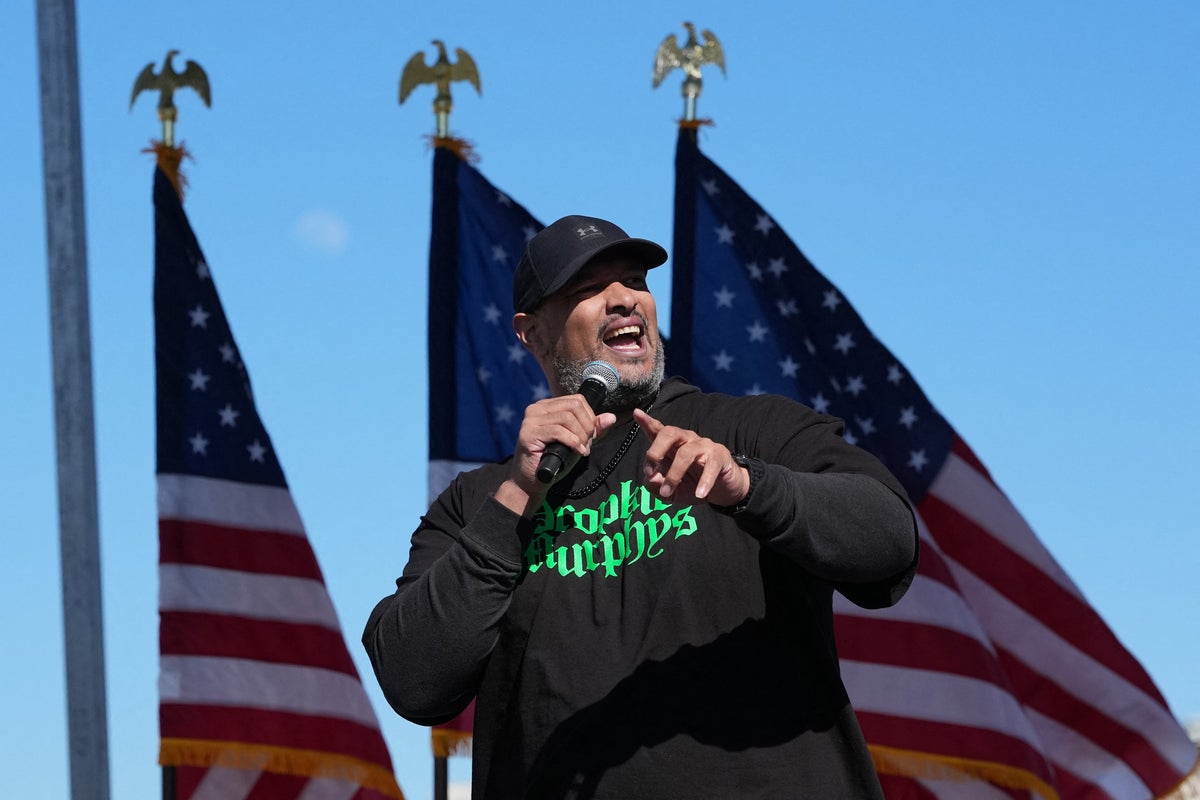
Jan. 6 cops sue to block Trumps $1.8B slush fund for insurrectionists after IRS bail out Harry Dunn and Daniel Hodges say the fund illegally rewards rioters for violence against law enforcement
independent · about 9 hours ago
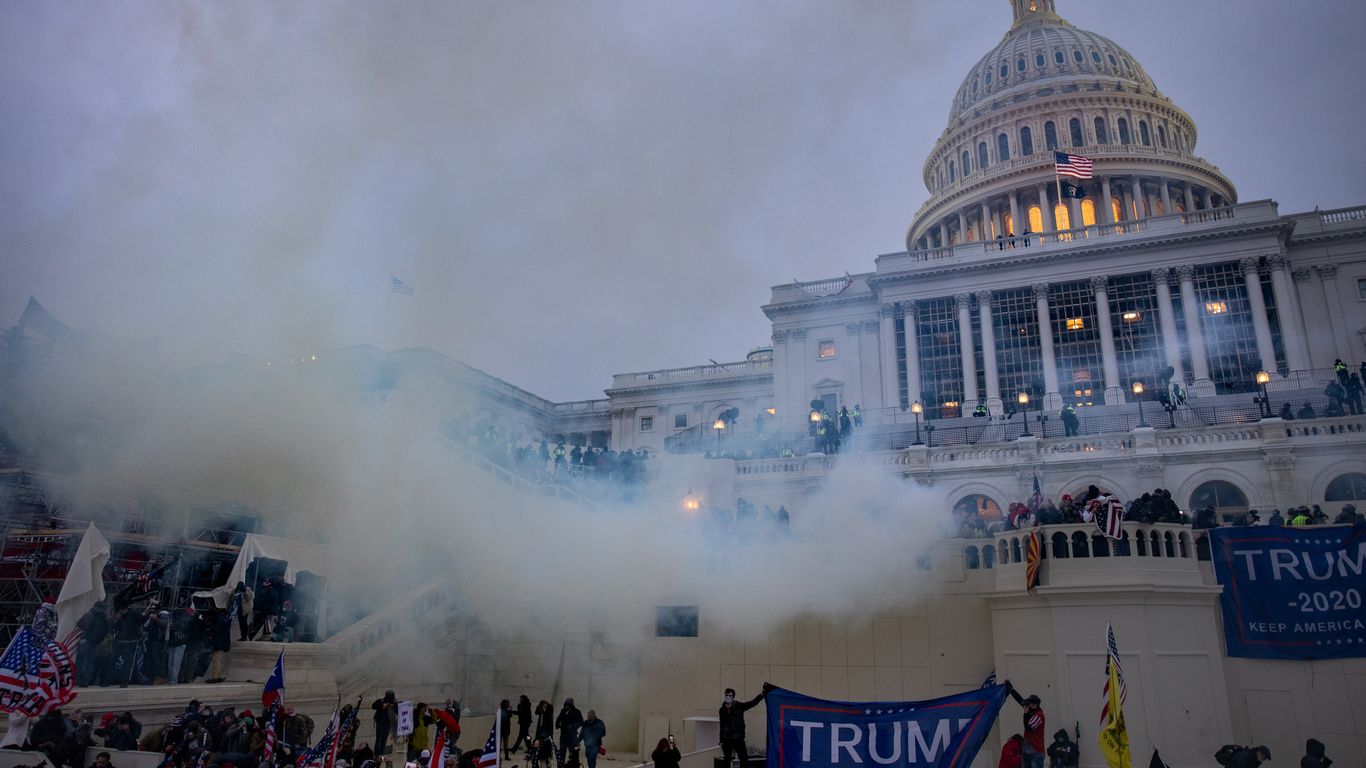
Jan. 6 officers sue over Trumps $1.8B fund they call a corrupt sham Two law enforcement officers who battled Jan. 6 rioters at the Capitol in 2021 filed a suit Wednesday to dissolve President Trumps $1.8 billion fund for victims of alleged weaponized political prosecutions.Why it matters: Critics have called the taxpayer-funded fund illegal, but experts say its unclear who would have legal standing to challenge it in court.What theyre saying: Lead plaintiffs, officers Harry Dunn and Daniel Hodges, argue the fund is a corrupt sham that will compensate Jan. 6 rioters, according to the 29-page lawsuit.In the most brazen act of presidential corruption this century, President Donald J. Trump has created a $1.776 billion taxpayer-funded slush fund to finance the insurrectionists and paramilitary groups that commit violence in his name.Dunn and Hodges say the fund endangers their lives and safety in two ways. First, by its very existence, the Fund encourages those who enacted violence in the Presidents name to continue to do so. Dunn and Hodges already face credible threats of death and violence on regular basis; the Fund substantially increases the danger.Second, if allowed to begin making payments, the Fund will directly finance the violent operations of rioters, paramilitaries, and their supporters who threatened Plaintiffs lives that day, and continue to do so.Catch up quick: Trump created the fund to settle a lawsuit he filed against the IRS after a former contractor released his tax returns to media outlets.Acting Attorney General Todd Blanche will appoint a five-member commission to hear claims of weaponization and determine whether claimants deserve compensation.Blanche previously served as one of Trumps personal attorneys.The intrigue: IRS attorneys reportedly believed they had a strong legal case to fight Trumps lawsuit, but the agency settled anyway, according to the New York Times.Zoom out: Asked Monday whether Jan. 6 rioters could be reimbursed, Trump said the fund is reimbursing people that were horribly treated.Its anti-weaponization. Theyve been weaponized, theyve been, in some cases, imprisoned wrongly. They paid legal fees that they didnt have. Theyve gone bankrupt, their lives have been destroyed, and they turned out to be right, Trump said, presumably referring to his false claim that he won the 2020 presidential election.Vice President Vance also suggested Tuesday that Hunter Biden, the son of former President Biden, could also get money from the fund. Republicans can apply for it, Democrats can apply for it, he told reporters during a press briefing. The Justice Department did not immediately respond to Axios request for comment.Go deeper: Trump DOJ settlement prevents pending tax investigations of president, family
axios · about 10 hours ago
Jan. 6 cops file lawsuit to block Trump slush fund IRS bailout Harry Dunn and Daniel Hodges say the fund illegally rewards rioters for violence against law enforcement
independent · about 11 hours ago
IRS settlement blocks tax audits targeting Trump and his family members The US Department of Justice has released an additional filing linked to the Trump-IRS settlement, preventing the federal agency from pursuing existing tax audits involving the US president, his family and affiliated businesses.
euronews · about 12 hours ago