
German nursing home costs rise to 3,364 monthly as staff pay rules drive increase

The average out-of-pocket cost for residents in German nursing homes has risen to €3,364 per month as of July 1, 2026, according to a new analysis by the Association of Substitute Health Insurance Funds (vdek). This represents an increase of €119 from the beginning of the year and €256 from July 1, 2025.
The rise in costs is primarily driven by increased personnel expenses, as nursing homes are now required to pay their staff according to tariff or similar agreements. "There was a need to catch up, and it is right that nursing staff are well paid. But it cannot be that this leads to ever-increasing burdens on those in need of care," said Ulrike Elsner, CEO of the vdek.
Regional differences in nursing home costs are significant. Bremen and Saarland are the most expensive regions, with average monthly costs of €3,761 and €3,695, respectively. In contrast, Sachsen-Anhalt has the lowest average cost at €2,891 per month.
The total cost for nursing home residents includes not only the cost of care but also expenses for accommodation, food, investments in facilities, and training costs for nursing staff. The base value for care costs alone has risen to €2,088 per month, an increase of €226 from July 2025.
The cost of accommodation and food has also increased, with residents now paying an average of €1,086 per month, up €50 from July 2025.
The German government is currently working on a nursing care reform, but financial constraints are leading to a reduction in relief payments for nursing home residents. The reform aims to achieve a fair distribution of costs and balanced co-payments. Currently, the co-payment for care is reduced by 15% in the first year, 30% in the second year, 50% in the third year, and 75% from the fourth year onwards. However, the coalition government is considering extending the periods between these reductions from 12 to 18 months.
The analysis by the vdek is based on remuneration agreements between nursing homes and care insurance funds in all German states. The association includes major health insurance providers such as Techniker Krankenkasse, Barmer, and DAK-Gesundheit.
In response to the rising costs, the vdek is advocating for a more equitable distribution of costs and a cap on future increases. "It is crucial that we find a balance between fair wages for nursing staff and affordable care for those in need," Elsner added.
In Berlin and Brandenburg, the out-of-pocket costs for nursing home residents have increased by around €300 per month. In Berlin, the average cost is now €3,749 per month, while in Brandenburg it is €3,476 per month.
The analysis by the vdek is based on remuneration agreements between nursing homes and care insurance funds in all German states. The association includes major health insurance providers such as Techniker Krankenkasse, Barmer, and DAK-Gesundheit.
In Mecklenburg-Vorpommern, the average out-of-pocket cost for the first year in a nursing home is €3,032 per month, an increase of €280 from the previous year. This increase is above the national average.
The vdek is calling for the states to take over the full cost of investments and training for nursing staff, which would reduce the financial burden on residents by around €650 per month.
The German government is considering changes to the rules on financial contributions from adult children of nursing home residents. Currently, adult children with an annual gross income of more than €100,000 are required to contribute to the cost of their parents' care.
The analysis by the vdek provides a comprehensive overview of the current state of nursing home costs in Germany and highlights the need for reform to ensure that care remains affordable for all residents.
Follow us for live European news
- 5
- 2
- 2
- 1
- 1
- 1
- 1
- 1
- 1
- 1
1 further source not geolocated
Articles
Las empresas sostienen el 34 de la recaudación, 8 puntos más que la UE Las obligaciones de tributación sobre el tejido empresarial representan el 33,9 de la recaudación total en España, mientras que la media europea se sitúa en el 26. España es el cuarto país que más encarece la contratación. Leer
expansion · about 5 hours ago

España liderará las alzas de precios en vivienda los próximos años Los precios subirán este año un 9,1 y en Portugal un 10. Los incrementos irán suavizándose en los próximos años, hasta 2029, con España a la cabeza de Europa. Leer
expansion · about 5 hours ago
I bensinrean: Kan vara dyrare med el än fossilt Den kraftiga skattesänkningen på bensin och diesel har nu i många fall gjort det dyrare att köra på el.– Elbilen är så pass mycket dyrare i inköp, att man förutsätter att det är billigare att köra på el för att det här ska vara en lönsam affär, säger Carl-Erik Stjernvall på Riksförbundet M Sverige.
svenska dagbladet · about 5 hours ago
Croatian Tourist Spending Continues to Rise Despite Price Debate July the 14th, 2026 – Croatian tourist spending is continuing to rise despite the ongoing price debate that has engulfed the country since Eurozone accession. Croatias tourism industry has maintained impressive and completely stable visitor numbers throughout the first half of 2026 while tourist spending continues to increase. That is happening even as the country ... Read more The post Croatian Tourist Spending Continues to Rise Despite Price Debate appeared first on Total Croatia.
total croatia news · about 5 hours ago
Soziales: Pflege im Heim noch teurer - Was bringt die Reform? Die finanziellen Belastungen für Pflegebedürftige im Heim kennen schon länger nur eine Richtung: nach oben. Die Koalition bereitet jetzt eine Reform vor - soll sie wirklich bei Entlastungen sparen?
handelsblatt · about 5 hours ago

Ditte (30) krijgt 1022 euro per maand van het UWV: Ik heb het gevoel dat succes in Amsterdam wordt afgemeten aan hoeveel je verdient
parool · about 5 hours ago
Vermieter: Warum Vermieter oft zu Unrecht jammern Nirgendwo in Europa erzielen Vermieter höhere Renditen als in Deutschland, zeigt eine Studie. Steuervorteilen sei Dank. Das schadet allen, die im Eigentum leben wollen.
die zeit · about 5 hours ago
Family caregiving drives majority of dementia-related costs across Europe
gdeltproject.org · about 5 hours ago
Festnetz-Markt: Tarife: Langsames Internet kostet Neukunden meist mehr Schneller surfen, weniger zahlen: Klingt paradox, ist aber bei den Internetverträgen fürs Festnetz aktuell so, zeigt eine Marktanalyse. Wer bewusst einen langsamen Tarif wählt, zahlt oft drauf.
handelsblatt · about 6 hours ago
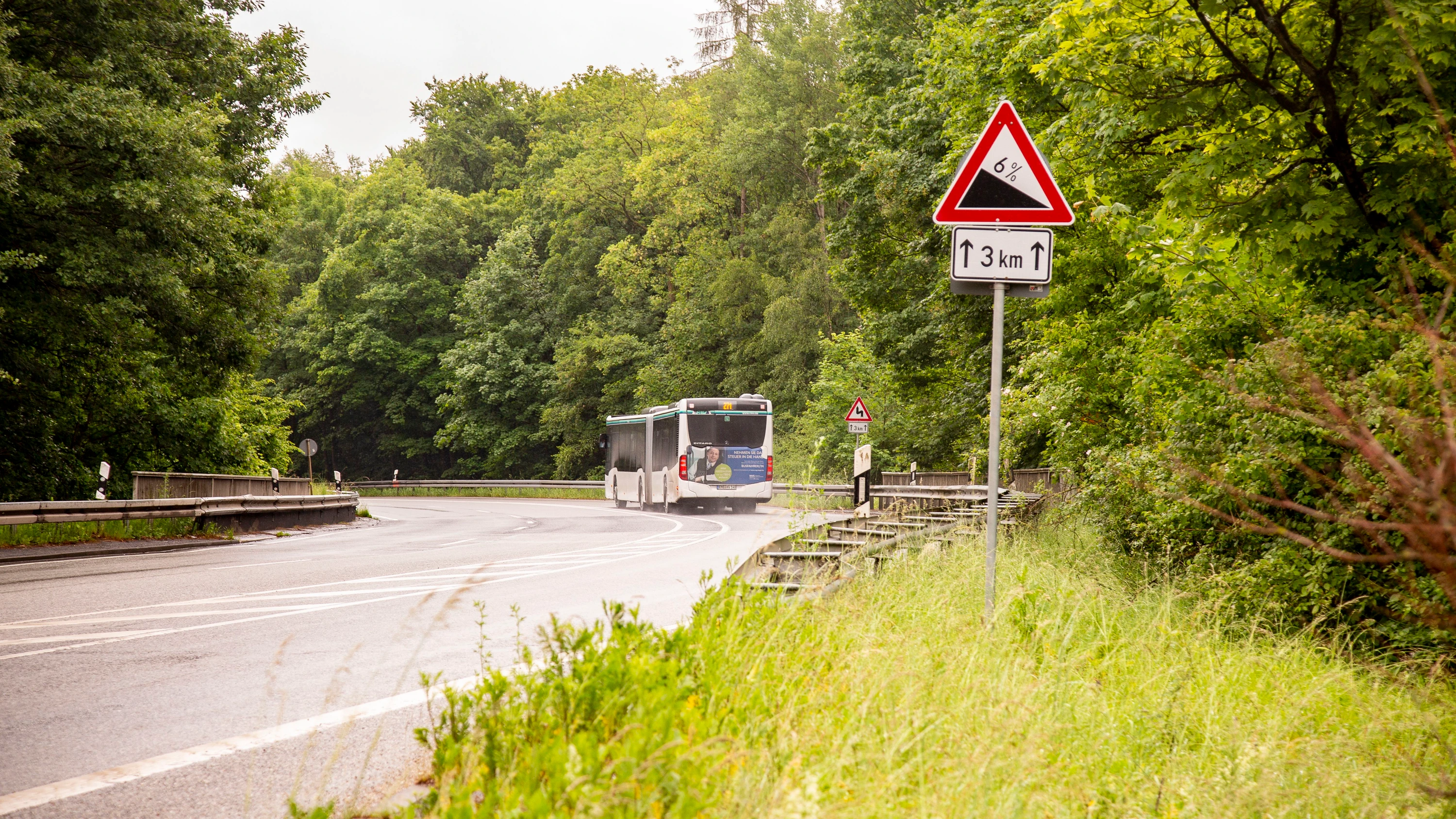
Main-Taunus-Kreis: HLB übernimmt alle Buslinien Der Betrieb der Buslinien im Main-Taunus-Kreis wird deutlich teurer. Die Fahrpreise sollen dennoch stabil bleiben.
faz · about 6 hours ago
Erhöhung der Tabaksteuer: 70 Prozent der Deutschen sind für höhere Zigarettenpreise Eine deutliche Mehrheit hält das Anheben der Preise für Zigaretten für richtig, zeigt eine Umfrage. Dagegen sind hauptsächlich Mitglieder von zwei bestimmten Gruppen.
tagesspiegel · about 6 hours ago
Netherlands has Europes highest highway gasoline prices; Spain is cheapest Dutch holidaymakers driving across Europe this summer can find the lowest fuel prices in Spain, while the Netherlands has the highest average gasoline prices along highways, according to an ANWB
nltimes.nl · about 6 hours ago

Pflegebedürftige zahlen im Schnitt 3.364 Euro fürs erste Jahr im Heim Pflegebedürftige zahlen bundesweit im Schnitt 3.364 Euro monatlich fürs erste Jahr im Heim – fast 120 Euro mehr als noch zu Jahresbeginn. Hauptgrund seien gestiegene Personalkosten, so der Verband der Ersatzkassen.
welt.de · about 6 hours ago
Pflegebedürftigkeit: Pflege im Heim rund 300 Euro teurer als vor einem Jahr Die Kosten für Pflegeheime steigen erneut, Zuschüsse helfen nur teilweise. Was das für Pflegebedürftige und Angehörige bedeutet.
tagesspiegel · about 6 hours ago
Ce ar putea însemna retrogradarea României la „junk pentru energie. Chisăliță: Costurile sunt suportate de consumatori O eventuală retrogradare a României în categoria „junk nu ar însemna doar că statul s-ar împrumuta mai scump. Efectele s-ar extinde asupra întregii economii, iar sectorul energetic ar fi foarte afectat, avfând în vedere că marile investiții în producție și infrastructură depind de finanțare.
adevarul · about 6 hours ago

Una reforma que premia a Cataluña: ganaría 92 euros por habitante, pese a recibir ya 93 más que Madrid Cataluña aporta a la caja común un 8 de su capacidad tributaria frente al 26 de Madrid, pero tiene más deuda porque gasta más por habitante en el Estado del bienestar Leer
elmundo · about 6 hours ago

Pflege im Heim immer teurer – monatlicher Eigenanteil in einem Jahr um mehr als 250 Euro gestiegen Im bundesweiten Schnitt werden für das erste Jahr im Heim mehr als 3300 Euro Eigenanteil fällig, zeigt eine neue Auswertung. Vor allem Steigerungen bei den Personalkosten würden zu Buche schlagen. Regional gibt es erhebliche Unterschiede.
welt.de · about 6 hours ago

Where are property taxes highest and lowest in Europe? Buying a home in Europe? Taxes follow you from purchase to sale. Heres where property is taxed most and least.
euronews · about 6 hours ago
Gesundheitsberuf: Quereinstieg in die Pflegebranche - so gehts Ab 2027 gibt es eine bundesweit einheitliche Ausbildung zur Pflegefachassistenz. Wie der Quereinstieg dann gelingt - und welche Perspektiven die Branche bietet.
handelsblatt · about 7 hours ago
Warum die Erhöhung der Tabaksteuer sinnvoll ist Finanzminister Lars Klingbeil plant eine deutliche Erhöhung der Tabaksteuer, um das Haushaltsloch zu verkleinern und Jugendliche vom Rauchen abzuhalten. Bis zum Ende des Jahrzehnts könnte eine Schachtel 11,80 Euro kosten und dem Staat ab 2030 über 3,5 Milliarden Euro an Mehreinnahmen bringen. Gordon Repinski darüber, warum das eine der wenigen gerechtfertigten und damit sinnvollen Steuererhöhungen […]
politico.eu · about 7 hours ago
Multiculturalism is d(r)ead in Europe – MENA oil and the (hidden) political price Europe pays for it
gdeltproject.org · about 7 hours ago
Eigenanteil steigt auf durchschnittlich 3364 Euro: Die Pflege im Heim ist so teuer wie nie – und die geplante Reform könnte den Druck erhöhen Die Eigenanteile im Pflegeheim erreichen einen neuen Höchststand. Gleichzeitig plant die Koalition eine Reform, die Entlastungen später greifen lassen könnte.
tagesspiegel · about 7 hours ago
Gesetzesänderung: Sparen mit neuem Wassertarif? Diese Hürden gibt es
die zeit · about 7 hours ago
Bonus paritarie, fino a 1.500 euro a figlio: come funziona il contributo per le spese scolastiche Laccredito avverrà tramite bonifico dopo i controlli sui dati anagrafici e Inps: impostata la soglia Isee, risorse per 20 milioni
corriere · about 7 hours ago

Majority of parents say back to school costs are a financial burden, survey shows More than one-quarter of respondents say they will go into debt to cover price of returning children to school
irish times · about 8 hours ago
EU tariffs drive Western EV production towards Europe, study says
gdeltproject.org · about 8 hours ago
Eigenanteile steigen weiter: Pflege im Heim: Was tun, wenn das Geld ausgeht? Die Rente zu klein, die Ersparnisse fast dahingeschmolzen? Können Pflegebedürftige ihren Heimplatz nicht mehr zahlen, springt das Sozialamt ein. Was Betroffene und ihre Angehörigen dazu wissen müssen.
handelsblatt · about 9 hours ago
Record Spending on Defence in Norways 2014 Budget
gdeltproject.org · about 9 hours ago
Gesundheit: Pflegebedürftige müssen nahezu 300 Euro mehr zahlen
die zeit · about 9 hours ago
Belastungen für Bewohner: Pflegeheimbewohner in Rheinland-Pfalz müssen mehr zahlen
die zeit · about 9 hours ago