 Tuesday, June 23Tuesday, June 23
9 days · 2 summary articles
South Korea accepts North Korean POWs captured in Ukraine
U.S. approves 2.5 billion missile sale to South Korea amid North Korean condemnation
South Korea announced on Tuesday that it will accept all North Korean prisoners of war captured by Ukraine while fighting for Russia, provided they wish to be transferred. The South Korean Foreign Ministry confirmed the decision, stating it opposes any forced repatriation of the POWs to Russia or North Korea. The ministry has already communicated this position to Ukrainian authorities, according to reports published on 23 June 2026 by the *Kyiv Independent* .
The move follows reports that Ukraine and South Korea are set to hold talks on the issue. South Korea’s readiness to accept the POWs reflects a humanitarian stance, as the ministry emphasized its opposition to coercive transfers that could place the individuals at risk. The decision underscores Seoul’s evolving approach to North Korean defectors and POWs amid the ongoing conflict in Ukraine, where Pyongyang has reportedly deployed troops to support Moscow.
The announcement comes as North Korea’s leader, Kim Jong Un, reiterated plans to accelerate the expansion of the country’s nuclear capabilities. In a statement reported on 23 June 2026 by *Frankfurter Allgemeine Zeitung*, Kim accused the United States and South Korea of escalating tensions on the Korean Peninsula . The timing of the South Korean decision—amid heightened regional security concerns—adds a layer of geopolitical complexity to the POW issue.
Analysts suggest that Seoul’s willingness to accept the North Korean fighters could serve as a confidence-building measure, potentially opening channels for dialogue with Pyongyang. However, the move also risks provoking Moscow, which has framed the deployment of North Korean troops as a legitimate contribution to its war effort. Ukraine’s role in facilitating the transfers remains a critical factor, with both Kyiv and Seoul seeking to balance humanitarian considerations against broader strategic interests.
The South Korean Foreign Ministry’s statement did not specify a timeline for the transfers but indicated that discussions with Ukrainian officials are underway. The decision marks a significant shift in how Seoul handles North Korean nationals captured abroad, particularly those aligned with Russian forces. As the conflict in Ukraine continues, the fate of these POWs may set a precedent for future cases involving foreign fighters from the Korean Peninsula.
1 further source not geolocated

Ukraine and South Korea to hold talks on North Korean POWs South Korea is ready to accept prisoners of war from North Korea who fought on Russias side, should they wish to come.
ukrpravda · about 3 hours ago
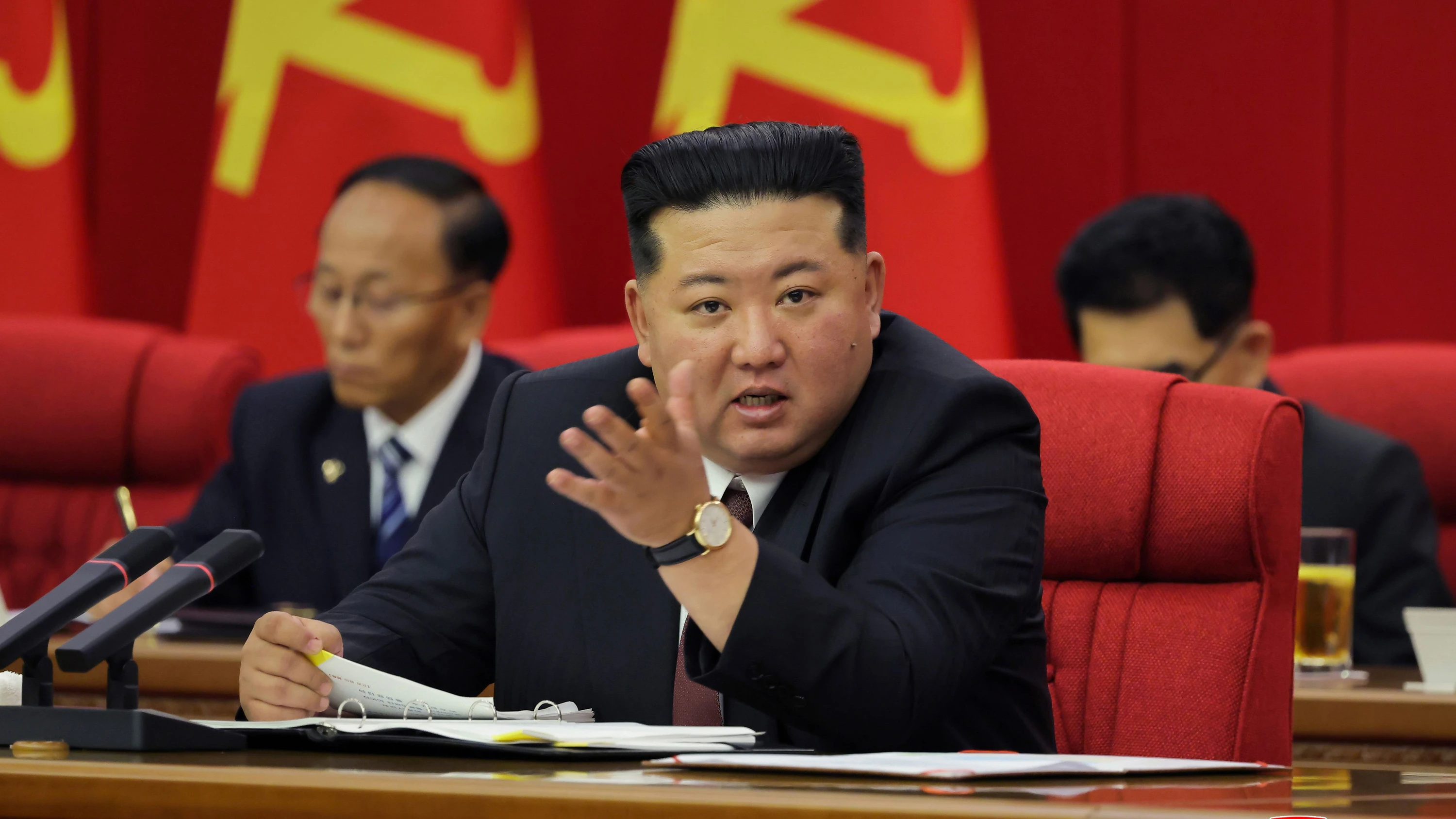
Nordkorea: Kim Jong Un will nukleare Fähigkeiten weiter ausbauen Nordkoreas Machthaber Kim Jong Un hat einen schnelleren Ausbau der nuklearen Fähigkeiten des Landes angekündigt. Den USA und Südkorea warf er vor, die Sicherheitslage auf der koreanischen Halbinsel zu verschärfen.
faz · about 3 hours ago

South Korea will accept all North Korean prisoners of war (POWs) captured by Ukraine while fighting for Russia if they wish to do so, the South Korean Foreign Ministry said. #Russia #SouthKorea #NorthKorea
mastodon bot · about 3 hours ago
KYIV INDEPENDENT: South Korea to accept all North Korean POWs from Ukraine at their request, ministry says The ministry said it opposes any forced transfer of North Korean POWs to Russia or North Korea and has communicated this position to Ukrainian authorities. #Ukraine
mastodon bot · about 3 hours ago
South Korea to accept all North Korean POWs from Ukraine at their request, ministry says #UkraineSouth Korea to accept all Nort...
mastodon bot · about 3 hours ago
Nordkorea: Kim Jong Un will Nuklearprogramm weiter ausbauen Der nordkoreanische Machthaber hat dazu aufgerufen, die nuklearen Fähigkeiten seines Landes zu stärken. Dies sei der einzige Weg, der unberechenbaren und komplexen globalen Sicherheitslage zu begegnen, sagte Kim.
handelsblatt · about 3 hours ago