Loading…
 Friday, August 28Friday, August 28
2 months · 13 summary articles
Putin admits fuel shortages as Ukraine intensifies strikes on Russian energy and military targets
Vladimir Putin has publicly acknowledged for the first time that Ukraine’s drone campaign has caused “certain shortages” of fuel across Russia, as Kyiv escalated precision strikes on refineries, command posts and logistics hubs over the weekend. The Russian president’s rare admission, reported on Monday, follows a weekend of sustained Ukrainian attacks that have crippled oil infrastructure, triggered panic at petrol stations and forced Moscow to seek rare fuel imports from abroad.
On Sunday, Ukrainian forces struck a road bridge near Azovske in occupied Zaporizhzhia oblast, a key Russian supply route, while also targeting enemy UAV control posts in Myrne, Luhove and Skelky, the General Staff of Ukraine said . Separate Ukrainian strikes hit a satellite communications hub near Moscow, which President Volodymyr Zelensky said was being used to coordinate Russian forces in Ukraine .
Putin’s acknowledgment came as queues lengthened at petrol stations across Russia and social media erupted with anger over fuel shortages. The Kremlin spokesman, Dmitry Peskov, confirmed on Tuesday that Moscow is negotiating with several countries to import fuel for the first time since the 1990s, in an attempt to stabilise the domestic market . The admissions mark a rare reversal for a leader who has long downplayed the impact of Ukrainian strikes on Russian infrastructure.
Ukraine’s military has also intensified its drone campaign inside Russia, with authorities reporting 419 drones shot down across the country on Monday alone, including in Moscow and Crimea . At least three civilians, including a six-month-old infant, were killed in the attacks, according to local reports .
The escalation follows a weekend of Ukrainian strikes that set fire to a major oil refinery in Krasnodar Krai and triggered a state of emergency in occupied Crimea after precision attacks on a Volgograd weapons plant . Analysts say the sustained campaign has exposed vulnerabilities in Russia’s air defences and fuel supply chains, forcing Putin to confront public discontent over the war’s economic toll.
Public opinion in Russia appears to be shifting, with a Kyiv-based institute reporting that 81% of Russians now support ending the war as soon as possible, the highest share in four years . Meanwhile, Ukraine has secured a €3.9 billion EU loan to bolster its drone procurement and defence capabilities, underscoring the continent’s growing investment in Kyiv’s war effort .
Follow us for live European news
7 further sources not geolocated

⚡️ Russian threat will outlast Putin, Swedens military intelligence chief says. Nilsson also said Sweden saw no signs that Russias political system or Vladimir Putins grip on power were under immediate threat, despite economic strains caused by the war and Western sanctions.
bluesky_Kyiv Independent · about 2 months ago

The General Staff of Ukraine reported that on June 29-30, the Ukrainian Defense Forces struck critical Russian targets. A road bridge near Azovske in the temporarily occupied part of the Zaporizhzhia oblast, which the Russians used for transferring troops and equipment, was hit. Additionally, enemy UAV control posts in the areas of Myrne, Luhove, and Skelky in the Zaporizhzhia oblast were targeted.
telegram_WarTranslated · about 2 months ago

Latvia and Ukraine to open drone factory right on Baltic nations border with Russia The Latgale region, where the new drone factory is to be built, is historically one of Latvias most economically disadvantaged.
defense news · about 2 months ago
Zelenskiy mocks Russian military drive, says Moscow rejects all peace proposals Ukrainian President Volodymyr Zelenskiy mocked Russias military drive on Monday, saying the Kremlin over the course of more than four years had set and put off 15 deadlines to capture the eastern Donbas region. Zelenskiys comments amounted to a response to Russian President Vladimir Putins rejection a day earlier of what the Kremlin leader said […]
cyprus mail · about 2 months ago
China "strongly" calls on Putin and Zelenskyy to return to negotiations Beijing has "strongly" called on Moscow and Kyiv to resume negotiations on ending Russias war against Ukraine.
ukrpravda · about 2 months ago
+++ Ukraine-Krieg +++: Ukraine attackiert Satellitenkommunikation nahe Moskau Dänemark kündigt neues Militärhilfepaket für Ukraine an +++ EU zahlt Ukraine Milliarden für Drohnenbeschaffung aus +++ Russland will wegen Engpässen Treibstoff importieren +++ Der Newsblog.
handelsblatt · about 2 months ago
Kremlin refuses to discuss Ukraine contacts, says channels must stay confidential Kremlin spokesman Dmitry Peskov declined to comment on possible backchannel contacts with Ukraine, saying communication channels must remain non-public to be effective. He also refused to discuss Belarusian President Lukashenkos role, and said recent battlefield advances give Moscow confidence in achieving its goals.
yenisafak · about 2 months ago
Rusia va rămâne o amenințare și după ce regimul lui Putin va cădea, susține șeful spionilor dintr-o țară NATO Rusia va reprezenta o amenințare pentru țările vecine chiar și după plecarea președintelui Vladimir Putin de la Kremlin, a declarat șeful serviciului de informații militare al Suediei, Thomas Nilsson.
digi24 · about 2 months ago
Polonia amenință că va bloca aderarea Ucrainei la UE: „Cu Bandera, Ucraina nu va intra în Uniunea Europeană Polonia își înăsprește discursul față de Ucraina și avertizează că ar putea bloca procesul de aderare la Uniunea Europeană dacă autoritățile de la Kiev nu renunță la glorificarea liderilor Organizației Naționaliștilor Ucraineni (OUN) și ai Armatei Insurecționale Ucrainene (UPA), în special a lui Ste
adevarul · about 2 months ago
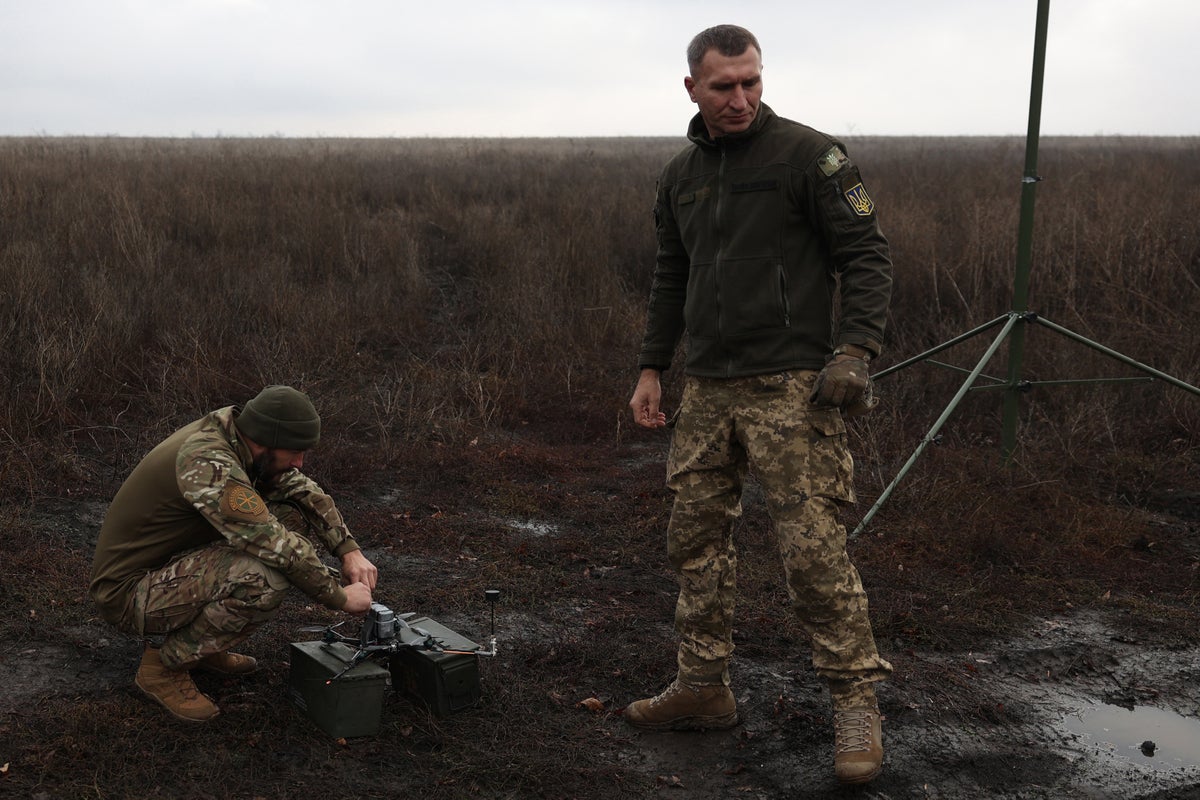
Cancer-stricken mother fighting to bring home Indian student held in Ukraine after joining Russian army Delhi court orders urgent action as students captivity exposes recruitment of Indians into Russias war with Ukraine
independent · about 2 months ago
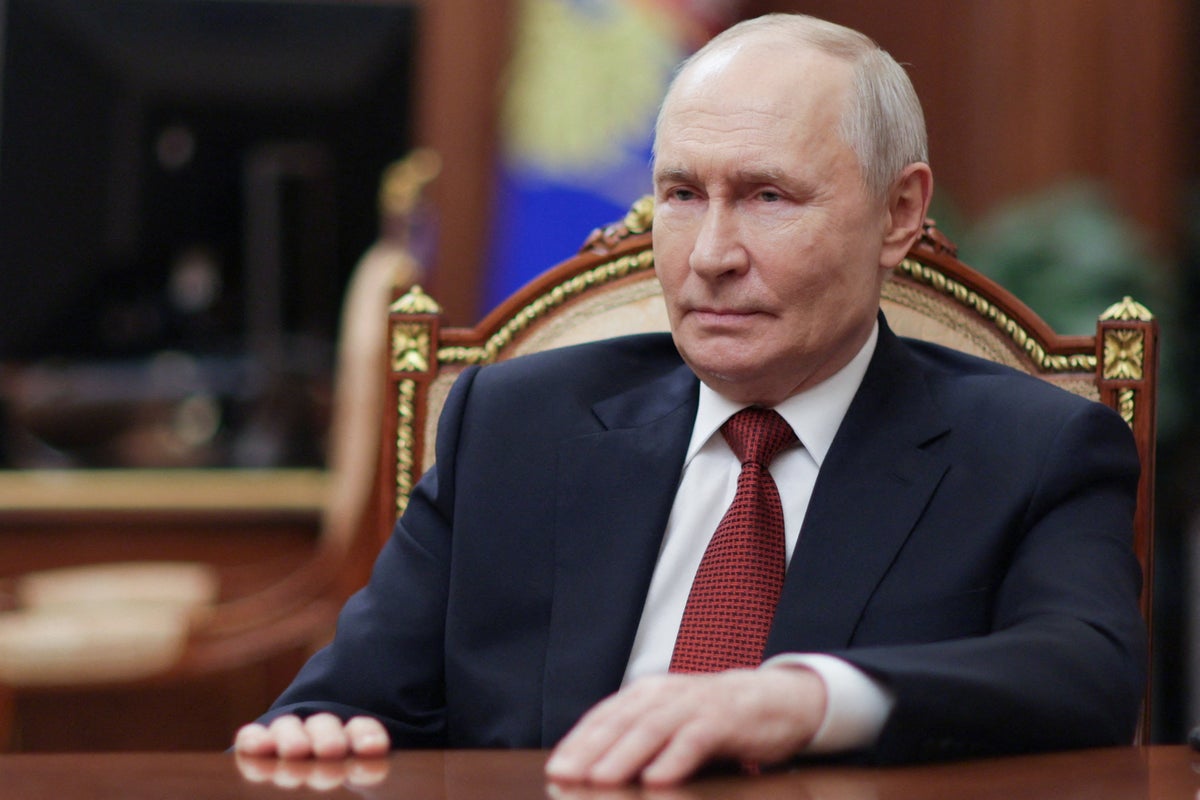
Putin has finally admitted Russia is facing problems in Ukraine war – are there signs he may be cracking? Russias president has made a rare acknowledgement his country is suffering from fuel shortages because of Ukrainian drone strikes. Experts tell Alex Croft and Maira Butt that Putin can no longer hide his air defence failures from the public
independent · about 2 months ago

Putin Faces Increased Pressure as Moscow Is Again Attacked by Drones The Russian authorities said 419 drones were shot down across Russia, including in the capital, and in Crimea.
new york times · about 2 months ago
Ukraines 1st National Guard Corps Azov reported inflicting heavy Russian losses in June, with 1,481 troops killed, 701 wounded, and 6 captured. The corps also destroyed or damaged 2 tanks, 13 armored vehicles, 123 artillery systems, 622 vehicles, more than 4,000 UAVs, and 589 fortifications and command posts. Electronic warfare units detected 19,459 enemy drones and suppressed 10,700 of them. #Ukraine
mastodon bot · about 2 months ago
Ukraine is preparing for a scenario in which Russia launches an offensive toward Chernihiv Oblast, Commander-in-Chief Oleksandr Syrskyi said in an interview with TSN. He added that Russian command is also working through possible offensive actions from Belarusian territory. #Ukraine
mastodon bot · about 2 months ago
Tuesday, June 30, 2026 Ukraine claims strikes on bridges, Russian command posts and logistics . . . . . If Europe wants real peace, it must make a frozen war unattractive . . . . . Ukraine in talks with France on production licenses for SCALP missiles . . . . . Massive explosion in Monaco injures Ukrainian businessman and his family . . . and more
mastodon bot · about 2 months ago

⚡️Norway-Ukraine agreement aims to bring armed robots onto the battlefield. The Norwegian defense company Kongsberg and Ukraines DevDroid announced a collaboration to produce ground drones equipped with state-of-the-art weapons systems, aiming to supply Ukraine and other European countries.
bluesky_Kyiv Independent · about 2 months ago

The relay equipment that helps guide Russian drones over Belarus went dark on June 22, days after President Volodymyr Zelensky issued a public ultimatum, threatening to disable the equipment with Ukraines own forces if the demand is not met.
bluesky_Kyiv Independent · about 2 months ago
🇷🇺🇺🇦⚡️ — Despite the periodic strikes by the Armed Forces of Ukraine on the Donetsk airport, the enemy reports that work is continuing on its territory to deploy new launchers for jet kamikaze drones "Geran-3", as well as the construction of another drone warehouse.
telegram_Intel Slava · about 2 months ago
Russias morning attack on Zaporizhzhia leaves four injured – photos Four people have been injured as a result of a Russian strike on the city of Zaporizhzhia on the morning of 30 June.
ukrpravda · about 2 months ago
Russian strikes hit wood-processing company and petrol station in Chernihiv Oblast Russian forces struck the town of Novhorod-Siverskyi in Chernihiv Oblast three times over the past 24 hours, hitting a wood-processing company, while attacks on Ripky damaged a petrol station and a shop.
ukrpravda · about 2 months ago
EU disburses first €3.9bn defence tranche of €90bn loan to Ukraine The European Commission on Tuesday 30 June disbursed part of the first tranche of the defence component of the EUs €90 billion loan to Ukraine. The payment amounted to €3.9 billion and will be used to procure Ukrainian-made drones.
ukrpravda · about 2 months ago
Swedish intelligence believes Russia will remain a threat to its neighbours after Putin Swedens military intelligence believes the Russian regime is likely to remain a threat to its neighbours long after Kremlin ruler Vladimir Putin leaves power.
ukrpravda · about 2 months ago
Rusia rămâne o amenințare pe termen lung pentru Europa, chiar și după o eventuală plecare a lui Putin, spune un oficial suedez Regimul de la Moscova va continua să reprezinte o amenințare pentru vecinii săi și pentru securitatea europeană mult timp după eventuala plecare a lui Vladimir Putin de la conducerea Kremlinului.
adevarul · about 2 months ago
Ukraine: EU disburses 3.9 billion to buy drones to counter Russia The funding had been announced a few days ago by the President of the European Commission
eunews.it · about 2 months ago

Russia may import fuel as Ukraine attacks produce shortages
news.yahoo.com · about 2 months ago
3 Killed in Ukrainian Drone Attacks Across Russia In the Moscow region, local authorities said a six-month-old infant died while being taken to the hospital for injuries.
themoscowtimes · about 2 months ago

Ukraine-Russia war latest: Kyiv strikes Moscow satellite centre being used to gather intelligence, says Zelensky Ukrainian president mocked Putins goal to capture the Donbas region, saying Russian forces had already failed 15 times to do it
independent · about 2 months ago
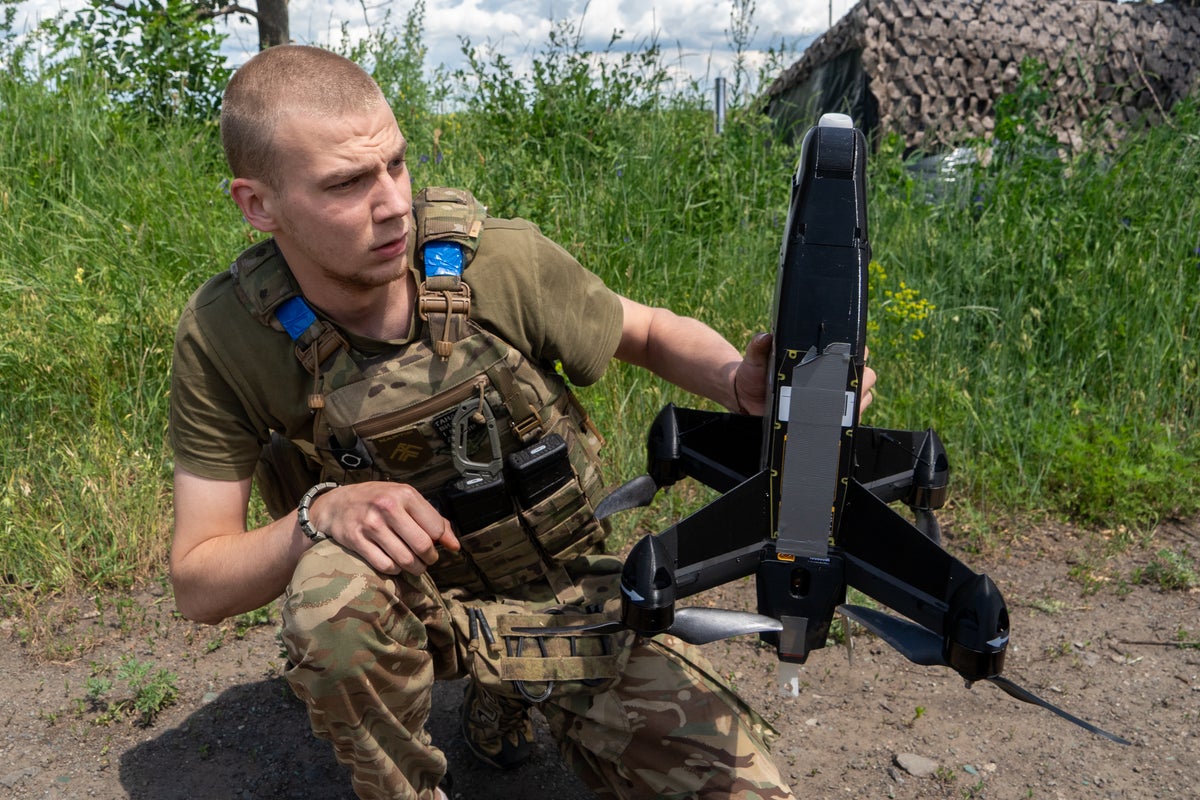
Russian soldiers surviving average of 20 minutes when they reach frontline due to drone attacks GCHQ estimates that half a million Russian troops have been killed - and increasingly this due to drone warfare on the frontline
independent · about 2 months ago
Ukraine argues it can legally attack Russias shadow fleet Kyiv seeks to justify strikes on tankers after Russia accuses it of terrorism in letter to IMO
financial times · about 2 months ago
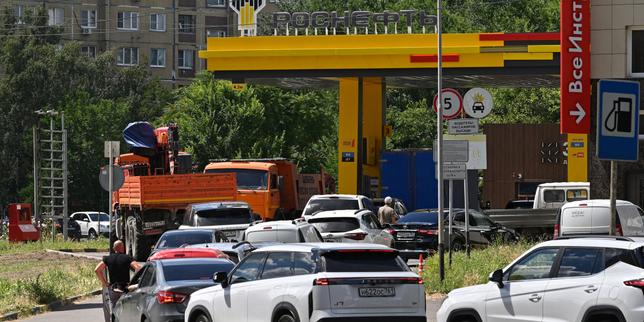
After Ukraine strikes refineries, Putin admits to a certain shortage of fuel The anger of Russians searching for gas at stations is beginning to emerge on social media. The Russian leader has admitted for the first time the impact of the deep-strike operations carried out by Kyiv, while downplaying them.
le monde · about 2 months ago