
Ukraine forms new long-range force to strike deep into Russia as drone attacks cripple fuel supplies
Story Timeline
2 months · 4 summary articles
Ukrainian President Volodymyr Zelenskyy announced on Friday the creation of a new military force tasked with making deep incursions into Russian territory to degrade Moscow's fighting capabilities. The unit will have a "long-range, effectively global, impact on Russia," Zelenskyy said in his nightly address.
The move comes as Ukraine has increasingly targeted Russian infrastructure and supply lines, disrupting fuel supplies to Russian forces and isolating Moscow-occupied Crimea. In the first four days of this week, Ukraine hit at least 36 of Russia’s ships and set them on fire in the Sea of Azov and the Black Sea, according to Ukraine's defense ministry. These included 32 so-called Russian "shadow fleet" tankers and two dry cargo ships. "They were all trying to deliver fuel to Crimea," the ministry said.
Russia launched missile and drone attacks on Ukraine, killing two people and wounding 12, according to Ukrainian officials. In Kyiv, 11 people, including one child, were wounded in overnight attacks, the State Emergency Service reported. In the southern region of Odesa, two people were killed after a Russian missile struck a building, said regional head Oleh Kiper.
Amid the escalating conflict, Chinese President Xi Jinping warned Russian President Vladimir Putin against using nuclear weapons in Ukraine, according to Zelenskyy. "I think you heard such voices in Russian media: 'What if we respond to Ukrainian strikes with nuclear weapons?' And it seems to me that this was the first time China ... directly responded in an ultimatum-like form — that there can be no thought whatsoever of using nuclear weapons," Zelenskyy told reporters on Thursday.
The war in Ukraine has seen a significant shift in dynamics, with Russia's advance stalling and Ukraine gaining the upper hand through effective drone strikes on Russian targets. "Russia's strategic position has deteriorated over the past year, and there are signs of exhaustion within the Russian armed forces," said Ruslan Pukhov, head of the Moscow-based think tank Center for Analysis of Strategies and Technologies.
Kyiv’s long-range persistent drone attacks have sparked a massive fuel shortage across Russia, leading to widespread reports of escalating prices. Ukraine's increasingly capable drone strikes on petrochemical production facilities are taking a toll on the Russian economy, which heavily relies on exports of fossil fuels. It's gotten to the point that India — the biggest foreign buyer of Russian crude oil — will now export some of what it refines back to its country of origin.
Zelenskyy also announced plans to carry out a transformation of the Assault Forces within the Armed Forces of Ukraine. "The necessary transformation of the assault forces will be carried out. There are many questions and problems that need to be resolved. First and foremost, regarding the treatment of people," Zelenskyy said in his evening video address on Friday.
The decision to establish separate assault forces was made in September 2025. "We have seen the emergence of assault battalions and regiments that have undoubtedly shown good results throughout 2025. So we decided that it is necessary to transition this into a legal framework," Zelenskyy stated at the time.
However, there have been issues with the Assault Forces. An investigation by the media outlet "Babel" published in June 2026 revealed that at least 26 people among the recruits of the 425th Separate Assault Regiment "Skelya" died between late 2025 and the spring of 2026. Relatives of some of the deceased allege untimely medical assistance and potential violence.
Despite these challenges, the Ukrainian military has continued to optimize itself, while the Russian army has not really developed in 2026, fighting in the same way as in 2025, according to Michael Kofman, a specialist on the Russian and Ukrainian militaries at the Carnegie Endowment for International Peace.
After two years of continuous mass assaults, Russia has seized less than 1.5 per cent of Ukrainian territory — despite the full mobilization of its resources. At the same time, Ukraine has effectively displaced the Russian fleet from the Black Sea and is inflicting deep strikes on Russian military infrastructure, logistics, oil refineries, and military production.
The ongoing conflict has also had a significant impact on the Russian economy. Ukraine's drone strikes on petrochemical production facilities have disrupted fuel supplies and caused widespread shortages. India, the biggest foreign buyer of Russian crude oil, has started exporting some of the refined products back to Russia.
As the war continues, the international community watches closely. The creation of the new military force and the escalating attacks on both sides indicate a further intensification of the conflict. With China's warning to Russia about nuclear weapons, the stakes are higher than ever.
Follow us for live European news
- 2
- 1
- 1
- 1
- 1
- 1
- 1
- 1
- 1
8 further sources not geolocated
Articles
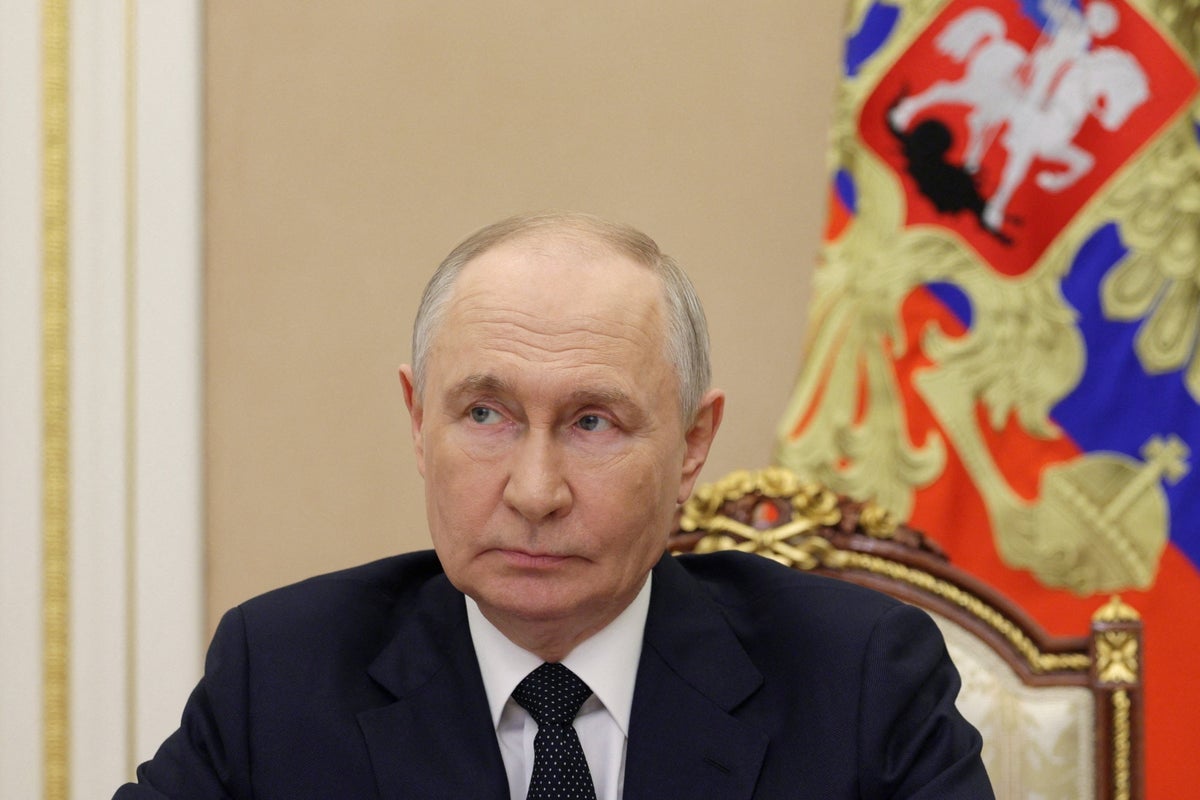
Putin will never make peace in Ukraine because it will ruin him Despite four grinding years and Ukraine now successfully smashing Russias energy infrastructure, Vladimir Putin has no interest in trying to end the war for one key reason, Bill Browder tells Sam Kiley on the World of Trouble podcast
independent · about 2 months ago

Zelenskyy sets up new unit to strike deep into Russia The unit will have long-range, effectively global, impact on Russia, the Ukrainian leader said.
politico.eu · about 2 months ago

📰 Ukraine-Russia war latest: China told Putin not to use nuclear weapons in Ukraine says Zelensky🔗 #RussianInvasion #RussianWar #Ukraine
mastodon bot · about 2 months ago

German photo prize shortlists Kremlin media-linked photographer for occupied Mariupol series #UkraineGerman photo prize shortlists ...
mastodon bot · about 2 months ago

A Russian photographer with ties to Kremlin-backed media has been shortlisted for one of Germanys leading photography awards for his series on occupied Mariupol, raising concerns about how Russian narratives are reaching Western audiences through major cultural institutions.
bluesky_Kyiv Independent · about 2 months ago
Οι άνθρωποι πίσω από τα χειριστήρια: Πώς εκπαιδεύεται η νέα γενιά χειριστών drones του Ελληνικού Στρατού, δείτε βίντεο και φωτογραφίες Tα στελέχη εκπαιδεύονται για να επιχειρούν σε ένα πεδίο όπου η τεχνολογία αλλάζει καθημερινά τους κανόνες της μάχης - Η μεγαλύτερη πρόκληση είναι ο χειρισμός να γίνει δεύτερη φύση για τον εκπαιδευόμενο
protothema · about 2 months ago
Ukrainas drönarkrig pressar Putin – Kriget är hans livsverk Vinden har vänt, och medan Ukraina har vind i seglen har de tidigare ryska styrkorna blivit svagheter. – Rysslands storlek har varit dess styrka och fördel. Nu är det en nackdel, eftersom det finns för mycket att försvara, säger Nigel Gould-Davies, tidigare brittisk diplomat i Ryssland, till The Wall Street Journal.
expressen · about 2 months ago
Beyond the deal: The achievable path to Ukrainian victory
gdeltproject.org · about 2 months ago
Pfarrer & Smart | The Final Battle for Crimea Has Just BEGUN Watch here: #Russia #Geopolitics
mastodon bot · about 2 months ago
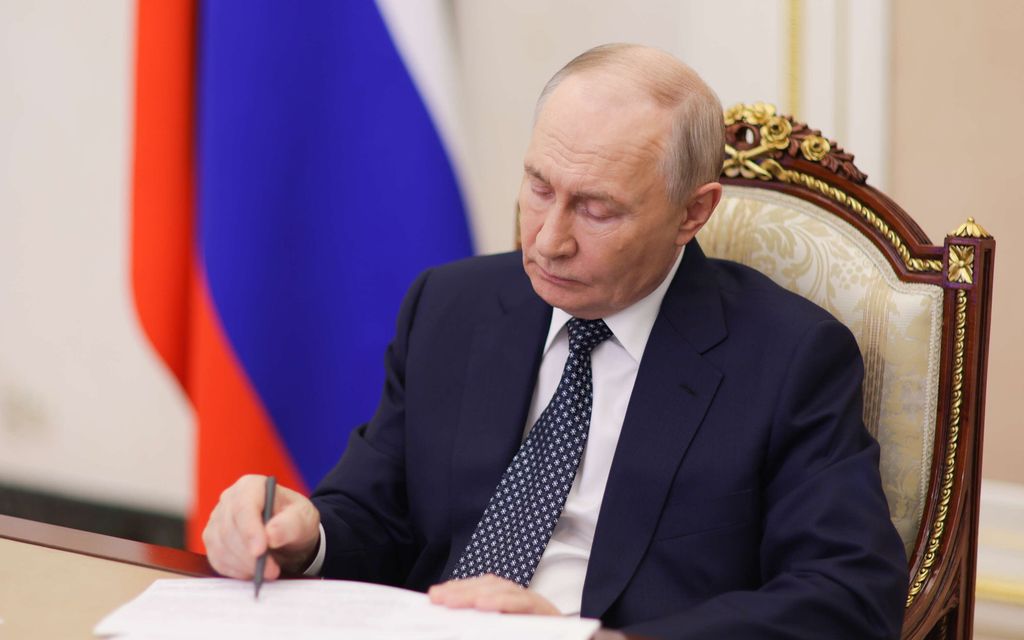
Kremlin selitykset naurattavat jo omiakin
iltalehti · about 2 months ago
Kryssar mellan EU och Moskva Aleksandar Vučić tid som president har beskrivits som en återgång till den diktatur som rådde under Slobodan Milošević.
svenska dagbladet · about 2 months ago
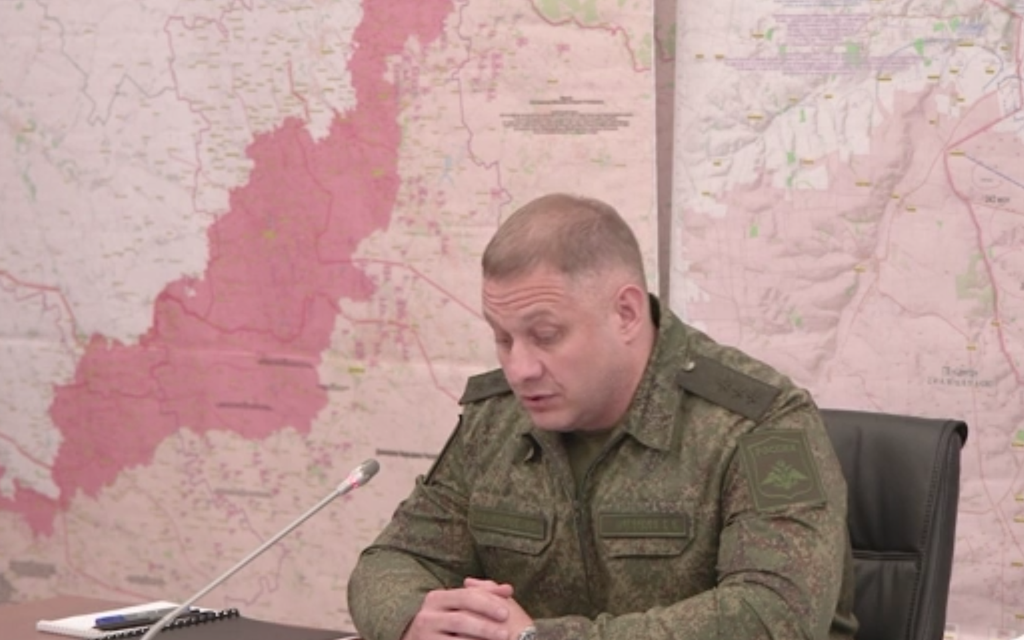
Venäjän johdolla pakka sekaisin – Asiantuntijalta täystyrmäys
iltalehti · about 2 months ago
Zelenskyy claims Putins inner circle backs peace efforts Ukrainian President Volodymyr Zelenskyy claimed Friday that certain members of Russian President Vladimir Putins inner circle privately support ending the war, asserting that influential Kremlin figures recognize "peace has no alternative" while announcing a new military command to expand long-range strikes against Russian targets.
yenisafak · about 2 months ago

📰 Ukraines state budget receives $3.35 bln under World Bank joint program – Svyrydenko🔗 #RussianInvasion #RussianWar #Ukraine
mastodon bot · about 2 months ago
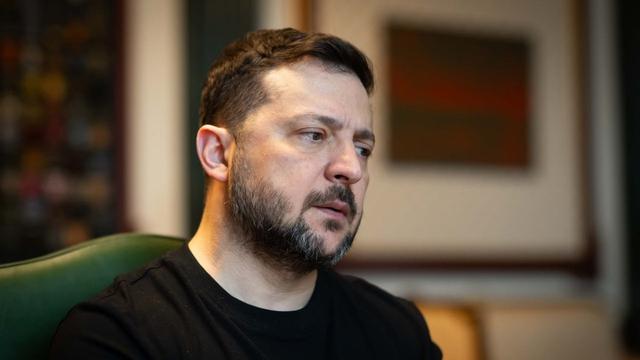
📰 Zelenskyy announces transformation of Assault Forces🔗 #RussianInvasion #RussianWar #Ukraine
mastodon bot · about 2 months ago

Ukraines military will organize a new force tasked with making incursions deep in Russian territory to degrade Moscows fighting capabilities, Ukrainian President Volodymyr Zelenskyy announced yesterday night.
bluesky_Politico Europe · about 2 months ago
Curtea Supremă a Ucrainei confirmă sancțiunile impuse de Zelenski împotriva rivalului său, Petro Poroșenko Curtea Supremă a Ucrainei a respins la 10 iulie acțiunea în justiție intentată de fostul președinte Petro Poroșenko, prin care acesta solicita anularea sancțiunilor impuse împotriva sa de către succesorul său, Volodimir Zelenski. Ucraina a introdus sancțiuni după ce Rusia a declanșat războiul în 2014, utilizându-le inițial ca instrument pentru a viza Moscova și aliații acesteia.
digi24 · about 2 months ago

Bringing the war to Putins front door: Is Ukraines energy strike strategy working?
news.yahoo.com · about 2 months ago
A map of strikes on energy infrastructure in occupied Ukrainian territories over the past few weeks from analyst Clement Molin.
telegram_WarTranslated · about 2 months ago
Russia has established coordinated system aimed at erasing Ukrainian childrens identity - OSCE - The Baltic Times RIGA - Russia has established a coordinated system involving education, youth organizations, religious institutions and security agencies aimed ......
baltic times · about 2 months ago
Spar stores keep opening in Russia; Some products sold are on EU sanctions list: Report Spar supermarkets continue operating in Russia despite European efforts to weaken President Vladimir Putins war economy.
nltimes.nl · about 2 months ago
Kremlin on alert as secret NATO plan leaks revealing 2030 war timeline with Russia while buying time in Ukraine
gdeltproject.org · about 2 months ago
BMW a acuzat Rusia că produce mașini contrafăcute Producătorul auto german BMW a declarat că vehiculele sale continuă să fie asamblate în Rusia fără permisiunea sa. Compania a subliniat că astfel de vehicule nu sunt supuse unui control oficial al calității sau unei certificări și, prin urmare, a îndemnat cumpărătorii să dea dovadă de prudență, scrie ua.news.
digi24 · about 2 months ago
US Senator Lindsey Graham visited Ukraines SkyFall and got a look at Vampire heavy bomber drones, Shrike FPVs and P1-SUN Shahed interceptors, plus some new tech not yet on the battlefield. Looks pretty happy holding Ukraines P1-SUN drone in the photo.
telegram_WarTranslated · about 2 months ago
Analysis: Ukraines Hidden Defense Advantage
gdeltproject.org · about 2 months ago

The development of Ukraines decentralized defense ecosystem may represent a turn in the evolution of the military industrial base.
bluesky_Foreign Policy · about 2 months ago
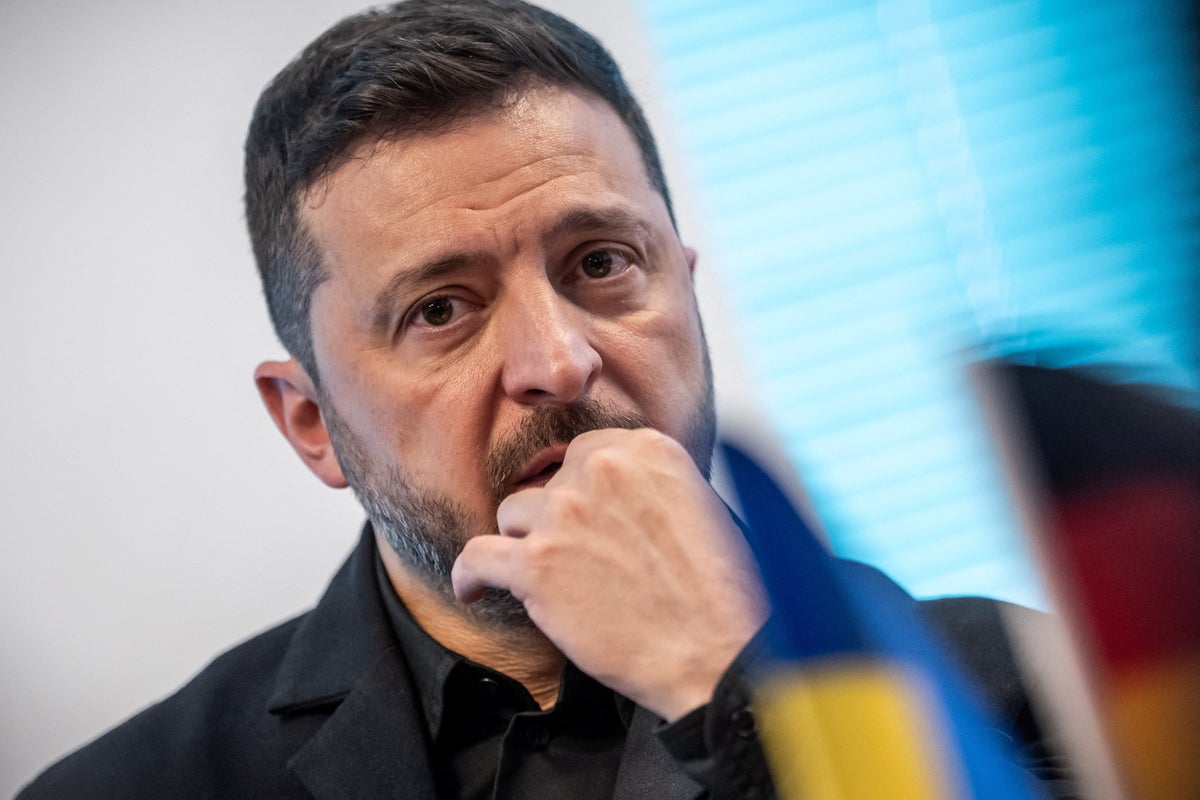
Ukraine-Russia war latest: China told Putin not to use nuclear weapons in Ukraine says Zelensky Ukrainian leader said China warned Russia there can be no thought whatsoever of using nuclear weapons
independent · about 2 months ago

Ukraina wróciła do rozmów o polskich myśliwcach MiG-29. Szef MON: Koszty po stronie Kijowa Polska może przekazać MiG-i Ukrainie, ale na zasadach wymiany. - Ukraina ma już dzisiaj duże zdolności w produkcji dronów, sprzedaje na Bliski Wschód. To znaczy, że nie wszystkie zużywa w wojnie i może się podzielić z tymi, którzy ofiarują jej swoją pomoc - powiedział Władysław Kosiniak-Kamysz.
gazeta.pl · about 2 months ago
Ugandan President: The Logic of Africas Position on Todays Wars
gdeltproject.org · about 2 months ago
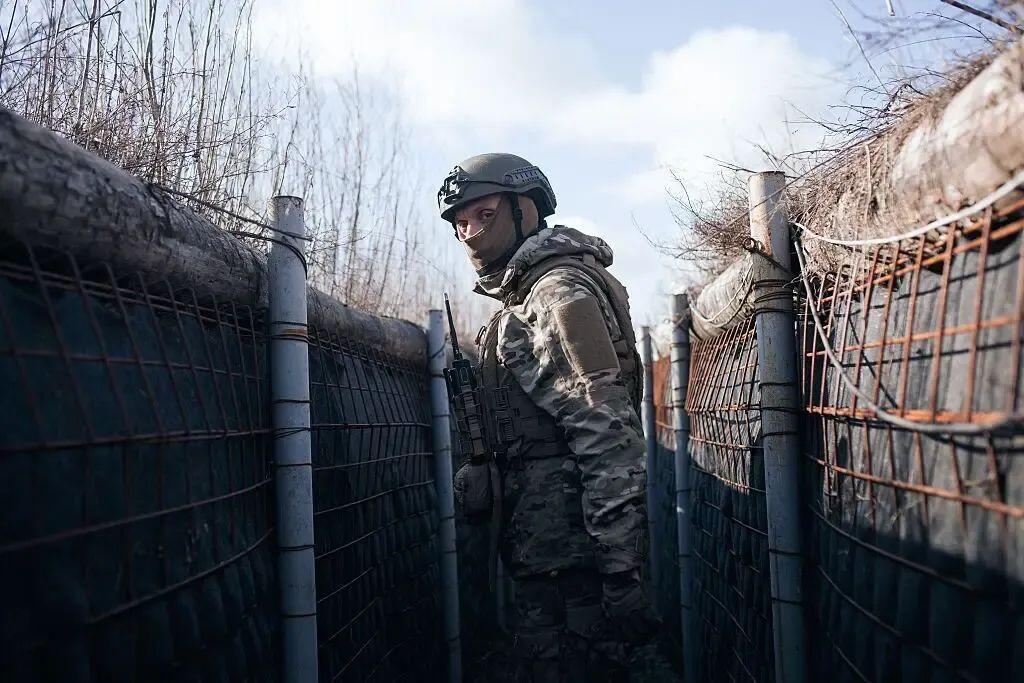
Saturday, July 11, 2026 Ukraine halved Russias rate of advance so far in 2026 . . . . . Russia issues veiled threats over Dutch PMs Kyiv Independent interview . . . . . Will Ukraines long-range sanctions decide the war? . . . . . Moscow Oil Refinery reportedly on fire again . . . . . and more
mastodon bot · about 2 months ago