 Sunday, June 7Sunday, June 7
The United States warned on Thursday it may have to reconsider its role in Bosnia after Washington and European capitals failed to agree on a successor to Christian Schmidt as High Representative, the international overseer of the Dayton peace accords. The collapse of talks at the Peace Implementation Council (PIC) has left the post vacant for the first time since the 1995 agreement, raising fresh questions about the future of the fragile post-war state.
Schmidt, who stepped down this week, cited “huge and unexpected pressure from Washington” among the reasons for his departure . The U.S. State Department said in a statement that it would now review its presence in Bosnia, signaling a potential shift in policy toward a region where American and European interests have long overlapped . Balkan Insight reported that Washington blamed European divisions for the impasse, warning that the absence of a High Representative could undermine the stability painstakingly built over three decades .
The PIC, which includes the U.S., Russia, and key European states, has traditionally appointed the High Representative by consensus. The failure to agree on a successor marks a rare rupture in transatlantic cooperation over Bosnia, where the High Representative wields sweeping powers to impose laws and dismiss officials to prevent ethnic tensions from escalating. Schmidt’s tenure saw repeated interventions to block nationalist moves by Bosnia’s Serb and Croat leaders, but his departure leaves a leadership vacuum at a time when ethnic divisions are deepening.
European diplomats privately acknowledge that disagreements over the High Representative’s mandate and the role of Russia—whose veto in the UN Security Council complicates international oversight—have paralysed decision-making. The U.S. has long pushed for a strong, pro-Western High Representative, while some European states have sought to dilute the office’s powers or delay its renewal. The impasse comes as Bosnia’s Serb leader, Milorad Dodik, has intensified calls for secession, further straining the country’s fragile institutions.
Analysts warn that the absence of a High Representative could embolden nationalist factions and slow the country’s EU accession process, already stalled by political infighting. The PIC is expected to convene an emergency meeting next week to address the crisis, but with no clear successor in sight, the future of Bosnia’s post-war order hangs in the balance.

SUA își revizuiesc prezența într-o țară europeană după eșecul unui acord. Anunțul Departamentului de Stat Statele Unite îşi vor revizui prezenţa în Bosnia, după ce europenii şi americanii nu au reuşit să cadă de acord asupra numirii unui nou Înalt Reprezentant în cadrul Consiliului de Implementare a Păcii (PIC), potrivit unui comunicat emis joi de Departamentul de Stat, relatează AFP, preluată de News.ro.
digi24 · 1 day ago
Environment groups board resigns for not disclosing directors pro-apartheid past The full supervisory board of Milieudefensie has stepped down following criticism over its handling of revelations about former director Donald Pols.
nltimes.nl · 1 day ago

US Blames European Divisions for Failure to Elect Bosnia High Representative US warns it might have to reconsider its role in Bosnia after talks to appoint successor to Christian Schmidt as High Representative failed.
balkaninsight · 1 day ago
Kancléř, špatná zahraniční politika, Rusko… Němci hledají příčiny diplomatického pohlavku v OSN Když předsedkyně Valného shromáždění OSN, Němka Annalena Baerbock ve středu ve velkém sále světové organizace u řeky East River v New Yorku oznámila výsledek hlasování, její kolegy krajany šokoval, zatímco delegace Portugalska a Rakouska jásaly a objímaly se. Na dva roky se stanou nestálými členy Rady bezpečnosti OSN. Portugalci získali 134 a Rakušané 131 ze 193 odevzdaných hlasů.
denik n · 1 day ago
Judenhass: Ex-Antisemitismusbeauftragter berät jetzt CDU
die zeit · 1 day ago
Commission decides to refer Slovenia to the Court of Justice of the European Union for failing to comply with the Birds Directive Continue reading Commission decides to refer Slovenia to the Court of Justice of the European Union for failing to comply with the Birds Directive at The European Sting - Critical News & Insights on European Politics, Economy, Foreign Affairs, Business & Technology - europeansting.com.
european sting · 1 day ago
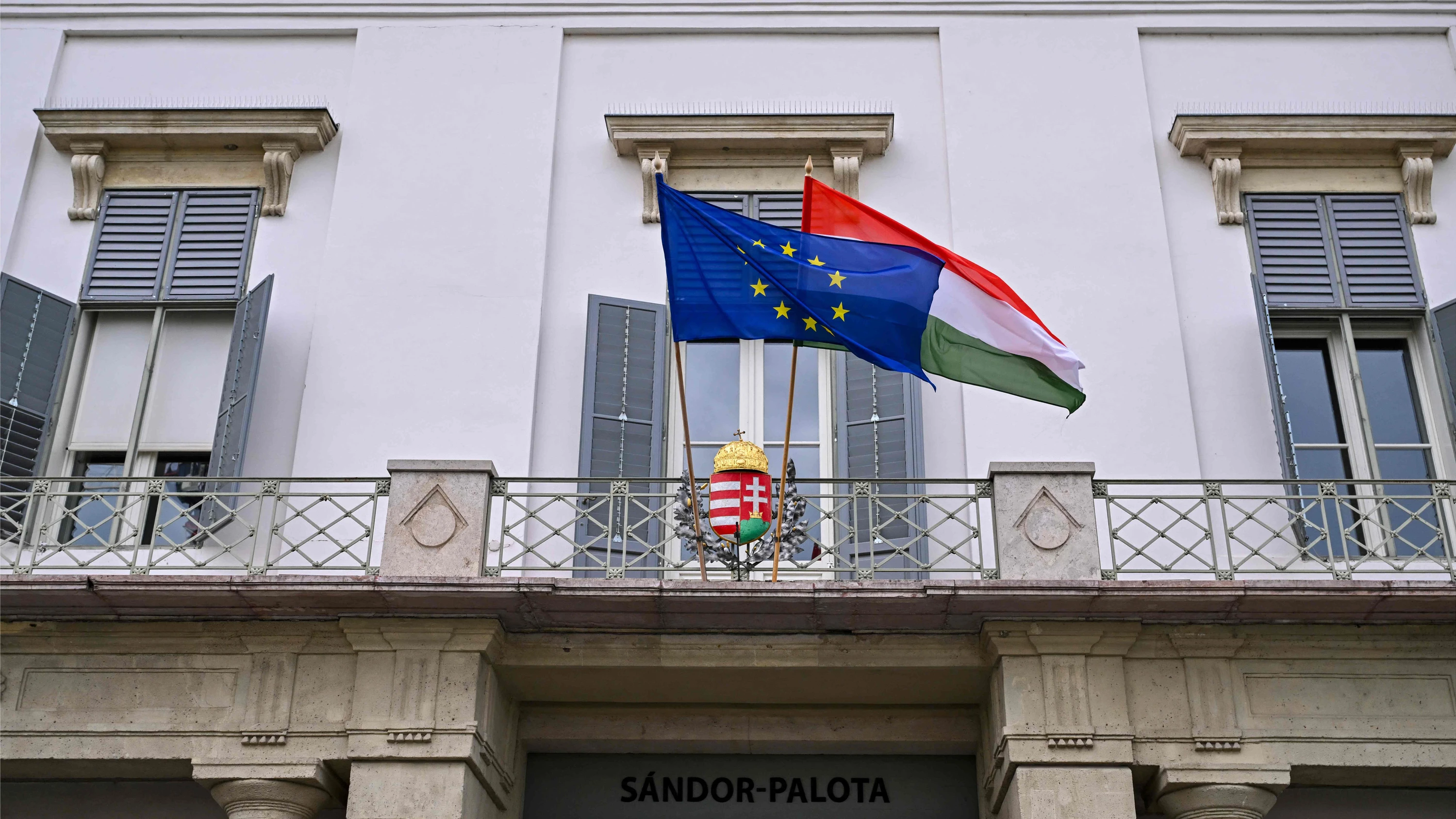
Schlögel in Budapest: Der Papst soll vermitteln Ist mit dem Machtwechsel in Ungarn auch das besondere Verhältnis des Landes zu Russland Geschichte? Im Budapester Goethe-Institut diskutierten die Historiker Stefano Bottoni und Karl Schlögel.
faz · 1 day ago
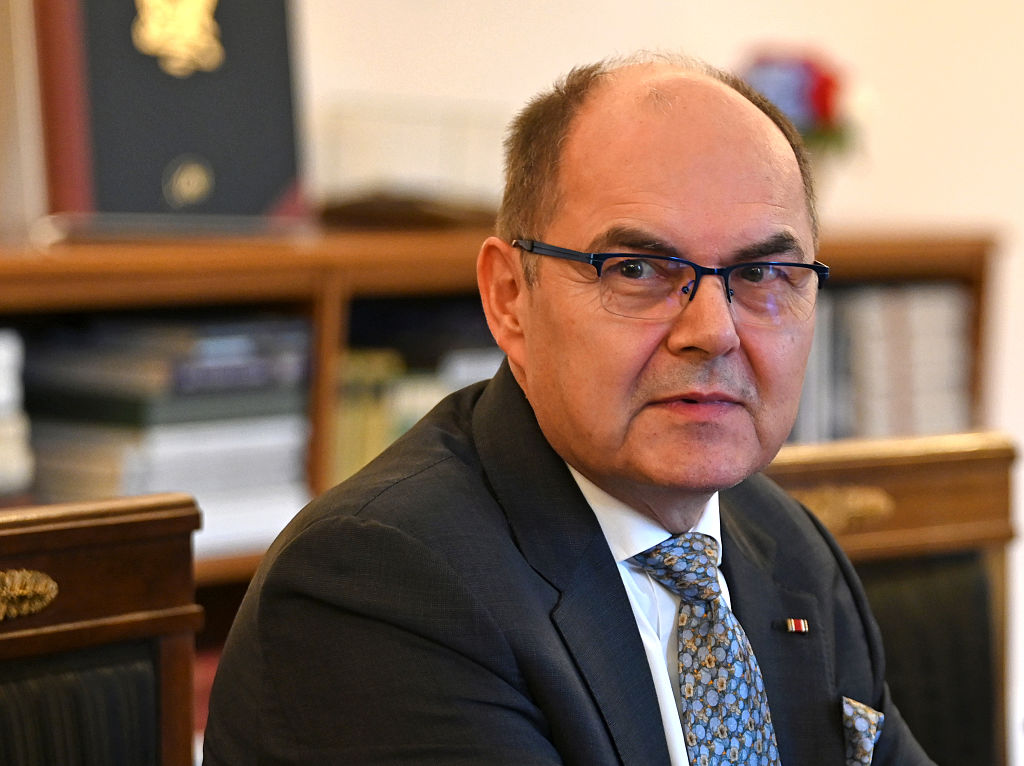
US and Europeans fail to agree on new diplomat to oversee Bosnia The former high representative cited huge and unexpected pressure from Washington as among the reasons for his stepping down
euractive · 2 days ago

Újabb diplomata-útlevelesek neve derült ki, NER-es cégek vezetői is kaptak A Külügyminisztérium korábban bejelentette, közel ezer, indokolatlanul kiadott okmányt vonnak be.
hvg.hu · 2 days ago
Personálne zmeny v Bielom dome môžu údajne posilniť vplyv ministra Rubia na zahraničnú politiku USA Odchod hlavného experta Bieleho domu na Európu môže zmeniť mocenské pomery v bezpečnostnej rade. Marcovi Rubiovi sa tak otvára priestor posilniť svoj vplyv na politiku USA.
aktuality.sk · 2 days ago

European Peoples Party chief Manfred Weber loves a job, or several. But how many is too many? In his latest Declassified column, @pdallisonesque.bsky.social lists all the roles the German lawmaker already has. And the one he might be inspired to pursue.
bluesky bot · 2 days ago
[INTERVIEW] Korea means trust: EU lawmaker sees growing role for parliamentary diplomacy
gdeltproject.org · 2 days ago