 Thursday, May 28Thursday, May 28
Dutch poultry waste processor blocked by nitrogen rules as invasive bullfrog spreads in Brabant; Greek study debunks centuries-old livestock-toad myth
A Dutch poultry manure incinerator’s plan to switch to biogas production has stalled due to temporary nitrogen emissions during construction, officials confirm, while authorities in Noord-Brabant scramble to contain the invasive American bullfrog after a specimen was found near Valkenswaard. Meanwhile, a new study in *PLoS ONE* dismantles a long-held Greek belief that toads attack livestock to steal milk.
BMC Moerdijk, a major chicken manure incinerator in the Netherlands, secured funding and finalized designs to transition to anaerobic digestion for biogas production, but the project has been halted by the country’s strict nitrogen regulations. The temporary increase in nitrogen emissions during facility upgrades triggered a permit denial, according to a report in *NRC* . The company has not announced a revised timeline.
In Noord-Brabant, a nature club discovered an American bullfrog—a species known for outcompeting native amphibians—in a pond south of Valkenswaard, prompting a province-wide alert. The bullfrog, likely introduced through the pet trade, poses a threat to local ecosystems, officials said . Authorities are monitoring the area for further sightings.
Separately, researchers have disproven a centuries-old Greek folk belief that toads attack livestock to drink their milk. A study published in *PLoS ONE* found no evidence that toads target goats, sheep, or cattle, despite widespread accounts of nocturnal barn raids causing mastitis and livestock deaths. The myth persisted across mainland Greece until recent decades . Scientists attribute the misconception to misidentified nocturnal predators and cultural transmission.

Descoperire arheologică importantă la Băicoi: Mormânt vechi de 5.000 de ani, găsit pe şantierul unui pasaj suprateran peste DN1 Un mormânt vechi de circa 5.000 de ani a fost descoperit de arheologi pe şantierul pasajului suprateran care va fi construit la Băicoi, la intersecţia drumului naţiona DN 1 cu drumul judeţean DJ 215.
digi24 · 1 day ago
Jägare har ansvar också för vargen Att förvalta vilt är ett uppdrag som inte kan reduceras till att avlägsna de arter man ogillar eller upplever som besvärliga. Det skriver Kjell Bäcklund, Svenska Rovdjursföreningen, i en slutreplik.
svenska dagbladet · 1 day ago
De ondergewaardeerde zweefvlieg verdedigt zich met zijn uiterlijk – in Flevoland leeft een heel bijzondere soort Veel zweefvliegen lijken op andere, gevaarlijke insecten. Zo voorkomen ze dat ze opgegeten worden. Maar het gaat slecht met ze. Op zoek naar de zeldzame zwarthaarmelkzweefvlieg bij Zeewolde.
nrc · 1 day ago
Kippenmestverbrander wil nóg duurzamer werken, maar het stikstofslot zit in de weg Kippenmestverbrander BMC wil overstappen op vergisting om duurzaam biogas te produceren. Het plan is helemaal uitgedacht, de financiering is rond. Eén probleem: doordat de stikstofuitstoot bij de bouw tijdelijk toeneemt, krijgt het bedrijf geen vergunning.
nrc · 1 day ago

Tsunami im Fjord: Alaskas Riesenwelle Vor einem Jahr löste ein Bergsturz einen fast 500 Meter hohen Tsunami im Tracy-Arm-Fjord aus. Die Ursache war eine abschmelzende Gletscherzunge.
faz · 1 day ago
Noord-Brabant on high alert for invasive American bullfrog; One found in Valkenswaard Noord-Brabant is on high alert for the American bullfrog after a nature club discovered one of these invasive exotics in a small pond south of Valkenswaard.
nltimes.nl · 1 day ago

Blossoming among spoil heaps: how 1,000 years of lead mining gave birth to banks of pansies and pennycress Calaminarian grassland is a rare habitat where plants thrive in soils contaminated by heavy metals. But should these toxic meadows be protected or allowed to fade away?At first, the small purple flowers are hard to spot in the weak May sunshine. Slowly the drifts of delicate mountain pansies, along with the white rosettes of alpine pennycress, begin to jump out, scattered across an area little bigger than a football pitch, on the banks of the River Allen in Northumberland.This is a pocket of calaminarian grassland, an increasingly rare habitat where specialist plants called metallophytes have adapted to live in soils deeply contaminated by heavy metals, the legacy of more than 1,000 years of lead mining. Continue reading...
theguardian · 1 day ago
![[lalibre] Londres : un important incendie ravage un supermarché casher à Golders Green #Europe](https://files.mastodon.social/cache/preview_cards/images/194/377/071/original/917c88afc00f6e66.jpg)
[lalibre] Londres : un important incendie ravage un supermarché casher à Golders Green #Europe
mastodon bot · 1 day ago

Storied New York food co-op votes to boycott Israeli products after contentious campaign The Park Slope Food Coop boycott vote follows tensions and rifts among members and larger communityMembers of a storied food co-operative in Brooklyn have voted to boycott about a dozen products from Israel and Israeli settlements in occupied Palestine – capping years of contentious debate over a conflict half a world away that has threatened to rip apart a landmark institution for liberal New Yorkers.The Park Slope Food Coop vote, which took place Tuesday night during a three-hour virtual meeting attended by about 7,000 of the co-operatives 17,000 members, follows months of dueling campaigning that one local rabbi opposed to the boycott described as a proxy war. The boycott is supposed to impact some brands of tahini, peppers and persimmons as well as other products. Sixty-seven percent of participants voted in favor of the boycott. Continue reading...
theguardian · 1 day ago
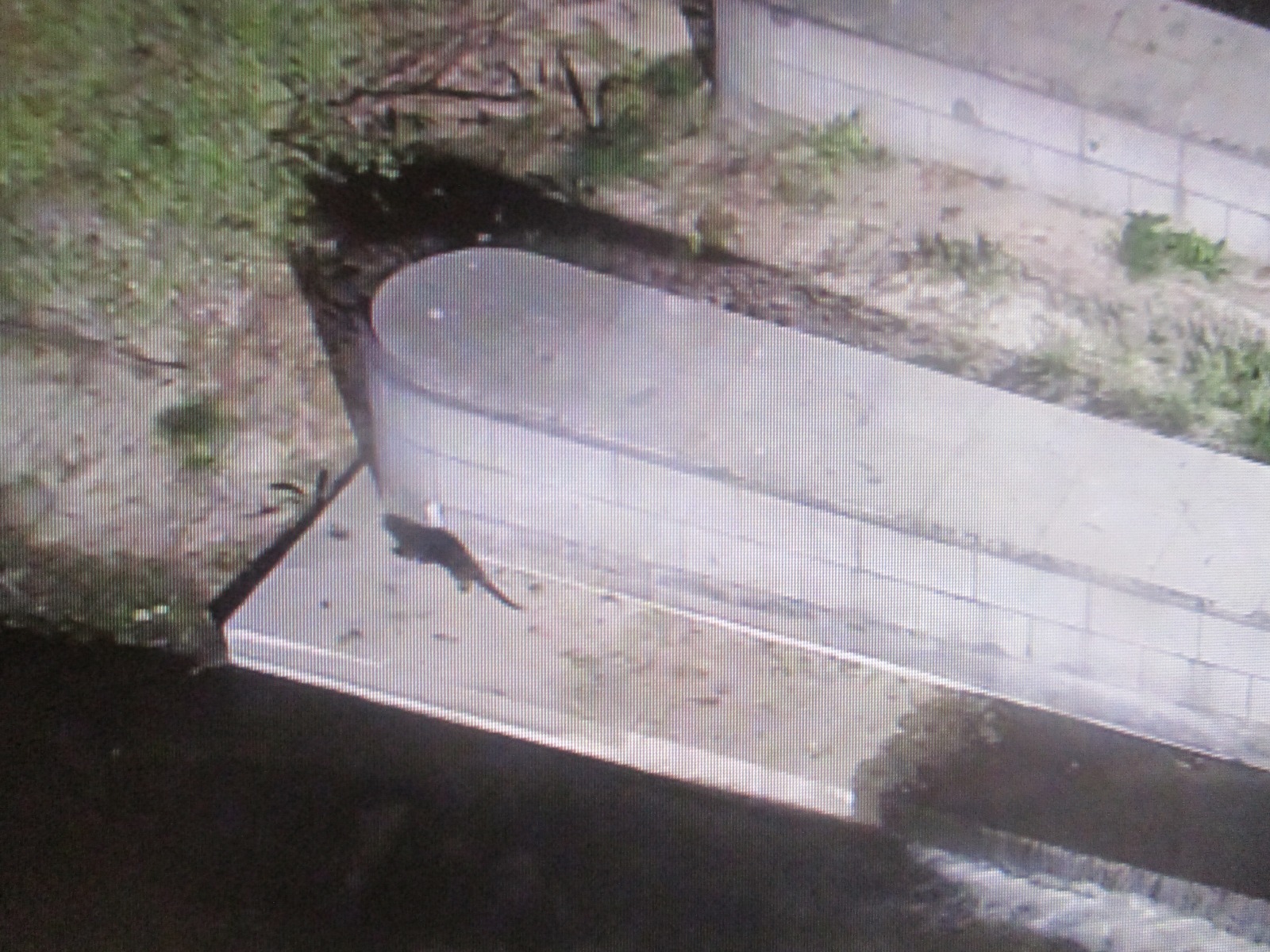
La nutria reconquista el Manzanares tras más de 50 años de desaparición: "La mejora ambiental del río ha sido clave" Las cámaras del Ayuntamiento detectan a un ejemplar en la zona iluminada de la presa 6, entre los distritos de Arganzuela y Latina Leer
elmundo · 2 days ago
Why Greek Villagers Believed for Centuries That Toads Attacked Livestock to Steal Milk For centuries, Greek villagers across mainland Greece lived with a firm conviction that toads were dangerous predators. People believed the animals crept into barns at night, latched onto the udders of goats, sheep, and cattle, drank their milk, caused mastitis, and ultimately killed the animals. A new study published in PLoS ONE shows that this […]
greek reporter · 2 days ago
Ruoantuotanto | Vasikkaa eivät lohduta näennäiset hyvinvointiparannukset Kolmen tai neljän päivän vierihoito ei automaattisesti paranna eläinten hyvinvointia.
helsingin sanomat · 2 days ago