 Friday, May 22Friday, May 22
The construction of new housing in Germany has reached a critical low, with only 207,000 completed apartments in 2025—the lowest figure since 2012. Industry associations describe the numbers as "shockingly low" and warn of a deepening housing crisis. The decline is attributed to high construction costs, bureaucratic hurdles, and regulatory burdens, which have stalled projects nationwide. Regional disparities are significant, with urban areas facing the most acute shortages .
Political and industry leaders are calling for urgent reforms to streamline approval processes and reduce state-imposed regulations, arguing that current policies discourage investment. Proposals include lowering bureaucratic barriers and providing greater planning security to accelerate construction. However, progress remains slow, with critics highlighting a lack of concrete action from policymakers .
In a related development, the German Bundestag approved plans for three new railway expansion and construction projects (Neubautrassen), though funding remains uncertain. These projects, aimed at modernizing infrastructure, could indirectly support housing development by improving connectivity. However, delays of several years are expected before construction begins due to financial constraints .
Meanwhile, cities are experimenting with "Wohnturbo" (housing turbo) initiatives to fast-track affordable housing. These programs often require developers to commit to social housing quotas or other concessions in exchange for expedited permits. However, implementation varies widely, and critics argue that such measures alone are insufficient to address the scale of the crisis .
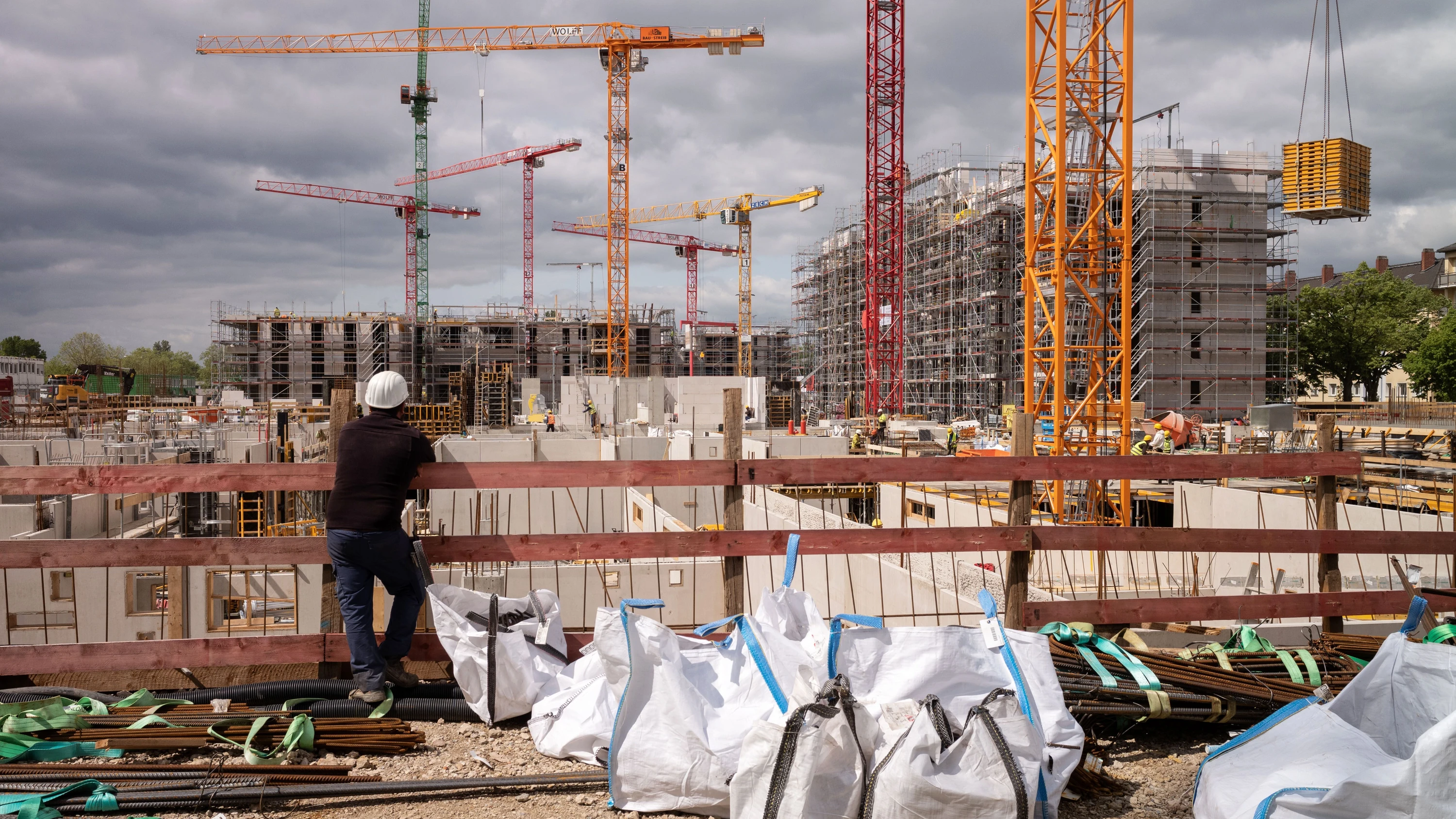
Wohnungssuche: Der Wohnungsbau steckt zurück Die Zahl fertiggestellter Wohnungen fällt auf den niedrigsten Wert seit mehr als zehn Jahren. Ein Bündnis von Immobilienverbänden ruft nach einem Neustart.
faz · about 3 hours ago
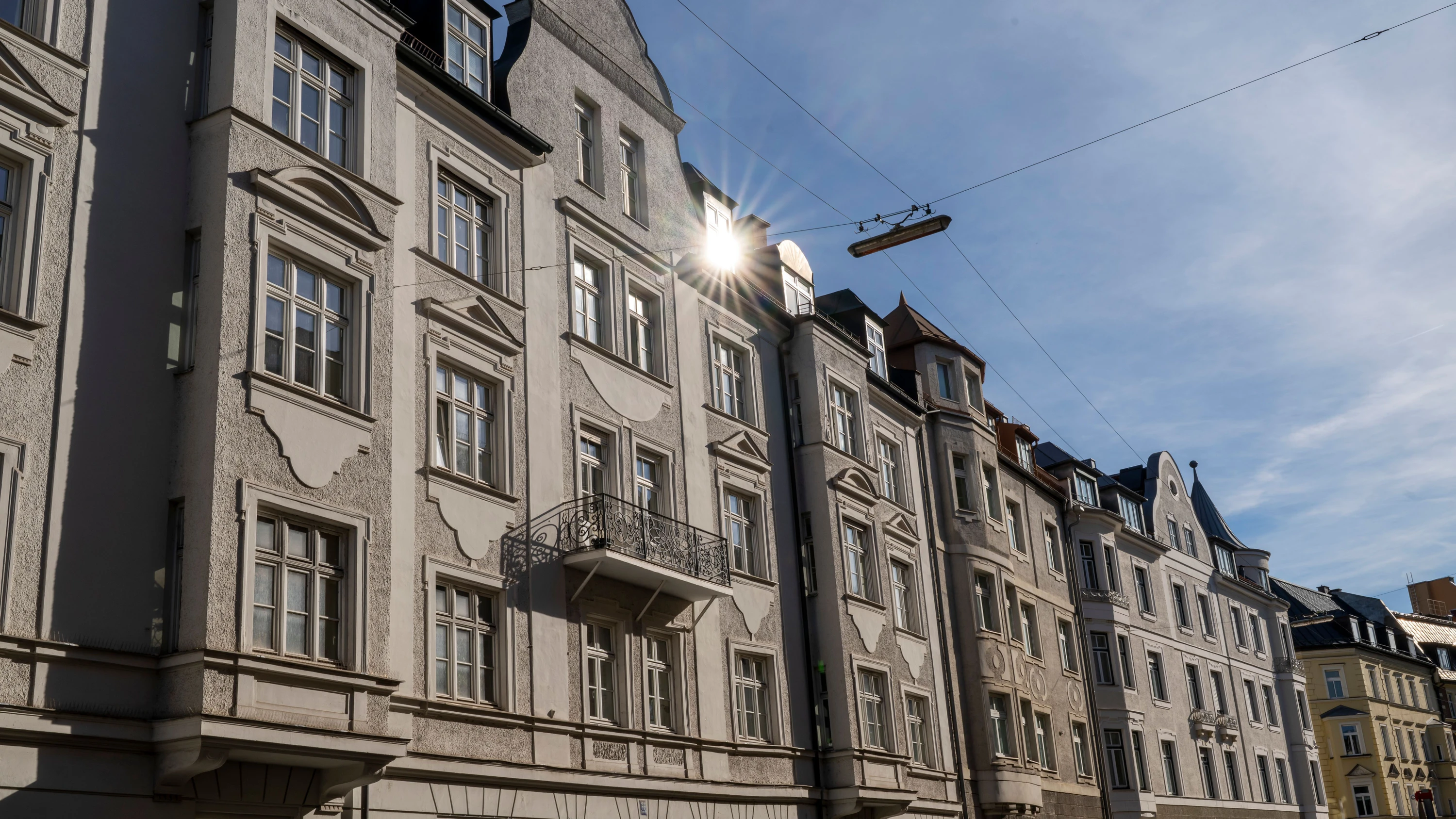
Bauvorgaben senken: Hoffnung für den Wohnungsbau Der Bau neuer Wohnungen stockt. Staatliche Vorgaben und höhere Kosten bremsen Projekte aus. Daher braucht es neue Wege und auch Zuversicht.
faz · about 4 hours ago

F.A.Z. Podcast für Deutschland: Kinder? Nein, danke – so wenige Geburten wie nie Noch nie seit Beginn der Aufzeichnungen im Jahr 1946 wurden so wenig Kinder geboren wie heute. Warum wollen die Deutschen keine Familien mehr gründen?
faz · about 4 hours ago

Cum a schimbat creșterea TVA pentru locuințe noi piața imobiliară. „Oamenii sunt mai atenți la calitatea proiectului, la reputația dezvoltatorului Creșterea TVA pentru locuințele noi de la 9 la 21 a schimbat semnificativ piața imobiliară din România, într-un moment în care sectorul rezidențial era deja influențat de inflație, dobânzi ridicate și costuri mari de construcție, potrivit specialiștilor consultați de „Adevărul.
adevarul · about 4 hours ago
Wohnungsbau in Deutschland: „Schlimmer geht immer In Deutschland sinkt die Zahl neuer Wohnungen weiter deutlich. Bauverbände fordern nun mehr Planungssicherheit und Tempo von der Politik.
sueddeutsche · about 5 hours ago
Tourismus: Airbnb rutscht immer tiefer in die Midlife-Crisis Es begann mal mit Übernachtungen in Privatwohnungen, inzwischen bietet Airbnb auch Hotels, Köche, Friseure an. Und jetzt sollen auch noch Mietwagen dazukommen. Über eine Plattform, die nicht mehr weiß, was sie will.
sueddeutsche · about 6 hours ago
Aus- und Neubau: Bundestag billigt Bahnstrecken – aber wer soll die bezahlen? Das Parlament macht den Weg frei für die Planungen von drei Aus- und Neubautrassen. Doch bis zum Baubeginn dürften noch Jahre vergehen – und die notwendigen Milliarden sind nicht in Sicht.
sueddeutsche · about 6 hours ago
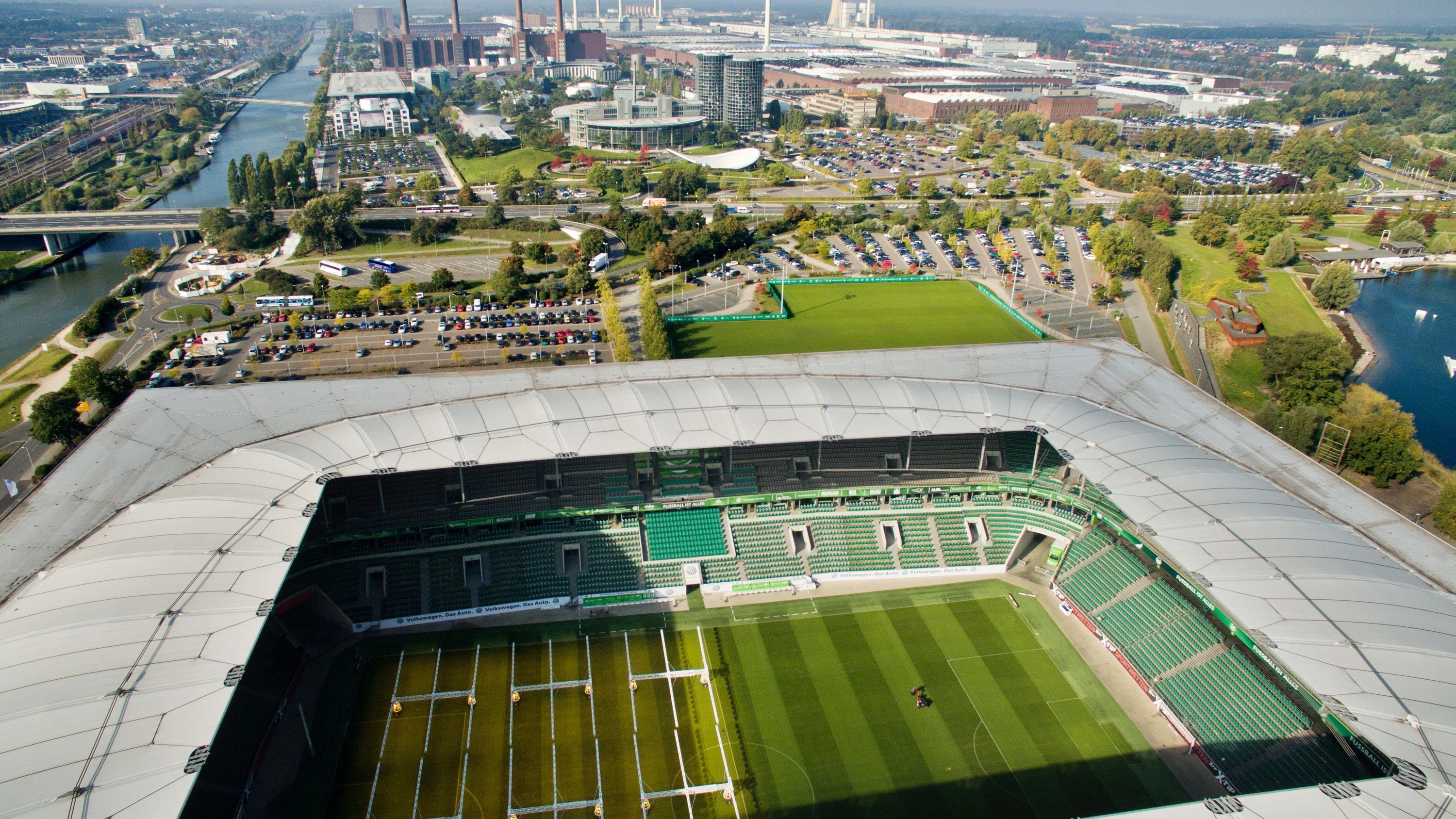
VFL und VW im Abstieg: Wolfsburg ist Deutschland im Kleinen – und das macht gerade Angst Der VfL Wolfsburg kämpft gegen den Abstieg, Volkswagen auch. Die Immobilienpreise fallen schon. Impressionen aus einer Stadt, die an sich selbst zweifelt.
faz · about 7 hours ago
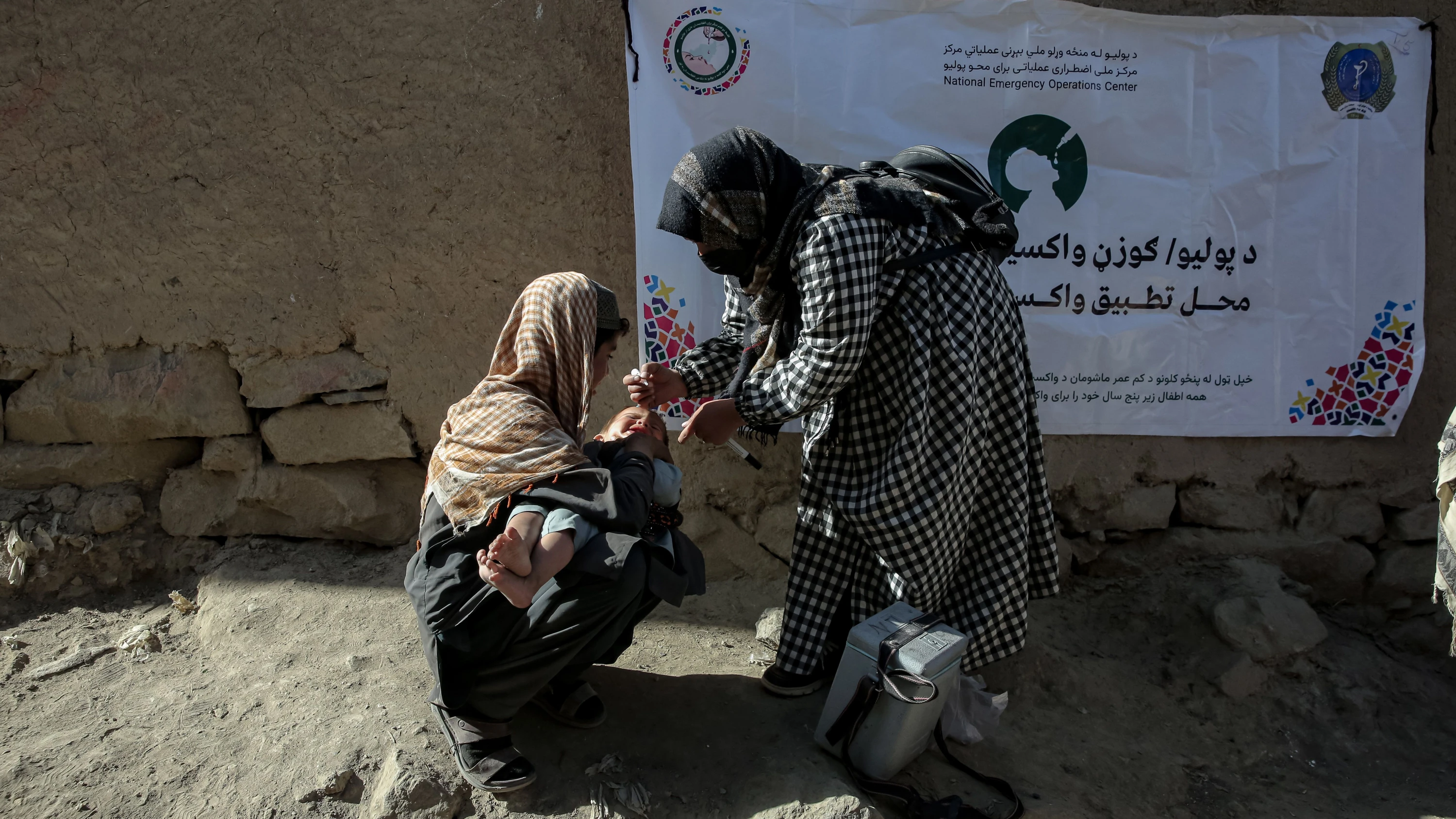
Geringe Rückkehrerzahlen: Geld allein motiviert nicht zur Rückkehr Deutschland fördert die freiwillige Rückkehr nach Afghanistan, aber nur wenige nutzen die Option. Im Fall von Syrien ist das anders – weil die Lage vor Ort eine andere ist.
faz · about 10 hours ago
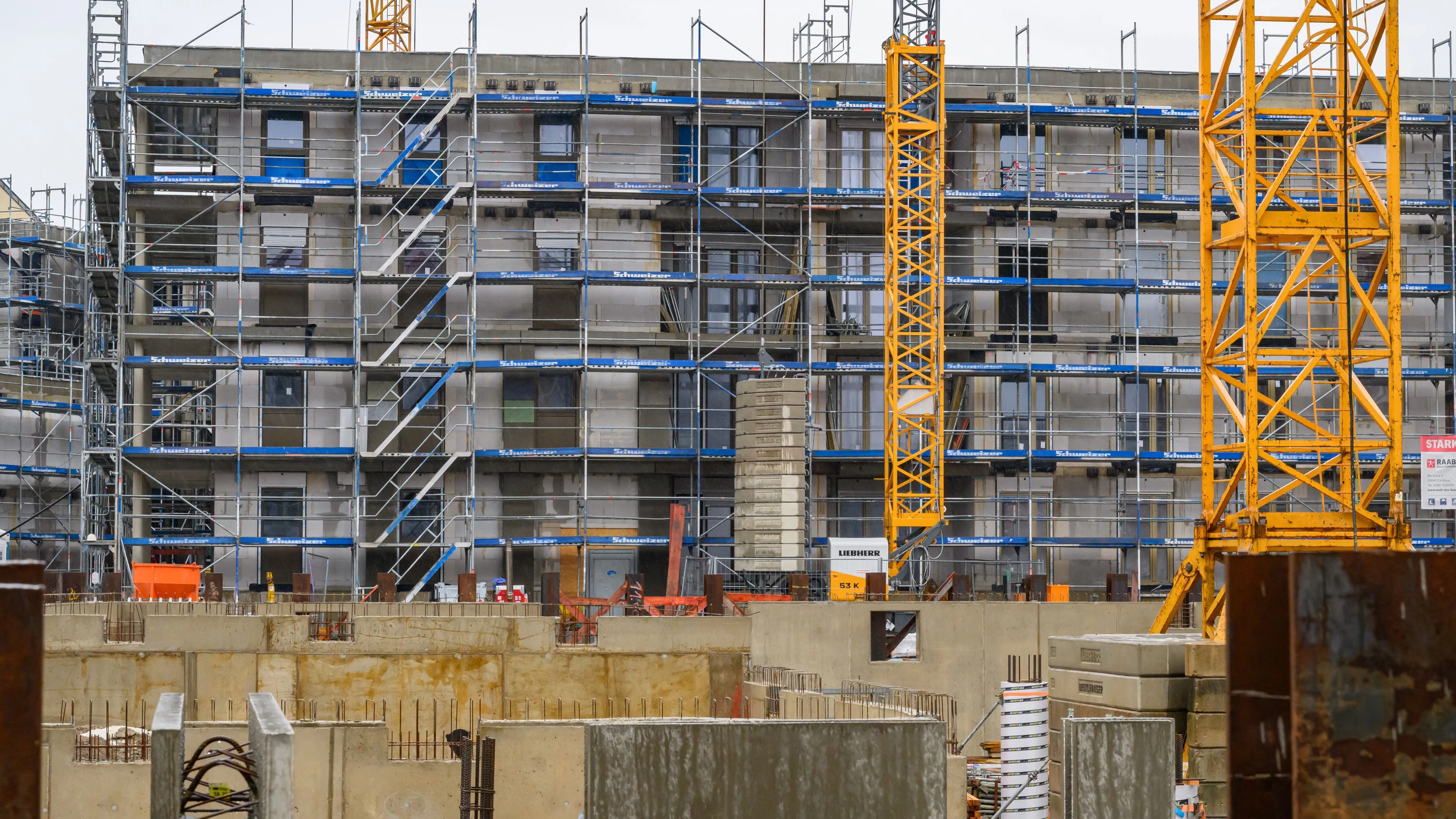
Baukrise: Zahl fertiggestellter Wohnungen fällt auf niedrigsten Stand seit 2012 Im vergangenen Jahr sind in Deutschland nur 207.000 Wohnungen gebaut wurden. Verbände sprechen von „schockierend niedrigen Zahlen.
faz · about 11 hours ago
Immobilien: In Deutschland werden so wenige Wohnungen gebaut wie lange nicht mehr Die Zahl neuer Wohnungen sinkt erneut deutlich und die Wohnfläche wird kleiner. Regional gibt es große Unterschiede. Bauministerin Hubig spricht von „schlechten Zahlen.
sueddeutsche · about 11 hours ago
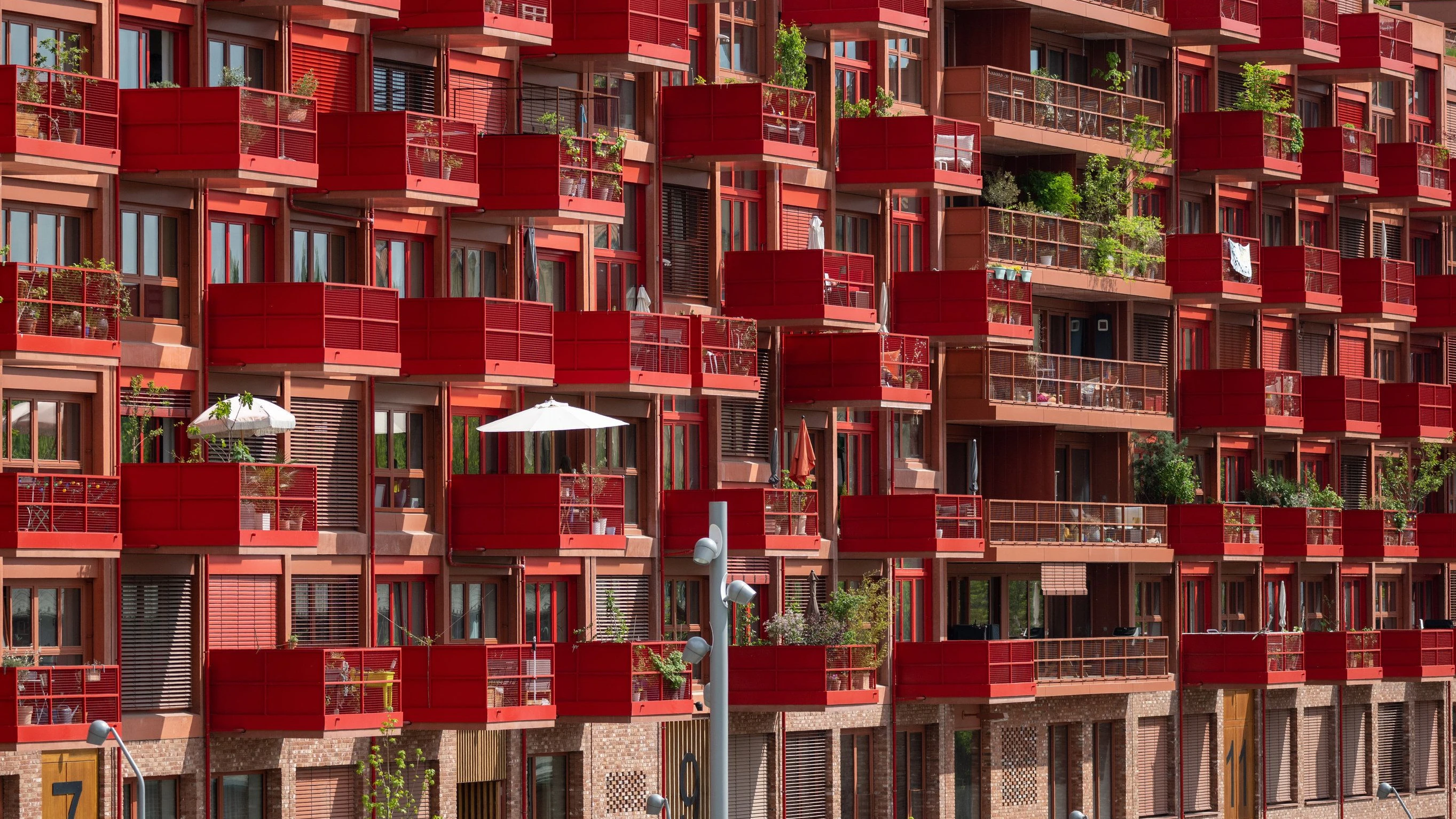
Hohe Mieten: In der Großstadt muss der Wohnturbo zünden Neue Wohnungen sollen bezahlbar sein, doch jede Stadt setzt den Bauturbo ein wenig anders um. Für schnelles Baurecht müssen Investoren meist eine Gegenleistung bieten.
faz · about 12 hours ago