 Wednesday, May 20Wednesday, May 20
OpenAI’s revenue chief has highlighted the "capability overhang" of AI models as the biggest challenge for European businesses. While companies are transitioning from pilot projects to deep integration of OpenAI’s technology, a gap persists between the advanced utility of AI models and businesses' ability to fully leverage them. This underscores the growing demand for AI-powered solutions but also the need for better alignment between technological potential and practical implementation .
Meanwhile, tech giants are accelerating their AI-driven transformations. Google has announced a sweeping AI overhaul of its search engine, alongside updates to Gemini and AI-powered eyeglasses, signaling a shift toward an AI-first ecosystem. This move reflects broader industry trends where companies are embedding AI into core products to maintain competitive dominance . In contrast, Meta is pivoting aggressively toward AI development, canceling hiring plans for 6,000 roles and cutting 8,000 jobs as part of a strategic realignment toward AI-powered innovation .
The broader AI startup ecosystem continues to attract significant investment, though not all funding is directly tied to OpenAI. AVIAN, a Zurich-based industrial AI startup, raised $2.6M to deploy always-on thermal intelligence for high-risk industrial sites, leveraging AI for real-time monitoring . Similarly, Neurosoft Bioelectronics secured $7.5M for scalable brain-computer interfaces, demonstrating AI’s expanding role in neurotechnology . While these startups operate in AI-adjacent fields, their growth reflects the increasing commercialization of AI-powered solutions across industries.

Meta cuts 8,000 jobs in sweeping global layoffs Meta cancels hiring plans for 6,000 roles amid ongoing layoffs and a pivot to artificial intelligence development.
aljazeera · about 5 hours ago
AI model capability overhang biggest challenge facing European businesses, says OpenAI revenue chief European businesses are shifting from pilot to deep integration of OpenAIs technology, but there is a little bit of a capability overhang between the utility of AI models and what businesses can su...
tech.eu · about 9 hours ago
Google DeepMind in talks with UK unions amid staff concern over AI use by US and Israel Exclusive: Workers sign petitions over applications of AI by governments for defence and intelligence, and vote to unioniseGoogle DeepMind has agreed to enter formal talks with UK tech workers that could lead to trade union representation amid growing staff concerns about the use of its AI by the US and Israeli governments defence and intelligence.In a groundbreaking move, the artificial intelligence arm of the multi-trillion dollar Google empire, led by the Nobel prize winner Demis Hassabis, has agreed to meet the Communications Workers Union and Unite at the Advisory, Conciliation and Arbitration Service (Acas) after several hundred workers at its London headquarters earlier this month voted to unionise. Continue reading...
theguardian · about 9 hours ago
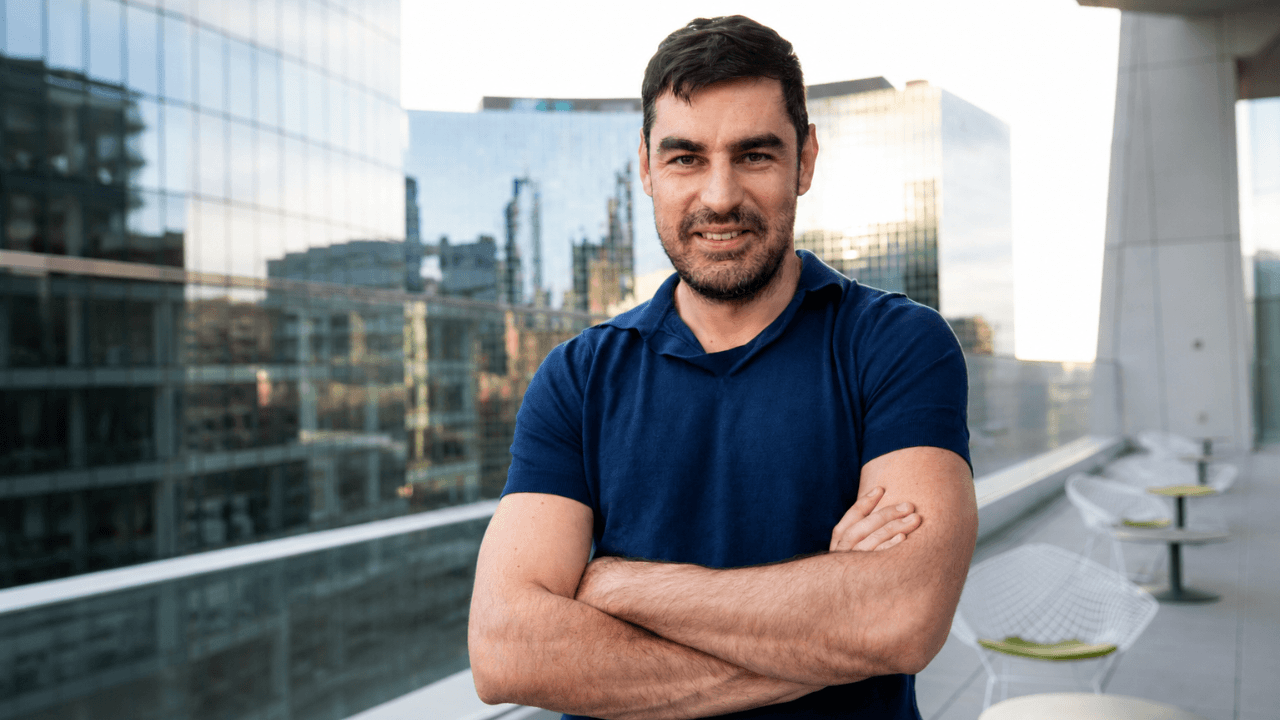
Quantum Bridge Technologies bags $8M Series A to scale quantum-safe cybersecurity infrastructure Quantum Bridge Technologies has closed a $8 million Series A funding round led by Primo Capital SGR to accelerate the global transition to quantum-safe cybersecurity infrastructure. Founded in 2019 b...
tech.eu · about 9 hours ago
TV 2 expands streaming offer with Disney+ and Apple TV partnership TV 2 Danmark announced a new partnership with Apple and The Walt Disney Company on Tuesday, allowing TV 2 Play subscribers to bundle Disney+ and Apple TV with their existing subscriptions. The offer is available to customers with TV 2 Plays Favorit and Favorit + Sport packages who subscribe directly through TV 2 Danmark. The […]
cphpost · about 9 hours ago
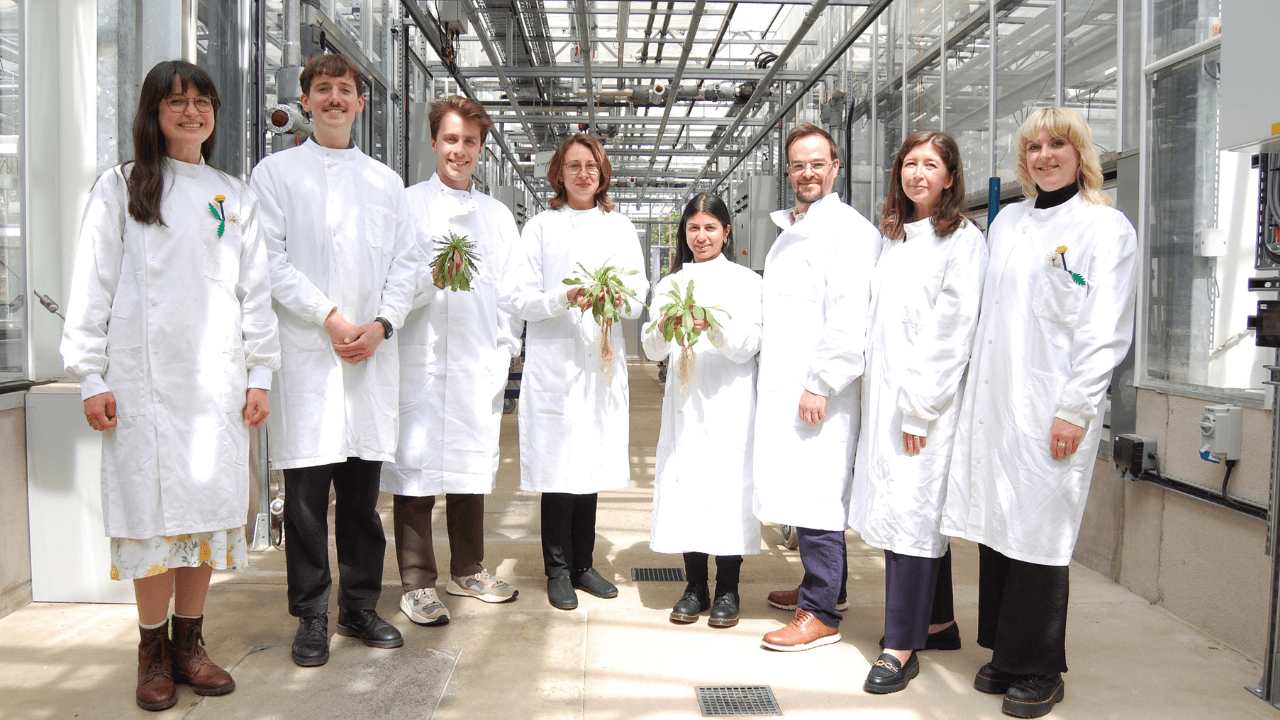
QuberTech raises £3.4M to develop sustainable natural rubber from engineered dandelions QuberTech, a UK biotechnology company developing sustainable natural rubber from specially engineered dandelions, has raised £3.4 million in combined grant funding and equity investment to accelerate ...
tech.eu · about 9 hours ago

AVIAN raises $2.6M to bring always-on thermal intelligence to high-risk industrial sites Zurich-based industrial AI company building 24/7 thermal monitoring for the worlds most fire-prone facilities, AVIAN, has raised a $2.6M pre-seed round, led by Founderful. Insurance markets are tigh...
tech.eu · about 10 hours ago
Google announces sweeping AI overhaul of its search engine The tech giant unveiled sweeping updates to Search, Gemini and AI-powered eyeglasses in its push towards an AI-first ecosystem.
euronews · about 10 hours ago
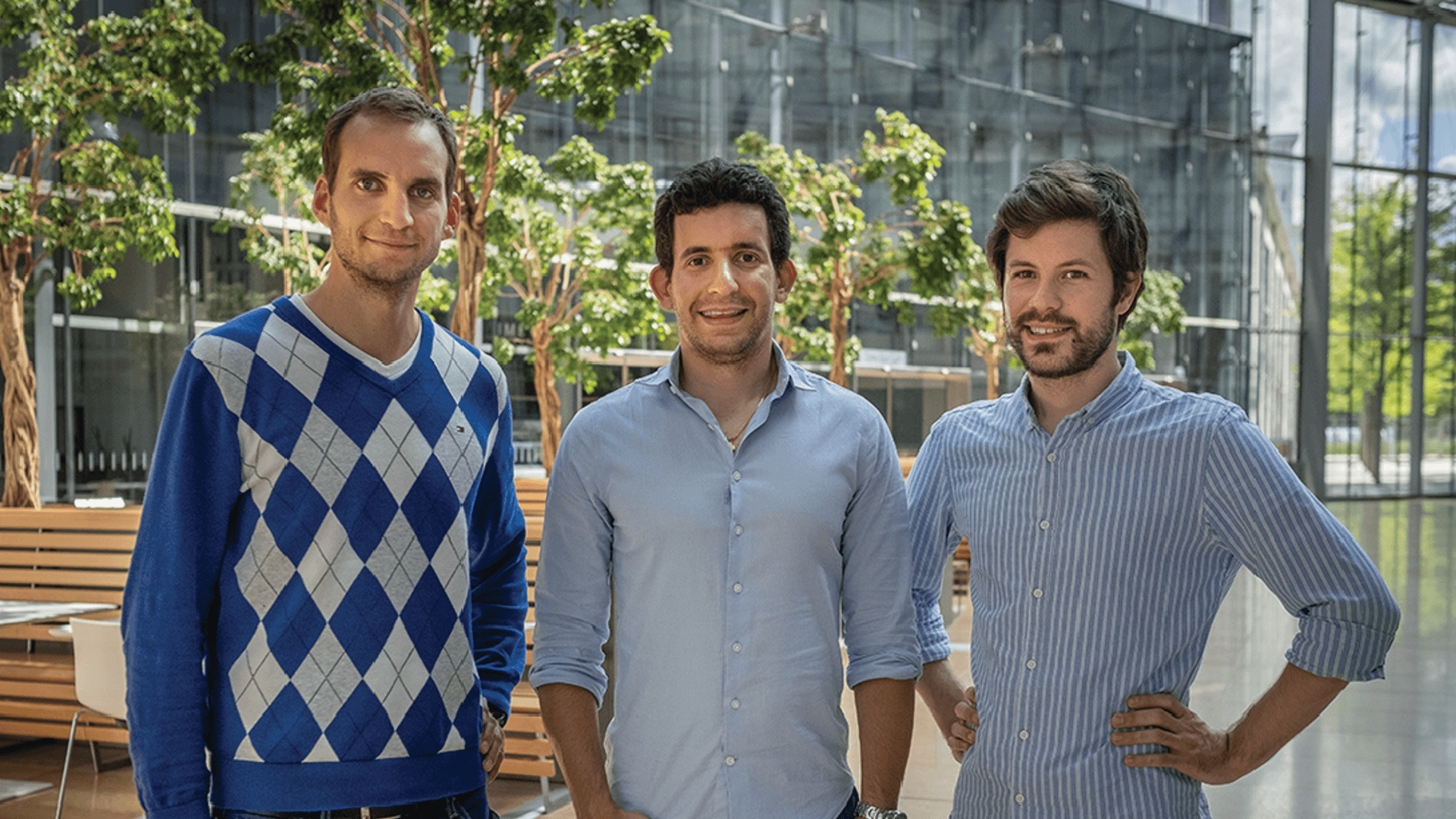
Neurosoft Bioelectronics raises $7.5M for scalable brain-computer interfaces Neurosoft Bioelectronics, a neurotechnology company developing scalable and minimallyinvasive brain-computer interfaces (BCIs), has raised $7.5 million in anoversubscribed seed funding round led by Sk...
tech.eu · about 11 hours ago
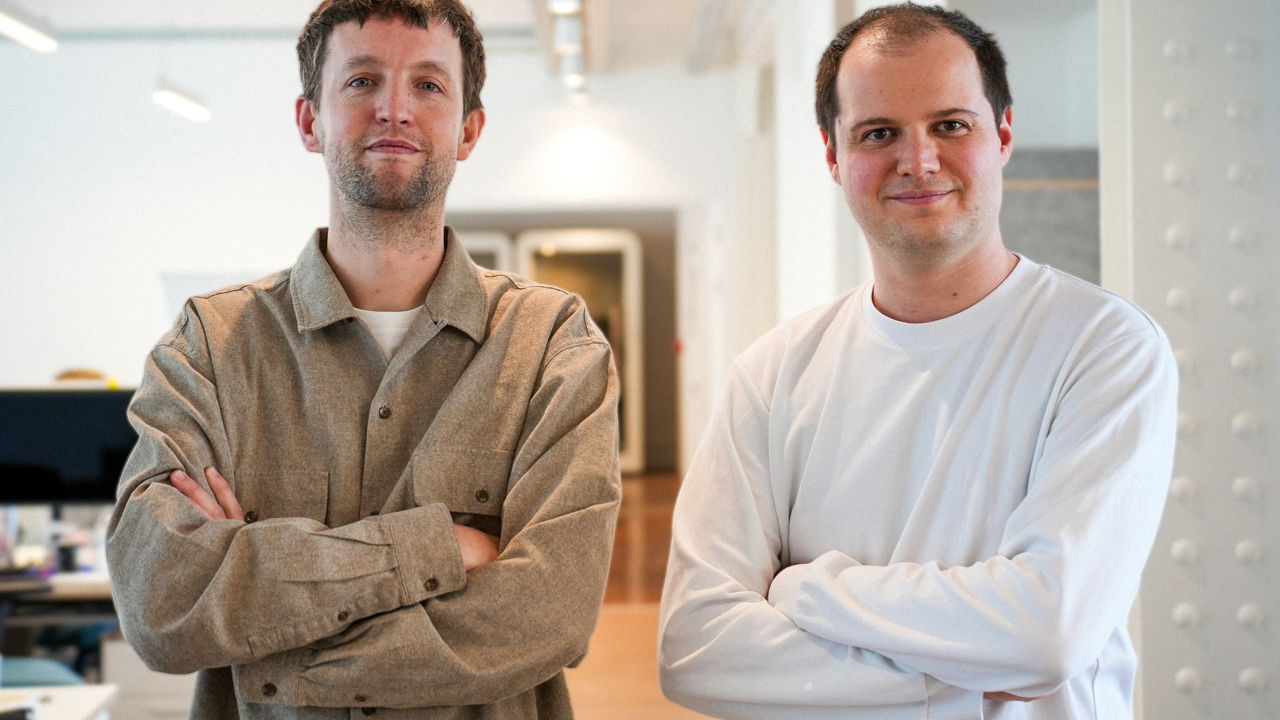
20VC leads $20m Series A investment in onboarding startup Prelude French digital onboarding startup Prelude has raised $20m in a Series A funding round led by Harry Stebbings 20VC, which is investing in the startup for the first time. Other investors in the round i...
tech.eu · about 11 hours ago

„Souveränes Angebot: Thales startet Cloudbetrieb für Google in Deutschland Aus Sorge vor Donald Trump suchen viele Unternehmen Alternativen zu US-Cloudanbietern. Google will jetzt mit einer Art Treuhandmodell gegensteuern und kooperiert dafür mit dem französischen Konzern Thales.
faz · about 12 hours ago

I dont worry about a robot takeover: AI expert Michael Wooldridge on big techs real dangers (and occasional blessings) Almost 50 years after he first got his hands on a computer, the Oxford professor still believes in the power of technology. Can his beloved game theory explain why Silicon Valleys entrepreneurs consistently misuse it?Michael Wooldridge is like the teacher you wish youd had: approachable, able to explain difficult things in simple terms, neither dauntingly highbrow nor off-puttingly cool, and genuinely enthusiastic about what he does. I love it when you see the light go on in somebody, when they understand something that they didnt understand before, he says. I find that incredibly gratifying.He comes across a regular sort of guy, which, as an Oxford professor with more than 500 scientific articles and 10 books to his name, he clearly isnt. Typically, his favourite work is his contribution to Ladybirds Expert Books – an update of the classic childrens series – on artificial intelligence. Im very proud of this, he says, as he hands me a copy from his bookshelf. Were in his study in the University of Oxfords somewhat municipal computing department on a sunny spring day. Maybe its the campus setting, but our discussion almost takes the form of a seminar. Continue reading...
theguardian · about 12 hours ago
Is Progress Softwares (PRGS) Agentic RAG Award a Turning Point in Its Enterprise AI Strategy? Progress Software recently reported that its SaaS platform Agentic RAG was named a winner in the 2026 Artificial…
europesays.com · 3 days ago
Alexa for Shopping: Amazons AI assistant for personalized shopping Alexa for Shopping is like having an expert personal shopper who already knows you and remembers your preferences,…
europesays.com · 3 days ago
NAVER Cloud announced on the 18th that it introduced the artificial intelligence (AI) safety phone s.. Operation of the Local Government/Public Week 2026 Experience ZoneAI targeting the local public market with a safety telephone…
europesays.com · 3 days ago
76 of advertisers benefit from agentic AI, 86 willing to shift budgets to the open web: Study Taboola, a global leader in delivering performance at scale for advertisers, today announced new research highlighting growing advertiser…
europesays.com · 3 days ago
Autonomous & Self-Driving Vehicle News: Waymo, Uber, Rivian, Lucid Nuro, Ouster, NVIDIA, Amazon, Stradvision, Volvo, Aptiv, Innoviz TIER IV, Sony, Isuzu, AiMotive & Bitsensing
gdeltproject.org · 3 days ago
Agentic AI Influencer Keynote Speaker: Creator Scott Steinberg Famous Agentic AI influencers, futurist keynote speakers and consulting experts review and cover a newer evolution of artificial…
europesays.com · 3 days ago
Best AI Agents in 2026: Tested, Ranked & Compared by Use Case The best AI agents (artificial intelligence agents) are moving fast in 2026, with Ramps AI Index showing Anthropic…
europesays.com · 3 days ago
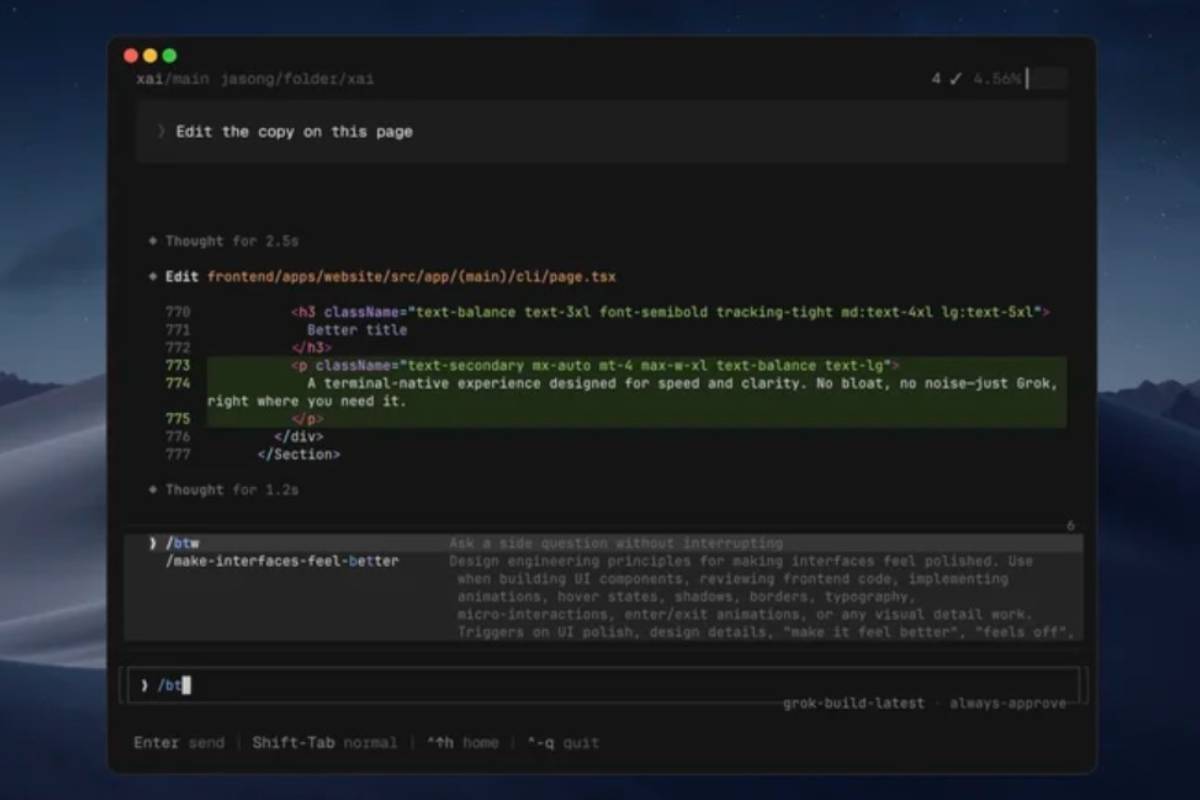
Grok Build, el agente de programación de xAI que aspira a competir con Claude Code y Codex La herramienta llega en versión beta y sólo para suscriptores del plan SuperGrok Heavy, que cuesta unos unos 285 euros al mes. Es el último intento de Elon Musk por recortar la distancia que su empresa de inteligencia artificial mantiene con Anthropic y OpenAI en uno de los segmentos más rentables del sector Leer
elmundo · 3 days ago
Google DeepMind launches APAC Accelerator for climate Per a Google blog post dated May 17, 2026, Google DeepMind is launching an inaugural Accelerator program in…
europesays.com · 3 days ago
The worlds first quantum AI song shakes up everything we thought about music The worlds first quantum AI song shakes up everything we thought about music – Futura-Sciences May 17, 2026…
europesays.com · 3 days ago
Japan to craft guidelines on using Anthropics Mythos for cyberdefense Anthropic has restricted access to Claude Mythos, a powerful AI tool that can discover vulnerabilities in major operating…
europesays.com · 3 days ago
Eval engineering: The missing piece of agentic AI governance As artificial intelligence agents become more powerful, agentic AI governance becomes increasingly important – and yet, todays governance…
europesays.com · 3 days ago