
Tour de France shortens stage as France issues red alerts in 37 communes over heatwave

Story Timeline
3 months · 2 summary articles
Tour de France shortens stage as France issues red alerts in 37 communes over heatwave
France raises heatwave health alert to highest level as temperatures soar past 40C
Follow-up
France is grappling with an intense heatwave that has prompted authorities to issue red alerts in 37 communes and orange alerts in others. The heatwave, described as "prolonged, intense, and generalized" by Météo-France, has led to temperatures soaring between 37 and 41 degrees Celsius in the affected regions. This extreme weather has significantly impacted daily life, including the shortening of the ninth stage of the Tour de France by 30 kilometers due to the scorching conditions.
The heatwave has also led to the early closure of major tourist attractions such as the Eiffel Tower and the Louvre Museum. The Eiffel Tower, a symbol of Paris, will close at 4 pm instead of its usual late evening hours, while the Louvre will close at 6 pm until Monday. These measures are aimed at protecting visitors and staff from the extreme heat.
In addition to the heat, France is also battling wildfires, with a significant blaze in Trévillach, Pyrénées-Orientales, having consumed around 4,900 hectares. The fire is now contained, but the risk of further fires remains high due to the dry and hot conditions.
The heatwave is not confined to France. Belgium is also experiencing high temperatures, with forecasts predicting temperatures up to 35 degrees Celsius. Italy is facing a severe heatwave with temperatures expected to reach 43 degrees Celsius in Sardinia and 40 degrees Celsius in the Po Valley. The heat has led to wildfires in Piedmont and Sardinia, with significant ecological damage reported.
The Tour de France has been particularly affected by the heatwave. The ninth stage, originally scheduled to cover a longer distance, was shortened to ensure the safety of the cyclists. Despite the challenging conditions, the race continues, with cyclists like Mathieu van der Poel showing strong performance.
Authorities across Europe are taking measures to mitigate the impact of the heatwave. In France, the government has issued warnings and advised people to stay hydrated and avoid outdoor activities during the hottest parts of the day. Similar advisories have been issued in other affected countries.
The heatwave is expected to continue until at least the middle of next week, with some relief expected from thunderstorms. However, meteorologists warn that the high temperatures could return later in the month, potentially making this one of the hottest summers on record.
Experts are also concerned about the long-term effects of such extreme weather events. The frequency and intensity of heatwaves are increasing, likely due to climate change. This trend poses significant challenges for public health, infrastructure, and the environment.
As Europe continues to grapple with the heatwave, the focus remains on ensuring the safety and well-being of residents and visitors alike. Authorities are urging people to take necessary precautions and stay informed about the latest weather updates.
Follow us for live European news
- 3
- 3
- 2
- 2
- 2
- 1
- 1
- 1
- 1
- 1
- 1
2 further sources not geolocated
Articles

Wetteraussichten: Tropennächte und Hitze bis 36 Grad – Abkühlung in Sicht Noch bleibt es vielerorts heiß, doch zum Wochenende kündigt der Wetterdienst eine spürbare Abkühlung an.
tagesspiegel · 3 months ago
MAE, atenționare de călătorie pentru Italia. Cod portocaliu și cod galben de incendii de vegetație în Sardinia și Sicilia Ministerul Afacerilor Externe a emis o atenționare de călătorie pentru românii care se află, tranzitează sau intenționează să călătorească în Italia, după ce autoritățile italiene au emis avertizări privind riscul de incendii de vegetație în mai multe regiuni.
digi24 · 3 months ago
Việt Nam, France seek to deepen Comprehensive Strategic Partnership
gdeltproject.org · 3 months ago

La chaleur monte : jusquà 35°C cette semaine et un été qui pourrait déjà entrer dans lhistoire Après une première vague de chaleur fin juin, la Belgique connaît un nouvel épisode caniculaire. Les prochains jours seront les plus chauds de lépisode, avant un léger rafraîchissement… qui pourrait nêtre que temporaire. ...
la libre · 3 months ago

Wetter bleibt hochsommerlich und wird zunehmend wechselhaft In den kommenden Tagen werden täglich Temperaturen über 30 Grad erwartet. Im Verlauf der Woche steigt die Wahrscheinlichkeit von Regenschauern
der standard · 3 months ago
Netherlands set for week of heat and sunshine before storms bring cooler weather The Netherlands will experience a prolonged period of sunny and hot weather starting after early Sunday morning, with temperatures climbing above 30 degrees Celsius in parts of the country through
nltimes.nl · 3 months ago

Mais de um terço de França em alerta vermelho devido a calor Temperaturas máximas deste domingo devem chegar a valores entre 37 e 41 graus Celsius nas regiões em alerta vermelho. Nova onda de calor vai durar até meados da semana.
observador · 3 months ago
Het wordt komende week tropisch, maar verkoeling is al in zicht Nederland kan zich opmaken voor tropische temperaturen tot wel 33 graden. Vanaf donderdag neemt de kans op regen- en onweersbuien toe, waarna het weekend koeler wordt met temperaturen tussen de 20 en 25 graden.
nu.nl · 3 months ago
Clashs familiaux en temps de canicule : «Quand ma tante valorise le fait davoir pris lavion, ça me fait bouillonner» La répétition des vagues de chaleur exceptionnelles depuis fin mai occasionne des disputes au sein de certaines familles, divisées entre éco-anxieux, soucieux de repenser leur mode de vie, et je-men-foutistes.
liberation · 3 months ago

10h. Nona etapa da Volta a França encurtada em 30 kms Em causa está um alerta vermelho de onda de calor na zona de Corrèze, no centro de França. Ainda, morreu o senador e aliado de Donald Trump, Lindsey Graham.
observador · 3 months ago
Live Tour | Zeer sterke Van der Poel in grote kopgroep van snikhete heuvelrit Welkom in dit liveblog. Mijn naam is Nemo Schillemans en ik hou je hier op de hoogte van de negende etappe van de Tour de France. Veel plezier!
nu.nl · 3 months ago
Morocco battles wildfire in southeast amid extreme heat warnings Moroccan authorities continued Saturday to contain a wildfire sweeping through the Afous oasis in southeastern Errachidia province, damaging vast palm groves as the country remains on high alert for forest blazes amid soaring temperatures and extreme heat warnings issued through July 12.
yenisafak · 3 months ago
Frankreich: Ein Land stöhnt unter der dritten Hitzeglocke des Jahres Die Auswirkungen der Hitze in Frankreich kosten vielen Menschen das Leben – und auch die Wirtschaft leidet immer mehr. Es könnte noch schlimmer kommen, weil das Land nicht auf solche Temperaturen vorbereitet ist.
sueddeutsche · 3 months ago
Latest news bulletin | July 12th, 2026 – Midday Catch up with the most important stories from around Europe and beyond this July 12th, 2026 - latest news, breaking news, World, Business, Entertainment, Politics, Culture, Travel.
euronews · 3 months ago
Hotter summers in Croatia to bring new challenges, experts say Croatia is already experiencing rising temperatures, more frequent heatwaves and increasingly unpredictable weather and it is expected to reshape everyday... The post Hotter summers in Croatia to bring new challenges, experts say first appeared on Croatia Week.
croatia week · 3 months ago
Tour de France 2026 : devant sa télé, un malaise croissant face aux forçats sous la canicule Si la Grande Boucle est synonyme de performance hors norme, cette édition dans la fournaise donne le sentiment de rester passif jusquà linconscience coupable.
liberation · 3 months ago

Tour de France: Bezahlter Urlaub Was soll man machen mit einem Fahrer, der allen so überlegen ist wie Tadej Pogačar? Der Blick in die Geschichtsbücher offenbart eine überraschend einfache Lösung. Doch die würde nur ein neues Problem schaffen.
faz · 3 months ago
Eiffel Tower to close early as heatwave hits France: operator The operator of the Eiffel Tower said the latticed-steel Paris monument would "exceptionally close" early over the weekend at 4 pm (1400 GMT), as France was gripped by a third heatwave since May.
france24 · 3 months ago
Waldbrandgefahr bleibt hoch: Sommerwetter in Berlin und Brandenburg hält an – 31 Grad am Sonntag Sonne, bis zu 31 Grad und kaum Regen: Berlin und Brandenburg starten sommerlich in die neue Woche. Die Waldbrandgefahr bleibt dabei vielerorts hoch.
tagesspiegel · 3 months ago
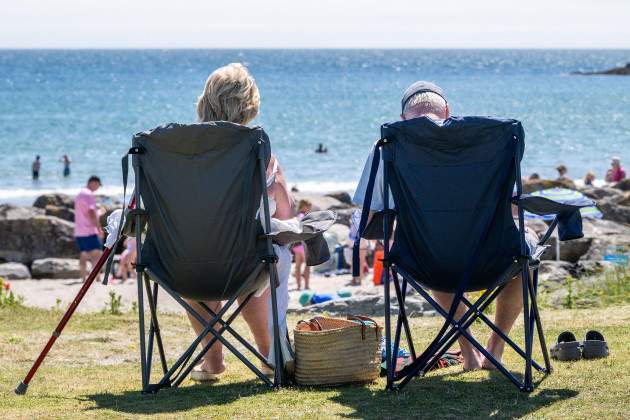
Ten counties issued with a high temperature warning Met Éireann warned of heat stress, uncomfortable sleeping conditions, the possibility of forest fires and drought.
thejournal · 3 months ago
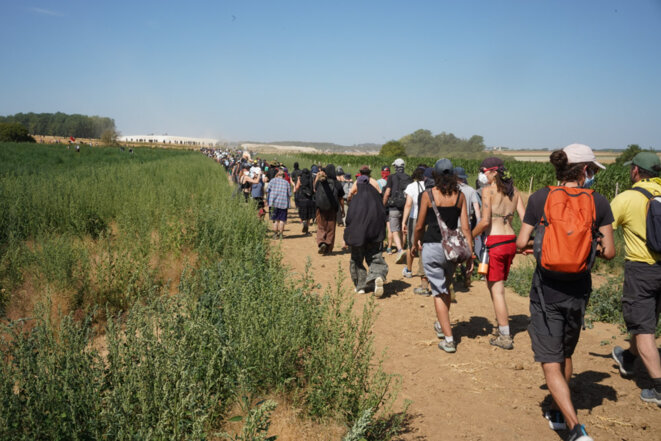
Le canal Seine-Nord, «un projet écocidaire» destructeur de zones humides Des centaines de personnes se sont rassemblées samedi dans le village dOisy-le-Verger, pour sopposer au démarrage des travaux du canal Seine-Nord Europe. Cette infrastructure, destinée à mettre les Hauts-de-France sur la carte du transport fluvial XXL, consommerait une grande partie des ressources hydriques de la région.
mediapart · 3 months ago
En Corrèze, la simplissime recette de la flognarde aux pommes Chaque jour, «Libé» vous propose une recette de la région ou de la ville darrivée du Tour de France, trouvée par nos soins. Aujourdhui, un dessert classique de Corrèze, apporté par Françoise Bleu de Meymac.
liberation · 3 months ago
EN DIRECT - Canicule : trois réacteurs nucléaires à larrêt, huit autres à puissance réduite Le troisième épisode de chaleur de lannée atteint son pic ce dimanche en France, dont plus dun tiers des habitants sont sous vigilance rouge, et fait craindre la propagation des incendies.
liberation · 3 months ago

Rhein-Main-Liveblog: A3 bei Frankfurt: Lebende Fische auf der Fahrbahn Was ist los in Frankfurt & Hessen? Lesen Sie aktuelle News & Nachrichten im News-Ticker von heute ► Was heute wichtig ist, erfahren Sie bei der F.A.Z.
faz · 3 months ago
Caldo estremo al Tour de France: tappa accorciata, allerta rossa e picchi di 43 gradi lungo il percorso Anche il Tour de France 2026 continua a fare i conti con lemergenza climatica: londata di caldo estremo che sta soffocando lEuropa non accenna a diminuire la propria intensità, rendendo le condizioni quasi impraticabili per i ciclisti. Dopo la protesta di diversi corridori nei giorni scorsi, oggi gli organizzatori hanno deciso quanto meno di fare […] Larticolo Caldo estremo al Tour de France: tappa accorciata, allerta rossa e picchi di 43 gradi lungo il percorso proviene da Il Fatto Quotidiano.
il fatto quotidiano · 3 months ago
Paris heatwave forces early closure of Eiffel Tower and Louvre The Eiffel Tower and Louvre Museum have shortened their weekend opening hours as Paris grapples with scorching temperatures, with both iconic landmarks shutting their doors at 4 pm and the museum enforcing a 2 pm last admission to protect visitors from the extreme heat.
yenisafak · 3 months ago

Met Éireann issues further heat warning as night-time water restrictions imposed in some counties Areas under a weather warning in Ireland will likely see temperatures of over 27 degrees
irish times · 3 months ago
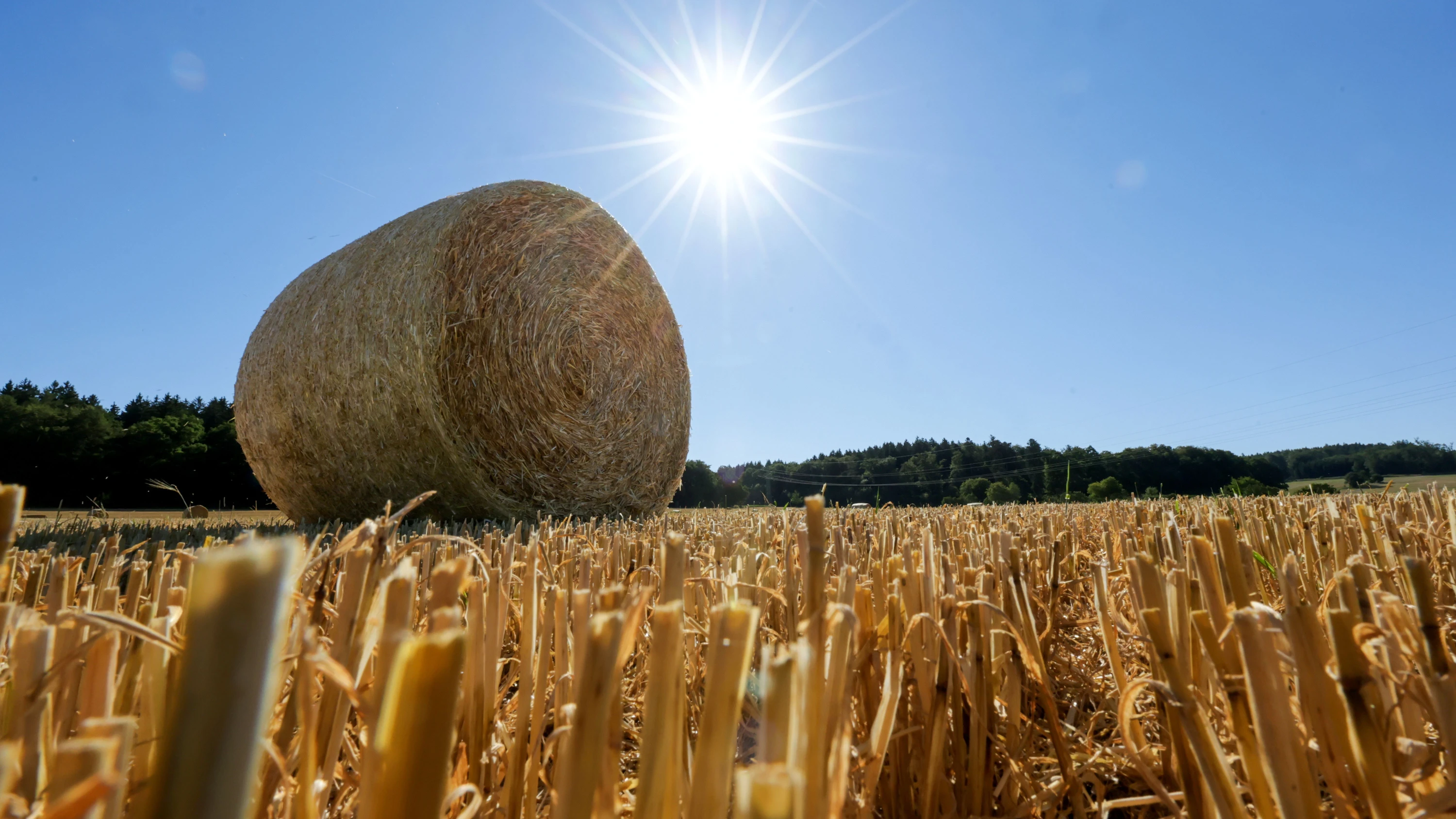
Wetter in Deutschland: Hitze bis 36 Grad – leichte Abkühlung in Sicht Die hohen Temperaturen bleiben: In den kommenden Tagen werden abermals Tropennächte erwartet. Doch auch wechselhaftes Wetter kündigt sich an.
faz · 3 months ago
EN DIRECT - Canicule : 139 victimes de noyade depuis le 19 juin, une hausse de 18 par rapport à 2025 Le troisième épisode de chaleur de lannée atteint son pic ce dimanche en France, dont plus dun tiers des habitants sont sous vigilance rouge, et fait craindre la propagation des incendies.
liberation · 3 months ago
Cod galben de furtuni în aproape toată țara și în Capitală. Vin ploi torențiale, vijelii și grindină Administrația Națională de Meteorologie (ANM) a emis duminică noi atenționări Cod galben de instabilitate atmosferică pentru mai multe zone din România. Sunt așteptate averse torențiale, descărcări electrice, intensificări ale vântului și căderi de grindină.
adevarul · 3 months ago