 Thursday, May 21Thursday, May 21
Elon Musk’s lawsuit against OpenAI, Sam Altman, and Microsoft reached a critical phase this week as closing arguments concluded in an Oakland, California, federal courthouse. The trial, which began last month, centers on Musk’s allegations that OpenAI and its leadership breached their charitable mission by prioritizing profit over the nonprofit’s founding principles of developing safe, open-source artificial intelligence for the public good. A nine-person jury will now deliberate on whether OpenAI and Altman are liable, though their verdict will be advisory, with the final decision resting with the judge .
Musk’s legal team argued that OpenAI executives, particularly Altman, engaged in self-dealing and misused Musk’s donations to enrich themselves through stock grants and financial ties to affiliated entities. Lawyer Steven Molo emphasized Altman’s alleged lack of credibility, citing testimony from former colleagues, including Ilya Sutskever and Mira Murati, as well as ex-board members Helen Toner and Tasha McCauley, to undermine Altman’s claims of transparency . Musk seeks Altman’s removal from OpenAI’s board and billions in damages, though he has stated any financial award would be donated to the nonprofit’s original mission .
OpenAI’s defense countered that the organization’s structure evolved to secure necessary funding while maintaining its core mission. Microsoft, added to the lawsuit in 2024, was accused of aiding OpenAI’s alleged breach of its charitable obligations. The trial has featured high-profile witnesses, including Musk, Altman, OpenAI board chair Bret Taylor, and Microsoft CEO Satya Nadella, offering insights into the contentious history of OpenAI’s formation and governance . If the court rules against OpenAI or Microsoft, a separate phase will determine damages .
Chess: Niemann puts controversy aside and wins $50,000 first prize in Warsaw US grandmaster scored biggest success of his career at the Grand Chess Tour Rapid & Blitz and is close to world top 10Hans Niemann, the controversial US grandmaster whose game with Magnus Carlsen at the 2022 Sinquefield Cup led to cheating allegations, a $100m lawsuit, an out of court settlement, the Netflix documentary Untold: Chess Mates, and a forthcoming book, scored the most important success of his career last weekend.Niemann, competing as a wildcard, won the $50,000 first prize at the Warsaw Rapid & Blitz in Poland, ahead of the US champion and the world No 3, Fabiano Caruana, Indias reigning world champion, Gukesh Dommaraju, and the Candidates winner, Javokhir Sindarov. The event was part of the St Louis-backed Grand Chess Tour, which ends in August and includes the prestigious Sinquefield Cup. Continue reading...
theguardian · 6 days ago

US agrees to settle lawsuit that accused an Indian billionaire of hiding an alleged bribery scheme The U.S. government has agreed to settle a lawsuit against Indian billionaire Gautam Adani
independent · 6 days ago

SEC settles Adani case as US authorities move to end actions against Asias richest man Indian tycoon had lobbied Trump administration and pledged billions of dollars of investment in America
financial times · 6 days ago
JUST IN - U.S. SEC settles civil lawsuit against Indian billionaire Gautam Adani, subject to court approval, as the DOJ nears dropping related criminal fraud charges. Adani has reportedly promised to invest $10 billion into the U.S. economy. @disclosetv
telegram bot · 6 days ago
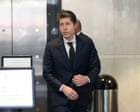
High-stakes courtroom drama of Musk v OpenAI hears closing arguments Nine-person jury to consider whether AI firm bilked worlds richest person and unjustly enriched themselvesClosing arguments began on Thursday in Elon Musks lawsuit against Sam Altman and OpenAI, bringing the weeks-long courtroom battle between the two tech moguls nearer to a decision. A nine-person jury is set to deliberate and return a verdict on whether they believe the AI firm and Altman are liable in the case.The trial, which began last month in an Oakland, California, federal courthouse, has gripped Silicon Valley and featured some of the tech industrys biggest names as witnesses. Attorneys for both sides have presented testimony and documents that have exposed Musk and Altmans private dealings, as well as provided a window into the contentious history of OpenAI. Continue reading...
theguardian · 6 days ago
Closing arguments begin in Elon Musks landmark lawsuit against OpenAI Elon Musk accuses OpenAI of breaching charitable trust and prioritising profit over AI safety and nonprofit values.
aljazeera · 6 days ago
Musk tried to tie OpenAI in knots with baseless lawsuit, start-ups lawyer says Closing arguments presented in legal battle that could upend AI labs plan for an IPO this year
financial times · 6 days ago
US authorities prepare to end Adani fraud cases Indian tycoon had lobbied Trump administration and pledged billions of dollars of investment in America
financial times · 6 days ago
Closing arguments begin in high-stakes Musk v OpenAI courtroom showdown Jury set to deliberate and return a verdict on whether they believe AI firm and Altman are liable in caseClosing arguments began on Thursday in Elon Musks lawsuit against Sam Altman and OpenAI, bringing the weeks-long courtroom battle between the two tech moguls nearer to a decision. A nine person jury is set to deliberate and return a verdict on whether they believe the AI firm and Altman are liable in the case.The trial, which began last month in an Oakland, California federal courthouse, has gripped Silicon Valley and featured some of the tech industrys biggest names as witnesses. Attorneys for both sides have presented testimony and documents that have exposed Musk and Altmans private dealings, as well as provided a window into the contentious history of OpenAI. Continue reading...
theguardian · 6 days ago
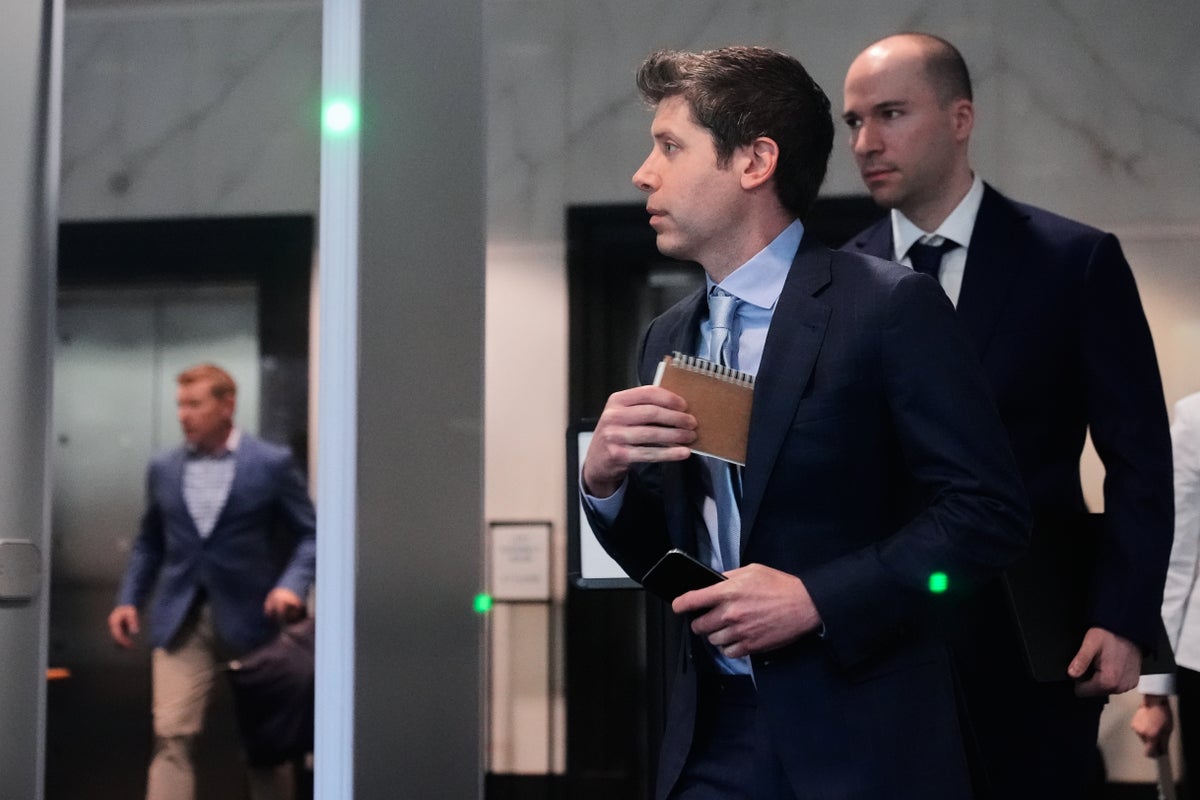
Musk, OpenAI lawyers begin closing arguments in landmark trial that could shape AIs future Lawyers for Elon Musk and OpenAI began closing arguments Thursday in the landmark trial whose outcome could shape the future of artificial intelligence
independent · 6 days ago
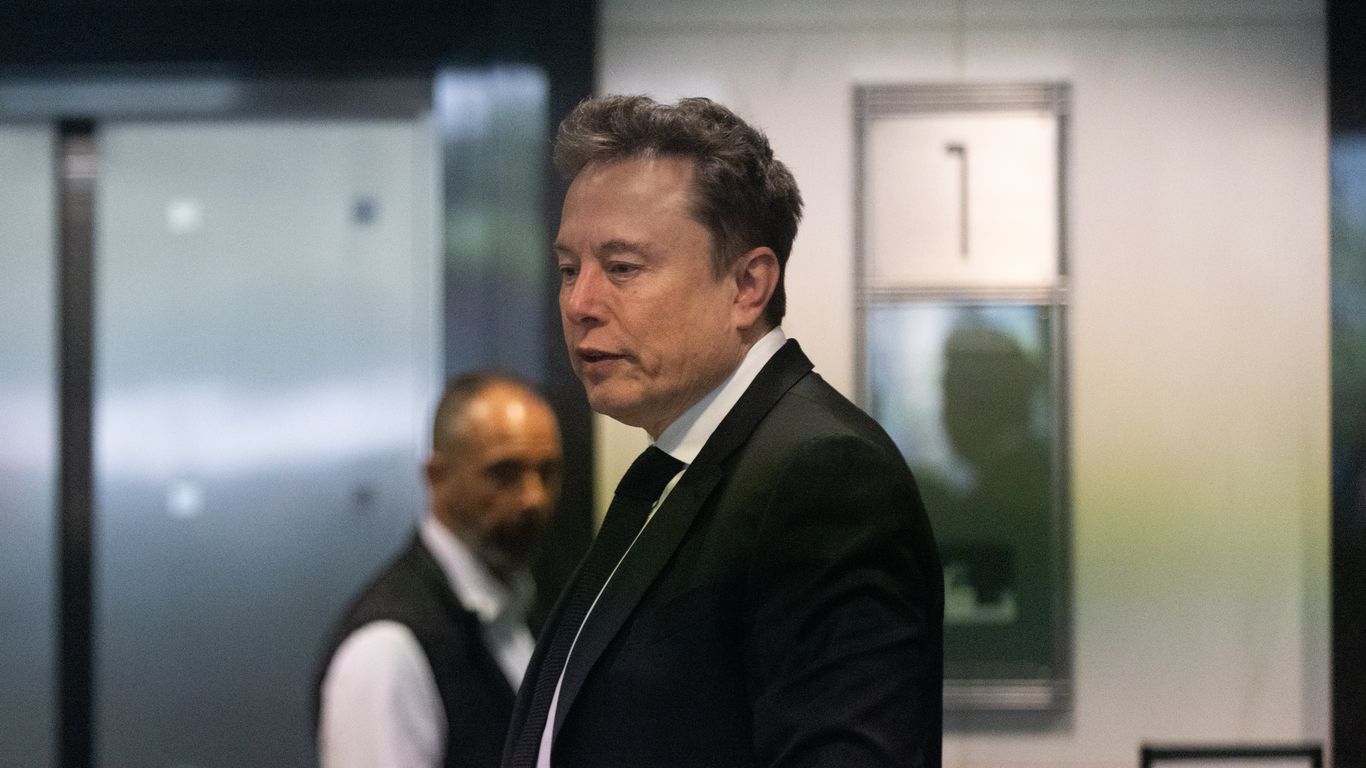
Musk lawyers accuse OpenAI of deception in close of mega-trial Attorneys for Elon Musk wrapped up their case against OpenAI on Thursday, asserting in closing arguments that theyve proven the AI giant misused the millions of dollars Musk donated and violated their duty to uphold OpenAIs founding ethos.Next up in the mega-trial, lawyers for OpenAI and Microsoft will argue that the organizations structure has changed but its mission hasnt.Why it matters: Musk wants CEO Sam Altman ousted from OpenAIs board as well as billions of dollars in damages, though he says he would donate any winnings back to OpenAIs nonprofit arm.Driving the news: In his closing argument, lawyer Steven Molo argued that OpenAI violated its nonprofit mission to pursue safe, powerful AI for the world — and that its executives instead sought to reap personal gain through stock grants and self-dealing with entities in which they had financial stakes.Molo put particular emphasis on Altmans trustworthiness, saying his claims of honesty were undercut by testimony from former colleagues Ilya Sutskever and Mira Murati as well as ex-board members Helen Toner and Tasha McCauley.Catch up quick: in 2024, Musk sued OpenAI, Altman, and President Greg Brockman, alleging OpenAI and its founders breached their duties to the charitable mission. Later that year Musk added Microsoft to the suit, saying it aided and abetted OpenAIs breach of its obligations.In a trial that began last month, jurors have heard from some of the biggest names in AI, including Musk, Altman, OpenAI board chair Bret Taylor and Microsoft CEO Satya Nadella, as well as a host of other former OpenAI employees and board members.The intrigue: This case is proceeding differently than many others. The jurys verdict is only advisory and the judge can decide to overrule it. Also, if the ultimate ruling is against OpenAI and/or Microsoft, there will be a separate portion of the trial to decide damages.
axios · 6 days ago
OpenAI trial hinges on Sam Altmans credibility, says Elon Musk lawyer Lawyers for worlds richest man try to paint AI founder as untrustworthy in closing arguments in court case
financial times · 6 days ago