Loading…
 Saturday, August 29Saturday, August 29
2 months · 12 summary articles
France on Monday received urgent reinforcements from the European Union as wildfires raged across its sun-scorched south, forcing the evacuation of 10,000 people and forcing organisers to strip spectators from the third stage of the Tour de France. The Commission européenne announced the deployment of four water-bombing aircraft from Sweden and Cyprus to bolster the 750 firefighters already battling a blaze that has consumed more than 4,600 hectares in the Pyrénées-Orientales, where winds, record heat and tinder-dry vegetation have driven flames across 26 villages and towns.
Interior Minister Laurent Nunez warned that conditions were “deteriorating again” as the fire advanced through the Pyrenees foothills west of Perpignan, where a firefighter and a resident remain in critical condition. Météo-France placed seven departments on its highest red alert for wildfire risk, while 41 others faced elevated danger as temperatures again topped 40°C in parts of the country. “Today we resume the fight,” Nunez told TF1, urging residents to stay away from the evacuation zone and clear roads for emergency crews.
The European Civil Protection Pool activated the request France lodged on Sunday, with EU Commissioner Hadja Lahbib declaring that “Europe stands together” in protecting lives, communities and the natural environment. The aircraft are expected to arrive later on Monday, joining reinforcements already committed by Spain and Portugal, where fires have scorched more than 15,000 hectares in recent days. In Catalonia, authorities said a blaze that burned 2,200 hectares—97% of it in the protected Les Gavarres zone—was brought under control, but police arrested a contractor suspected of starting the fire with an angle grinder.
The Tour de France’s third stage, which crosses the affected Pyrenean foothills from Spain into France, will proceed without spectators or the usual publicity caravan, the regional prefecture said. “I regret having to say this: it will be, in France at least, a stage of the Tour de France without spectators,” Pierre Regnault de la Mothe told reporters. Only riders and their team vehicles will be permitted on the 196-kilometre route, and police warned that anyone violating the restrictions faces fines.
Across southern Europe, the fires have forced thousands more evacuations, including 500 people in Spain’s Castellón province after a blaze spread into the Sierra de Espadán natural park. In Greece, flames set two factories alight in Thessaloniki, prompting evacuations and prompting authorities to advise residents to keep windows closed. Portugal reported that a major blaze in the north, which burned 13,000 hectares, had been contained, though four regions remained on heat alert.
Scientists link the surge in wildfires to the extreme heat waves that have baked Europe since May, a pattern that has already claimed tens of thousands of lives this summer. The early and intense heat has left soils parched and vegetation primed to burn, while shifting winds and dry breezes have driven flames across rugged terrain. The EU’s rapid response underscores the bloc’s growing reliance on cross-border solidarity as climate-driven disasters intensify.
With temperatures forecast to remain extreme through the week, authorities are bracing for further outbreaks. In the Netherlands, meteorologists warned that a new regional heatwave could arrive as early as this weekend, while Switzerland issued level-three heat warnings through at least 13 July. The unfolding crisis has also exposed social inequalities, with low-income communities struggling to access cooling amid soaring demand for air-conditioning units—many of them Chinese imports—that have flooded European markets.
Follow us for live European news
2 further sources not geolocated
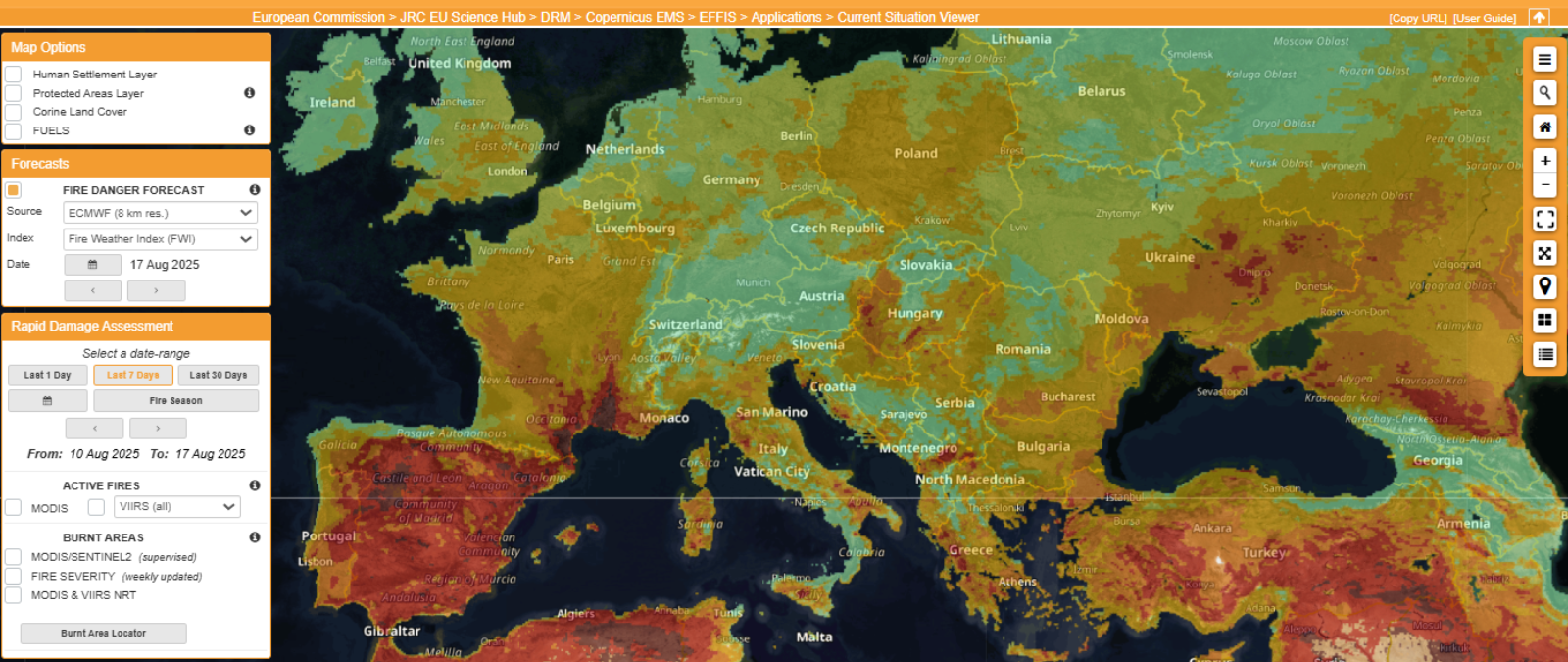
Cómo interpretar un mapa de riesgo por incendios en España y en Europa 📲 ¡Pincha aquí y sigue el canal de WhatsApp de Maldita.es para que no te la cuelen! Riesgo de incendio en España: AEMETLa Agencia Estatal de Meteorología publica cada día un mapa de riesgo meteorológico diario de incendios forestales. Muestra la probabilidad de que se produzcan fuegos en un día concreto, sin distinguir por horas.El riesgo se clasifica en seis niveles: muy bajo, bajo, moderado, alto, muy alto y extremo. La escala expresa tanto la probabilidad de que comience un fuego como su extensión e intensidad, según AEMET. Es decir, el nivel extremo no solo indica que la probabilidad de incendios forestales es extrema ese día, sino que pueden ser graves. El nivel de riesgo se calcula a partir de los datos recogidos en las estaciones meteorológicas de AEMET y de las previsiones del modelo numérico de predicción desarrollado por el Centro Europeo de Predicción a Medio Plazo (el ECMWF, por sus siglas en inglés). Este modelo trabaja con 47.367 puntos de rejilla: cada punto se sitúa en el centro de un cuadrado de 5 km de lado; por tanto, las variables de cálculo son representativas de un área de 25 km², explican desde la AEMET. En este modelo se introducen los datos de temperatura del aire seco, la humedad relativa del aire, la velocidad del viento y la precipitación registrada en las últimas 24 horas. El mapa de riesgo de incendios de la AEMET toma de referencia las 12 UTC, que se corresponden con las 14:00 en la península ibérica. Esto es para obtener el valor de máximo riesgo diario, que sucede en torno al mediodía o las primeras horas de la tarde, según indicó el portavoz de la AEMET Rubén del Campo a Maldita.es. No obstante, el resultado tiene validez desde varias horas antes hasta varias horas después de esa hora.Predicción de incendios en Canarias para el 7 de julio de 2026. Fuente: AEMET ¿Crees que te ha llegado un bulo? Verifica en nuestro chatbot de WhatsApp (+34 644 229 319) Riesgo de incendios a escala europeaA escala europea, el Sistema Europeo de Información sobre Incendios Forestales (EFFIS, por sus siglas en inglés), perteneciente a Copernicus, ofrece su propio mapa con siete niveles de riesgo. El nivel más alto, muy extremo, se añadió en 2021 para diferenciar las áreas del Mediterráneo que inicialmente se clasificaron como de riesgo extremo durante los meses de verano. Los valores establecidos para adjudicar las distintas clasificaciones están explicados en la página web de EFFIS.EFFIS combina dos modelos de predicción para la elaboración de su mapa: uno del ECMWF (con 8 km de resolución y hasta 9 días de previsión) y otro de MeteoFrance (10 km de resolución, hasta 3 días).Para activar el mapa hay que pulsar la casilla FIRE DANGER FORECAST y elegir la fuente de datos y la fecha. El visor también permite superponer otras capas útiles, como zonas protegidas o los incendios activos en tiempo real. Mapa de riesgo de incendios el 7 de julio de 2026. Fuente: EFFIS (Copernicus).
maldita · about 2 months ago
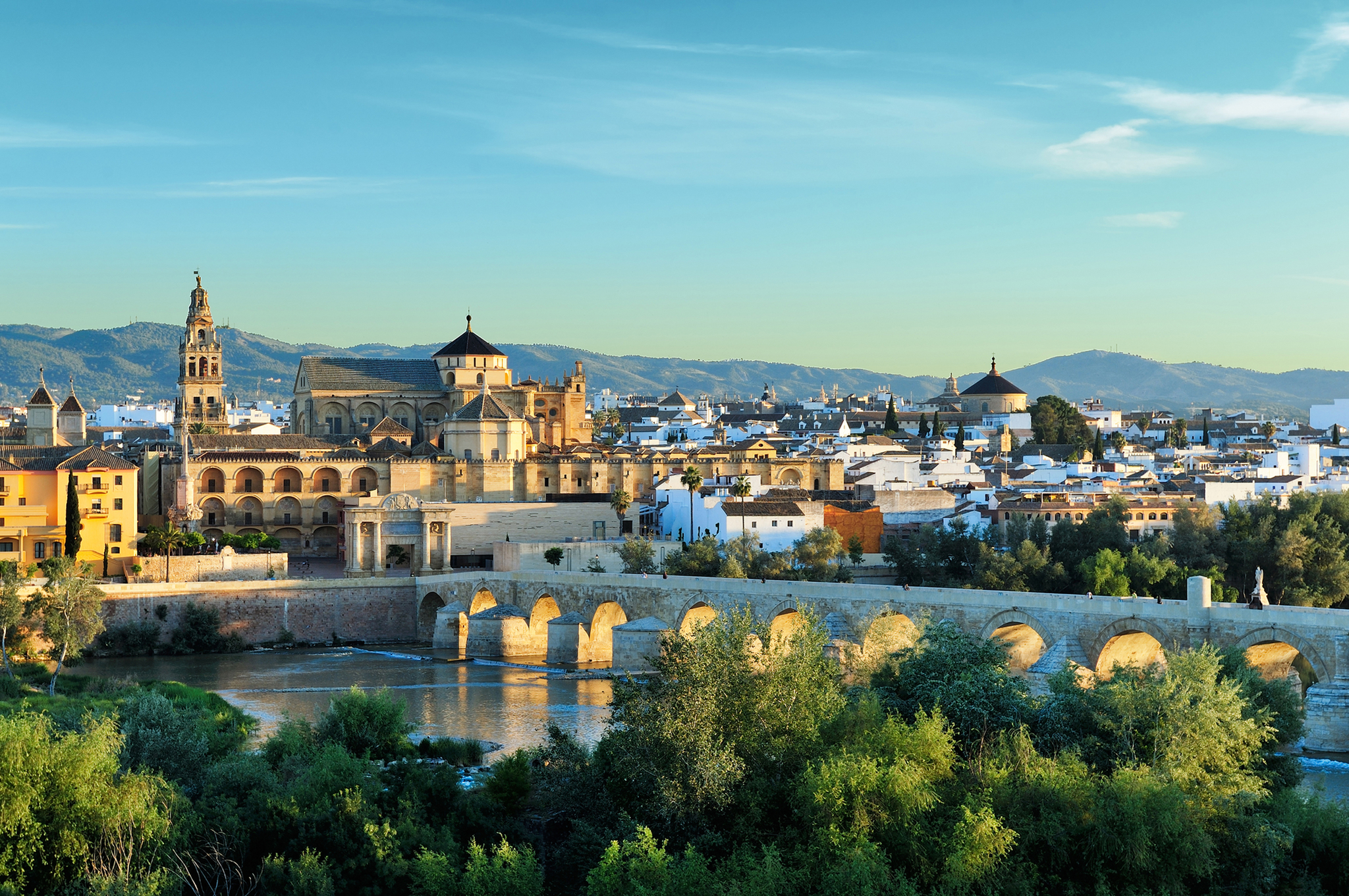
La ola de calor alcanza hoy máximas de hasta 42 grados: ¿qué zonas van a ser las más afectadas? La Agencia Estatal de Meteorología (Aemet) prevé para este lunes el día álgido del episodio de ola de calor que afecta a España, con temperaturas máximas que podrán alcanzar los 42 grados en los valles fluviales. Todas las comunidades tienen activos avisos por calor que en en el caso de 22 provincias es naranja (aviso importante). Leer
expansion · about 2 months ago

Dit weekend mogelijk derde regionale hittegolf van het jaar: Nog nooit zo vroeg Komend weekend is de kans groot dat het zuiden van Nederland te maken krijgt met de derde regionale hittegolf van het jaar. Volgens Weerplaza zou dat uitzonderlijk vroeg in het jaar zijn en kan het record uit 2006 gebroken worden.
nu.nl · about 2 months ago
Meer dan tienduizend mensen geëvacueerd in Frankrijk vanwege bosbranden Meer dan tienduizend mensen in 26 Zuid-Franse gemeenten zijn geëvacueerd vanwege natuurbranden in het gebied.
nrc · about 2 months ago

Canicule : plus de 2 000 décès supplémentaires en France au mois de juin Les autorités sanitaires françaises ont publié, vendredi 3 juillet, un nouveau bilan pour lépisode caniculaire qui a touché la France à la fin du mois de juin, avec un nombre de décès qui a doublé par rapport au précédent bilan, rapporte la presse étrangère. Des chiffres qui seraient encore sous-estimés.
courrier international · about 2 months ago
Evénements estivaux : qui aura le courage de dire quon ne peut pas continuer comme avant ? Le Mondial, le Tour de France, les JO ou les festivals se déroulent en été car le public est alors le plus disponible pour y prendre part. Mais faire pédaler des cyclistes ou jouer des matchs par 40 degrés est insensé. Sadapter au changement climatique implique aussi de songer à déplacer ces rendez-vous à des périodes plus fraîches.
liberation · about 2 months ago
Incendies : quelles différences entre feu «fixé» ou «maîtrisé», «surface parcourue» ou «hectares brûlés» ? Lors de la saison des incendies, les pompiers et les médias utilisent de nombreux termes pour rendre compte de la situation. Libé fait le point sur les expressions fréquemment employés.
liberation · about 2 months ago
Festival dAvignon : dans «1 Degree Celsius», la chorégraphe Sung Im Her fait grincer la température La Sud-Coréenne imagine dans un spectacle de danse électrifiant la fin dune humanité condamnée par le réchauffement de la Terre.
liberation · about 2 months ago
Incendies : gagné par les flammes, le sud de la France reçoit laide de lEurope Alors que plusieurs feux continuent de mobiliser les secours ce lundi, la Commission européenne a annoncé lenvoi de quatre avions bombardiers deau. Des Pyrénées-Orientales à la Drôme, le point sur les incendies en cours.
liberation · about 2 months ago
Incendies dans le sud de la France : quest-ce que le mécanisme européen de protection civile, qui a permis de déployer quatre bombardiers deau ? LUnion européenne a autorisé lenvoi de quater appareils aériens destinés à aider les pompiers qui luttent contre les flammes, des Pyrénées-Orientales à la Drôme. Une aide rendue possible par ce dispositif lancé en 2001 par la Commission européenne.
liberation · about 2 months ago
We have nothing to cool off with: French heatwave exposes inequalities As people living in low-income areas are unable to escape the heat, analysts decry the governments response.
aljazeera · about 2 months ago
Scorching heat worsens suffering in Gazas displacement camps
aljazeera · about 2 months ago
Wildfire rages in eastern Spain, forcing hundreds to flee A wildfire in Castellon, eastern Spain, forces 500 evacuations as firefighters and aircraft battle flames spreading across the Valencia region.
euronews · about 2 months ago
July and August forecast released: Heres whats in store for Croatia Croatia is likely to experience a warmer-than-average rest of the summer, according to the latest seasonal forecast from the European... The post July and August forecast released: Heres whats in store for Croatia first appeared on Croatia Week.
croatia week · about 2 months ago
Stelling | Nederland moet ook siësta invoeren nu we warmere zomers krijgen De klimaatverandering zorgt voor een nog warmer Nederland. Experts waarschuwen dat de hitte ons lichaam belast, waardoor we extra rust nodig hebben. Omdat landen als Spanje en Italië daarom al de siësta kennen, rijst de vraag: moeten we in Nederland ook een siësta invoeren?
nu.nl · about 2 months ago
Toeristen gaan deze zomer ondanks hitte gewoon massaal naar Spanje Spanje bereikt dit jaar waarschijnlijk de grens van 100 miljoen buitenlandse toeristen, heeft minister van Toerisme Jordi Hereu maandag gezegd. De Spaanse zomer wordt weliswaar steeds heter en droger, met bosbranden tot gevolg, maar dat staat het massatoerisme niet in de weg.
nu.nl · about 2 months ago
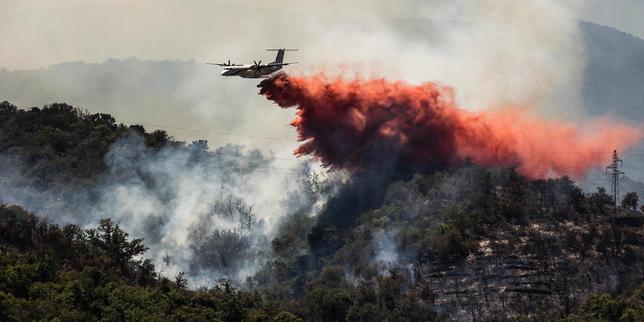
EN DIRECT, incendies : dans les Pyrénées-Orientales, le feu a parcouru plus de 4 600 hectares, près de 750 pompiers sont mobilisés, selon la préfecture Le niveau de risque dincendie restera élevé jusquà la fin de la semaine dans le département, selon Météo-France, à cause des fortes températures mais aussi dun phénomène de brise sèche. Des incendies touchent également le Gard, la Drôme, lHérault, lAude, lAriège et la Haute-Loire.
le monde · about 2 months ago
10.000 Menschen müssen vor Flammen in Südfrankreich fliehen – Tour de France ohne Zuschauer Ein in Südfrankreich wütender Naturbrand hat zur Evakuierung von 10.000 Menschen geführt. Löschflugzeuge aus Schweden und Zypern sind unterwegs. Auch die Tour de France ist betroffen.
welt.de · about 2 months ago
Schwieriger Kampf gegen Feuer: 10.000 Menschen fliehen vor Flammen in Südfrankreich Wind, Hitze und extreme Trockenheit: In Südfrankreich tobt ein Großbrand. Die höchste Warnstufe gilt – und sogar die Arbeit steht mancherorts still. Auch die Tour de France ist betroffen.
tagesspiegel · about 2 months ago
Heat wave kills 25 as US Independence Day celebrations disrupted The National Weather Service warned that extreme heat and severe thunderstorms disrupted Independence Day celebrations across the United States on Saturday, with officials confirming that the death toll from the persistent heat wave has risen to 25 and nearly 156 million people remained under heat alerts.
yenisafak · about 2 months ago
Thousands evacuated as wildfire scorches 11,000 acres in southern France A wildfire in Frances southern Pyrenees-Orientales department has burned over 4,600 hectares, forcing 10,000 residents to evacuate overnight. The blaze remains uncontrolled, with Interior Minister Laurent Nunez warning that weather conditions are deteriorating again.
yenisafak · about 2 months ago
Des ONG dénoncent une «vague de reculs environnementaux» dans lUE depuis deux ans A linitiative du Réseau action climat, une dizaine dONG publie lundi 6 juillet un décompte recensant 20 reculs «dangereux» dans lUnion européenne depuis juillet 2024, avec des conséquences néfastes pour lenvironnement et la santé des citoyens. Au cœur des majorités rendant possibles ce détricotage : les partis français de droite et dextrême droite.
liberation · about 2 months ago
EN DIRECT - Incendies et canicule : 61 départements en vigilance orange ce mardi Tandis que lépisode caniculaire fait son retour, plus de 11 000 hectares ont brûlé en France contre 5 700 à la même époque en 2025. Lincendie des Pyrénées-Orientales nest toujours pas fixé et en a parcouru plus de 4 600.
liberation · about 2 months ago
Firefighters battle wildfires across southern Europe Wildfires are raging across several parts of southern Europe. They come on the heels of massive heat waves in much of the region.
deutsche welle europe · about 2 months ago
Estonia avoids marketing cooler weather to foreign tourists Estonia is resisting calls to market its cooler summer weather to foreign tourists even as heat waves sweep across much of Europe. Officials say the country should be promoted for its culture, nature and experiences rather than as a refuge from high temperatures.
news.err · about 2 months ago
Supporters stopped from attending Tour de France as wildfires ravage South of France Excess heat and wildfires are affecting the Tour de France cycle race. The third stage of the race on July 6 will go near an area where wildfires have broken out in Frances southwest. Local authorities and race organisers as a result have asked people not to go to the race route to cheer riders on.
france24 · about 2 months ago
As a new heatwave looms, Europe falls for Chinese air conditioners Hundreds of people besieged supermarkets in and around Paris, with scuffles and shouting matches breaking out as residents scrambled to get their hands on bargain air-cooling units before the next heatwave. With the hunt for affordability, Europeans are turning to Chinese AC units - despite trade tensions between Beijing and Brussels. FRANCE 24s Yena Lee tells us more.
france24 · about 2 months ago
Greeces Thessaloniki threatened by spreading wildfire A fast-moving wildfire broke out in Greeces second largest city on July 4, forcing residents of three small suburbs north of the city to evacuate. The fire ignited a ravine in a mountainous area and spread quickly, with strong winds hampering efforts to contain the fire. According to the countrys public broadcaster, a 76-year-old man was arrested on suspicion of starting the wildfire, as he allegedly ignited the blaze after his vehicle produced sparks.
france24 · about 2 months ago

Wildfires Force Evacuation of Thousands in Southwest France The blaze in the Pyrenees, a region bordering Spain, has scorched more than 11,000 acres so far.
new york times · about 2 months ago

Vivre avec la chaleur Les records de température tombent les uns après les autres. En Belgique comme dans une grande partie de lEurope, la canicule sinstalle plus tôt, plus longtemps et plus intensément. Face à cette nouvelle réalité, nous sommes appelés à adapter nos bâtiments, nos habitudes… et parfois nos équipements. ...
la libre · about 2 months ago