 Thursday, May 21Thursday, May 21
The Minoan civilization, Europe’s first advanced Bronze Age culture, established sanctuaries on Crete’s highest peaks, which served as centers for healing and religious practices long before the rise of the Olympian pantheon in Greek mythology. These mountaintop sites, such as those found on windswept summits, reflect the Minoans' unique spiritual and cultural traditions, distinct from later Greek religious developments. Their sanctuaries were strategically placed in elevated locations, possibly to facilitate rituals tied to nature, healing, or divine connection .
The broader context of Greek mythology, including its connections to Minoan influences, is evident in the enduring themes of mythical creatures and cultural ideals. Dragons, for example, appear prominently in Greek myths, though their origins remain debated—whether as cross-cultural adaptations or inspired by real animals. The Minoan civilization, with its rich iconography and symbolism, may have contributed to the development of such mythological motifs in later Greek traditions .
Additionally, the concept of *kleos* (glory or eternal fame) in ancient Greek culture highlights the civilization’s emphasis on legacy and heroism, which may have roots in earlier Minoan or Mycenaean societal values. This pursuit of renown was central to Greek identity and storytelling, influencing later mythological narratives .

2,300-Year-Old Scythian Tomb Uncovered in Moldova Archaeologists in Moldova have uncovered a 2,300-year-old Scythian tomb during a rescue excavation near the village of Gura Bîcului, a discovery that may shed new light on ancient burial customs in the Lower Dniester region. The tomb dates to the 3rd century B.C. It was found in the Anenii Noi district, inside a kurgan-type necropolis. […]
greek reporter · 2 days ago
The Origins of Dragons in Greek Mythology: Cross-Cultural Adaptation or Real Creature? Dragons appear prominently in several stories from Greek mythology. In fact, they appear prominently in mythologies all over the world. Why did so many unrelated cultures have such a similar concept of a mythical beast? Could some of the dragons in Greek mythology and the mythologies of other cultures have been based on real animals? […]
greek reporter · 2 days ago
The Mysterious Alaska Triangle Where 20,000 People Vanished Without a Trace The mysterious Triangle of Alaska has claimed more than 20,000 people over the past five decades, making it one of the most troubling disappearance zones in the United States. Some of those who vanished were experienced pilots. Others were hikers, marathon runners, or tourists standing in crowded areas. The missing persons rate here far exceeds […]
greek reporter · 2 days ago
Why the Minoans Built Their Sanctuaries for Healing on Cretes Highest Peaks Perched atop the windswept summits of Greeces largest island, Crete, the remains of sanctuaries are among the earliest and most remarkable traces of Minoan civilization in European prehistory. Long before the Olympian pantheon came to dominate the religious imagination of the Ancient Greek world, the Minoans, Europes first great Bronze Age civilization, had already developed […]
greek reporter · 2 days ago
Giant Long-Necked Dinosaur From 120 Million Years Ago Discovered in Thailand Gigantic fossils discovered in Thailand have revealed a new species of long-necked dinosaur that lived nearly 120 million years ago, according to a new study. Scientists said the dinosaur roamed a hot and semi-arid environment in what is now northeastern Thailand during the Early Cretaceous period. Researchers named the species Nagatitan chaiyaphumensis. The dinosaur is […]
greek reporter · 2 days ago
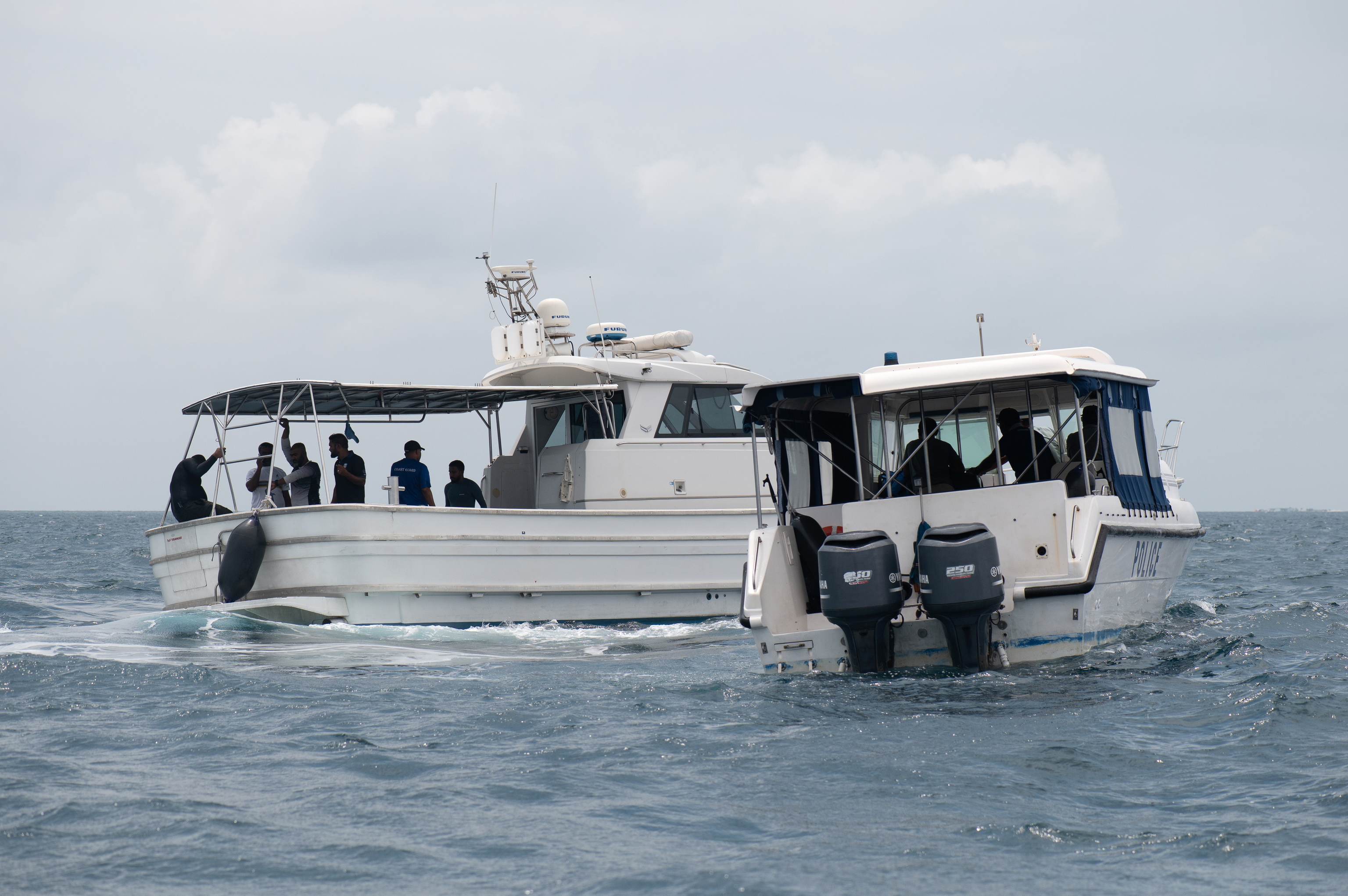
Maldives scuba diving accident: Italian divers bodies discovered MALE, Maldives (AP) — Italys Foreign Ministry said Monday that rescuers have located the bodies of four Italian…
europesays.com · 2 days ago
Kleos: The Pursuit of Eternal Glory in Ancient Greece The civilization of Ancient Greece was shaped by a relentless pursuit of glory as a form of everlasting remembrance. At the heart of this cultural ideal stood the concept of kleos (κλέος), usually translated as glory, fame, or renown. Kleos meant far more than simple popularity. Derived from the Greek word klyo, meaning hear (κλύω), […]
greek reporter · 2 days ago
Avertismentul antropologului care a contactat un trib izolat din India: de ce izolarea nu îi mai garantează supraviețuirea Unul dintre ultimii străini care au făcut vizite autorizate în singurul trib „necontactat din India spune că ar putea fi timpul să se reconecteze cu oamenii izolați - pentru a-i proteja de o lume care invadează teritoriul.
adevarul · 2 days ago
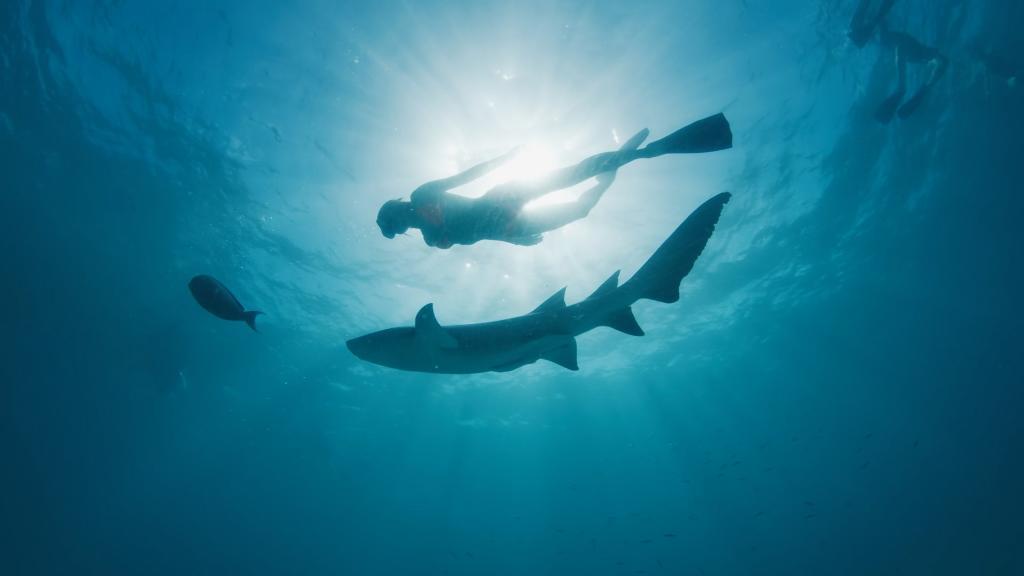
El misterio del instructor de buceo muerto en las Maldivas: apareció en una cámara distinta a la de las otras cuatro víctimas El cuerpo de Gianluca Benedetti será trasladado a Italia en la noche de este lunes Leer
elmundo · 2 days ago
Polyaigos: The Untouched Greek Island With Waters More Tropical Than the Caribbean Polyaigos, the largest uninhabited Cycladic island of Greece, is one of the Aegeans last remaining wild landscapes. Set between Kimolos and Milos, it is known for its turquoise waters, white-sand coves, sea caves, rare wildlife, and rugged coastline untouched by large-scale development. Just over one nautical mile southeast of Kimolos and 3.8 nautical miles east […]
greek reporter · 2 days ago
Un turista español muere ahogado mientras practicaba surf en las islas Maldivas El hombre de 53 años murió cerca del atolón de Gaafu Dhaalu, en el sur de las islas Maldivas. Leer
elmundo · 2 days ago

Experts locate bodies of four missing Italian divers inside Maldives cave Spokesperson for Indian Ocean island nation says they will try and recover explorers in next couple of daysRescuers have located the bodies of four Italian divers deep inside an underwater cave in an atoll in the Maldives, four days after they were reported missing.Searches had resumed after being suspended following the death of a local military diver during a perilous mission to try to reach them. Continue reading...
theguardian · 3 days ago