
Germanys new-car market surges as nearly half more fully electric vehicles register in first half

Germany’s new-car market surged in the first half of 2026 as nearly 50 % more fully electric vehicles rolled off forecourts, official registration data show, driven by a revived federal purchase incentive that took effect at the start of the year.
Registrations of battery-electric passenger cars jumped to 193 000 units between January and June, up from 130 000 in the same period of 2025, according to provisional figures released on 3 July by the Federal Motor Transport Authority (KBA) and cited by the *Handelsblatt* . Industry analysts attribute the leap to the re-introduced Umweltbonus, which now offers up to €4 500 for private buyers and €3 000 for corporate fleets, and to a broader easing of supply-chain bottlenecks that had constrained deliveries in late 2025.
The surge contrasts with the overall passenger-car market, which grew only 3.2 % to 1.3 million units, indicating that the subsidy is steering demand specifically toward zero-emission models. Volkswagen’s ID.3 and ID.4 families led the segment, while Tesla’s Berlin Gigafactory ramped up local production, shipping 28 000 vehicles in the first six months—more than double the 2025 pace.
The shift arrives as Brussels finalises stricter CO₂ targets for 2027, requiring an average 45 % reduction in fleet emissions compared with 2021 levels. “The incentive has closed the price gap with combustion models for mainstream buyers,” said Ferdinand Dudenhöffer, director of the Center Automotive Research at the University of Duisburg-Essen. “Manufacturers are now prioritising BEV allocations to Germany to lock in the subsidies before they phase out again in December 2026.”
Environmental groups cautiously welcomed the uptick but warned that the current subsidy framework disproportionately benefits higher-income households. “We need a rapid expansion of affordable public charging and a bonus that rewards lower-income drivers,” said Barbara Metz, deputy executive director of Deutsche Umwelthilfe.
The government has not yet announced whether the programme will be extended beyond its current December sunset. With the EU’s 2035 internal-combustion phase-out looming, Berlin’s short-term incentive is shaping up as a decisive bridge to mass-market electrification.
Follow us for live European news
- 4
- 2
- 2
- 2
- 1
- 1
- 1
- 1
- 1
- 1
- 1
- 1
4 further sources not geolocated
Articles

Key data on the Dublin system in 2025 In 2025, EU countries sent 111 708 outgoing requests to transfer the responsibility to examine asylum applications to other EU countries and implemented 16 620 outgoing transfers. Compared with the previous year, this represents a decrease of 26 in requests (151 830 in 2024) and a 1 decrease i...
eurostat · about 2 hours ago
Έρευνα του ΟΟΣΑ για το brain gain στην Ελλάδα: Αυξάνονται οι επιστροφές από το εξωτερικό -Τι ισχύει με τη διασπορά Η μελέτη προσφέρει μια ολοκληρωμένη εικόνα της ελληνικής διασποράς στα κράτη μέλη του ΟΟΣΑ, χαρτογραφώντας τις μεταναστευτικές τάσεις των τελευταίων δεκαετιών και αναδεικνύοντας τα δημογραφικά, εκπαιδευτικά και επαγγελματικά χαρακτηριστικά των Ελλήνων που ζουν και εργάζονται στο εξωτερικό
protothema · about 3 hours ago
Antalet personer som dött på jobbet har minskat i år Personer som dött på grund av olyckor på jobbet har minskat under januari till juni i år, jämfört med samma period förra året.
sverigesradio · about 3 hours ago

La inversión de 6.200 millones a dependencia reducirá la lista de espera en 70.000 personas El ministerio de Pablo Bustinduy calcula que esa partida extra incrementará en 417.000 usuarios el número de dependientes que entrarán en el sistema
la vanguardia · about 3 hours ago

Waarom Amsterdammers zich minder thuisvoelen in de stad: Het kan ook anders, zoals in New York
parool · about 3 hours ago
Niedrigster Stand seit 1990: Zahl der Adoptionen in Deutschland sinkt weiter – außer bei einem Familienmodell 2025 wurden in Deutschland so wenige Kinder adoptiert wie zuletzt im Jahr der deutschen Wiedervereinigung. Der Rückgang betrifft allerdings längst nicht alle Familienkonstellationen.
tagesspiegel · about 3 hours ago
Asylzahlen: Deutlich weniger Menschen beantragen in Deutschland Asyl In Europa kommen seit dem vergangenen Jahr weniger Asylsuchende an. Auch in Deutschland ist die Zahl derjenigen, die neu Schutz beantragen, im ersten Halbjahr gesunken.
handelsblatt · about 3 hours ago
Neuzulassungen: Fast 50 Prozent mehr neue Elektroautos im ersten Halbjahr Die Nachfrage nach Elektroautos hat im ersten Halbjahr deutlich zugelegt - wohl auch aufgrund einer Bundesförderung.
handelsblatt · about 3 hours ago
Nu ljusnar det för tjänstemännen Färre tjänstemän sägs upp, och det ser ut vara lite lättare för den som förlorat jobbet att få ett nytt. Färska siffror från TRR visar på en ljusning.
svenska dagbladet · about 3 hours ago
Croatians Remain EU Record Holders For Remaining Living With Parents July the 3rd, 2026 – Croatians remain the EU record holders for remaining living with their parents and relatives the longest, but even the Germans are beginning to remain at home longer. Young people across Europe are increasingly staying and living in the family home longer, with the average age of leaving parents households rising ... Read more The post Croatians Remain EU Record Holders For Remaining Living With Parents appeared first on Total Croatia.
total croatia news · about 3 hours ago

Far fewer people applying for asylum in Germany
news.yahoo.com · about 3 hours ago

Fewer Americans are dying than ever — and experts point to a key factor for the stunning annual drop Provisional CDC data shows the US mortality rate fell 4.6 percent to a record low, even as respiratory illnesses surged
independent · about 3 hours ago
Study finds distribution center growth in Netherlands outpaces migrant housing supply Municipalities in the Netherlands are not factoring migrant worker housing into the expansion of distribution centers, according to
nltimes.nl · about 3 hours ago
Data protection rules slow LLM rollout in Europe, study says
gdeltproject.org · about 3 hours ago
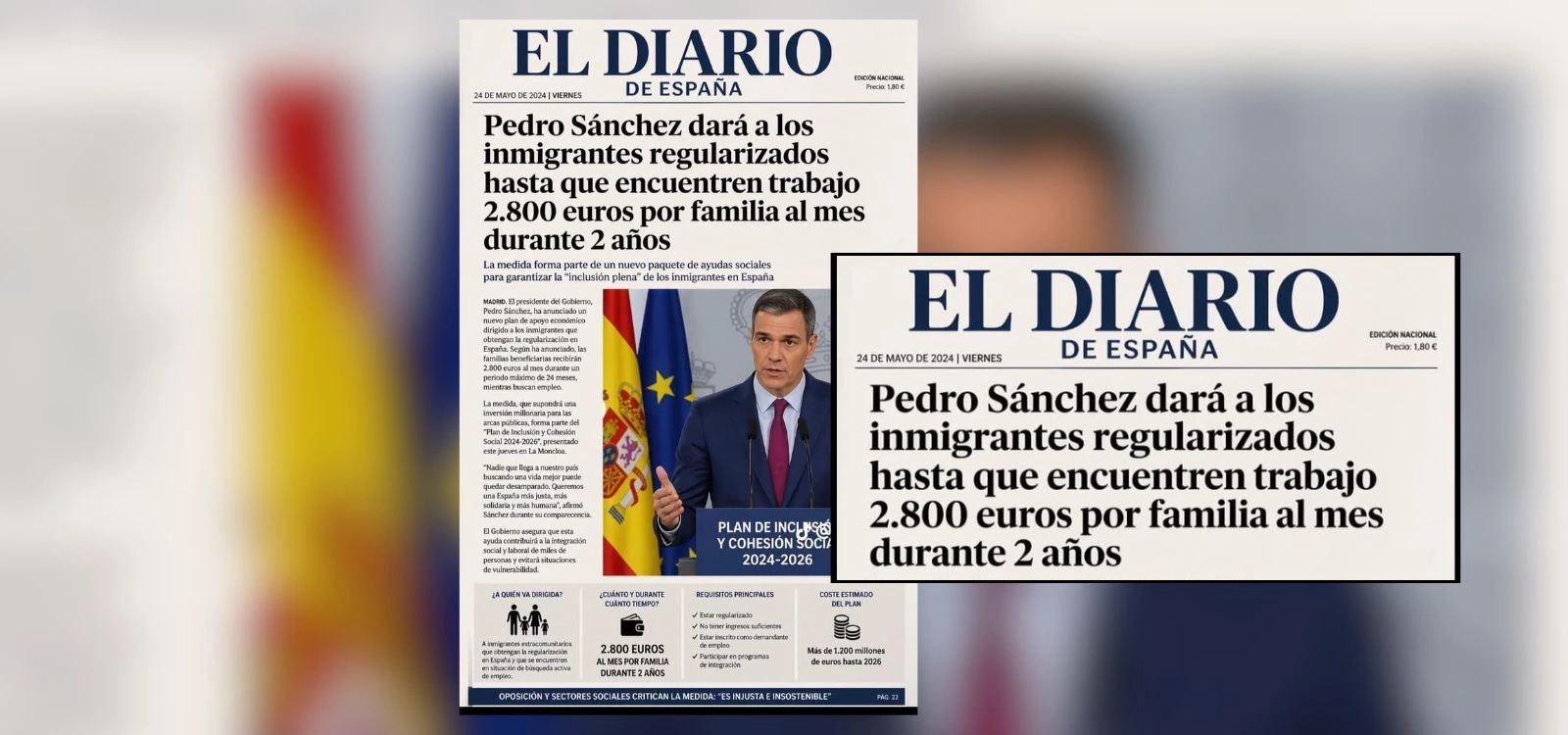
Cuidado con los contenidos que dicen que Sánchez dará 2.800 euros al mes durante dos años a inmigrantes regularizados: no hay rastro de esa ayuda En España, las personas migrantes pueden acceder a determinadas prestaciones o recursos públicos en función de su situación administrativa y de vulnerabilidad, como el Ingreso Mínimo Vital, que exige residencia legal mínima de un año, ayudas autonómicas o municipales, ayudas en el marco de la atención humanitaria o recursos del sistema de acogida para protección internacional.
maldita · about 3 hours ago
381 neue Deutsche: Zahl der Einbürgerungen in Potsdam steigt In 13 Einbürgerungsfeiern wurden dieses Jahr bis Ende Juni 381 Menschen aus 56 Herkunftsstaaten in Potsdam eingebürgert. Das sind deutlich mehr als in den Jahren zuvor.
tagesspiegel · about 3 hours ago
Elektroautos: Fast 50 Prozent mehr neue Elektroautos im ersten Halbjahr Die Nachfrage nach Elektroautos hat im ersten Halbjahr deutlich zugelegt – wohl auch aufgrund einer Bundesförderung. Die Wachstumsraten sind letztes Jahr eingebrochen.
handelsblatt · about 3 hours ago
Digitale Unabhängigkeit: Mecklenburg-Vorpommern will weniger Microsoft wagen Über 50.000 Beschäftigte sollen bald mit neuen, quelloffenen Systemen arbeiten. Auch Nachbar Schleswig-Holstein will digital unabhängiger werden. mehr...
taz.de · about 3 hours ago
Ministerul Finanțelor a dat startul unei noi ediții FIDELIS. Ce dobânzi oferă statul pentru economiile românilor Ministerul Finanțelor a lansat vineri, 3 iulie, cea de-a șaptea ediție a programului FIDELIS din acest an, prin care persoanele fizice rezidente și nerezidente cu vârsta de peste 18 ani pot investi în titluri de stat denominate în lei și în euro. Subscrierile pot fi realizate până pe 10 iulie 2026.
digi24 · about 3 hours ago

13.248 Kandidaten stellten sich Medizin-Aufnahmetest für 1950 Plätze Damit gibt es um knapp 1000 Bewerberinnen und Bewerber mehr als im Vorjahr. Die Bewerbungen für Zahnmedizin stiegen signifikant
der standard · about 3 hours ago
Junija število brezposelnih najnižje po letu 1990 Upadanje brezposelnosti se je nadaljevalo tudi junija, število registriranih brezposelnih pa je doseglo novo najnižjo raven po letu 1990. Konec meseca je bilo prijavljenih 42. 245 brezposelnih, kar je 0,4 odstotka manj kot junija lani.
rtv slovenia · about 3 hours ago
Advokater kritiska mot ny asyllag Den 12 juli införs nya asylregler. Asylsökande ska inte längre få ett offentligt biträde, alltså en jurist som kan vara med under tiden man söker asyl. Istället ska asylsökande bara få några timmars juridisk rådgivning.
sverigesradio · about 3 hours ago
MApN a redus cu 25 cheltuielile pentru deplasările externe. Radu Miruță: „Așa ar trebui să funcționeze orice instituție publică Cheltuielile totale ale MApN pentru deplasările externe au scăzut, în prima parte a lui 2026, cu aproximativ 25 faţă de aceeaşi perioadă a anului trecut, a anunțat ministrul Apărării Radu Miruţă, care a precizat că suma economisită se ridică la aproape opt milioane de lei.
digi24 · about 3 hours ago

Irelands curlew population to be boosted by imported eggs Number of breeding curlews in Ireland has dropped by an estimated 98 since 1980s
irish times · about 3 hours ago
Sverige får beröm när världen snålar på bistånd Finansieringen av humanitär hjälp för några av världens värsta flyktingkriser ligger på rekordlåga nivåer när halva 2026 passerat. Men Sverige sticker ut när solidariteten i världen minskar.– Sverige fördelar alltid hjälpen utifrån humanitära behov, säger norska Flyktninghjelpens generalsekreterare Jan Egeland.
svenska dagbladet · about 3 hours ago
Hyresutbudet krympte – så påverkas priset Den som letat efter en lägenhet i andrahand kan ha fått leta ordentligt. Under årets första halvår sjönk utbudet kraftigt i storstäderna. Men nu införs nya regler som väntas få fler bostäder på marknaden.
svenska dagbladet · about 3 hours ago
Medizin-Aufnahmetest: 13.248 Kandidaten rittern um 1950 Plätze Heuer stehen 50 Plätze mehr zur Verfügung als 2025. Stark zugenommen hat das Interesse für Zahnmedizin. In Wien ging die Zahl der Bewerber aus Deutschland zurück.
die presse · about 3 hours ago
Migration: Zahl der Asylanträge sinkt deutlich Knapp 40.000 Menschen haben in Deutschland im ersten Halbjahr einen Erstantrag auf Asyl gestellt. Das war mehr als ein Drittel weniger als noch ein Jahr zuvor.
die zeit · about 3 hours ago
Foreigners now account for 15 of Warsaws population Among major Polish cities, Wrocław had the highest proportion of foreign residents, at 19.5.
notes from poland · about 3 hours ago