
North Korea expands nuclear arsenal and military intelligence operations against South Korea
North Korea announced on Friday a sweeping expansion of its nuclear arsenal and a radical intensification of military intelligence operations against South Korea, marking a decisive escalation in its confrontation with Seoul and the international community.
In a statement carried by the state-run Korean Central News Agency (KCNA), the ruling Workers’ Party’s Central Military Commission declared that Pyongyang would “bolster its nuclear force both in quality and quantity,” while significantly expanding the role of its General Reconnaissance and Intelligence Bureau, the military intelligence agency responsible for operations targeting South Korea. The measures were adopted during an enlarged meeting of the commission on Thursday, KCNA reported.
The announcement follows repeated rejections by North Korea of South Korean President Lee Jae-myung’s peace overtures, with Pyongyang labeling Seoul its “most hostile” adversary and declaring itself an “irreversible” nuclear state. The decision underscores a fundamental shift in North Korea’s posture, treating the two Koreas as “two hostile states” rather than parties bound by the 1953 armistice, according to Hong Min, a senior researcher at the Korea Institute for National Unification.
“Military reconnaissance takes on a different meaning under a state-to-state approach,” Hong told AFP. “Intelligence activities targeting another sovereign state can carry diplomatic implications.”
The General Reconnaissance and Intelligence Bureau, described by KCNA as playing a “pivotal role in controlling potential enemies’ threats and gathering key information,” will see its functions and missions “broadly expanded,” with a focus on enhancing its “capability of military reconnaissance and intelligence activities in a radical way.” Analysts suggest the move is part of a broader strategy to gather intelligence and acquire advanced military technology, including surveillance satellites, in exchange for the troops North Korea has deployed to support Russia’s war in Ukraine.
North Korea remains under extensive international sanctions over its nuclear program, and the two Koreas remain technically at war, as their 1950–53 conflict ended without a formal peace treaty. The latest announcement comes amid deepening ties between Pyongyang and Moscow, highlighted by the ongoing construction of a new road bridge across the Tumen River, a symbol of the growing strategic partnership between the two countries.
Satellite imagery reviewed by *The Wall Street Journal* also revealed extensive renovations to at least nine of North Korean leader Kim Jong-un’s luxury compounds, suggesting a renewed focus on internal consolidation alongside external military posturing.
The timing of the announcement, just days after North Korea’s military commission meeting, signals a deliberate and coordinated escalation in both nuclear development and espionage capabilities. The move is expected to heighten tensions on the Korean Peninsula and draw swift responses from regional allies, including the United States and Japan, which have long warned against further North Korean provocations.
With no immediate indication of diplomatic de-escalation, the international community now faces the prospect of a more assertive and militarized North Korea, determined to assert its nuclear status and expand its intelligence operations against the South.
Follow us for live European news
- 3
- 1
- 1
- 1
- 1
3 further sources not geolocated
Articles
Nordkorea beschloss Ausbau seines Atomwaffenarsenals Machthaber Kim Jong Un fordert Modernisierung des Militärs. Er will "quantitativ und qualitativ" die Möglichkeiten mit Atomwaffen erweiteren
der standard · about 3 hours ago

NKorea plans to bolster nuclear force, expand spying activities in SKorea in radical way North Korea plans to boost its nuclear force both in quality and quantity, state media reported on Friday, citing a decision from a military commission meeting. The country also plans to bolster its spying activities in South Korea in a radical way.
france24 · about 3 hours ago
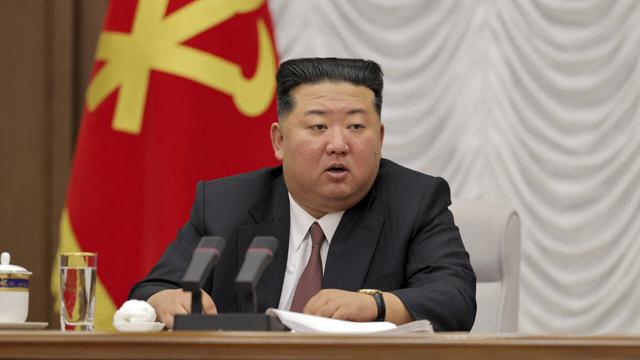
⚡ NEWSNorth Korea vows boost to nuclear buildup and military intelligenceNorth Korea state media announced plans to strengthen its nuclear force in both quality and quantity. The regime also intends to expand the role of its military intelligence agency focused on South Korea, signaling an escalation in regional military posturing.📰 #Military #Geopolitics #GeoWire
mastodon bot · about 3 hours ago

Cest le week-end en Corée du Nord, on fait quoi ? AU PAYS DE KIM JONG-UN (5/6) - Un cinéma ? Une virée en bord de mer ? Que nenni : en Corée du Nord, le samedi cest autocritique ! Rose, qui a quitté le pays en 2019, se remémore les mornes journées de week-end passées à recopier les discours des dirigeants. Loccasion de découvrir aussi comment les Nord-Coréens, à défaut de repos, font tout pour ne pas se tuer au travail.
courrier international · about 3 hours ago
Entre Moscou et Pyongyang, un pont de la nouvelle amitié sur le fleuve Tumen Depuis 2023, la Corée du Nord et la Russie ont effectué un rapprochement éclair. Kim Jong-un et Vladimir Poutine multiplient les rencontres et les échanges entre Moscou et Pyongyang sintensifient. Une proximité matérialisée par lapparition dun pont routier entre les deux pays, mais dont la mise en service se fait toujours attendre.
rfi.fr · about 3 hours ago
North Korea vows boost to nuclear buildup, military intelligence North Korea will strengthen its nuclear force "both in quality and quantity" and expand the role of its military intelligence agency focused on South Korea, state media said Friday.
france24 · about 3 hours ago
🇰🇵⚡️ — The DPRK has decided to significantly strengthen its nuclear forces, both in quality and quantity, according to the KCNA. @Intelslava
telegram_Intel Slava · about 3 hours ago

Kim Jong Uns Summer Project: Renovating His Mansions Satellite imagery reveals upgrades to at least nine of the North Korean dictators luxury compounds.
wsj · about 3 hours ago
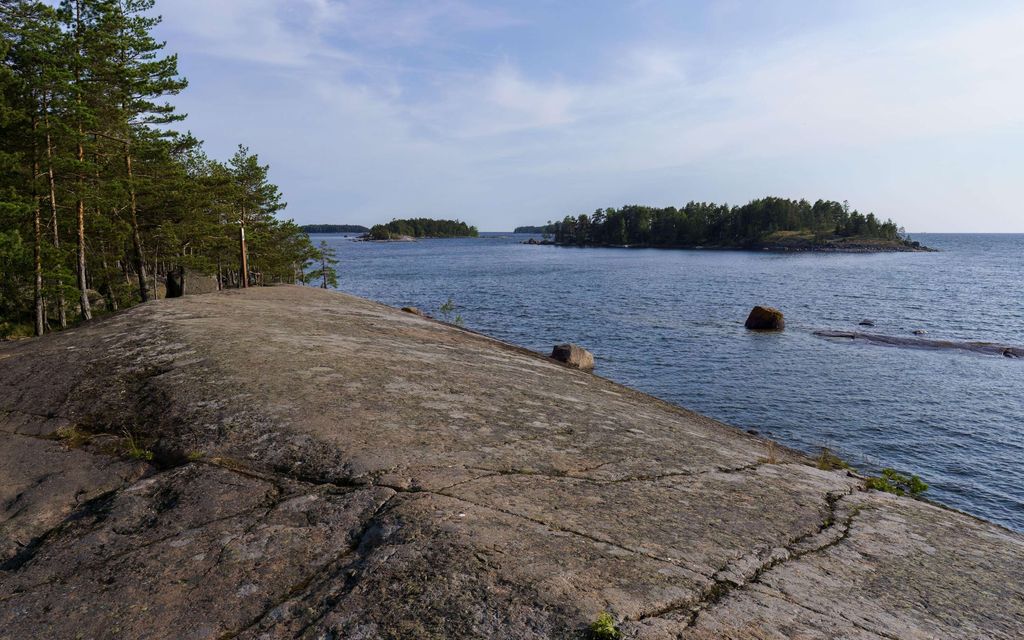
Puolustusvoimat tekivät taas toimenpiteitä Suomenlahdella – Tässä syy
iltalehti · about 5 hours ago
Verwaltung im Norden: Kämpfer: Staatliche Strukturen müssen auf den «Prüfstand»
die zeit · about 5 hours ago
North Koreas Missiles: What You Need to KnowExplore North Koreas missiles program: the latest launches, tech specs, and what these tests mean for regional security. Read more here. #WorldNews #ForeignPolicy
mastodon bot · about 7 hours ago

North Korea decides on measures to expand nuclear forces, KCNA reports reut.rs/4pfOReT
bluesky_Reuters · about 7 hours ago
🇮🇷🇺🇸⚡️ — The IRGC Aerospace Force has released footage showing the launch of medium-range ballistic missiles, including Kheibar Shekan, targeting U.S. bases in the region. @IntelSlava
telegram_Intel Slava · about 7 hours ago