 Thursday, May 21Thursday, May 21
The UK government has relaxed sanctions on Russian oil, allowing the temporary import of Russian crude and refined products such as jet fuel and diesel, particularly from third countries like India and Türkiye. The decision, effective from 20 May 2026, is framed as a response to rising fuel costs and supply concerns, exacerbated by the blockade of the Strait of Hormuz amid regional conflicts. The trade licence permitting these imports will be reviewed periodically but remains indefinite for now .
The move has drawn sharp criticism from Ukraine, with officials warning it could provide Russia with additional funds to sustain its war efforts. A Ukrainian MP described the decision as undermining the UK’s friendship with Ukraine, suggesting it signals that "everything can be bought" . Kyiv has sought clarification from UK diplomats, indicating active but tense communication between the two governments . Analysts argue the policy shift will "kill Ukrainians" by bolstering Russia’s financial capacity to wage war, while also damaging the UK’s international reputation .
Prime Minister Keir Starmer has defended the decision, claiming it is part of a broader sanctions package that maintains pressure on Russia. However, the announcement has been widely condemned as "clumsy" and poorly communicated, with critics accusing the government of prioritising domestic fuel shortages over Ukraine’s security . The EU has reaffirmed its commitment to maintaining strict sanctions, with discussions underway among G7 allies to potentially ban maritime services for Russian oil tankers—a measure the UK’s recent decision may complicate .
The policy change also reflects the UK’s growing reliance on fuel imports, particularly as global oil buffers shrink due to geopolitical tensions. Unlike the EU, which has not signaled similar measures, the UK’s decision has sparked political backlash, with opposition parties calling it "insane" and demanding increased North Sea drilling to reduce dependence on foreign oil . Starmer has coupled the sanctions easing with domestic measures, such as scrapping a planned fuel duty rise and introducing a 12-month road tax holiday for hauliers, to mitigate public backlash .

UK struggles to reassure Ukraine after easing new sanctions on Russian oil Diplomats mount salvage operation after clumsy announcement upsets KyivThe UK was last night desperately trying to reassure Kyiv its new sanctions policy on Russia did not weaken restrictions, after Ukrainian officials warned the change could help Moscow fund its war efforts.While Downing Street insisted the decision to allow the temporary import of Russian oil and jet fuel was only one element of a tougher overall sanctions package, a British minister conceded that the matter had been handled clumsily. Continue reading...
theguardian · about 20 hours ago
.jpeg?width=1200&auto=webp&trim=0%2C435%2C0%2C435)
Ukrainian MP says lifting sanctions on Russian oil puts question mark over friendship with UK The Ukrainian MP said the decision told Russia that everything can be bought and everything is at sale
independent · about 23 hours ago
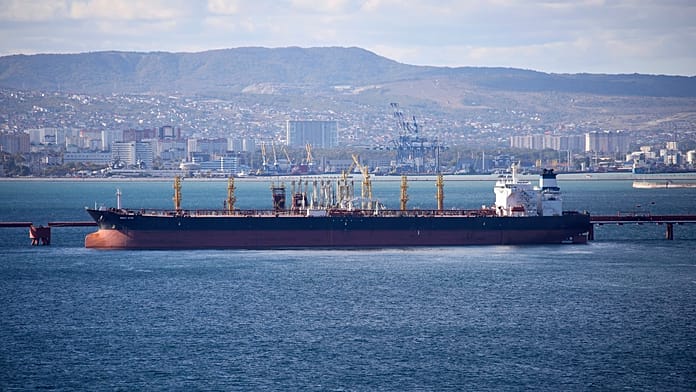
EU vows to stand firm on Russia as UK scrambles to explain sanctions decision Brussels is testing the waters with G7 allies to introduce a full ban on maritime services for Russian oil tankers. But recent decisions taken by the US and the UK suggest an uphill struggle to secure the green light.
euronews · about 24 hours ago

This is why easing Russias oil sanctions is a gut punch to Ukraine The PMs decision to ease oil sanctions on Russia will kill Ukrainians and enfeeble Britain, and is a stain on the national reputation, writes world affairs editor Sam Kiley, who has spent more than 11 years covering the region
independent · 1 day ago
The Kremlin will now have more money to kill Britains allies in Ukraine The PMs decision to ease oil sanctions on Russia will kill Ukrainians, enfeeble Britain, and is a stain on the national reputation, writes world affairs editor Sam Kiley, who has spent more than two years covering the conflict
independent · 1 day ago

UK waters down new Russian oil sanctions as fuel prices rise The change reflects increasing supply concerns over certain fuels due to the effective blockade of the Strait of Hormuz.
bbc · 1 day ago
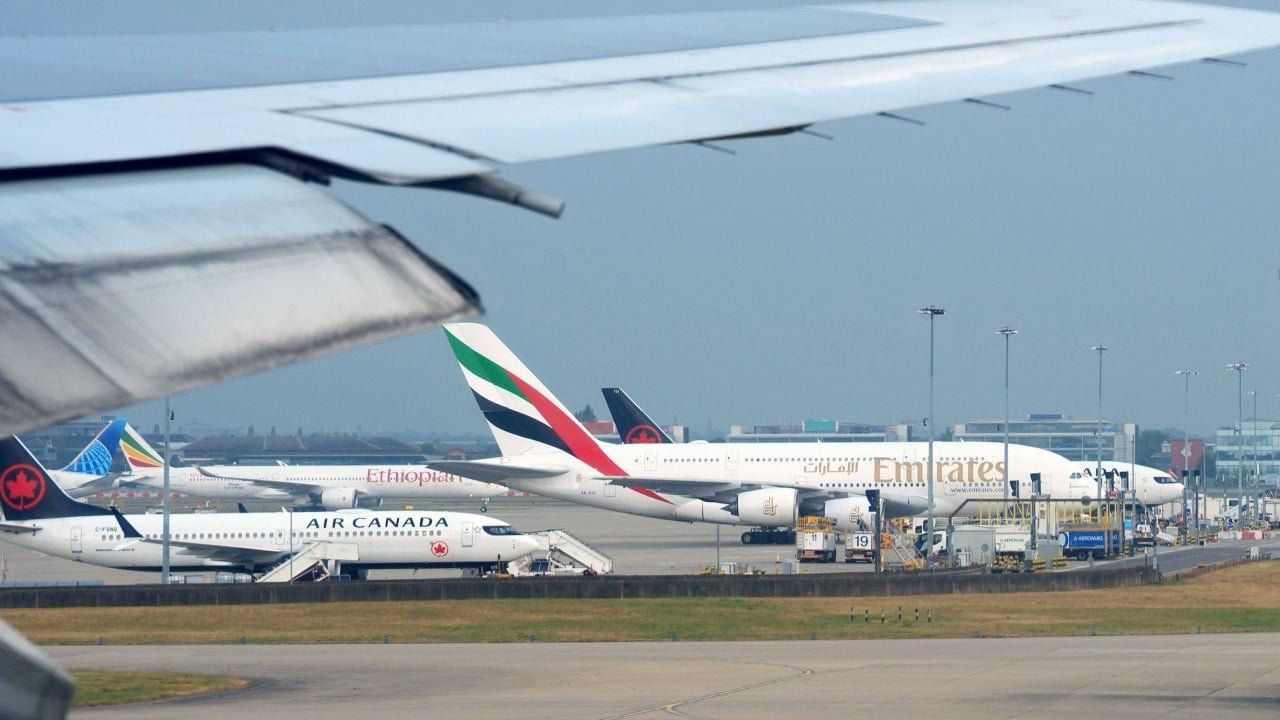
Fuel-thirsty UK relaxes Russian oil sanctions, leaving Ukrainians very let down The UK moved to loosen its Russian sanctions in a controversial move aimed at preventing shortages of diesel and jet fuel, as the war in Iran eats into global oil buffers. The move highlights how Britain has become more reliant on fuel imports than other major European nations, and has prompted political backlash over the governments commitment to support Ukraine. The European Union is not currently planning a similar measure, according to people with knowledge of the matter, who asked not to...
south china morning post · 1 day ago
UK relaxes strict sanctions on Russian crude as oil costs soar Decision to allow import of jet fuel and diesel refined in third countries is criticised by Tories as insaneThe UK government has relaxed strict sanctions on Russian crude oil, allowing for the import of jet fuel and diesel refined in third countries amid surging costs.A trade licence that came into effect on Wednesday permits the imports indefinitely and will be reviewed periodically. It comes at a time of growing concerns over the supply of certain fuels owing to the de facto blockade of the strait of Hormuz since the start of the US-Israeli war with Iran. Continue reading...
theguardian · 1 day ago
UK eases sanctions on Russian oil imports as fuel prices soar The move will allow the UK to import Russian crude oil refined in third countries, such as India and Turkiye.
aljazeera · 1 day ago