 Thursday, May 21Thursday, May 21
The U.S. Senate has abandoned efforts to pass a $70 billion funding bill for U.S. Immigration and Customs Enforcement (ICE) and border patrol after Republican lawmakers revolted over two controversial provisions tied to President Donald Trump: a $1 billion allocation for security measures at Trump’s White House ballroom and a $1.776 billion "anti-weaponization fund." The bill, initially set to pass by a 1 June deadline, was derailed during a heated two-hour meeting with acting Attorney General Todd Blanche, with senators criticizing the additions as poorly timed and politically toxic .
Republican senators, including Lisa Murkowski (R-Alaska) and Ron Johnson (R-Wisc.), condemned the anti-weaponization fund as a "galactic blunder," while others, such as Bill Cassidy (R-La.), questioned its necessity. Cassidy, who lost his primary in what was described as part of Trump’s "revenge tour," also opposed the ballroom funding, arguing it risked alienating voters ahead of midterm elections. The backlash led Senate Republicans to strip both provisions from the bill, leaving the ICE funding package in limbo as lawmakers adjourned for the Memorial Day recess .
The anti-weaponization fund, created as part of a settlement in Trump’s $10 billion lawsuit against the IRS over leaked tax documents, has drawn sharp criticism from Democrats and legal experts. The fund, described as a "slush fund," would be controlled by commissioners appointed by Trump’s attorney general and could distribute payouts to Trump allies, including potential beneficiaries of pardons related to the January 6 Capitol riot. The fund’s operations would be largely secretive, with no public reporting requirements, and any remaining funds would revert to the federal government upon Trump’s departure from office. Democrats argue the fund is designed to reward political allies and undermine accountability for conservative figures prosecuted during the Biden administration .
Trump has defended the ballroom security funding as a "very good expenditure," despite the lack of transparency surrounding the request. Senate Democratic leader Chuck Schumer criticized the Republican budget process as chaotic, accusing the GOP of broken promises and internal divisions over the bill’s contents. The collapse of the funding deal underscores broader tensions within the Republican Party over Trump’s influence and priorities .

US Senate wont take up ICE funding bill amid row over Trumps ballroom, which president defends as very good expenditure – live President claims I dont need money for the ballroom as Senate Republicans move to ditch $1bn funding plan amid fears of alienating votersSign up for the Breaking News US emailSenate Democratic leader Chuck Schumer, House Democratic leader Hakeem Jeffries and other Democrats spoke held a news conference, ahead of the vote-a-rama Thursday morning.The Republican agenda is one big broken promise, said Schumer, criticizing the Republican budget bill. We still havent seen the bill, because they are fighting with each other.Trump v Cook: Donald Trumps case for firing Federal Reserve governor Lisa Cook, as he continues to exert greater control over the US central bank.Trump v Slaughter: A case which examines the legality of Trumps firing of a Federal Trade Commission (FTC) member, Rebecca Slaughter.Trump v Barbara: In which the court will decide if the administrations attempts to restrict birthright citizenship are unconstitutional. Continue reading...
theguardian · about 3 hours ago

US Senate refuses to push through ICE funding amid row over Trumps ballroom Senate will not pass the $70bn legislation ahead of a 1 June deadline set by Trump ahead of the Memorial Day recessA bid to restore funding to US Immigration and Customs Enforcement (ICE) and border patrol has been derailed by rows over a $1bn proposal for security measures tied to Donald Trumps White House ballroom and controversial plans to create a $1.8bn anti-weaponization fund.The US Senate will not pass the $70bn legislation ahead of a 1 June deadline set by the US president, Republican senators told reporters on Thursday, as lawmakers leave Washington for the Memorial Day recess. Continue reading...
theguardian · about 4 hours ago
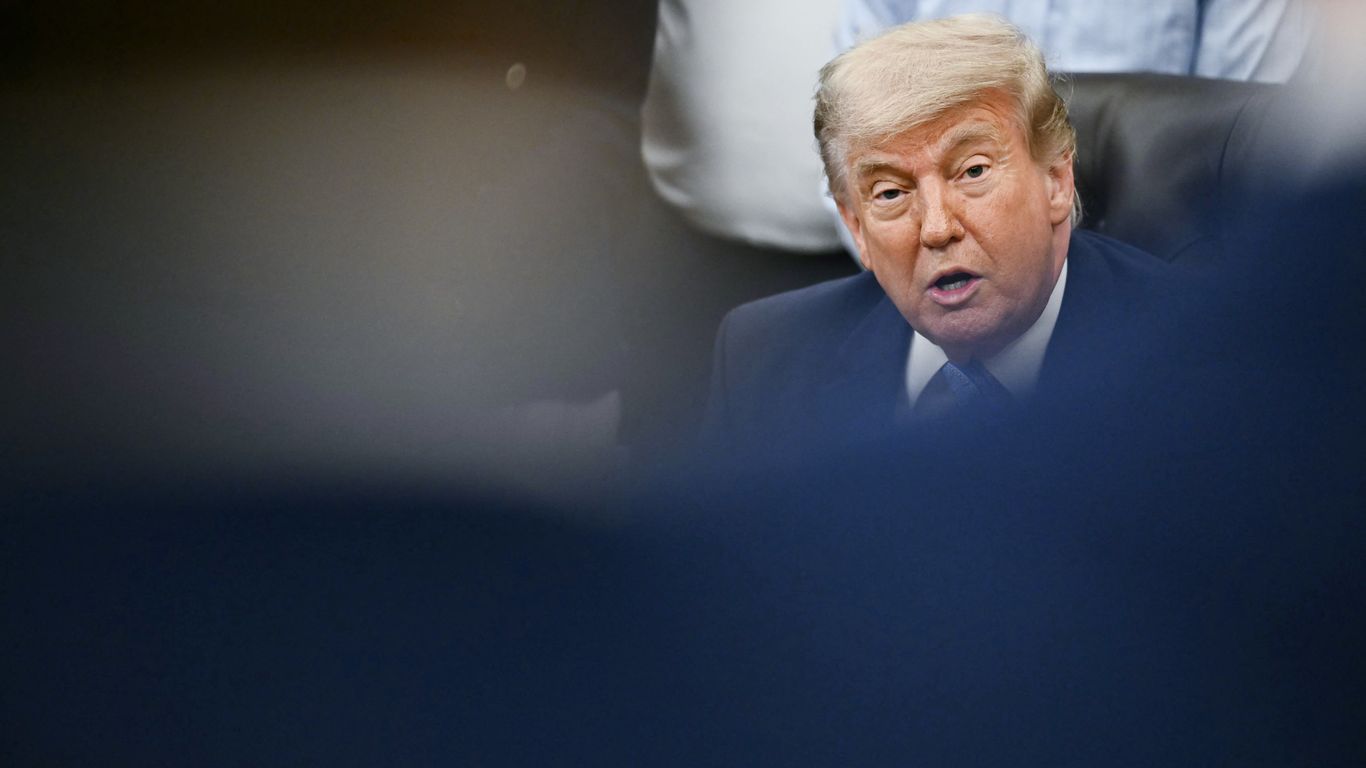
Trumps anti-weaponization fund torpedoes ICE funding deal $72 billion in funding for ICE and Border Patrol is now in limbo after GOP senators revolted against President Trumps $1.776B anti-weaponization fund on Thursday.Why it matters: The fund was dropped like a bomb in the middle of a pretty well planned out reconciliation bill, Sen. Lisa Murkowski (R-Alaska) told reporters.The package for ICE and Border Patrol funding was on track to pass by the weekend.But senators left town without voting on Thursday after a heated two-hour meeting with acting Attorney General Todd Blanche.Somebody described it as a galactic blunder, and I think thats probably true, Sen. Ron Johnson (R-Wisc.) told CNN.The bottom line: Im not sure the fund should exist, said Sen. Bill Cassidy, who lost his Louisiana GOP primary on Saturday as part of Trumps revenge tour.
axios · about 4 hours ago
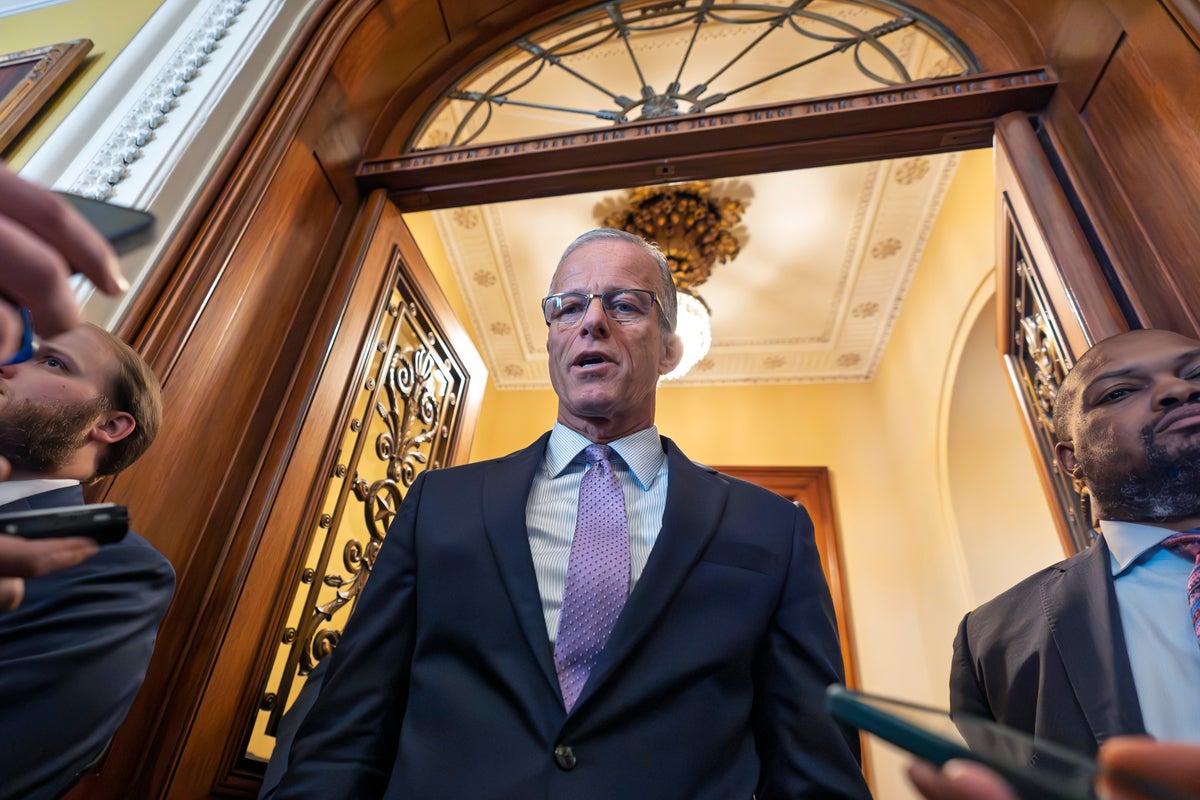
Controversy over Trump ballroom and $1.8B slush fund sends Senate running for the hills Republicans leave town with no legislative text or plan for reconciliation bill to fund Trumps deportation plans or ballroom dream
independent · about 4 hours ago

Trumps egregious deal with his own justice department Anti-lawfare fund could offer payouts to presidents allies and Capitol rioters
financial times · about 5 hours ago
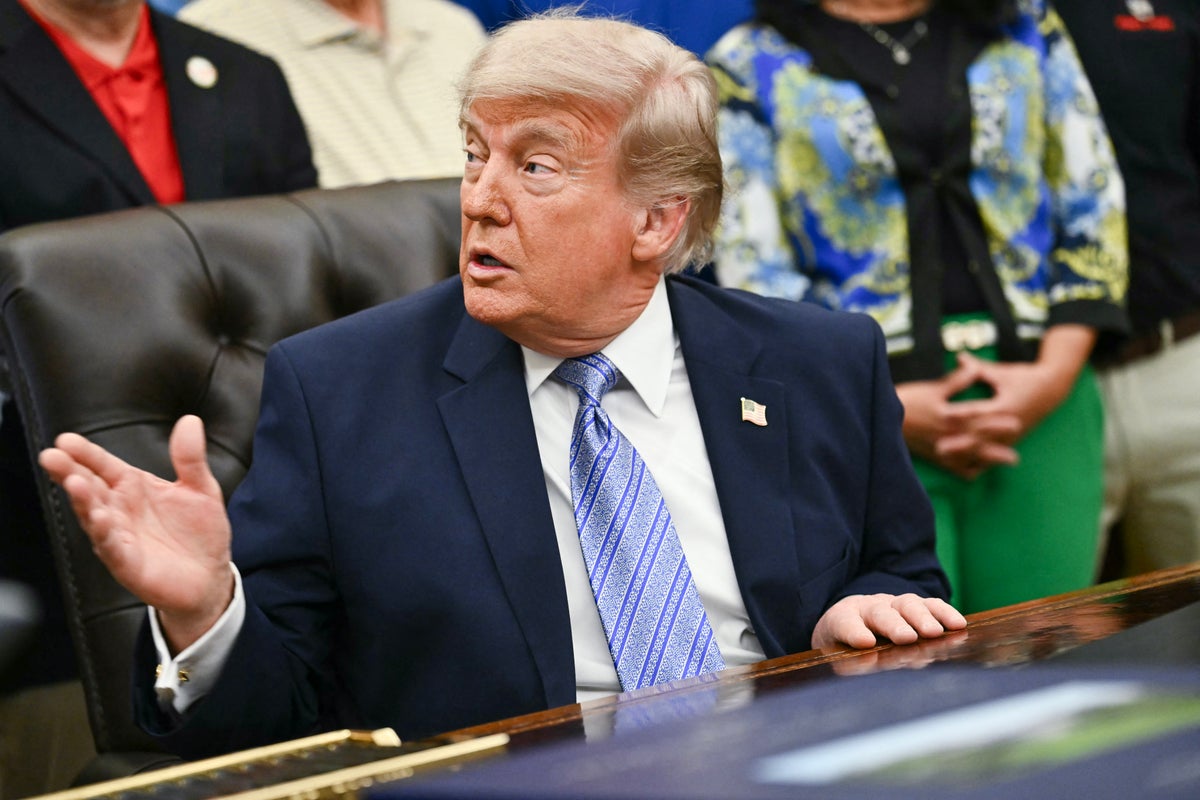
Trump says he doesnt know if hes losing control of the Senate after pushback over $1B for ballroom security Senators are poised to strip out his requested $1 billion for the White House ballroom from a border security funding bill
independent · about 6 hours ago
Senate Republicans expected to ditch $1bn funding plan for Trumps ballroom Top Republicans fear diverting taxpayer dollars toward the White House ballroom will alienate voters before midtermsSenate Republican leaders are expected to ditch a $1bn proposal for security measures tied to Donald Trumps White House ballroom following a backlash from members of their own party.Under pressure from Trump, top Republican lawmakers tried to latch the proposal on to a roughly $70bn bill to restore funding to US Immigration and Customs Enforcement (ICE) and the border patrol. Continue reading...
theguardian · about 7 hours ago
Whats Trumps anti-weaponisation fund and why are legal experts alarmed? Democrats argue that the fund will be used to compensate January 6 rioters pardoned by Trump.
aljazeera · about 9 hours ago

Trump has created a slush fund of taxpayer money to give to his friends | Moira Donegan The Anti-Weaponization Fund is an extraordinary example of bald self-dealingDonald Trump is stealing almost $2bn in taxpayer money and handing it out to his friends. Thats the upshot of the presidents recent agreement following a $10bn lawsuit he brought in his personal capacity against the IRS, an agency that he oversees. Trump brought the suit over leaks of some documents from his tax returns to the press. To resolve the suit, the justice department will create a fund of nearly $1.8bn – a wildly outsized figure compared with Trumps somewhat flimsily alleged injuries – that can be doled out to Trump allies. The Guardian describes the fund as loosely controlled and secretive, but members of the Trump administration have not ruled out January 6 insurrectionists as possible awardees.The so-called Anti-Weaponization Fund will be administered by four commissioners appointed by Trumps attorney general and one appointed in consultation with congressional leadership – Trump, who can fire the commissioners, will have ultimate control. It will have the authority to issue formal apologies for alleged mistreatment of conservative political actors by previous administrations – ie, those few who were prosecuted or sued during the Biden era. When Trump leaves office, any remaining money will not be available for his successor to use similarly, but will instead be distributed back to the federal government. But I doubt that there will be any remaining money. We may never know either way: there is no requirement that the funds work be made public, and required reports to the attorney general on its conduct are to be confidential. In addition to the creation of this massive slush fund, the agreement also requires that the IRS drop all audits of Trump and his family.Moira Donegan is a Guardian US columnist Continue reading...
theguardian · about 10 hours ago
Dirty deal: Trump bailed himself out of IRS trouble and got a $1.8B slush fund for allies. Legal experts sound the alarm Anyone cutting checks to Trumps allies or throwing out tax investigations should start lawyering up, experts tell Alex Woodward
independent · about 11 hours ago

Republicans could abandon $1bn proposal for Trumps ballroom – US politics live Republican senators have queried the timing and lack of detail in secret service bid to add money to the Department for Homeland security billHello and welcome to the US politics live blog.Senate Republicans could strip Donald Trumps lavish White House ballroom complex from the Department of Homeland Security funding bill after members queried the timing and lack of detail in the $1bn Secret Service request.The US issued a federal criminal indictment against Raúl Castro, Cubas former president, potentially paving the way for a US military raid to capture him.Two police officers attacked by rioters at the US Capitol during the January 6 riot sued Donald Trump over plans to create a $1.776bn anti-weaponization fund.Brian Fitzpatrick, a Republican congressman from a Philadelphia-area district carried by Kamala Harris in 2024, pledged on Wednesday to try to kill the $1.776bn slush fund created by Donald Trumps Department of Justice this week, which could be used to compensate rioters who tried to keep Trump in office after he lost the 2020 election.Republican senator Bill Cassidy denounced two of Trumps passion projects: $1bn in taxpayer funding for the White House ballroom the president cant stop talking about, and the $1.776bn slush fund he plans to use to reward supporters who stormed the Capitol to try to keep him in office despite losing the 2020 election.A former federal prosecutor in Florida pleaded not guilty on Wednesday to charges that she illegally emailed herself a copy of the unreleased special counsel report on Trumps mishandling of classified documents. Continue reading...
theguardian · about 11 hours ago