Loading…
 Saturday, August 29Saturday, August 29
2 months · 3 summary articles
Thousands mourn as Iran begins six-day state funeral for Supreme Leader Khamenei
Thousands mourn as Iran begins six-day state funeral for Supreme Leader Khamenei
Thousands mourn as Iran begins six-day state funeral for late Supreme Leader Khamenei
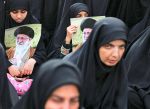
Thousands of mourners filled the streets of Tehran on Saturday as Iran began six days of state funeral ceremonies for Supreme Leader Ayatollah Ali Khamenei, killed in a US-Israeli airstrike on 28 February at the outbreak of the war. The capital’s vast Imam Khomeini Mosalla Grand Mosque became the epicentre of a historic farewell, with authorities estimating between 15 and 20 million people would pass through the capital alone during the week-long rites.
Footage broadcast by Iranian state television showed crowds surrounding Khamenei’s glass-encased coffin, weeping, chanting “Revenge, revenge!” and “Death to America, death to Israel,” while others beat their chests in traditional Shia mourning. Banners bearing the face of Khamenei’s son and successor, Ayatollah Mojtaba Khamenei, were prominently displayed, though the new leader has yet to appear in public since his appointment in March. A large red banner read “Kill Trump,” reflecting the widespread anger at Washington over the airstrike that killed the 86-year-old cleric and several family members, including his three-year-old granddaughter.
Iranian officials opened more than 5,000 schools and tens of thousands of classrooms across the country to accommodate the pilgrims, while foreign delegations from over 100 countries attended a closed ceremony on Friday. Among those present were the prime ministers of Pakistan and Armenia, the presidents of Iraq, Tajikistan and Georgia, and representatives from Russia, China, Syria, Lebanon and Saudi Arabia. The presence of Gulf states was notably limited, with only Qatar and Oman sending official representatives, underscoring the regional tensions that persist despite the fragile ceasefire in place since mid-June.
The funeral processions will move through Tehran until Monday, then proceed to the holy city of Qom, cross into Iraq, and conclude on 9 July with burial in Mashhad, Khamenei’s birthplace and home to the shrine of the eighth Shia imam. Iranian authorities have imposed tight security measures, including a 1.5-kilometre security perimeter around the Mosalla complex, restricted airspace over Tehran, and deployed tens of thousands of police officers. State media framed the event as both a religious commemoration and a defiant show of national unity, timed to coincide with the first ten days of Muharram and the United States’ Independence Day.
Analysts note that the scale of the ceremonies—expected to surpass the ten million mourners who attended the funeral of revolutionary founder Ayatollah Ruhollah Khomeini in 1989—serves a dual purpose: to project continuity under Mojtaba Khamenei and to mask the regime’s internal fractures. Public discontent over economic hardship and the violent suppression of protests in January, which human rights groups say left over 7,000 dead, remains palpable. Yet the outpouring of grief and calls for vengeance suggest the leadership has succeeded in rallying a significant segment of the population around the narrative of martyrdom and resistance.
Iran’s warnings to Washington and Jerusalem that any provocations during the funeral would be met with a “harsh response” underscored the high stakes. The week-long rites unfold against a backdrop of sporadic clashes along the Gulf, where a US-led maritime security initiative involving Oman and European powers seeks to stabilise shipping lanes after months of disruption. As the world watches, Tehran’s leadership appears determined to turn grief into a display of defiance, ensuring that Khamenei’s death is framed not as an end, but as a rallying cry for the Islamic Republic’s future.
Follow us for live European news
4 further sources not geolocated
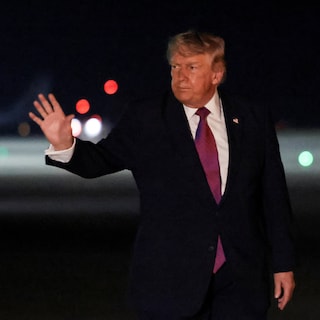
Live - Trump beweert dat Iran niet kan wachten om akkoord te sluiten • Lijkkist Iraanse oud-leider Ali Khamenei onthuld bij begin van dagenlange uitvaart
de morgen · about 2 months ago

Iran, al via il funerale dellayatollah Khamenei: durerà sette giorni. Folla oceanica in piazza a Teheran: Morte agli Usa Larticolo Iran, al via il funerale dellayatollah Khamenei: durerà sette giorni. Folla oceanica in piazza a Teheran: Morte agli Usa proviene da Il Fatto Quotidiano.
il fatto quotidiano · about 2 months ago
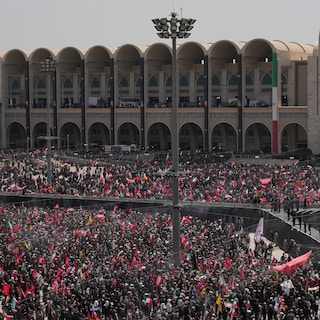
Lange rijen bij uitvaart ayatollah Khamenei
trouw · about 2 months ago

Iran Begins Khameneis Funeral in Show of Defiance Against the U.S. Authorities predict 20 million people will attend six days of ceremonies to mourn the supreme leader killed in the war with Israel and the U.S.
wsj · about 2 months ago
15 million people expected to attend former supreme leaders funeral Mourners thronged a vast prayer complex in Tehran on Saturday as the week-long funeral ceremonies of Iranian Supreme Leader Ayatollah Ali Khamenei began with the national anthem, religious eulogies and readings from the Koran. 15 million people are expected to attend the former leaders funeral, according to Iranian authorities, FRANCE 24s Reza Sayah said, reporting from Tehran, adding that the event would take place also in neighbouring Iraq.
france24 · about 2 months ago
Iran media: US pressure kept 13 countries away from Khamenei funeral
gdeltproject.org · about 2 months ago
Iranians mourn as Khamenei funeral ceremonies begin Large crowds gathered in Tehran as Iran began six days of funeral ceremonies for late Supreme Leader Ali Khamenei, who was killed during the US-Israeli conflict.
euronews · about 2 months ago

🟠 UPDATEFuneral ceremonies for Ayatollah Ali Khamenei begin in TehranFuneral procession ends with burial in Mashhad; ceremonies span multiple cities beyond Tehran.📰 #Geopolitics #GeoWire
mastodon bot · about 2 months ago

Iranians flock to week-long funeral rites for Khamenei reut.rs/4oZUUDX
bluesky_Reuters · about 2 months ago
Millions mourn Irans Ali Khamenei amid historic funeral procession Mourners pack Tehran streets for Khameneis funeral, with ceremonies spanning cities and ending in Mashhad burial.
aljazeera · about 2 months ago
![Natanz Strike: US Bombs Iran Nuclear Facility [2026]US bombers hit Irans Natanz nuclear enrichment facility with bunker-penetrating bombs. Iran retaliates with missiles at Diego Garcia. Full analysis. #WorldNews #ForeignPolicy](https://files.mastodon.social/cache/preview_cards/images/186/488/679/original/b856bf7786343e5e.webp)
Natanz Strike: US Bombs Iran Nuclear Facility [2026]US bombers hit Irans Natanz nuclear enrichment facility with bunker-penetrating bombs. Iran retaliates with missiles at Diego Garcia. Full analysis. #WorldNews #ForeignPolicy
mastodon bot · about 2 months ago
Den store dagen er kommet: – Han risikerer å bli skutt TEHERAN, IRAN: Ayatolla Ali Khamenei ble drept på dag én da USA og Israel gikk til krig 28. februar.
aftenposten · about 2 months ago
Spelet bakom attacken – så dödades ayatollan CIA hade spårat ayatolla Ali Khamenei i månader. Israel hackade övervakningskameror och slog ut telefonmaster mitt i Teheran.Så gick det till när ayatollan dödades.
svenska dagbladet · about 2 months ago
+++ Iran-Krieg +++: Iran beginnt öffentliche Trauerfeiern für Chamenei Schiffsverkehr in der Straße von Hormus erholt sich +++ USA und Iran beenden Gespräche +++ Katar: Weitere Gespräche so bald wie möglich +++ Der Newsblog.
handelsblatt · about 2 months ago
Trump: US paused Iran talks to let Khamenei funeral proceed President Donald Trump said the US paused negotiations with Iran to allow for the late Supreme Leader Ali Khameneis funeral, claiming Tehran is dying to settle. Speaking at Mount Rushmore for the US independence anniversary, he also warned against communism and touted Americas military strength.
yenisafak · about 2 months ago
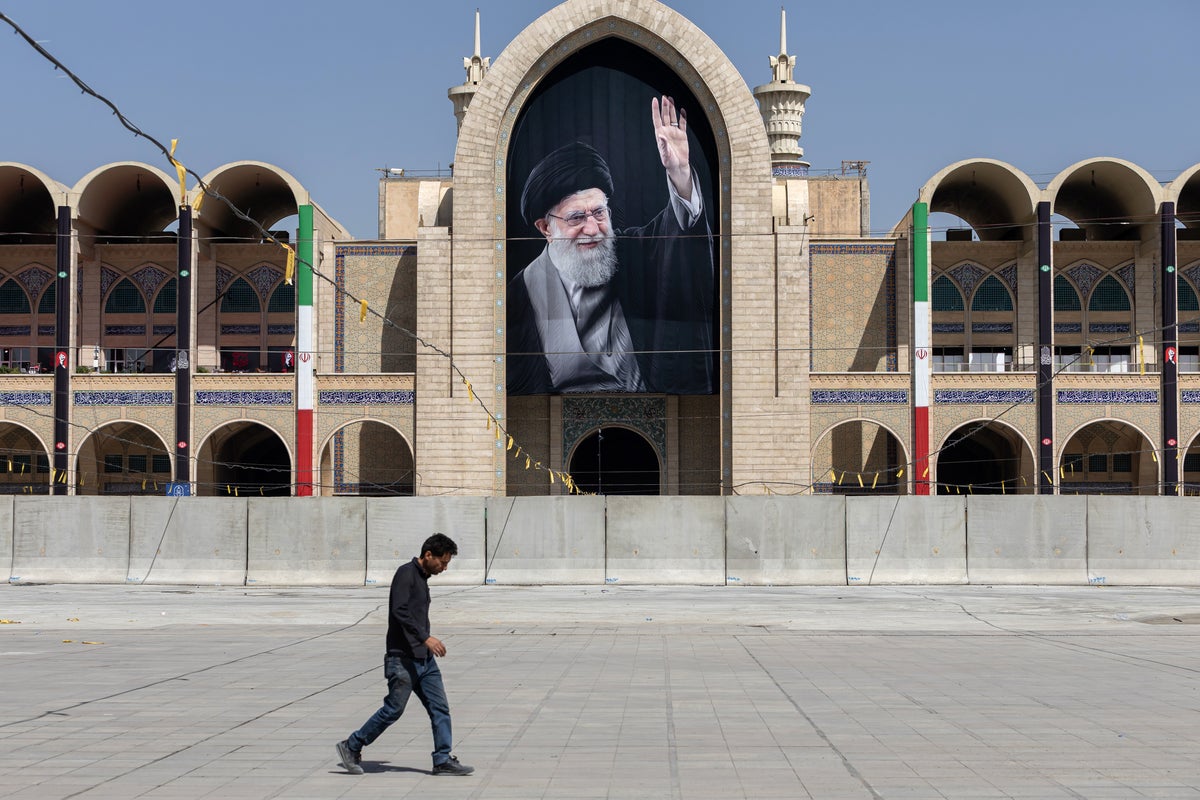
How Iran will try to use Khameneis funeral to hide cracks in regime Iran is keen to present a unified front for the late supreme leaders funeral, even as analysts warn support for the clerical leadership is waning, writes James C. Reynolds
independent · about 2 months ago
India Joins World Leaders in Tehran for Funeral of Former Iran Supreme Leader Khamenei
gdeltproject.org · about 2 months ago
Iran Begins Dayslong Funeral For Khamenei Amid Tight Security As the US-Israeli war with Iran continues to impact and shape the region, journalists from RFE/RLs Central Newsroom and Iranian service, Radio Farda, deliver ongoing updates and analysis.
radio free europe · about 2 months ago
⚡️ Iran begins dayslong funeral for Supreme Leader Ayatollah Ali Khamenei, months after airstrike killed him at wars start 💧 Rainbet.com the #1 Non-KYC Crypto Casino & Sportsbook @rainbetcom +18
telegram_War Monitors · about 2 months ago
⚡️ Iran unveils casket of late Supreme Leader Ayatollah Ali Khamenei in glass case before weeping mourners in Tehran 💧 Rainbet.com the #1 Non-KYC Crypto Casino & Sportsbook @rainbetcom +18
telegram_War Monitors · about 2 months ago
⚡️More from the Funeral of Khamenei 💧 Rainbet.com the #1 Non-KYC Crypto Casino & Sportsbook @rainbetcom +18
telegram_War Monitors · about 2 months ago

Quatro meses depois, começa o funeral de Ali Khamenei Milhões de fiéis são esperados na homenagem de cinco dias ao líder supremo do Irão e respetiva família, mortos no ataque dos EUA ao país no fim de fevereiro. Trump afirma que "rebentou com o Irão".
observador · about 2 months ago
Body of late Iranian Supreme Leader Khamenei brought to Tehran farewell Thousands of mourners gathered in Tehran late Thursday as the body of Supreme Leader Ali Khamenei was brought to a farewell ceremony, kicking off a week-long series of funeral rites that will move through Qom and Iraq before concluding with his burial in Mashhad on July 9.
yenisafak · about 2 months ago
Türkiyes VP Yilmaz meets Irans Pezeshkian in Tehran Türkiyes Vice President Cevdet Yilmaz met Iranian President Masoud Pezeshkian in Tehran on Friday to attend funeral ceremonies for late Supreme Leader Ali Khamenei, saying Ankara "deeply shares the pain" of the Iranian people and pledging to support regional stability efforts.
yenisafak · about 2 months ago
Foreign leaders arrive in Tehran as Khamenei funeral begins Official delegations from several countries, including Pakistan, Iraq, Armenia, and Tajikistan, have arrived in Tehran for the funeral ceremonies of former Supreme Leader Ali Khamenei, who was killed in a US-Israeli strike in February. The week-long funeral will span multiple cities in Iran and Iraq, culminating in burial in Mashhad.
yenisafak · about 2 months ago
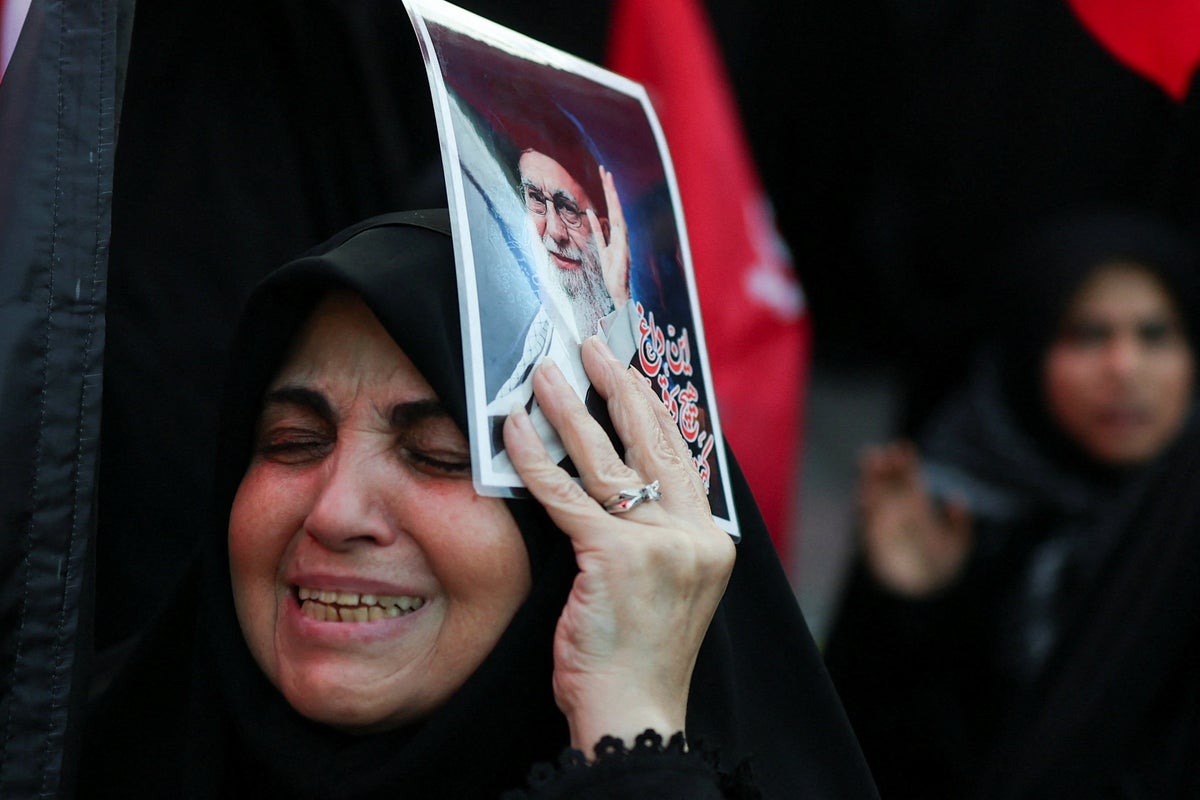
Iran-US war latest: Mourners gather as six-day funeral for former supreme leader Ali Khamenei starts in Tehran Iran warned the US and Israel that any attacks during the public funeral would be met with a harsh retaliation
independent · about 2 months ago
Iran: We will not allow US interference in Hormuz Parliament Speaker Mohammad Bagher Qalibaf has declared that Iran will not permit any US interference in the Strait of Hormuz. During a meeting with a senior Chinese delegation in Tehran, he also warned that Israel is seeking to undermine the Iran-US memorandum of understanding.
yenisafak · about 2 months ago
Turkish VP attends state funeral for Irans late Supreme Leader Khamenei Vice President Cevdet Yılmaz attended the state ceremony in Tehran for Irans late Supreme Leader Ali Khamenei, who was killed in a US-Israeli attack in February. Yılmaz was joined by Turkish lawmakers and diplomats at the Imam Khomeini Mosalla Mosque.
yenisafak · about 2 months ago
Öffentliche Trauerfeier für Khamenei in Teheran begonnen Khameneis Leichnam liegt in Teheran aufgebahrt. Am Donnerstag soll der oberste Führer in seiner Heimatstadt Mashhad beigesetzt werden
der standard · about 2 months ago
Scholar, revolutionary, statesman, leader: How Imam Khamenei shaped the course of modern Iran
gdeltproject.org · about 2 months ago