
Western fears of Islamization surge as Iran war reshapes global power
Western fears of global Islamization intensify as geopolitical crises reshape power structures
The specter of a rapidly "Islamizing world" has become a central preoccupation in Western political and cultural discourse, with analysts and policymakers framing it as both a strategic threat and a narrative battleground. This anxiety now intersects with escalating conflicts in the Middle East, where the Iran war and its economic fallout are accelerating shifts in global power dynamics, according to multiple reports published this week.
Turkish columnist Yusuf Kaplan argues in *Yeni Şafak* that Western elites are actively working to "demonize Islam" and sever Muslims' ties to their faith through initiatives like "moderate Islam" projects, which he claims are designed to "distance Islam from life" . The piece, titled *"What frightens Westerners: the danger of the 'Islamization of the world'!"*, asserts that secular Western culture is in existential retreat, with its post-WWII dominance eroding under the pressure of rising Islamic influence. Kaplan’s claims align with broader Turkish state narratives, including President Recep Tayyip Erdoğan’s recent commemoration of the 1453 Ottoman conquest of Istanbul, which he framed as a historic triumph of Islamic civilization over Christendom .
The Iran war has become a flashpoint in this ideological struggle, with its economic and military repercussions rippling across Europe. Austria’s *Die Presse* reports that the conflict has triggered an energy shock, stifling real wage recovery and deepening frustration among workers and businesses . The crisis has also exposed vulnerabilities in global infrastructure, particularly undersea internet cables in the Strait of Hormuz, which *The Independent* warns could be targeted, disrupting financial systems and critical communications . Al Jazeera adds that even if the strait reopens, conditional access may permanently erode global confidence in the region’s stability .
Meanwhile, censorship in conflict zones like Gaza and Mali is amplifying propaganda, *Le Monde* reports, as governments restrict media access to control narratives . This information vacuum allows competing visions of Islam’s role in global affairs to dominate unchallenged, further polarizing public opinion.
The geopolitical realignment extends beyond the Middle East. *Yeni Şafak* columnist Yahya Bostan argues that the post-WWII order has collapsed, with frozen conflicts like Cyprus and the Aegean being "closed" on terms dictated by rising powers—implicitly including Turkey and its allies . This shift, he claims, marks the "birth pangs of a new order," where Western unipolarity is giving way to a multipolar world shaped by competing civilizational blocs.
Against this backdrop, Western governments are increasingly framing Islamization as both a cultural and security threat. The debate remains highly polarized, with critics accusing Western elites of scapegoating Islam to justify military interventions and domestic surveillance, while proponents argue that unchecked Islamic influence could undermine secular liberal democracies. As the Iran war drags on and economic instability spreads, the clash of narratives is likely to intensify, with Turkey positioning itself as a leader of an alternative Islamic world order.
- le monde
- aljazeera
- independent
- die presse
Articles

Die Löhne sinken und niemandem hilfts [premium] Der durch den Iran-Krieg ausgelöste Energieschock würgt die Erholung der Reallöhne ab. Auch in Österreich. Beschäftigte und Unternehmen sind gleichermaßen frustriert. Denn das macht uns weder reicher noch wettbewerbsfähiger.
die presse · 7 days ago
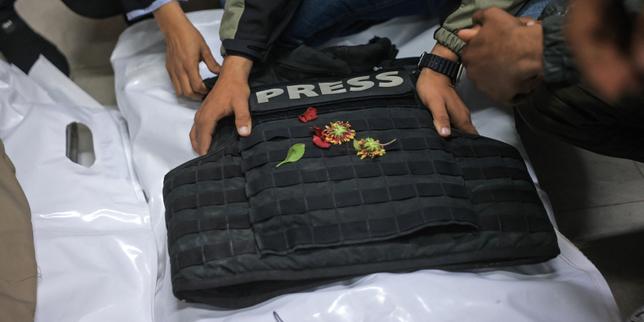
Gaza, Iran, Mali: The dangers of the worlds rapidly shrinking media access Several global hotspots are locked down by those in power, who, eager to impose their own narrative, keep journalists from witnessing events as they unfold. This censorship is a boon for propagandists.
le monde · 7 days ago
The strait may reopen, but global confidence may not return The next phase of the Strait of Hormuz crisis may be defined less by its closure than by conditional access.
aljazeera · 7 days ago
One way or another… The Aegean and Cyprus files will also be closed Whatever crises we are experiencing today are all products of the old world… The order established after World War II has collapsed. Americas unipolar world dreams, with its end of history thesis, have been ground between the harsh gears of reality. What we are experiencing today are the birth pangs of a new order. All frozen files from the old era are being opened one by one. Those with power are trying to close these files within the framework of their own national security interests before
yenisafak · 7 days ago
What frightens Westerners: the danger of the "Islamization of the world"! In a world where everything is interconnected, the most fundamental thing that frightens Westerners is the fear that the world might rapidly become Islamized. That is why Westerners foreground their concern to demonize Islam and to cripple Muslims relationship with Islam through projects like "moderate Islam," and to distance Islam from life. THE TRUTH THAT FRIGHTENS WESTERNERS! The fundamental thing that frightens Westerners is that secular Western culture and the experience it has produced have
yenisafak · 7 days ago
Turkish president marks 573rd anniversary of Istanbul conquest, praises Fatih Sultan Mehmet President Recep Tayyip Erdogan on Friday commemorated the 573rd anniversary of the Ottoman conquest of Istanbul, describing the 1453 victory as a transformation that brought light and security to the historic metropolis while honoring Sultan Mehmed II as the commander who achieved the feat at age 21.
yenisafak · 7 days ago
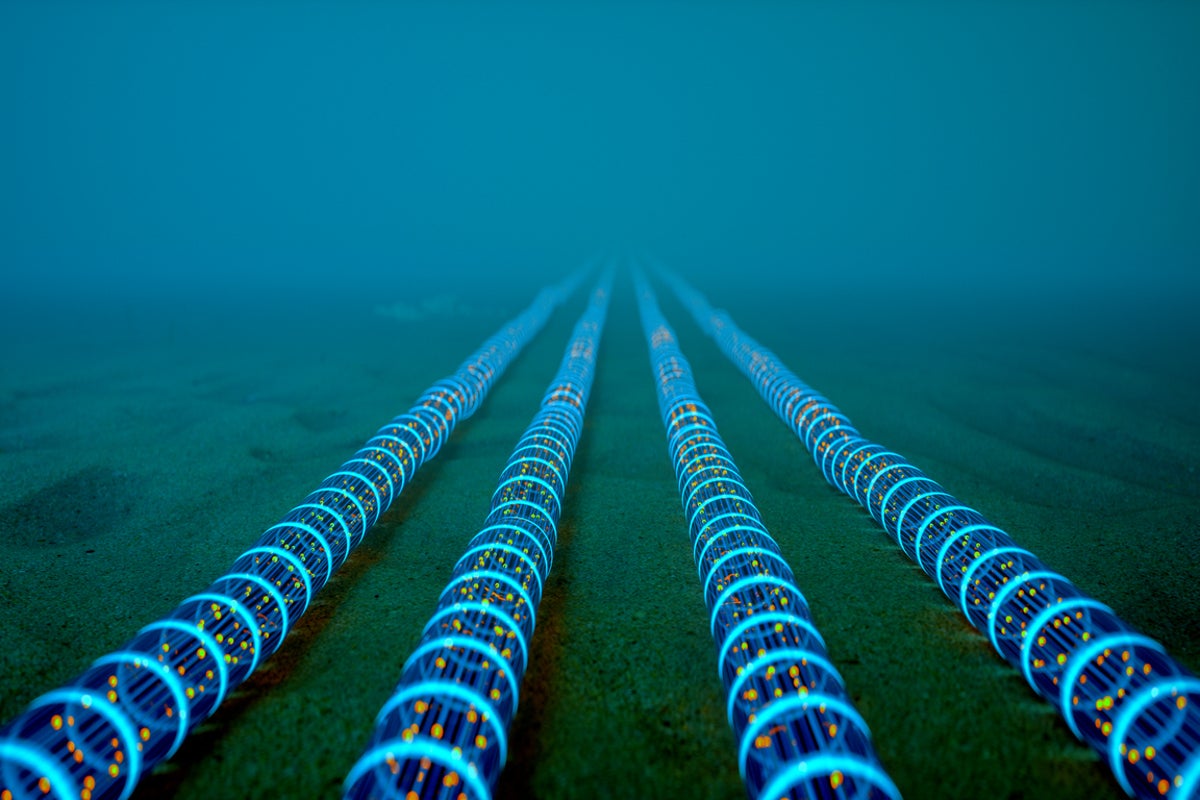
As Iran war threatens undersea cables in the Strait of Hormuz, is it time to rethink the internet? Undersea internet cables form the backbone of all worldwide connectivity, enabling bank transfers, messaging, and critical services to function. But as global conflicts threaten crucial chokepoints through which they run, how can the critical cables be protected? Alex Croft reports
independent · 7 days ago
Turkish producer launches FIFA 2026 bullion for Türkiyes World Cup return Nadir Metal said on Friday it will release a special collection of gold and silver bullion to commemorate Türkiyes return to the FIFA World Cup in 2026, marking the Crescent-Stars first appearance in the tournament since 2002 and offering investors officially licensed products featuring iconic national symbols.
yenisafak · 7 days ago