
CDU leader proposes stripping far-right AfD figure of voting rights

CDU’s Jens Spahn proposes stripping far-right AfD leader Björn Höcke of voting rights
Berlin — Jens Spahn, leader of the Christian Democratic Union (CDU) parliamentary group, has proposed stripping far-right Alternative for Germany (AfD) leader Björn Höcke of his passive voting rights, a move that would bar him from holding elected office. Speaking on the *Focus* podcast *Machtmenschen* on Friday, Spahn suggested exploring legal avenues to remove Höcke’s eligibility, stating: *“Everyone always talks about ban proceedings. How about we just try a procedure and see if we can strip someone like him—an extreme right-winger—of their active and passive voting rights.”*
Höcke, who leads the AfD in Thuringia, has been convicted twice by the Halle Regional Court for using a banned SA slogan. The Thuringian AfD has been classified as definitively right-wing extremist by the state’s Office for the Protection of the Constitution since 2021. Spahn’s proposal follows calls from former SPD Finance Minister Peer Steinbrück in mid-June to strip individual AfD figures of their passive voting rights, including Höcke. Bavarian CSU leaders have also signaled openness to partial ban proceedings, though party chief Markus Söder has repeatedly rejected a full ban on the AfD as a party.
Spahn’s remarks underscore the CDU’s growing unease with the AfD’s influence, particularly amid concerns over Höcke’s ties to foreign actors. *“Anyone who works for Putin, spies for China, or uses extremist and radical language—we distance ourselves from them, politically, substantively, and personally,”* Spahn said. His comments reflect a broader shift within Germany’s political establishment to counter the far right through legal and rhetorical means rather than relying solely on constitutional challenges.
The proposal comes as Germany grapples with the AfD’s rising poll numbers and its normalization in some regional debates. While a full AfD ban remains unlikely due to high legal hurdles, Spahn’s suggestion signals a willingness to target individual figures seen as threats to democratic norms. The move also aligns with growing pressure on mainstream parties to draw clearer red lines against far-right participation in governance.
Follow us for live European news
- 6
- 2
- 1
- 1
- 1
- 1
- 1
- 1
- 1
2 further sources not geolocated
Articles
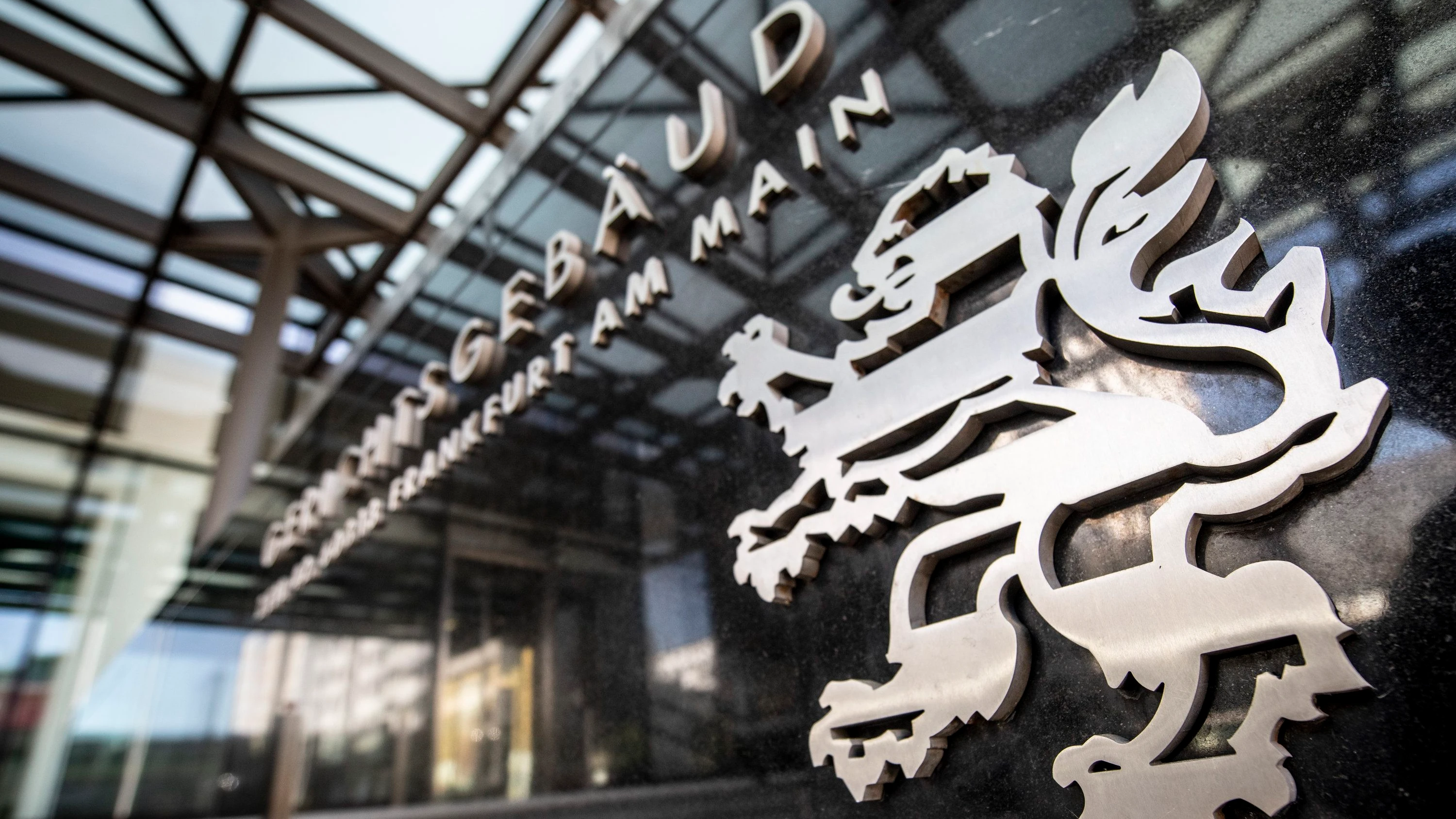
Frankfurt: Oberlandesgericht: Mehr Belastung und mehr KI Künstliche Intelligenz, überlastete Staatsschutzsenate und ein schwindendes Vertrauen in den Rechtsstaat: Das Oberlandesgericht Frankfurt stellt sich mehreren Herausforderungen.
faz · about 2 hours ago

Former Conservative minister Ann Widdecombe dies aged 78 MP was a fervent supporter of Brexit and held ministerial roles in John Majors government
financial times · about 2 hours ago
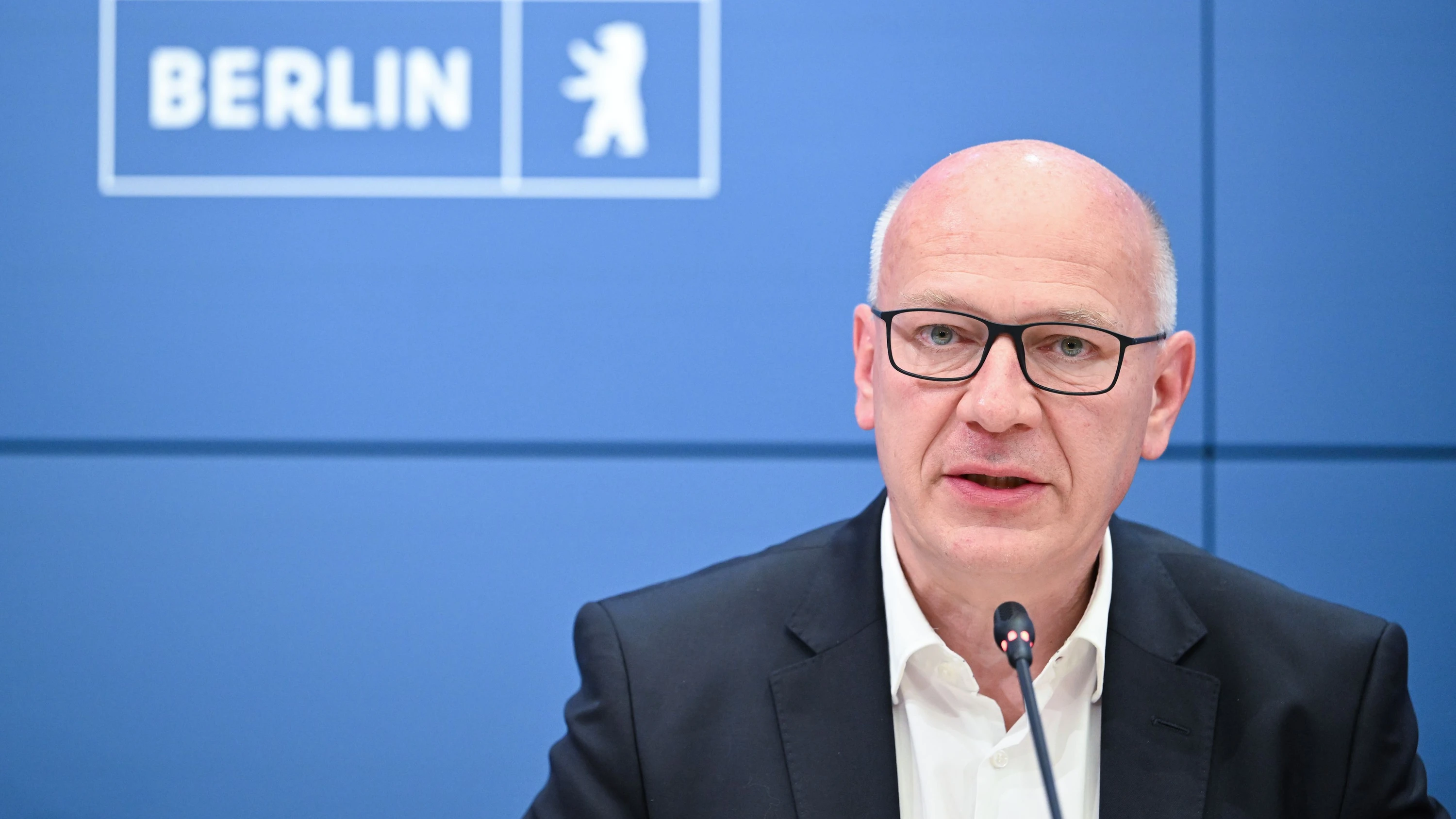
F.A.Z. Frühdenker: Bleibt Kai Wegner Spitzenkandidat der Berliner CDU? Bundestag und Bundesrat tagen zum letzten Mal vor der Sommerpause. Der Bundespräsident arbeitet nun im Ausweichquartier. Und die Rolling Stones veröffentlichen ein neues Album. Der F.A.Z. Frühdenker.
faz · about 3 hours ago

Ann Widdecombe, former Tory MP and Reform UK member, dies aged 78
bluesky_The Guardian · about 3 hours ago

Dutch Ex-Defence Minister Regrets Missed Chances to Prevent Fall of Srebrenica The Dutch defence minister during the fall of Srebrenica in 1995 tells BIRN he tried in vain to shore up the Dutch battalion stationed in the UN safe area, and blames himself, his government, and its Western allies for failing to protect it.
balkaninsight · about 3 hours ago
Labour MPs to Andy Burnham: This is how to stop us toppling you British lawmakers offer their tips for the incoming PM on building goodwill on the backbenches.
politico.eu · about 3 hours ago
Demonstrationen und Objektschutz in Berlin: Innensenatorin fordert mehr Geld für Schutz der Hauptstadt Berlins Innensenatorin Spranger warnt: Ohne mehr Geld vom Bund könnte Berlin den Schutz von Bundesobjekten einschränken müssen. Gebraucht werde mehr als das Dreifache des bisherigen Millionenbetrags.
tagesspiegel · about 3 hours ago

„Merz hat einen Rhetoriküberschuss. Wir haben einen Rhetorikmangel, kritisiert der Juso-Chef Aus der SPD kommt Unzufriedenheit über die Regierung hoch. NRW-Politiker Ott fordert einen kommunikativen „Neuanfang. Juso-Chef Türmer kritisiert auf einen Schlag sowohl den Kanzler als auch die eigenen Parteichefs.
welt.de · about 3 hours ago
BDI: Industrieverband warnt vor Regierungsbeteiligung von AfD Eine AfD-Regierungsbeteiligung in einem der Bundesländer wäre aus Sicht des BDI »fatal«. Der Standort Deutschland würde dadurch geschwächt, sagt die Geschäftsführerin.
die zeit · about 3 hours ago
Wahlarena in Mecklenburg-Vorpommern: Wie will die CDU im Osten ohne AfD und Linke regieren? Wahlumfragen deuten auf schwierige Konstellationen im mecklenburgischen Landtag hin. In der Wahlarena streiten SPD, CDU, Die Linke und Die Grünen. mehr...
taz.de · about 3 hours ago

Au RN, lélection présidentielle reste une affaire de Le Pen Après avoir cultivé son image de présidentiable, Jordan Bardella retrouve subitement son rang de numéro deux, en arrière-plan de la candidature de Marine Le Pen. Il ne postulera finalement quà un poste de premier ministre, illustrant une fois de plus limpossibilité pour le RN de fonctionner autrement quen entreprise familiale.
mediapart · about 3 hours ago
Sinkende Umfragewerte und zunehmende Kritik: Berliner CDU berät über angespannte Stimmung Krisenstimmung bei der Berliner CDU: Nach schwachen Umfragewerten und Kritik am Spitzenkandidaten Kai Wegner soll es eine Aussprache über heikle Themen geben.
tagesspiegel · about 3 hours ago
Demos und Objektschutz: Senatorin: Berlin braucht mehr Geld für Hauptstadt-Schutz Berlins Innensenatorin Spranger warnt: Ohne mehr Geld vom Bund könnte Berlin den Schutz von Bundesobjekten einschränken müssen. Gebraucht werde mehr als das Dreifache des bisherigen Millionenbetrags.
tagesspiegel · about 3 hours ago
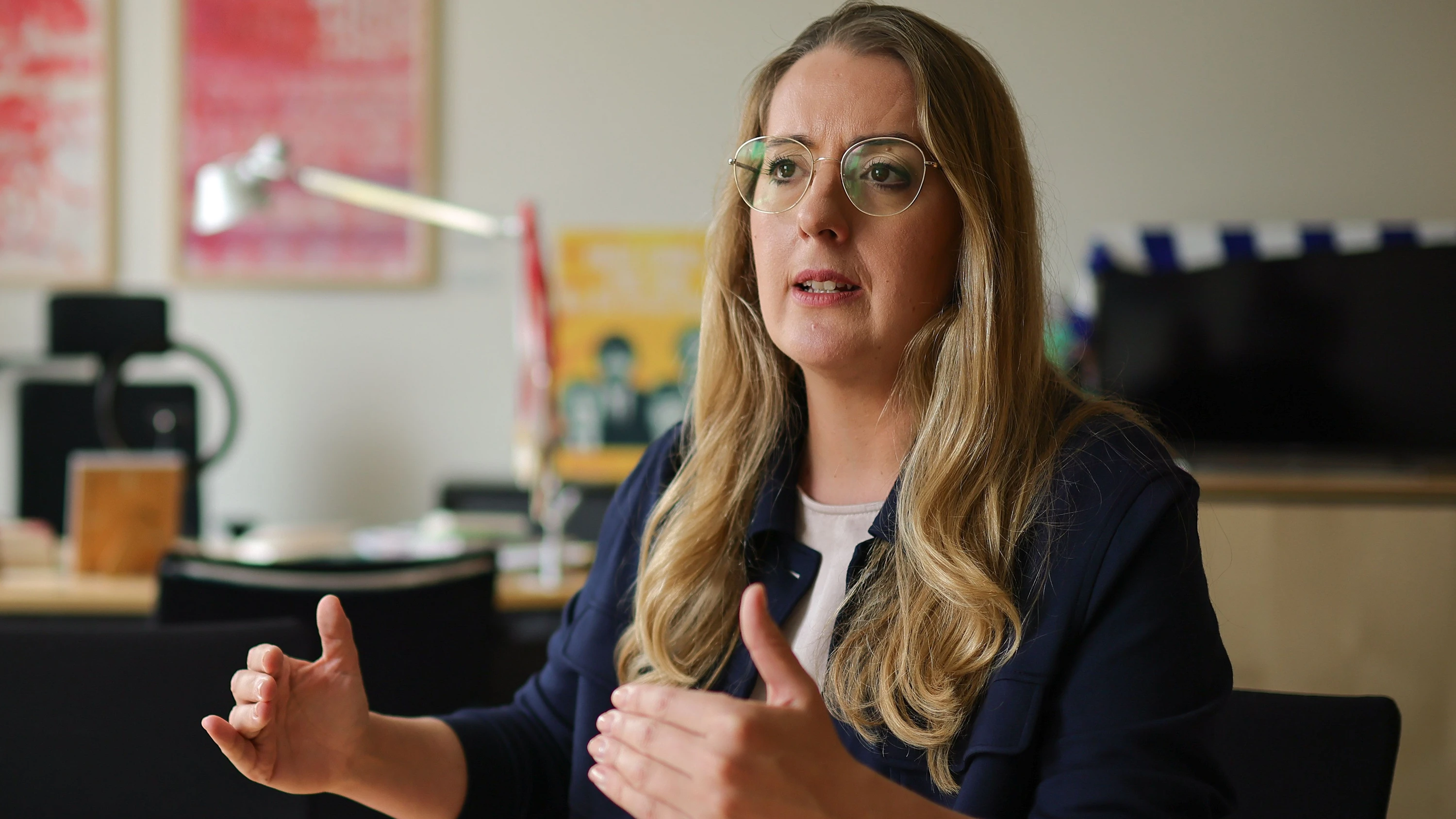
Grünen-Politikerin Dröge: „Der Hitzeschock hat viele aufgerüttelt Warum ist Deutschland schlecht auf Hitzewellen vorbereitet? Mit den Schuldenmilliarden müsste das nicht mehr so sein, sagt Grünen-Fraktionschefin Katharina Dröge. Die Bundesregierung kürze trotzdem.
faz · about 3 hours ago
Merz casts himself as a reformer to stem the German far rights rise A series of incremental reforms pushed through by the chancellor is unlikely to deliver the political inflection point needed to stop the AfDs advance.
politico.eu · about 3 hours ago
Der Checkpoint am Morgen: Wegner sagt Tagesspiegel-Interview ab – in der CDU wächst die Wut + In der CDU wächst die Verzweiflung + Regiermeister lässt Interview platzen + Neuer Senats-Chatbot empfiehlt menschliche Intelligenz +
tagesspiegel · about 4 hours ago
Wahlkampf in Berlin: Berliner CDU berät über angespannte Stimmung Krisenstimmung bei der Berliner CDU: Nach schwachen Umfragewerten und Kritik am Spitzenkandidaten Kai Wegner soll es eine Aussprache über heikle Themen geben.
tagesspiegel · about 4 hours ago
Grünen-Politikerin Dröge: „Ich finde es krass, wie wenig die Regierung gerade macht Warum ist Deutschland schlecht auf Hitzewellen vorbereitet? Mit den Milliardenschulden müsste das nicht mehr so sein, sagt Grünen-Fraktionschefin Katharina Dröge. Die Bundesregierung kürze trotzdem.
faz · about 4 hours ago
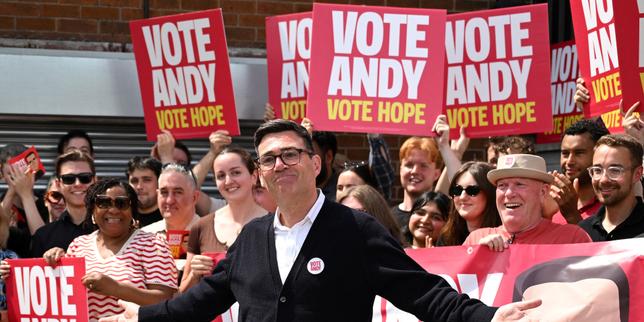
Burnham on track to become next UK PM as hundreds of Labour MPs back leadership bid Labours most popular politician, Andy Burnham – nicknamed the King of the North for winning three consecutive Greater Manchester mayoral elections – has vowed to bring about a significant rebalance of power in the UK. In the absence of a contest, Burnham will be crowned Labour leader and prime minister in waiting on July 17.
le monde · about 4 hours ago
Estonian MPs protest Chinese law threatening ethnic minorities - The Baltic Times TALLINN - The chairman of the Tibet support group, along with 50 members of the Estonian parliament (Riigikogu), has initiated a protest letter ......
baltic times · about 4 hours ago
All four MP candidates say they have made mistake when declaring collaboration with Soviet or other foreign intelligence services - The Baltic Times RIGA - All four candidates who had noted that they collaborated with the security services, intelligence services, or counterintelligence servic......
baltic times · about 4 hours ago

„Heute scheint sich alles an der Frage aufzuhängen: Bist du links oder bist du rechts? Sie ist das Gegenteil einer Hauptstadtjournalistin, die mal kurz in Sachsen einschwebt: Manuela Müller berichtet aus ihrer ländlichen Heimat. Ein Gespräch über Teenager, die zu ihren Müttern sagen: „Ich bin kein Nazi. Ich bin rechts.
welt.de · about 4 hours ago
Poslanci a ministři hnutí ANO by se měli naučit říkat ne Bylo by zajímavé udělat anketu na téma osudové slovo. Je to matka, láska, přátelství nebo dítě? Každý by zřejmě volil podle toho, kdo či co je pro něj nejdůležitější. V politice by tím verbálním svatým grálem měla být částice ne. Může člověku poničit kariéru, zarazit přísun peněz, pohodlné vládnutí změnit v drama. Ale zachová mu rovnou páteř. Což není komodita, která má v leckterých očích vysokou hodnotu. Příkladů je víc, než bychom si přáli.
irozhlas.cz · about 4 hours ago

Une inversion de la charge de la preuve : les députés français accordent la présomption de légitime défense aux policiers en cas dusage dune arme Lopposition dénonce une loi liberticide. De nombreux acteurs institutionnels sinquiètent du recul de lÉtat de droit. ...
la libre · about 4 hours ago

Berliner CDU-Kreischefs treffen sich zum Wegner-Krisengipfel Berlins Bürgermeister hat die Öffentlichkeit über seine Aktivitäten beim großen Stromausfall getäuscht. Trotzdem will Kai Wegner nicht zurücktreten. Nun wollen die Berliner CDU-Kreischefs beraten, wie es weitergeht.
welt.de · about 4 hours ago
Moreno se blinda con Sanz de escudero y consejeros ya rodados evitando experimentos en su primera legislatura junto a Vox El presidente andaluz pretende "encapsular" su gobierno de coalición para evitar que la tensión electoral contamine las relaciones entre los socios Leer
elmundo · about 4 hours ago
Britains likely PM says will work to stop the suffering in Gaza Andy Burnham took to social media to apologise for the Labour Partys initial stance on Israeli attacks in Gaza.
aljazeera · about 5 hours ago
Euronews-Interview: EZB-Chefin zu Gerüchten über politische Ambitionen – „Bin keine Kandidatin Christine Lagarde will ihr Amt als Chefin der Europäischen Zentralbank nicht vorzeitig niederlegen, um sich für ein Amt in Frankreich zu bewerben. Ihre reguläre Amtszeit läuft bis Ende Oktober 2027.
handelsblatt · about 5 hours ago
CDU-Basismitglied ruft zum Wegner-Boykott auf: „Einem notorischen Lügner werde ich aus Prinzip meine Stimme verweigern In der Berliner CDU rumort es nach den jüngsten Enthüllungen rund um den Regierenden Bürgermeister Kai Wegner. Der Unternehmer Christian Miele organisiert nun den Widerstand gegen ihn.
tagesspiegel · about 6 hours ago
Andy Burnham apologises for Labours Gaza war stance Britains likely next prime minister seeks to win back leftwing voters outraged by Keir Starmers approach to Israel
financial times · about 7 hours ago