 Thursday, May 28Thursday, May 28
Finnish consumption researchers warn that cash gifts—once a safe choice for summer celebrations—now carry hidden social and psychological pitfalls. According to a new analysis published in *Helsingin Sanomat*, the shift reflects deeper changes in how Finns view generosity, status, and personal boundaries during the peak gifting season.
The study, led by consumer behavior expert Minna Koivisto of the University of Helsinki, identifies three key risks tied to monetary presents. First, recipients increasingly interpret cash as a sign of indifference, with 62% of survey respondents associating it with "laziness" or "lack of effort" . Second, the practice blurs professional and personal relationships: 43% of workplace gift-givers reported awkwardness when offering money to colleagues, fearing it could be misread as a bribe or power play. Third, cash gifts disproportionately burden low-income recipients, who may feel pressured to reciprocate with equal or greater value—an effect Koivisto terms "the gift debt spiral."
Alternatives gaining traction include experience-based presents (e.g., concert tickets, cooking classes) and personalized consumables (craft coffee, artisanal chocolates), which now account for 38% of summer gifts, up from 22% in 2022. The trend aligns with broader Nordic shifts toward "intentional consumption," where value is measured in time, skill, or emotional resonance rather than price tags.
Yet cash remains dominant in certain contexts. Etiquette coach Sari Kivistö notes that monetary gifts are still expected for milestone events like graduations or weddings, where they serve as practical contributions to future expenses. The key, she argues, lies in presentation: "A handwritten note explaining the gift’s purpose—whether for travel, education, or a down payment—transforms it from impersonal to meaningful."
The findings arrive as Finland’s summer gifting season peaks, with an estimated €1.2 billion spent on presents between May and August. Retailers report a 15% surge in demand for "guilt-free" gifts—items with clear ethical or sustainable credentials—while traditional department stores see stagnant sales of generic luxury goods.
Koivisto’s team plans to release a follow-up study in September, examining how inflation and economic uncertainty have further reshaped gifting norms. Early data suggest a rise in "shared gifts," where groups pool resources for high-value items, reflecting both financial caution and a desire to avoid individual pressure.

Sverige har blivit rökfritt: "Otrolig utveckling" Sverige har uppnått målet om att färre än fem procent av befolkningen röker regelbundet – och anses därmed vara rökfritt.– Det är en otrolig utveckling att man kan minska ett skadligt beteende så här pass mycket, säger Mats Ramstedt, forskningsansvarig på Centralförbundet för alkohol- och narkotikaupplysning (CAN).
svenska dagbladet · 4 days ago
Kesän juhlat | Rahalahja voi tuntua helpolta, mutta siihenkin liittyy ongelmia Juhlakausi on täällä! Kysyimme tapakouluttajalta ja kulutustutkijalta, millaisia lahjoja nyt toivotaan ja mitä ei missään nimessä kannata viedä.
helsingin sanomat · 4 days ago
Primeiro hospital de dia do Porto para o tratamento intensivo do álcool abre em Junho Presidente do ICAD anuncia a abertura de dois hospitais de dia para tratamento intensivo dos problemas de alcoologia: em Lisboa abriu em Abril e no Porto abre a 1 de Junho.
publico · 4 days ago
Bankár Andrej Zaťko podporuje umenie: „Kluby mecénov sú vo svete bežné. Je smutné, že u nás nie. (podcast) Rodáka z Piešťan videli rodičia ako recepčného v tamojších kúpeľoch. Andrej Zaťko sa však stal bankárom a úspech mu umožnil dlhodobo podporovať slovenských umelcov. Tvrdí, že úspešní ľudia by svoje pomáhanie nemali skrývať. Vypočujte si podcast Bod k dobru, v ktorom prinášame príbehy filantropov a filantropiek a búrame tabu spojené so slovom filantropia.
aktuality.sk · 4 days ago
Kesän juhlat | Onko pakko antaa lahjaksi rahaa, jos sankari sitä toivoo? Juhlakausi on täällä! Kysyimme tapakouluttajalta ja kulutustutkijalta, millaisia lahjoja nyt toivotaan ja mitä ei missään nimessä kannata viedä.
helsingin sanomat · 4 days ago
Proč nikdy nejsme dost dobří? Medvěd končí, mnohým nepříjemně připomněl vlastní pracovní nasazení Přesně za měsíc Disney+ začne vysílat pátou a poslední sérii oceňovaného seriálu Medvěd (The Bear). Hit z prostředí luxusní restaurace během let získal několik Zlatých glóbů i nespočet dalších cen. Možná proto, že nikdy nebyl seriálem jen o gastronomii, ale především o stresu, v němž žijeme.
denik n · 4 days ago
Eine Melange bitte! – Aus diesen Büchern duftet es herrlich nach Kaffee und Milch Mit Franz Kafka literweise schwarzen Kaffee trinken, mit Teresa Präauer eine Bohne bestaunen, den Geruch von frischer Milch aufsaugen und eine Melange unterm Wiener Himmelszelt schlürfen. Heiße Kaffee-Büchertipps aus der Spectrum-Redaktion.
die presse · 4 days ago

En Suède, la note salée du rééquipement à neuf des fanfares de larmée Des canons, des corvettes, de la poudre… et des clarinettes. À lheure où la Suède se réarme, les fanfares de la réserve nationale se rééquipent à neuf pour près de 8 millions deuros, explique le quotidien Göteborgs-Posten.
courrier international · 4 days ago
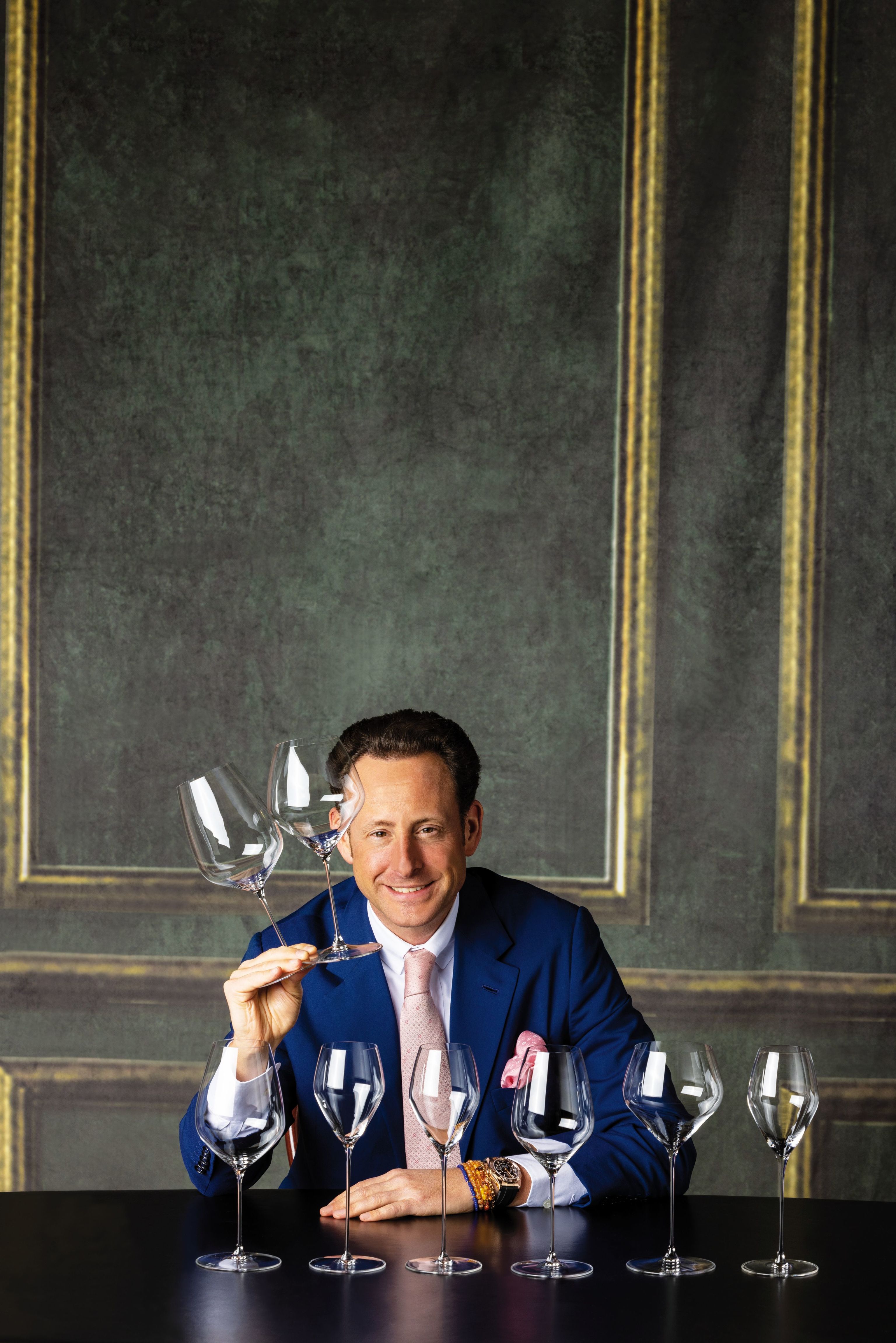
Maximilian J. Riedel, el guardián de la marca de copas que cambió la forma de beber vino: "El arte hecho a mano se está muriendo en Europa" El heredero de la firma austríaca que convirtió la copa en una herramienta de precisión visitó Madrid para demostrar que el cristal también puede transformar la percepción del vino Leer
elmundo · 4 days ago
Det er ikke noe å tenke på, Støre En ti år gammel liberalisering av alkoholloven har vært et eventyr. Nå kan det få et nytt kapittel.
aftenposten · 4 days ago
Ny alkohollov: Selv KrF-politikere bør kunne sprette champagnen nå En ti år gammel liberalisering av alkoholloven har vært et eventyr. Nå kan det få et nytt kapittel.
aftenposten · 4 days ago