 Thursday, June 18Thursday, June 18
Lidl has opened its first pub in Northern Ireland, a move driven by the region’s strict alcohol sales regulations. The discount supermarket chain, known for its blue, yellow and red branding, has ventured into the hospitality sector with a venue in Belfast, a step described by analysts as both curious and strategic. The decision follows local laws that limit off-licence alcohol sales, prompting Lidl to operate the pub under a separate licence to comply with rules that have kept traditional pubs dominant in the market.
The new establishment, located in Belfast, marks Lidl’s first foray into the pub trade anywhere in the world. Industry observers note that the retailer’s decision reflects the unique regulatory environment in Northern Ireland, where alcohol licensing laws differ from those in Great Britain. “Lidl wagt sich in Nordirland erstmals ins Pub-Geschäft,” wrote the *Tagesspiegel*, highlighting the novelty of the initiative . The pub’s design retains the company’s signature colour scheme, blending discounter aesthetics with traditional Irish hospitality.
The move has sparked debate over whether Lidl’s brand will resonate with Northern Irish consumers. Critics question whether the supermarket giant can successfully transition from selling groceries to serving pints, while supporters argue that the pub offers a fresh alternative in a market dominated by long-established establishments. “Ob der Discounter-Charme bei den Nordiren verfängt, wird sich noch zeigen müssen,” noted the *Handelsblatt* .
Lidl’s entry into the pub sector comes amid broader shifts in European retail, where traditional brick-and-mortar stores face pressure from online competitors and changing consumer habits. The company has not disclosed plans to expand the concept beyond Northern Ireland, but the initiative underscores its willingness to adapt to local regulatory frameworks. Industry analysts suggest that if successful, the model could be replicated in other regions with similar alcohol sales restrictions.
For now, the Belfast pub operates as a test case, blending Lidl’s cost-conscious approach with the social role of traditional Irish pubs. Whether it becomes a permanent fixture in the company’s portfolio remains to be seen, but the move has already drawn attention to the interplay between retail innovation and local legislation.

O restaurante sem Estrela, by Olivier O ambiente é bom, o serviço é simpático, os patos estão tranquilos.
observador · about 2 hours ago

Wegen strenger Alkoholgesetze: Lidl betreibt in Nordirland jetzt einen eigenen Pub Lidl wagt sich in Nordirland erstmals ins Pub-Geschäft. Hinter der Kneipe steckt ein ungewöhnliches Gesetz zum Alkoholverkauf.
tagesspiegel · about 2 hours ago
Wegen Regeln zu Alkoholverkauf: Lidl öffnet ersten Pub in Nordirland Kneipe in Blau, Gelb und Rot: Ob der Discounter-Charme bei den Nordiren verfängt, wird sich noch zeigen müssen. Die Geschichte des ersten Lidl-Pubs ist jedenfalls kurios.
handelsblatt · about 2 hours ago
Após 35 anos, o Tivoli Carvoeiro quer continuar a evoluir O resort soprou as velas pelos seus 35 anos e mantém a energia de continuar a inovar. Por agora, as propostas andam em torno da gastronomia, da mais tradicional ao sushi no Sky Bar.
publico · about 2 hours ago
Yritykset | Luodon jugend-huvilan uusi omistaja suunnittelee saareen kylpyläpalveluja Uusi omistaja Ön Klippan Ab avaa saaren yleisölle arviolta vuosina 2028–2029.
helsingin sanomat · about 2 hours ago
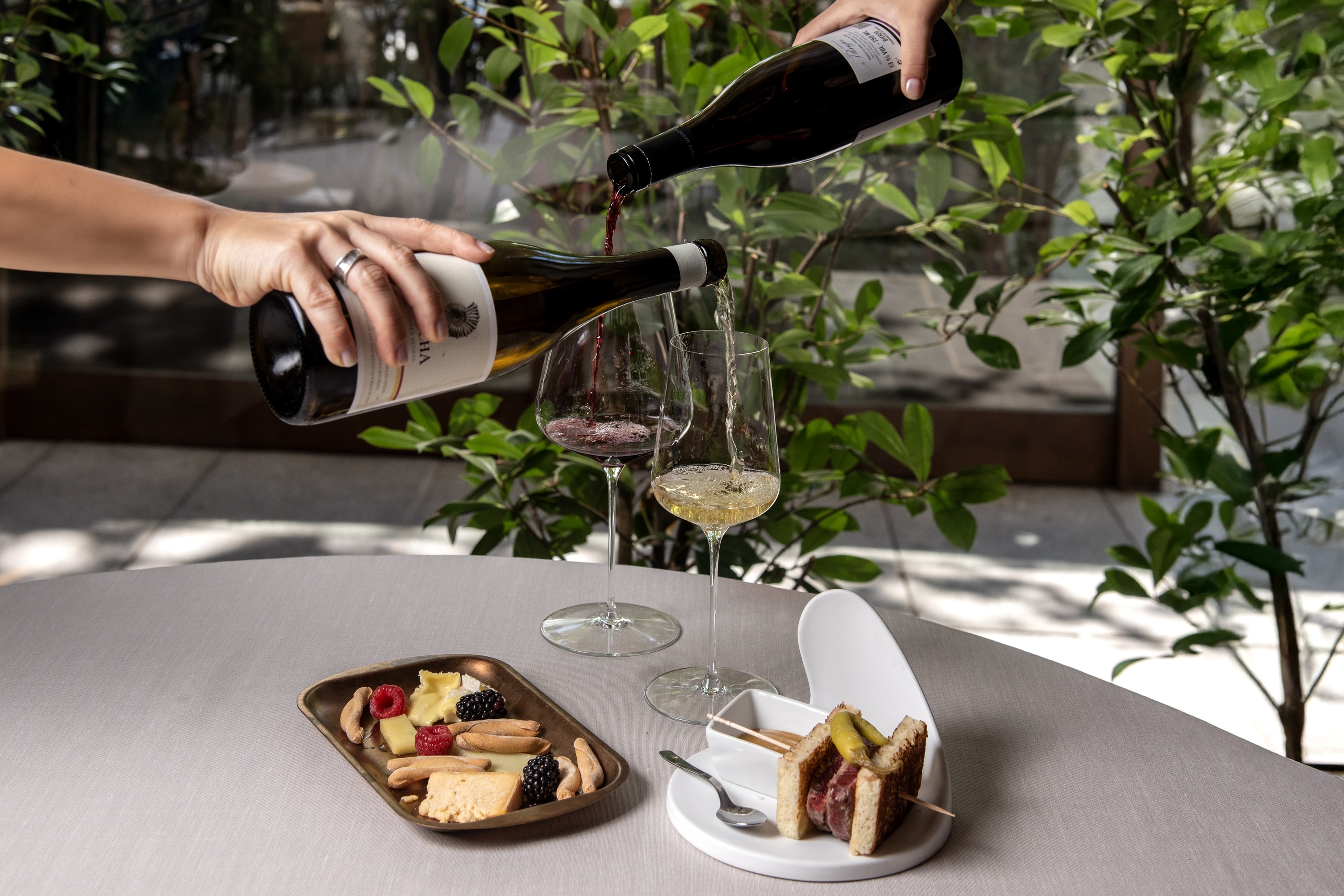
El bar madrileño Berria recibe el máximo reconocimiento de los Restaurant Awards 2026, los Oscar del vino El wine bar obtiene el Grand Award de la prestigiosa revista especializada Wine Spectator por su "excepcional" carta, con más de 3.000 referencias. Es el tercer establecimiento español que lo consigue después de Atrio y Rekondo. Leer
elmundo · about 2 hours ago
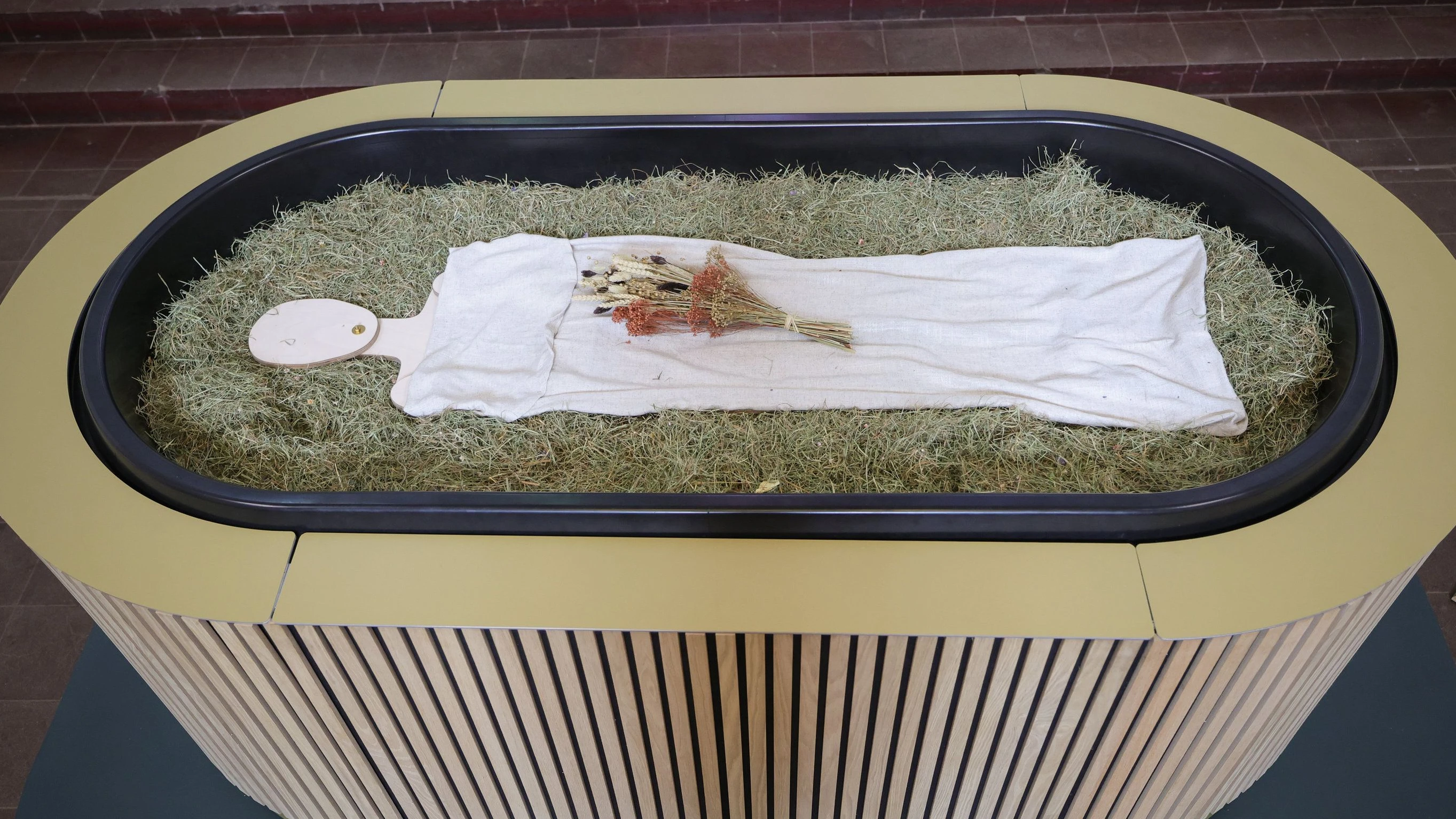
Gesetz zu „Reerdigung: Erstmals seit 150 Jahren neue Bestattungsform eingeführt In Schleswig-Holstein ist künftig auch eine „Reerdigung erlaubt. Dabei wird der Leichnam in einem Behälter etwa in Heu oder Stroh eingebettet und kompostiert.
faz · about 2 hours ago

Um Experimentador Implacável no quiosque do Olivier Instalada a polémica no Jardim da Estrela, Arnald Valente foi testar o novo quiosque by Olivier, que aposta no conceito all day eating, entre abacates, trufas e expats.
observador · about 3 hours ago
Ausschließlich online buchbar: Neuer Autovermieter startet in Potsdam Das Unternehmen CarlundCarla.de startet seinen Verleih von Transportern, XL-Transportern und Neunsitzer-Bussen in Potsdam. Gemietet wird allein über das Smartphone.
tagesspiegel · about 3 hours ago

Tivoli GreenCity, le premier écoquartier bruxellois, tient-il vraiment ses promesses ? Sept ans après son inauguration, Tivoli GreenCity offre un rare retour dexpérience sur ce que devient un écoquartier une fois confronté à la réalité du terrain. ...
la libre · about 3 hours ago