 Sunday, June 14Sunday, June 14
5 days · 2 summary articles
Wolf sighting sparks clash over culling in Baselbiet as farmers demand action
EU warns Brazilian beef ban deadline cannot be met amid livestock disease surge
The return of the wolf to Switzerland’s Baselbiet has reignited tensions between conservationists and farmers, as livestock owners warn of escalating threats to their herds. On Sunday, 14 June 2026, local media reported a fresh sighting near the rural municipality, prompting the agricultural sector to demand urgent protective measures. Farmers in the region, already grappling with economic pressures, fear the predator’s presence will lead to increased attacks on cattle and sheep, a concern echoed by the Swiss Broadcasting Corporation .
The sighting comes amid a broader debate over wolf management in Switzerland, where populations have rebounded under strict federal protections. While environmental groups argue for coexistence strategies, including non-lethal deterrents and compensation schemes for lost livestock, agricultural representatives insist on stricter culling policies. The Baselbiet government has yet to announce specific actions, but the incident underscores the persistent divide over balancing biodiversity goals with rural livelihoods.
In a separate but related development, new research highlights the critical role of older animals in preserving endangered species. A study published by *Yale Environment 360* on 14 June 2026 emphasizes that elderly individuals are vital repositories of ecological knowledge, from migration routes to disease resistance, which younger generations rely on for survival . The findings challenge conservation strategies that often prioritize younger, more reproductively active animals, suggesting that protecting older specimens could be equally essential for long-term species resilience.
Meanwhile, Belgium’s veterinary blood banks are facing a critical shortage, with thousands of dogs and cats requiring transfusions annually for surgeries, accidents, and illnesses. The *Animal Blood Bank Benelux* in Belgium has launched a public appeal for donors, noting that the demand outstrips supply despite growing awareness of the issue . Veterinarians warn that delays in treatment due to blood shortages could have fatal consequences, particularly for smaller or less common breeds.
Elsewhere, conservationists are celebrating the unexpected return of the scarce *Pieris brassicae* butterfly to the Krnovsko region of the Czech Republic. Last recorded decades ago, the species has reappeared in grazing areas near Chomýž and Kabátův Hill, though scientists remain puzzled by the cause of its re-emergence . The discovery has sparked renewed interest in habitat restoration efforts, with local ornithologists and schoolchildren participating in monitoring programs to track the butterfly’s progress.
From Baselbiet’s wolf debates to Belgium’s blood shortages and the Czech Republic’s butterfly revival, Sunday’s headlines reflect the complex interplay between human activity, conservation priorities, and the unpredictable rhythms of nature.

Jednou přemnožený, jindy nezvěstný. Nerozhodný bělásek se vrátil na Krnovsko, vědci nevědí proč Ochránci přírody nedaleko Krnova objevili běláska ovocného. Tento motýl nebyl v oblasti zaznamenán desítky let. Daří se mu v pastevním areálu v Chomýži a také na Kabátově kopci. Nikdo ale neví, proč a jak se do lokality vrátil.
irozhlas.cz · about 2 hours ago
TV Čáp. Online z hnízda na komínu gobelínky sledují lidé ve Valašském Meziříčí, kameru sem dala radnice Ornitologové už mladé ptáky okroužkovali, jedno ze tří mláďat si zblízka prohlédly děti ze školky i studenti gymnázia. Ti budou dění v hnízdě dál sledovat a zaznamenávat. Pozorování ptáků na komínu gobelínové manufaktury ve Valašském Meziříčí začalo zhruba před rokem.
irozhlas.cz · about 2 hours ago
Wölfe gesichtet – Der Wolf ist zurück im Baselbiet: Bauer sorgt sich um seine Tiere Im Baselbiet ist erneut ein Wolf gesichtet worden. Die Landwirtschaft fürchtet um ihre Tiere und fordert Massnahmen.
srf.ch · about 2 hours ago

La pénurie de sang touche également les animaux : Jai lu le message et je me suis dit pourquoi pas Accidents de la route, maladies, opérations chirurgicales… Chaque année, des milliers de chiens et de chats ont besoin dune transfusion sanguine pour survivre. Pourtant, les banques de sang vétérinaires peinent elles aussi à trouver des donneurs. En Belgique, lAnimal Blood Bank Benelux tente de trouver de nouveaux volontaires. ...
la libre · about 2 hours ago

Pour protéger une espèce, il faut penser aux animaux âgés De plus en plus de travaux montrent limportance de protéger aussi les animaux les plus âgés. Ces individus sont garants dune transmission vitale, depuis les comportements et la connaissance du territoire jusquaux défenses immunitaires, éclaire Yale Environment 360.
courrier international · about 2 hours ago
Auch Vögel singen Wiegenlieder für ihre Küken [premium] Wir sind soziale Wesen. Das heißt nicht notwendigerweise, dass wir besonders lieb sind, aber wir interessieren uns für einander über die Maßen. Nur Lebewesen mit einem ausgeprägten Sozialleben entwickeln komplexe Kommunikationsweisen.
die presse · about 2 hours ago
Lokaal meer ringslangen door broeihopen: Dit vergroot hun huwelijksmarkt Ringslangen zijn een beschermde diersoort, maar hun populatie staat nog altijd onder druk. Speciale broeihopen moeten de slangen helpen zich voort te planten. Volgens natuurbeschermers werpen die vruchten af: in Overijssel en Amsterdam worden steeds meer eieren gevonden.
nu.nl · about 2 hours ago
Secretul „Capcanei lui Venus: cum funcționează mecanismul de închidere rapidă al plantei carnivore Bietele muşte care aterizează pe o plantă carnivoră, denumită „Capcana lui Venus, au parte de o soartă tragică. Atunci când insecta atinge structurile asemănătoare firelor de păr ale acestei remarcabile plante carnivore, „capcana ei se închide brusc, condamnând victima să fie digerată într-un interval de câteva zile de enzimele secretate de plantă. Oamenii de ştiinţă din Franţa au descifrat recent mecanismul fizic aflat în spatele acestei acţiuni de închidere rapidă, scrie Agerpres, care citează Reuters.
digi24 · about 2 hours ago

Fini les trouples, la mode est aux polycules de 80 personnes En plus des compagnons de nid qui partagent leur toit, les habitants de Somerville sont nombreux à entretenir en parallèle des relations amoureuses multiples, déployant ainsi dimpressionnants polycules, réseaux tentaculaires damants et amantes. Une journaliste du Times britannique a passé une semaine dans cette communauté du Massachusetts où tout le monde se connaît – au sens biblique du terme.
courrier international · about 2 hours ago
Wie die Kuh zum Killer (gemacht) wird [premium] In Valbella treibt man nur Mutterkühe auf, deren Kälber bereits mindestens drei Monate alt sind. Seitdem gab es keine Angriffe auf Wanderer mehr.
die presse · about 2 hours ago
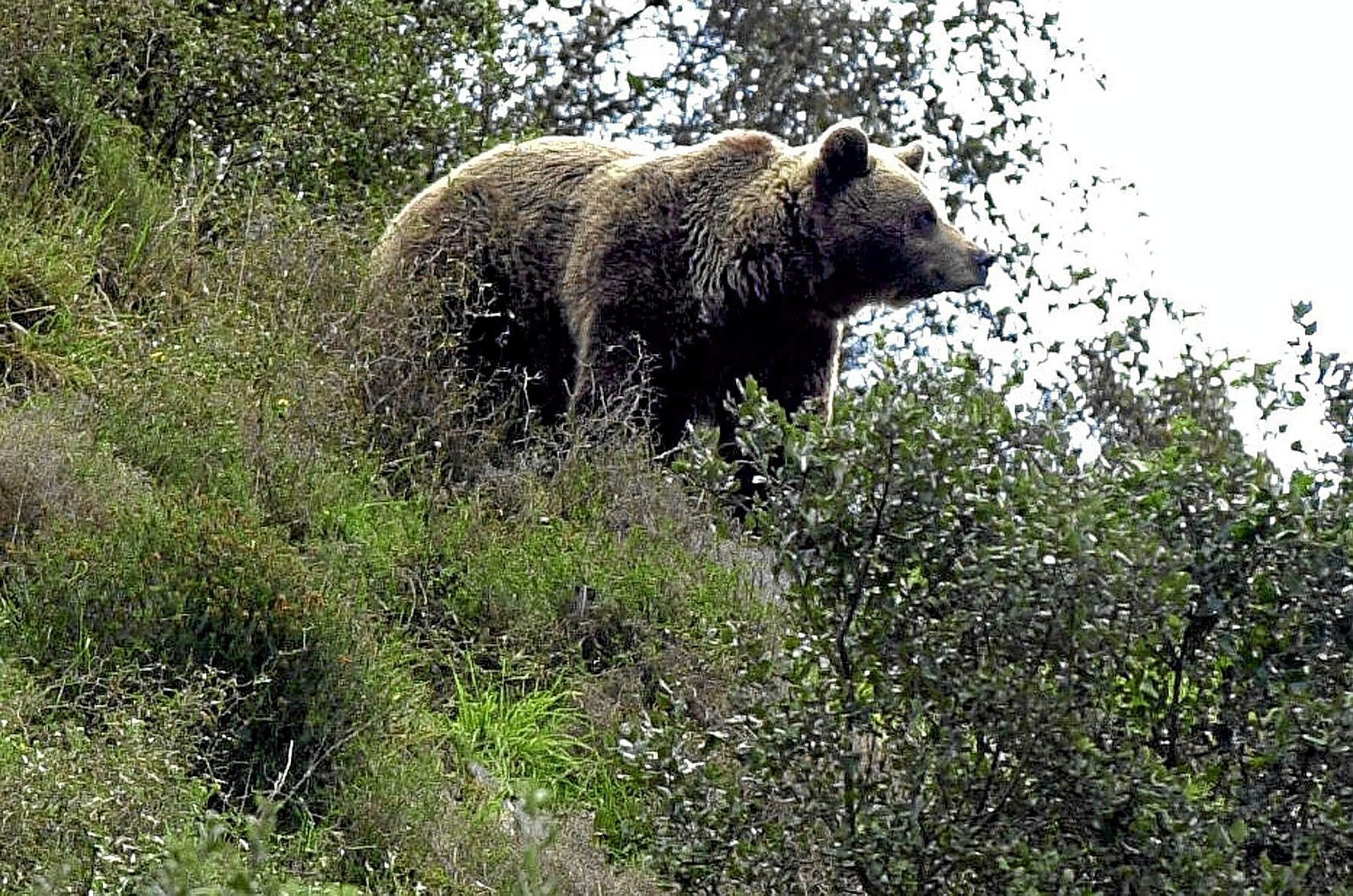
Observan un oso pardo corriendo por la carretera NA-140, entre Ochagavia y Ezcaroz (Navarra) El avistamiento ha sido grabado en vídeo por un vecino de Oronz que regresaba a casa a las 3:00 horas, y en él se puede ver al animal corriendo por el carril derecho de la carretera y por el arcén Leer
elmundo · about 2 hours ago

Aux États-Unis, la plus grande colonie survivaliste du monde survivra-t-elle aux conflits de voisinage ? Chiens errants, violences, actions en justice, tensions entre résidents et promoteurs… En attendant lapocalypse, la cohabitation est difficile entre les habitants dun immense et luxueux complexe survivaliste situé en Dakota du Sud, raconte The Wall Street Journal.
courrier international · about 3 hours ago
Polyamorie gutheißen, um niemandem wehzutun? [premium] Soll der Mensch Gott folgen – oder Gott dem Menschen? Die Frage ist zurzeit in der Presbyterian Church (USA) aktuell, die Polyamorie gutheißen will.
die presse · about 3 hours ago

Le kama muta, cette puissante émotion dont vous ignoriez lexistence Chair de poule, larmes, sentiment de solidarité… Ni joie ni tristesse, cette sensation dun lien qui nous unit aux autres a un nom : kama muta. Depuis dix ans, il est étudié sous toutes ses coutures par un psychologue. Et ses manifestations – des Swifties distribuant des bracelets damitié aux réponses à des messages politiques – sont à la fois puissantes et ambiguës.
courrier international · about 3 hours ago